





6.4 Powerstroke Engine Guide Key Takeaways
An overview of the 2008–2010 Ford 6.4L Powerstroke engine specs, performance potential, and critical failure points:
- Core Engine Specs: 390 cu in (6.4L) V8 twin-turbo diesel producing 350 hp and up to 690 lb-ft of torque, utilizing sequential VGT turbos and high-pressure common rail fuel injection.
- Known Failure Points: Severe oil dilution from DPF regeneration cycles, cracked pistons/cylinder walls (non-sleeved block), EGR cooler leaks, and high-pressure fuel pump (HPFP) failure from water contamination.
- Pre-Purchase & Fixes: Check for blow-by and oil dilution before buying; address factory emission flaws with dedicated delete/block-off upgrades, strict oil change schedules, and ARP head studs for high-power builds.
The 6.4 PowerStroke engine sparks a lot of discussion among diesel enthusiasts. People praise its robust output and ability to be tuned.
However, it has a reputation for major reliability issues. We will cover what you actually need to know including the 6.4 Powerstroke specs, problems, maintainance and must do Ford 6.4 diesel performance upgrades before buying or owning one.
The 6.4L Powerstroke is a twin-turbo diesel engine made from 2008 to 2010 that produces 350 horsepower and 650 pound-feet of torque. It replaced the problematic 6.0L and came before the more reliable 6.7L, offering strong factory power with mod potential but known reliability issues like fuel dilution and cracked pistons.
This overview breaks down what the 6.4 Powerstroke engine is, highlights its strengths, and points out its weaknesses. You'll get the scoop on how it's built, its common problems, what it takes to keep it running, and how much it costs to own.
We know the 6.4L Powerstroke gets mixed reviews online, and for good reason. Ford built this engine to handle emissions requirements with the first diesel particulate filter system in a Ford truck. This created a bridge between the 6.0L's raw power and the newer 6.7L's more refined approach.
Some owners swear by their 6.4L trucks and hit 200,000 miles without major work. Others struggle with expensive repairs after 150,000 miles. The engine itself is actually quite strong, but the emissions systems and fuel injection design create real problems that we need to address head-on.
After reading, you'll have a clear picture of whether this 6.4L engine suits your needs and how to keep it running strong.
Table of Contents
- What Is the 6.4L Ford Powerstroke Engine?
- Ford 6.4L Powerstroke Engine Specs: Breaking Down the Numbers?
- Strengths of the 6.4L Powerstroke: Why Owners Love This Engine?
- Common Problems With the 6.4L Powerstroke
- Buying a Used 6.4L Powerstroke: What to Look For
- Essential Maintenance for 6.4 Powerstroke Longevity
- Popular 6.4 Ford Diesel Engine Mods and Performance Upgrades
- Is the 6.4L Ford Powerstroke Worth It?
- FAQs
- Final Conclusion
What Is the 6.4L Ford Powerstroke Engine?
The 6.4L Powerstroke sits in an interesting spot in diesel history. Before it came the infamous 6.0L, which had reliability issues that sent many owners searching for solutions. After it came the more refined 6.7L that Ford still uses today with improvements to almost everything.
The 6.4L Powerstroke is a 390-cubic-inch V8 twin-turbo diesel that came in Ford Super Duty trucks (F-250, F-350, F-450) only from 2008 through 2010. It makes 350 horsepower and 650 pound-feet of torque stock, uses sequential variable-geometry turbos, and includes Ford's first diesel particulate filter system, marking a shift toward modern emissions compliance.
Unleash and Protect Your 6.4L Powerstroke.
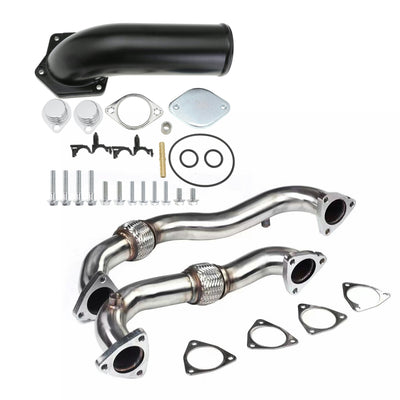
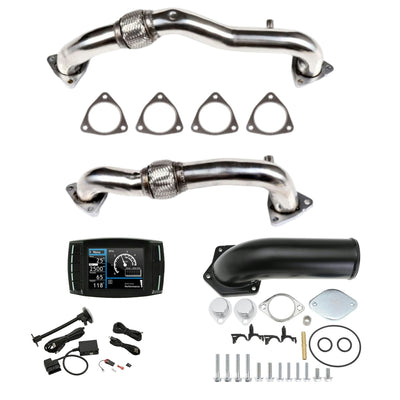
Don't let factory thermal restrictions and emissions bottlenecks limit your truck's durability. Our 6.4L Powerstroke Performance Mods from EGR Performance are precision-engineered to optimize coolant flow, eliminate failure-prone EGR components, and maximize exhaust efficiency. Build a bulletproof, high-output Powerstroke designed for the long haul.
Shop 6.4 Powerstroke Performance Mods→The 6.4L (390 cubic inch) turbocharged diesel V8 is used by Ford on its Super Duty trucks, including the F-250, F-350, and F-450 series. The 6.4L replaces the previous 6.0L PowerStroke engine, and the 6.7L PowerStroke engine follows the 6.4L.
The 6.4L combines many time-tested components from previous PowerStroke engines to create a heavy-duty diesel engine that meets today's emissions requirements.
A sequential twin-turbo variable geometry turbocharger (VGT) serves as a core feature and delivers between 350 and 400 horsepower while providing 650 to 690 pound-feet of torque in stock form. It allows towing heavy loads with ease and offers ample opportunity for those who wish to modify their vehicle.
Although the 6.4 PowerStroke engine has excellent stock engine performance, without the proper maintenance of the emission control system, it can be troublesome. Its strong design features allow it to be very good for both work & modified trucks.
The engine ran hotter because of the DPF regeneration system, where the truck injects extra fuel into the exhaust to burn off soot. This fuel sometimes leaks past piston rings and dilutes the oil.
The turbos were more efficient but ran in a complex sequential setup that could develop problems. The fuel injection system came from Bosch and operated at extremely high pressures, making injectors and pumps sensitive to fuel quality and contamination.
We need to understand these design choices to grasp why the 6.4L has its reputation.
Ford 6.4L Powerstroke Engine Specs: Breaking Down the Numbers?
Understanding the 6.4L's specifications gives us insight into how it was engineered and why it behaves the way it does.
The 6.4L displaces 390 cubic inches with a bore and stroke of 3.78 inches by 4.33 inches. It features a 17.5:1 compression ratio and runs a firing order of 1-3-7-2-8-4-6-5, with dual sequential variable-geometry turbos that work together to deliver smooth power across the RPM range and keep turbo lag manageable.

The 6.4 PowerStroke engine specs show why many Ford truck owners choose this diesel truck engine.
With a 6.4L (390 cu in) capacity, the V8 turbo-diesel engine has a bore of 3.91 inches and a stroke of 4.13 inches, among the largest of any current commercial diesel V8 engine. Its compression ratio is 17.5:1, and it follows the firing order standard for all V8s.
This combination gives the 6.4L PowerStroke engine impressive low-end torque and towing capabilities compared to similar-sized diesel truck engines, which is one reason the PowerStroke engine serves heavy-duty applications.
Output by Model Year
- 2008:350 hp and 650 lb‑ft of torque.
- 2009: 350 hp and 690 lb‑ft of torque.
- 2010:350 hp and 650 lb‑ft of torque.
Early 2008 models came rated at 350 horsepower at 3,000 RPM and 650 pound-feet of torque at 2,000 RPM. Ford made a small change in late 2009, bumping torque to 690 pound-feet while keeping horsepower the same.
This adjustment shows Ford listened to owners who towed heavily. The engine holds 15 quarts of oil with the filter, which is important because we need to change that oil frequently.
A sequential twin-turbo VGT arrangement offers optimum performance at both low and high speeds by enabling a wider range of performance. The inclusion of EGR and DPF ensures compliance with emissions requirements; however, constant maintenance issues may arise from this setup.
The sequential turbo system is where the engineering gets clever. At low RPM, the smaller turbo does most of the work. As engine speed rises, a valve opens, and both turbos work together. This delivers strong power from idle all the way to redline.
The EGR cooler pulls hot exhaust gases and cools them, routing them back to the intake for cleaner emissions. These dual system works against each other in some ways. Hot EGR gases wear cooling components while the turbos themselves run hot from the dense charge of air they produce.
The high-pressure common-rail fuel system pressurizes fuel to 26,000 PSI, which demands perfectly clean fuel and tight injector seals.
The 6.4 PowerStroke engine specs make it strong for towing and daily work. With its twin-turbo system, the engine can be slightly modified to produce more horsepower and torque through safe adjustments.
Summary of Key Specs
- Displacement: 6.4 L (390 cu in)
- Bore × Stroke: 3.91 × 4.13 inches
- Compression Ratio: 17.5:1
- Firing Order: Standard V8
- Stock Horsepower: 350 hp (varies slightly by year)
- Stock Torque: 650–690 lb‑ft
- Turbo Setup: Sequential twin‑turbo VGT
- Emissions: EGR and DPF integration
Strengths of the 6.4L Powerstroke: Why Owners Love This Engine?
The 6.4L Powerstroke gets criticized often, but fair criticism should also include what it does well.
The 6.4L has an excellent rotating assembly with strong internal components that respond well to moderate tuning and hold up during towing. Stock power is solid, and the engine makes big power easily with bolt-ons and a tune, making it attractive to owners who want performance without exotic modifications.

The 6.4 PowerStroke engine is a favorite among Ford truck owners due to its durability and power. It has an extremely durable bottom end and a robust rotating assembly.
This means the crankshaft, rods, and pistons handle the forces of heavy loads and towing without catastrophic failure, and they also support a moderate level of tuning. This allows owners to safely add aftermarket modifications to increase power.
We have seen stock 6.4L blocks survive 600+ horsepower with proper tuning and fuel system upgrades. The factory pistons are the weak point, not the rest. For owners who stick to moderate tuning in the 450 to 500 horsepower range, the 6.4L is reliable enough.
A major advantage of this engine is the stock power and torque. With an output of 350 horsepower, you have 650-690 foot/pounds of torque in your engine to easily pull very large trailers and carry heavy loads without having to worry about the engine struggling to do so.
The engine also produces a good amount of low-end torque, so with a full load, you can accelerate smoothly. The engine's twin-turbo setup also adds flexibility. The smaller turbocharger can spool quickly at low engine speeds (RPM), which creates instant power delivery.
Whereas the bigger turbo needs higher RPM to deliver torque, and great strength is needed for towing heavy items. Therefore, when driving around town or going off-road, the 6.4 Powerstroke Engine delivers amazing performance.
The 650 to 690 pound-feet of torque at 2,000 RPM means you can tow heavy loads without the engine working hard. Many owners report pulling 20,000+ pound gooseneck trailers with no issues on the stock engine.
The fuel economy is better than that of the 6.0L, and the truck feels refined compared to the earlier generation. When maintained 6.4 Powerstroke properly with frequent oil changes and careful fuel system care, the 6.4L can reach 200,000 to 250,000 miles.
We know owners who have passed these milestones with the engine still strong because they respected the maintenance schedule and didn't push the engine too hard.
One other positive aspect of the engine is its capacity for modification. Aftermarket bolt-on upgrades such as cold air intakes, performance exhaust systems, and engine tuners can increase the horsepower output of the stock engine by anywhere from 50 to 100 hp.
In addition, the installation of upgraded intercoolers or fuel systems could allow for even greater performance potential. This makes the engine an appealing option for truck enthusiasts who desire both reliability and enhanced performance from their vehicles.
In short, the 6.4 PowerStroke engine is a great option for a work truck due to its combination of strength, towing capacity, and ability to be modified. It can perform well in either a work truck or a modified truck and has a durable base for years of service.
Common Problems With the 6.4L Powerstroke
Now we get to the hard truth. The 6.4 PowerStroke engine problems are well known among owners and buyers. You need to know about before buying or owning one.
The primary causes of these problems are typically heat stress, emissions systems, and fuel dilution. However, not all trucks will experience each of these problems equally.
Additionally, poor maintenance and heavy tuning increase failure risk significantly.

The 6.4L was Ford's first truck diesel with a DPF, and that system caused most of the reliability reputation this engine has earned.
The EGR (exhaust gas recirculation) and DPF (diesel particulate filter) systems clog frequently, causing the engine to run hot, lose power, and trigger warning lights. Regeneration cycles happen constantly, and the complexity means sensor faults and blocked filters are common, especially on trucks used for short trips and city driving.
1. EGR and DPF Clogging
Problems with the 6.4 Powerstroke engine start after Ford implements the DPF system. Continued regenerations increase heat from the DPF system and cause soot buildup. The EGR cooler also leaks coolant when it fails, which leads to internal leaks.
Other problems include failed sensors that activate warning lights. These systems limit airflow into the engine and increase exhaust temperatures.
The system works like this: When soot builds up in the DPF (usually after 300-500 miles), the truck triggers a regeneration. Fuel is injected during the exhaust stroke to heat the exhaust gases hot enough to burn off the soot. In theory, this is smart.
In practice, it causes problems. Short trips mean the truck never gets hot enough to complete a regeneration, so soot keeps building, and the regen cycle keeps triggering. The engine runs hot during regen, straining cooling systems and pushing pistons hard.
Fuel sprayed during regen sometimes leaks past piston rings into the crankcase. The EGR cooler gets clogged with carbon buildup, reducing flow and increasing heat. EGR-related sensor faults come up constantly on older 6.4L trucks, especially ones with high mileage.
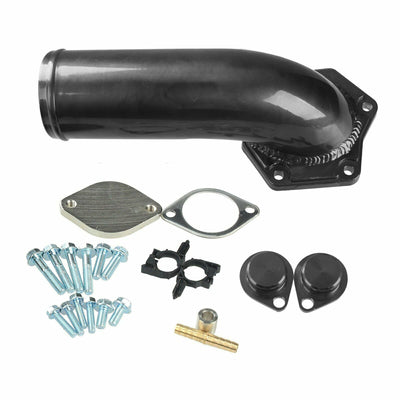
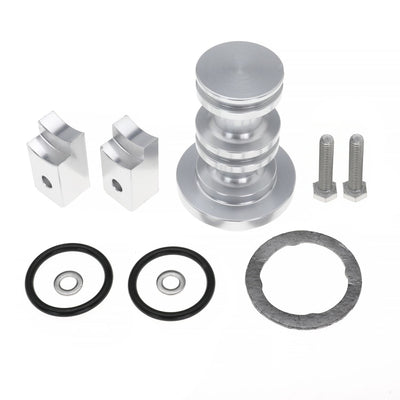
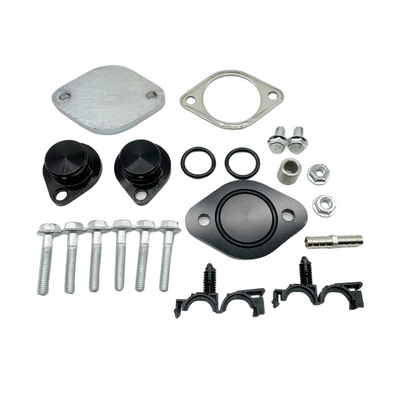
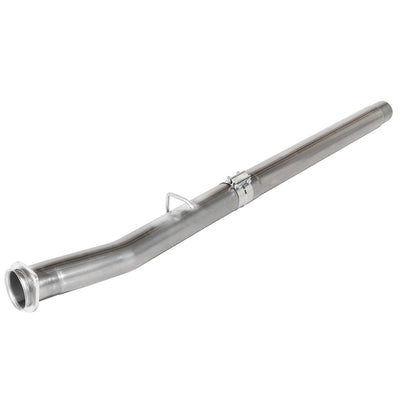
Solution: Keep a close eye on exhaust gas temperatures. Many owners delete the DPF and EGR systems for off-road use. Deleted trucks typically run smoother and at lower temperatures than stock diesel engines. However, potential legal, inspection, and resale risks should be considered. We recommend checking your local emissions rules before deciding.

2. Fuel Dilution and Oil Contamination
One of the most serious issues impacting the 6.4 PowerStroke is excess fuel diluted into the crankcase. During regeneration mode, fuel is sprayed onto the cylinder during the exhaust stroke (which is different from normal).
Some of the fuel inadvertently leaks past the piston rings into the engine oil. If the injectors have cracks, then that will increase how much fuel is in the oil. Thin oil will increase how fast the bearings and engine wear.
During the DPF regen cycle, fuel is injected on the exhaust stroke, and some seeps past piston rings into the crankcase, diluting the oil. Bosch high-pressure injectors can also crack and leak fuel directly into the oil. Regular oil-level checks and 5,000-mile oil changes are critical to prevent bearing wear and premature engine failure.

The EPA says up to 5 percent fuel in the oil is acceptable, but many owners and experts recommend changing oil sooner when levels exceed 2 to 3 percent. Diluted oil loses viscosity, meaning it cannot protect bearing surfaces as well.
Turbochargers run on pressurized oil, so thin oil from fuel dilution speeds up turbo wear. Connecting rod bearings suffer from insufficient film strength in diluted oil, and at high mileage, this can mean rod knock and engine failure.
We have seen otherwise strong 6.4L engines fail in the 200,000 to 250,000-mile range because owners ignored oil changes, and fuel dilution crept up. Cracked Bosch injectors are a specific problem. The injectors operate at 26,000 PSI, and the tight tolerances mean even tiny cracks allow fuel to weep into the crankcase.
A single cracked injector might not show obvious symptoms early, but it will cause steady fuel buildup in the oil over time. If you see a sudden spike in oil level on the dipstick, suspect a cracked injector and get it diagnosed immediately.
Solution: Monitor your oil level on a weekly basis and smell for gas in the oil. If you see or smell gas in your oil, replace the injectors IMMEDIATELY. Change your oil every 5,000 miles or more frequently. If the fuel in the oil jumps above 5 percent, find and fix the source before running the engine further.
3. Radiator and Cooling System Failures
Common problems with the 6.4 Powerstroke diesel engine include cooling issues, which are more likely in higher-mileage trucks. The plastic radiator tank may crack due to vibrations and heat cycles.
Leaking degas bottles cause coolant loss. If the engine overheats, it can damage pistons and head gaskets in a very short period of time.
The factory radiator has plastic tanks that crack from vibration and heat cycling, leading to coolant loss, overheating, and catastrophic damage to head gaskets and pistons. Many experienced 6.4L owners upgrade to aluminum radiators immediately after buying their truck.

The factory radiator works okay when new, but the plastic tanks develop tiny cracks over time. Vibration from the twin-turbo setup works on the plastic, and thermal cycling (heat and cool, heat and cool) stresses the material.
A small leak might go unnoticed for a while, and a truck running low on coolant overheats quickly when you're towing or in heavy traffic. When the engine gets too hot, head gaskets fail, and pistons start to crack.
We recommend upgrading to an all-aluminum radiator in the first 20,000 to 30,000 miles if you own a 6.4L, especially if you tow.
The upgrade costs $400 to $700, depending on brand, but prevents damage that costs $2,000 to $5,000 or more. The degas bottle also needs inspection.
The factory plastic degas bottle can split, causing sudden coolant loss. Replacing it with an upgraded version takes an afternoon and costs $100 to $200. Hoses and connections should be checked every 10,000 miles.
The high temperature under the hood makes rubber hoses deteriorate faster than in less demanding engines. Simple steps like these catch problems before they become expensive engine damage.
Solution: Inspect the coolant regularly to ensure the system has enough fluid. Many owners upgrade to full aluminum radiators. Installing strong aftermarket cooling components also helps reduce the risk of overheating.
4. Turbocharger and Up-Pipe Issues
The twin turbo system creates additional 6.4 Powerstroke engine-related issues over time. Several issues arise due to the creation of soot, which can cause turbo vanes to stick or bearings to wear out, especially on high-mileage motors. There have been reports of exhaust leaking from cracked up-pipe bellows.
The sequential twin-turbo system can develop sticking variable geometry vanes, bearing wear, and shaft scoring from heat and oil starvation. Up-pipe bellows (the flexible sections connecting turbos) crack and leak exhaust, reducing performance and creating vacuum leaks that cause drivability issues.

The problem is that the sequential design introduces complexity. The smaller turbo lives at low RPM in a hot environment where exhaust temperatures can exceed 1,000 degrees Fahrenheit during regen. At high mileage, turbo shafts wear and create internal play.
This play allows compressor wheels to rub on housings, and the turbo dies. The variable geometry vanes can stick if carbon builds up inside the turbo from crankcase blow-by or dirty oil.
When vanes stick, the turbo cannot adjust boost properly, and drivability suffers. The up-pipes connect each turbo to the exhaust manifold with flexible bellows sections designed to absorb vibration and thermal expansion. These bellows crack after years of heat cycling.
A cracked bellow means exhaust leaks out, reducing turbo spool-up, and air can be sucked in at the crack, causing a vacuum leak that makes the engine run rough.
Rebuilding a turbo costs $400 to $800 per unit, and a complete turbo replacement runs $800 to $1,500, depending on brand. Many owners choose upgraded units that flow more air and handle heat better. If you want performance gains anyway, an upgraded turbo makes sense at 150,000 to 200,000 miles as the factory turbos age.
Symptoms of turbo problems include a lack of boost at high altitude, rough idle when cold, and exhaust smoke color changes.
Solution: Turbo rebuilds are common after high mileage. Upgraded turbos and stronger up-pipes improve reliability.
5. Head Gaskets and Head Bolt Stretch
Another big problem area in the 6.4 Powerstroke is Head Gasket failures. Factory head bolts can stretch due to high boost. Tuned trucks have a greater chance of experiencing head gasket failures.
When a head gasket fails, there's usually a high chance of losing coolant or overheating the engine.
Factory head bolts can stretch under high boost pressure, especially with tuning and heavy towing. This allows combustion pressure to escape between the block and head, leading to blown head gaskets, loss of compression, and coolant mixing with oil. ARP head studs and upgraded gaskets solve this issue but require top-end removal.

The factory head bolts are 16mm, which seems substantial. But when you raise boost pressure with a tune, add aggressive towing loads, or regen cycles push combustion pressure high, the bolts stretch.
Stretched bolts no longer clamp the head tightly, and the gasket loses sealing force. The first sign is often a slow coolant leak into the oil. You might notice the coolant level dropping and the oil looking milky.
If ignored, the head lifts further, and the engine loses compression on that cylinder. The truck gets a check engine light and loses power. Some owners replace the head gasket only to see it fail again within 5,000 to 10,000 miles because the root cause (stretched bolts) was not addressed.
The proper fix involves upgrading to ARP head studs, which have higher tensile strength and do not stretch under load as bolts do. ARP studs cost about $200 to $300, and installation takes 8 to 12 hours for a shop at $100 to $150 per hour.
Total job cost, including new gaskets, runs $1,500 to $2,500. For heavily tuned trucks or trucks showing head gasket problems, the ARP stud upgrade is not optional. Many 6.4L owners do this upgrade during the first major service to prevent problems before they happen.
Solution: To help solve this problem, most builders use head studs when replacing them. They also put in upgraded head gaskets to give them a better seal under boost.
6. Cracked Pistons and Cylinder Wear
Cracked pistons are amongst the worst possible 6.4 Powerstroke engine issues; the bowl-in-piston design traps too much heat, which can lead to cracking when combined with heavy-duty tuning and frequently increasing heat from forced regeneration.
It is common for engines to fail between 200k and 300k miles. Signs of cracked pistons are: rough idle, misfires, power loss,s and excessive blow-by from the oil fill cap.
The 6.4L piston design holds heat and cracks under thermal stress, particularly around the 200,000 to 300,000-mile range. Symptoms include rough idle, misfiring, loss of power, and excessive blow-by out the oil cap. The fix requires engine rebuild with upgraded de-lipped MaxxForce 7 pistons that run cooler and resist cracking better.

The factory pistons have a deep bowl design that sits above the ring land, holding exhaust heat. During normal operation, this is fine. But when the truck is pushed into heavy towing, aggressive tuning, or frequent regen cycles, piston temperatures climb above what the casting can handle.
Thermal stress builds up cycle after cycle, and cracks start to form in the ring land area, where the piston is already weak. The crack starts small and invisible. Over weeks or months, it grows. When the piston cracks, it no longer seals properly, and compression bleeds past the ring. You feel this as a misfire, rough idle, and loss of power.
Fuel dilution accelerates because a cracked piston seals poorly and lets oil blow past into the breather. Once you have a cracked piston, the engine is on borrowed time. Further driving damages the cylinder wall and can cause catastrophic failure if the piston fragment breaks and lodges in the cylinder.
We have seen engines go from mild symptoms to seized within a few thousand miles once a cracked piston is present. The prevention strategy is crucial. Keep the engine cool by upgrading the radiator and keeping oil temps down with an oil cooler. Change oil frequently to prevent fuel dilution, which accelerates piston cracking.
Avoid aggressive tuning that pushes peak combustion pressure too high. Limit regen cycles by using quality fuel and doing longer trips when possible to complete regens instead of stopping frequently.
Many owners report cracked pistons appearing after 200,000 to 250,000 miles, but we also know owners who have 300,000+ miles with no issues because they were disciplined with maintenance. If a cracked piston does happen, the engine rebuild needs upgraded pistons. MaxxForce 7 pistons have a better shape with less heat pocketing.
Some aftermarket pistons have a de-lipped design that reduces crown thickness and lets heat transfer away faster. A full engine rebuild with upgraded pistons costs $4,000 to $8,000, depending on shop rates and the extent of cylinder wear.
Solution: To prevent cracked pistons in the 6.4 Powerstroke engine, do your best to prevent excess heat and the dilution of oil through proper service. Use conservative tuning at all times, but a permanent solution to the issue will require a complete rebuild of the engine using the MaxxForce 7 de-lipped pistons.
Buying a Used 6.4L Powerstroke: What to Look For
Walking up to a used 6.4L truck, you need a checklist. One wrong truck can cost you thousands in repairs.
When buying a used 6.4L, prioritize maintenance history with documented oil changes every 5,000 miles, DPF/EGR service records, and past injector or turbo work. Check for white smoke, fuel-in-oil evidence, excessive blow-by, and DPF warning lights.
Tuned trucks carry a higher risk and may have hidden stress on pistons and head gaskets unless the owner upgrades cooling and fuel systems.
When purchasing a used 6.4 Powerstroke engine, ensure you complete a thorough inspection and review the engine's documented maintenance history. If you take proper care of it, the engine offers good longevity, but ignoring maintenance quickly leads to costly repairs. You should always assume problems exist until proven otherwise.
1. Mileage and Maintenance History
When evaluating a used 6.4 Powerstroke engine, the mileage is insignificant compared to proper maintenance. Look for oil changes every 5,000 miles. If possible, ask for documentation of when the coolant system was flushed. Having documentation of injector, turbo, or radiator repair helps lower your risk and reduce any future problems.
2. Red Flags to Inspect
Several warning signs indicate serious 6.4 Powerstroke engine problems. Check for coolant loss or white exhaust smoke. Smell the oil for diesel contamination. Look for excessive blow-by from the oil cap. Dashboard DPF or EGR warning lights signal emissions issues.
Inspect whether major parts have been recently replaced. Ask about the radiator, EGR cooler, or turbo history. Confirm whether the emissions systems are deleted. Deleted trucks often run better, but affect legality and resale value.
3. Tuned vs Stock Considerations
Upgrades are necessary for a reliable 6.4 Powerstroke. Major component damage occurs due to increased load on the pistons, head gaskets, and turbo from increased heat, internal pressure, and aggressive tuning procedures. Boost pressure or horsepower level directly affects the Powerstroke's reliability.
Check whether the engine includes upgraded cooling and oil systems, EGT monitoring, and proper driving habits. Improper tuning creates a higher risk of engine damage compared to conservative tuning and proper maintenance. Engine life relates more to how much fuel is used than to how much power is produced, and improper tuning causes premature engine damage.
Essential Maintenance for 6.4 Powerstroke Longevity
Owning a 6.4L is about respecting the maintenance schedule and sticking to it religiously.
The 6.4L demands oil changes every 5,000 to 7,500 miles using high-quality diesel-rated synthetic oil and OEM-equivalent filters. Fuel filters need replacement every 10,000 to 15,000 miles, the radiator should be upgraded to aluminum, hoses and connections checked regularly, and the DPF and EGR passages kept clean through proper operation and quality fuel.

Proper maintenance is critical for 6.4 PowerStroke reliability. This engine does not tolerate neglect. Small delays often turn into major repairs. Consistent service keeps costs controlled and engine life longer.
1. Oil and filter schedule
One of the most critical aspects of having a reliable 6.4 Powerstroke is changing the oil at regular intervals. Most sources recommend 5000-mile intervals to aid in restricting fuel dilution. The shorter the interval means less fuel dilution.
Use only high-quality, diesel-rated oils. It is highly recommended to use OEM or equivalent filters. Clean oil protects the bearings, pistons, and turbochargers from damage.
2. Fuel system care
The health of your fuel system affects how well your 6.4 Powerstroke runs. You should change your fuel filters on time, or sooner if necessary, because dirty fuel quickly damages your injectors.
Some owners install a lift pump and a filtration system in their trucks, which helps increase fuel pressure and extend injector life. You should also use high-quality diesel additives to help keep your injectors clean.
3. Cooling and emissions upkeep
Cooling system problems decrease the reliability of your 6.4 Powerstroke faster than almost anything else. Therefore, you need to check your radiator, degas bottle, and hoses frequently, as old and vibrating plastic pieces crack over time.
Many owners choose to switch to aluminum radiators for greater peace of mind. Emission systems also require regular maintenance, so make sure your DPF and EGR function properly after installation. Short trips make regeneration difficult and create soot, so avoid too many short-distance drives.
Popular 6.4 Ford Diesel Engine Mods and Performance Upgrades
The 6.4L responds well to modifications, but the right approach matters because the engine has limits.
Entry-level bolt-ons like a cold-air intake, performance exhaust, and a programmer tuner can add 50 to 100 horsepower and improve throttle response. Fuel system upgrades with an aftermarket lift pump and injectors allow higher power safely.
Upgraded turbos, cooling upgrades, and ARP head studs are necessary for serious tuning, while DPF and EGR deletes improve reliability but carry legal and resale complications.
The 6.4 PowerStroke performance upgrades allow owners to boost power, improve reliability, and enhance towing ability. Many mods focus on air, fuel, and cooling systems. Proper upgrades can add horsepower while reducing stress on engine components.
1. Entry-Level Bolt-Ons
People typically modify their vehicles by adding bolt-on performance upgrades such as cold air intakes, performance exhaust, tuning/programmers, and upgraded intercoolers.
Any of these 6.4 Powerstroke performance upgrades can add an additional 50 to 100 horsepower or more while providing faster throttle response, increased acceleration, and improved towing feel. Most entry-level bolt-on performance upgrades are cheap and easy to install.
2. Fuel and Turbo Upgrades
An upgraded fuel system can enhance both the lifespan of your injectors and the amount of power produced from your engine while operating safely. Upgraded fuel systems are often accomplished through the addition of lift pumps from manufacturers such as FASS or AirDog.
Likewise, many heavily modified PowerStroke engines have been upgraded with turbo systems, including more robust twin-turbo kits. In addition, performance upgrades such as those listed below support your overall engine condition through additional boost.
3. Emissions Changes (DPF/EGR Delete)
Some owners remove DPF and EGR systems to improve reliability and performance. Deleted trucks run cooler and smoother under load. However, 6.4 powerstroke performance upgrades involving deletes may face legal issues. Warranty, inspection, and resale value can also be affected.
Always weigh reliability gains against potential fines or resale complications, also the cost of deleting a 6.4 Powerstroke.
4. Cooling and Oil System Improvements
Upgraded oil coolers and monitoring temperatures are key 6.4 PowerStroke performance upgrades for high-power builds. Maintaining safe oil and coolant temps prevents turbo, piston, and bearing damage. Combined with other mods, cooling improvements extend engine life and allow safer tuning.
Is the 6.4L Ford Powerstroke Worth It?
The answer depends on what you want from the truck and how committed you are to maintenance.
A 6.4L Powerstroke is worth it if you find a well-maintained example with service records, stick to a 5,000-mile oil change schedule, upgrade the radiator and fuel system early, and avoid aggressive tuning. Many owners report 200,000+ miles of reliable service with discipline.
Avoid high-mile trucks with poor maintenance history, heavy tuning without supporting upgrades, or evidence of past problems like head gasket repairs.
The 6.4 PowerStroke reliability depends on maintenance, mileage, and tuning. When cared for, it can be a strong and capable engine.
When It's a Good Choice
For a budget diesel with strong stock power and mod potential, the 6.4 PowerStroke engine can be a solid buy. Many owners report reaching over 200,000 miles with regular oil changes and modest tuning.
The engine handles towing, hauling, and performance upgrades well when maintenance is consistent.
When to Be Cautious
High-mile, heavily tuned, or poorly maintained trucks face 6.4 powerstroke engine problems. Cracked pistons, blown head gaskets, and turbo failures are common in neglected engines.
Factor in repair costs when buying used. Cab-off turbo work, head-gasket jobs, and piston replacement can be expensive. A careful inspection and service history review are essential before purchase.
FAQs
Is the 6.4L Powerstroke reliable?
Yes, the 6.4 PowerStroke reliability is good if the engine is well-maintained. Regular oil changes and proper cooling care are essential.
Is the 6.4 Powerstroke expensive to maintain?
It can be. Maintenance and repairs cost more than some gas engines. Fuel dilution, EGR/DPF issues, and turbo work add to expenses.
Why did Ford stop making the 6.4 Powerstroke?
Ford replaced it with the 6.7L engine. The 6.7L offered better reliability, efficiency, and emissions compliance.
How many miles can a 6.4L Powerstroke last?
With proper care, a 6.4 PowerStroke engine can reach 200,000–300,000 miles. Poor maintenance reduces lifespan significantly.
Is it safe to delete the DPF on a 6.4L Powerstroke?
Yes, for off-road use. Deleting DPF/EGR improves reliability and power but may violate laws and affect resale.
Can you "bulletproof" a 6.4 like a 6.0 Powerstroke?
Not completely. Upgrades like de-lipped pistons, head studs, and turbo improvements reduce failures but don't guarantee perfection.
How much horsepower can a 6.4L Powerstroke handle?
Stock engines handle moderate tuning. With upgraded turbos, injectors, and fuel systems, 550+ hp is possible safely.
What oil change interval is best for a 6.4L Powerstroke?
Every 5,000 miles is recommended. High-quality diesel oil and OEM or equivalent filters prevent fuel dilution and bearing wear.
What are the worst problems with the 6.4L Powerstroke?
The worst 6.4 powerstroke engine problems are cracked pistons, head-gasket failures, fuel dilution, EGR/DPF clogging, and turbo issues.
How much does it cost to fix a cracked piston or head gasket on a 6.4L?
Repairs can cost $4,000–$8,000, depending on labor, parts, and whether you rebuild the engine with de-lipped MaxxForce 7 pistons.
Final Conclusion
The 6.4 PowerStroke engine offers strong stock power, towing ability, and excellent mod potential. Its weaknesses include EGR/DPF issues, fuel dilution, cracked pistons, and head-gasket risks. Well-maintained trucks can exceed 200,000 miles, making them suitable for budget-conscious owners who tow or modify.
High-mile or heavily tuned trucks require caution. For long-term reliability, follow strict oil and coolant maintenance, monitor emissions systems, and upgrade critical components at reliable performance shop like EGR Performance when needed. Careful ownership ensures a powerful and durable Ford diesel experience.


