





6.4 Powerstroke Problems Key Takeaways
The 2008–2010 6.4L Powerstroke engine offers strong towing performance but faces severe, high-cost reliability issues:
- Major Failure Points: High-Pressure Fuel Pump (HPFP) failures ($2,500–$4,000), cracked EGR coolers, clogged DPF filters, turbo wear, and blown head gaskets.
- Oil Dilution Risk: Frequent DPF regenerations push fuel into the oil, severely accelerating internal engine wear.
- Prevention & Fixes: Strict maintenance, premium fuel/filters, and aftermarket 6.4 Powerstroke reliability upgrades or deletes are critical for longevity.
The 6.4L Powerstroke used in 2008–2010 Ford trucks brought strong torque and modern emissions tech. It allowed heavier towing and added power compared to older models. At the same time, some owners saw recurring failures that raised concern.
The 6.4 Powerstroke (2008-2010) faces fuel pump failures ($3,000+), EGR cooler cracks ($1,200), DPF clogs, turbo wear ($2,000), radiator leaks ($800), head gasket issues ($4,000), and fuel dilution. Fixes include deletes, upgrades, and strict maintenance for 200,000+ miles.
Knowing the 6.4 PowerStroke problems helps with buying decisions and maintenance plans. The guide covers the most common 7 problems, the symptoms, causes, solutions with 6.4 Powerstroke performance upgrades, and ways to prevent 6.4 PowerStroke problems.
Table of Contents
- Most Common 6.4 Powerstroke Problems
- Top 1: 6.4 Powerstroke Fuel System Problem
- Top 2: 6.4 Powerstroke EGR System Failure
- Top 3: 6.4 Powerstroke DPF System Problem
- Top 4: 6.4 Powerstroke Turbocharger Issue
- Top 5: 6.4 Powerstroke Cooling System Problem
- Top 6: 6.4 Powerstroke Engine Internal Problem
- Top 7: 6.4 Powerstroke Electrical & Sensor Problem
- How to Prevent 6.4 Powerstroke Problems
- Is Deleting the 6.4 Powerstroke a Solution?
- Should You Buy a Used 6.4 Powerstroke?
- Cost of 6.4 Powerstroke Ownership: What to Budget For
- Is the 6.4 Powerstroke a Problematic Engine?
- FAQs
- Conclusion
Most Common 6.4 Powerstroke Problems
Top problems: HPFP failure, EGR cooler cracks, DPF clogs, turbo wear, radiator leaks, head gaskets, fuel dilution. Severity high. Costs $500-$5,000.
There are certain failures that buyers need to be aware of in the 6.4 Powerstroke engine. Its fuel system, EGR/DPF, turbochargers, cooling components, and electronic parts of electronics are known to be problematic.
The risk becomes higher if the truck runs for short periods instead of longer drives. It helps to know which failures are frequent versus rare.

High-Failure Components
- HPFP: Fails early.
- EGR Cooler: Cracks.
- DPF: Clogs.
- Turbos: Wear.
- Radiator: Leaks.
- Head Gaskets: Blow.
- Oil Dilution: Wears.
Severity Ranking (Low/Medium/High)
- High-risk items include HPFP, injectors, EGR cooler, header and turbo bearings.
- Medium-risk items include DPF clogging, EGR valve problems, and oil cooler issues.
- Low risk but still important are radiator leaks and the degas bottle cracking.
Estimated Repair Cost Ranges
- Minor sensor fixes run a few hundred dollars. $800 DPF clean.
- Repairs on the fuel pump, injector, or turbo often cost thousands. $1,200 EGR. $3,000 HPFP.
- Complete or bottom-end rebuilds may be quite costly.
Forecasting removes unexpected bills.
|
Problem
|
Severity
|
Cost
|
|---|---|---|
|
HPFP
|
High
|
$2,500–$4,000
|
|
EGR Cooler
|
High
|
$800–$1,500
|
|
DPF Clog
|
Medium
|
$500–$1,000
|
|
Turbo Wear
|
Medium
|
$1,500–$3,000
|
|
Radiator Leak
|
Low
|
$600–$1,000
|
|
Head Gasket
|
High
|
$3,000–$5,000
|
|
Fuel Dilution
|
Medium
|
$200 oil + wear
|
Top 1: 6.4 Powerstroke Fuel System Problem
Fuel issues top list. HPFP fails ($3,000), injectors leak, dilution from regen. Clean fuel prevents.
One of the most expensive 6.4 Powerstroke problems is fuel system malfunction. Heat and soot place pressure on the high-pressure fuel pump (HPFP) and injectors. In case of failure, there is a drop in performance and appearance of smoke.

High-Pressure Fuel Pump (HPFP) Failure
Symptoms, Causes, and Replacement Cost
Long cranks, rough starts, and stalling are some of the indications. These are heat, contamination, and dilution of fuel.
Replacement costs have a range of $2,500-$4,000. Mine $3,200. Otherwise, the pump may destroy injectors and bearings further.
Injector Failure
Symptoms, Causes, and Replacement Cost
Bad injectors cause white smoke, rough idle, and loss of fuel economy. A full injector set may cost $1,200–$4,000.
How to aovid injector failure issues?
Quality fuel, good filters, and timely service reduce problems with Ford 6.4. Small fixes early can avoid much larger bills later.
Fuel Dilution During Regen
How It Damages Bearings and Lowers Engine Life
Short, frequent regens can wash fuel into the oil. That thins the oil and reduces lubrication. The result is faster wear on the rod and main bearings and a shorter engine life if not corrected.
|
Issue
|
Symptom
|
Fix Cost
|
|---|---|---|
|
HPFP
|
No start
|
$3,000
|
|
Injector
|
Smoke
|
$2,000
|
|
Dilution
|
Thin oil
|
$200 + early wear
|
Top 2: 6.4 Powerstroke EGR System Failure
EGR cooler cracks ($1,200), valve sticks. Causes overheating, dilution. Delete or upgrade fixes.
The EGR system carries hot exhaust back into the intake. That helps emissions but brings soot and heat into delicate parts. EGR failures are common and often costly.
EGR Cooler Cracking
- Causes: Cracks form from thermal stress and soot buildup, which causes EGR cooler cracking.
- Symptoms: The coolant can spill into the intake, resulting in white smoke. There are indications of low coolant, milky oil, and overheating.
- Solution: The problem can be solved by replacing the cooler and cleaning the intake. Cost $800-$1,500 replace.
EGR Valve Sticking/Clogging
- Causes: Carbon builds up and causes sticking. This results in EGR valve clogging.
- Symptoms:Symptoms include rough idle, reduced power, and check-engine lights.
- Solution:Cleaning can help, but severe clogging often needs replacement. Regular intake cleaning and quality oil keep soot under control and reduce these diesel engine problems.
|
Failure
|
Sign
|
Fix
|
|---|---|---|
|
Cooler Crack
|
Smoke
|
$1,200
|
|
Valve Stick
|
Idle surge
|
$200 clean
|
Top 3: 6.4 Powerstroke DPF System Problem
DPF clogs ($500 clean), frequent regen wastes fuel, backpressure stresses. Delete solves.
The diesel particulate filter (DPF) traps soot and needs periodic burn-off. DPF systems led to many headaches for trucks used in town or on short routes. Problems show as frequent regen cycles and higher fuel use.
Frequent Regenerations
- Causes: Frequent regenerations are caused by city driving, which prevents full passive regenerations. Active regens inject extra fuel into the exhaust to burn soot. This pattern is a major source of diesel engine issues.
- Symptoms: Short trips trigger. Wastes 1-2 MPG; Doing this regen too often causes fuel dilution, which weakens oil and engine parts.
DPF Clogging
- Causes and Symptoms: A clogged DPF raises backpressure and cuts power. Limp mode.
- Solution: Cleaning or replacing the DPF can cost $1,500–$4,000.

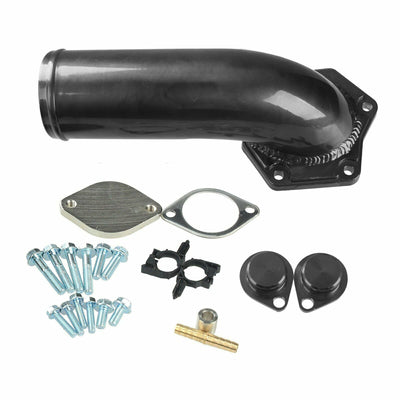
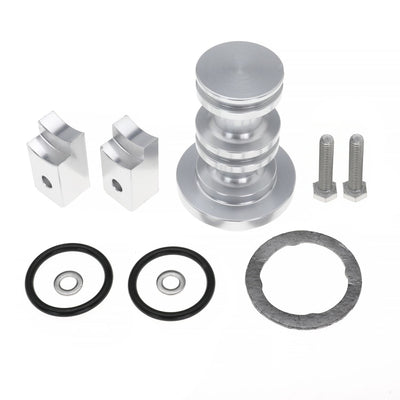
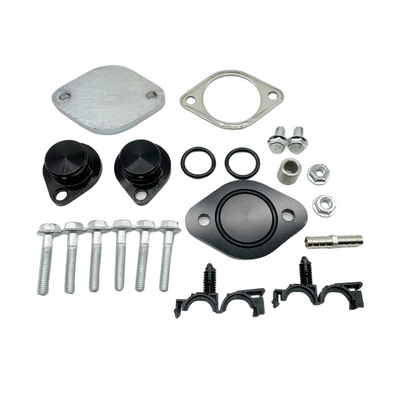
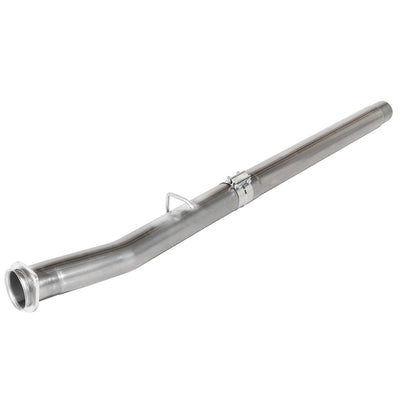
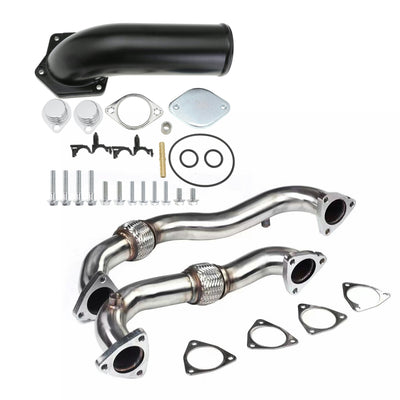
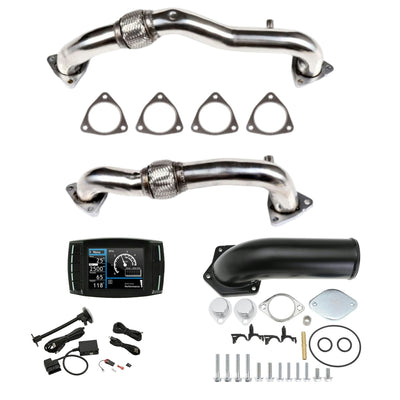
EGR Performance DPF/DEF/EGR/CCV Delete 2008-2010 6.4L Powerstroke All-in-One Kit
7% OFF New Customer Coupon Code: EGR7
Buy NowExcessive Backpressure
- Causes and Symptoms: High backpressure also stresses the turbo system and can trigger limp mode.
- Solution: This can be avoided by driving carefully or by cleaning the clog properly with professional DPF cleaning.
Impact on Fuel Economy and Engine Stress
- Causes and Symptoms: Excessive backpressure can cause poor fuel economy and more heat in the engine.
- Solution: Proper driving and ensuring complete regens is a way of preserving the DPF operation and avoiding the strain of the turbo and the exhaust system.
Top 4: 6.4 Powerstroke Turbocharger Issue
Twin turbos wear bearings ($2,000), vanes stick, over/under boost. Clean, upgrade.
The 6.4L has a twin-turbo block capable of providing quick power and high towing. This setup also adds complexity and more parts that can fail under heat and soot.

Turbo Bearing Wear
- Causes and Symptoms: Turbo bearing wear is when worn bearings make whining noises and allow oil to enter the intake. Loss of spool and poor acceleration are common signs.
- Solution: Turbo replacement or rebuild typically costs $1,500–$4,500, depending on parts and labor. Frequent oil changes and clean oil slow bearing wear.
Sticking Vanes
- Causes and Symptoms: Sticking vanes, and boost problems are also common. Variable vanes can build carbon and stick, causing erratic boost or overboost faults. Overboost or underboost harms performance and may damage engine parts.
- Solution: By cleaning turbos, you can reduce soot through the DPF and EGR. This, in turn, reduces chances of 6.4 turbo diesel turbo failures. Full turbo replacement cost can be expensive. But it becomes a necessity if the carbon buildup or bearing damage has gotten too much.
The alternative is cost reduction through the use of aftermarket turbos. Nevertheless, it may also have its own issues, and to do that, research is essential to identify the appropriate ones.
|
Issue
|
Symptom
|
Fix
|
|---|---|---|
|
Bearing Wear
|
Whine
|
$1,500
|
|
Vane Stick
|
Surge
|
$300
|
|
Boost Fault
|
Loss
|
$200
|
|
Replace
|
Total
|
$2,500
|
Top 5: 6.4 Powerstroke Cooling System Problem
The cooling system is vital for the engine. This is especially true for the 6.4 Powerstroke engine, as the truck is normally used for heavy lifting and complex emissions gear.
Radiator leaks ($800), degas cracks, oil cooler clogs. Upgrade aluminum.
Failure to properly maintain the cooling system may cause it to overheat and thus cause damage to most of the various parts of your engine.
Radiator Leaks (Common Failure)
- Causes: Radiators leak because radiators corrode or crack due to stress.
- Symptoms: Signs include visible coolant loss, overheating, or heater failure.
- Solution: Replacing a radiator costs $600–$1,000, depending on OEM or aftermarket parts and labor. Cooling system checks at service intervals find leaks early.
Degas Bottle Cracking
- Symptoms: The plastic degas bottle often cracks with heat cycles.
- Solution: It is cheap to replace but causes trouble if ignored. New $200.
Oil Cooler Clogging
- Causes:A clogged oil cooler mixes fluids or reduces cooling. That can cause oil contamination and higher engine temperatures, which worsen the 6.4 Ford diesel's reliability.
- Symptoms: Engines have numerous risks of overheating. Unless the cooling system is sufficient, the service life of your engine may be reduced, leading to increased troubles and trouble repair during the entire working period.
- Solution: Maintaining the coolant, hoses, and oil cooler minimizes the risk of catastrophic failure. Flush $400.
|
Problem
|
Sign
|
Cost
|
|---|---|---|
|
Radiator Leak
|
Puddle
|
$800
|
|
Degas Crack
|
Loss
|
$200
|
|
Oil Clog
|
Hot
|
$400
|
|
Overheat
|
Steam
|
Prevent
|
Top 6: 6.4 Powerstroke Engine Internal Problem
When oil is diluted with fuel and heat cycles repeat, internal wear can speed up. Internal damage is the most expensive outcome for 6.4 Powerstroke engine problems.
Head gaskets blow ($4,000), pressure drops, dilution wears, bottom end fails early.
Head Gasket Failure
- Causes and Symptoms: Signs include coolant in oil, white smoke, and loss of coolant with no visible leak.
- Solution: Repairing head gaskets is labor intensive and may cost $3,000–$7,000. Catching coolant loss early and pressure testing the system help prevent extensive damage.
Cylinder Pressure Issues and Bottom-end Wear
- Causes and Symptoms: Fuel contamination thins oil and reduces protection. Rod bearings and mains wear faster. Premature bottom-end failure leads to engine rebuilds or swaps.
- Solution: Preventing frequent regens and monitoring oil condition are key steps to protect the bottom end. Rebuild $10k.
Harmful Fuel Dilution From Regen Cycles:
- Causes and Symptoms: Repeated short regens push raw fuel past injectors into the oil. This causes low oil pressure and bearing damage.
- Solution: Addressing the cause of frequent regens is cheaper than a full rebuild. Change 5k.
Top 7: 6.4 Powerstroke Electrical & Sensor Problem
Modern diesels use many sensors and control modules. Faulty electrical parts make diagnosis harder and can produce wrong repairs if not tested properly.
ICP/IPR fail (no start, $200), throttle sticks, FICM voltage drops. Clean, replace OEM.

ICP, IPR issues
- Causes and Symptoms: The injection control pressure sensor (ICP) and injection pressure regulator (IPR) affect fuel delivery. If there are issues, the truck will not start properly. It is likely to be an issue related to ICP or IPR.
- Solution: Possible fixes include fixing the wiring, connectors, or sensors. If the problem is solved, that will save you much more money, as otherwise, entire parts might have to be replaced. Pigtail oil $150.
Throttle Body Problems
- Causes and Symptoms:Soot and carbon can jam the throttle body and throttle plate.
- Solution: Cleaning the parts restores smooth idle and throttle response. Clean $100.
FICM Failures
- Causes and Symptoms:The fuel injector control module (FICM) can have failing capacitors or a weak output. A bad FICM causes injector performance loss and misfire-like symptoms, and replacing it typically costs several hundred to over a thousand dollars. Sync $500.
- Solution: Proper diagnostics are crucial. Scanning codes and testing voltages reveal whether a sensor or wiring issue is the true culprit. Investing in the correct tests saves money and time.
|
Problem
|
Symptom
|
Fix
|
|---|---|---|
|
ICP/IPR
|
No start
|
$200
|
|
Throttle
|
Surge
|
$100
|
|
FICM
|
Voltage low
|
$500
|
Exposed connectors and corroded wiring harnesses are frequent culprits behind false engine codes and phantom electrical glitches. Protect your vehicle's harness using a high-quality tuner harness plug kit for 2008-2010 6.4L Powerstroke to ensure weather-tight connection security.
How to Prevent 6.4 Powerstroke Problems
Good maintenance is the best defense against problems with the 6.4 Powerstroke. A steady plan saves money and extends engine life. The focus should be on oil, fuel, cooling, and monitoring.
Oil 5k, coolant filter, upgraded radiator/degas, monitor EGTs. Deletes help off-road.
Best Maintenance Intervals
- Increase oil change frequency for short-run or heavy-tow use.
- Replace fuel filters regularly and use clean diesel.
- Check the oil for fuel dilution, and smell the oil if regens are frequent.
- Track coolant levels and watch for unexplained drops.
Upgraded Radiators/Degas Bottles and Coolant Filtration
Stronger parts resist cracking and heat. Upgraded radiators and metal degas bottles reduce common failures.
Coolant filtration and scheduled fluid changes cut corrosion and soot buildup. These upgrades help with Ford 6.4 diesel reliability.
Bulletproof Your 6.4L Powerstroke.
Stop letting factory emissions bottlenecks and thermal stress threaten your engine's survival. Our Performance Upgrades and Delete Kits from EGR Performance are engineered specifically for the 6.4L Powerstroke platform, providing heavy-duty exhaust flow, robust block-off hardware, and reliable cooling components built to handle extreme off-road and competition workloads.
Shop 6.4 Powerstroke Upgrades→Monitoring Tools
Add EGT gauges, coolant pressure gauges, and oil condition monitors. These tools warn before failure and allow early intervention.
Together with routine DPF and EGR cleaning, monitoring reduces the chance of major repairs.
|
Tip
|
Interval
|
Benefit
|
|---|---|---|
|
Oil
|
5k
|
No dilution
|
|
Filter
|
Yearly
|
Clean coolant
|
|
Upgrade
|
Once
|
No leaks
|
|
Gauges
|
Always
|
Spot issues
|
Is Deleting the 6.4 Powerstroke a Solution?
Deletes boost reliability, MPG +2, power +50 HP. Cons: Illegal road, fines $5k, void warranty.
Removing emissions gear is common in some circles, but it carries big trade-offs. Deleting a 6.4 Powerstroke might reduce some failures but brings legal and resale risks.
Pros and Cons
Deleting removes the DPF and EGR, which often cuts regen and soot issues. This can reduce repair frequency and simplify 6.4 Powerstroke maintenance.
However, deletion is illegal in many places and may void warranties. It also hurts resale value and can cause inspection failures.
Reliability and Legal Implications
A deleted truck may feel more reliable and use less fuel in some cases. Yet emissions rules and inspections can force reinstallations or fines.
For owners in regulated areas, legal tunes or approved solutions are more practical than full deletion. Weigh the long-term costs against short-term benefits.
|
Aspect
|
Pro
|
Con
|
|---|---|---|
|
Reliability
|
+100k miles
|
Tune risk
|
|
MPG
|
+2
|
Fines
|
|
Power
|
+50 HP
|
Illegal
|
|
Cost
|
Save $2k/year
|
$1,500 kit
|
Should You Buy a Used 6.4 Powerstroke?
Buy if upgraded, low miles <100k. Check service, no smoke. Avoid 2008. Expect 200k life.
A used 6.4 can be a solid choice when the service history is clear. Many trucks run well for years when cared for. The key is to inspect records and test the truck thoroughly.
Before making a purchase decision, it is essential to look at the bigger picture beyond just common repairs. Check out our detailed breakdown of 6.4 Powerstroke reliability to evaluate whether this truck fits your long-term driving needs and budget.
What to Check Before Buying
- Look for documented oil changes, injector or HPFP work, and EGR/DPF service.
- Test cold-start smoke and check for milky oil or coolant. A compression or leak-down test reveals cylinder condition.
- Also, inspect for signs of regular long runs versus city duty.
Mileage expectations and red flags are important to know if you are a potential buyer.
Mileage Expectations
200k with care. Mine 180k strong.
Red Flags
Red flags include frequent regen histories, unexplained oil changes, heavy smoke, and missing service receipts.
If these appear, expect immediate maintenance or walk away. It is always important to keep in mind that taking good care can always give better results than an engine that is not attended to.
Who Should and Shouldn't Buy One
Tow off-road yes. Daily no.
|
Check
|
Good
|
Red Flag
|
|---|---|---|
|
Miles
|
<150k
|
200k+
|
|
Smoke
|
None
|
White/black
|
|
Records
|
Full
|
None
|
|
Buyer
|
Upgrader
|
Newbie
|
Cost of 6.4 Powerstroke Ownership: What to Budget For
Annual $1,500-$2,500 maintenance. Repairs $500-$5,000. Longevity 150-250k miles.
With an engine like the 6.4 Powerstroke, some cases can cause the main costs to come after the initial investment.
If you are thinking of buying one, then it is a wise idea to set aside a budget for maintenance, monitoring, and occasional repairs.
Annual Maintenance Cost
The annual maintenance cost is higher than your average truck. Expect $1,500–$2,500 a year for routine service for typical use.
Heavy towing or city duty raises costs. Budget also for periodic DPF cleanings and EGR work every few years.
Common Repair Price Ranges
Common repair price ranges can vary according to the parts.
- Small sensors and wiring: $200–$1,000.
- HPFP or injector work can range between $1,500 and $4,000.
- Whereas turbo work is usually around $1,500–$4,500.
- Major engine rebuilds are expensive and cost at least $8,000, with prices normally going higher too.
Over a decade, these costs add up. Budgeting ahead and performing proactive maintenance reduces the chance of catastrophic bills.
Long-Term Reliability Expectations
150k stock, 250k upgraded.
|
Cost Type
|
Annual
|
Major Repair
|
|---|---|---|
|
Maintenance
|
$1,200
|
N/A
|
|
Fuel System
|
N/A
|
$3,000
|
|
Cooling
|
N/A
|
$1,000
|
|
Total Yearly
|
$1,500
|
+$2,000 avg
|
Is the 6.4 Powerstroke a Problematic Engine?
The 6.4 Powerstroke powers 2008-2010 Super Duty trucks. It makes 350 HP and 650 lb-ft. Strong but plagued by emissions, fuel, and cooling issues. Now, I explain more.
Overview of the 6.4L Powerstroke (2008–2010)
Ford built it with Navistar. Twin turbos, common rail injection. First with DPF for clean air. My truck towed great at first.
Reputation for Power & Issues
Power beats 6.0L. But DPF clogs, EGR cracks. Owners call it "bulletproof" after fixes. Mine hit 150k after upgrades.
Who This Guide Is For
Owners fix daily. Buyers check used. Mechanics know tricks. I was buyer once. Ignored signs. Paid later.
|
Aspect
|
Pro
|
Con
|
|---|---|---|
|
Power
|
350 HP
|
Emissions fail
|
|
Tow
|
12k lbs
|
Costly repairs
|
|
MPG
|
14–18
|
Dilution hurts
|
FAQs
Which year 6.4 Powerstroke should be avoided?
Look for trucks with no service records or signs of neglect. A well-documented 2008–2010 model is still a better buy than a low-mileage truck with no receipts.
Major red flags are frequent regen histories, heavy smoke, or milky oil.
Is the 6.4 Powerstroke a good engine?
The engine offers strong towing power and good torque. It does demand more maintenance than some diesels, and many of the 6.4 Powerstroke problems are linked to duty cycle and poor service.
Expect to pay more for care, but a maintained engine can run for many miles.
What are common warning signs to watch for?
Watch for white smoke on cold start, unexplained coolant loss, rough idle, and low boost. Check oil for fuel smell or dilution after active regens.
If any of these appear, get a proper diagnostic scan and pressure checks before problems grow.
How long will a 6.4 Powerstroke last?
Your 6.4 Powerstroke engine will have a longer or shorter lifetime, depending on the care taken. With proper care, many will go to 300,000 miles or more.
However, when appropriate measures are not taken to maintain it, there will be problems resulting in the engine breaking down. The regular change of oil, the care of DPF/EGR, and repairs increase life.
Does the 6.4 need upgrades or "bulletproofing"?
Targeted upgrades help. Stronger radiators, metal degas bottles, and improved oil cooling reduce common failures.
These steps lower the odds of big repairs and improve 6.4 Ford diesel engine reliability.
Conclusion
6.4 powerful but problematic. Fix emissions, maintain strict. Worth if you wrench. For those who want a reliable engine, the 6.4 Powerstroke is a good choice. However, before investing in it, one should know about its flaws.
Despite its good performance, its drawbacks can cost you more than your investment if you're not lucky.
If you own it, then its care is of the utmost importance. Take both small and big steps to ensure that your engine stays healthy. Proper maintenance can keep the engine running well for years, making it a worthwhile option.
For buyers, the best rule is proof of care. Any product that is taken care of will always outperform those that are neglected. Maintenance and some vital upgrades can make even the worst Powerstroke engine problems manageable.
To dive deeper into the technical specifications and structural breakdown of this motor, read our comprehensive 6.4 Powerstroke guide.
If you need 6.4 Powerstroke performance part upgrades, choose the EGR Performance brand for reliable, high-quality solutions.



)