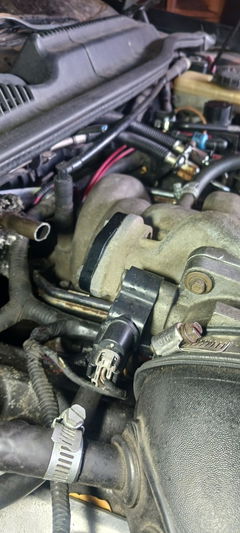
6.7 Cummins CCV Reroute
6.7 Cummins CCV Reroute & Delete Kits (2007.5-2022)
What These Kits Do
A 6.7 Cummins CCV reroute redirects crankcase blow-by vapor away from the turbo intake and vents it cleanly behind the engine, and a CCV filter delete replaces the factory breather filter assembly with a free-flowing setup.
This collection covers reroute kits for every 6.7 generation, 2007.5-2012, 2013-2018, and 2019-2022 Ram 2500 and 3500; CCV filter delete kits for 2013-2018 and 2019-2022 trucks; combo kits that pair the reroute and filter delete together; and a replacement crankcase filter element for owners keeping the stock system.
Components include diesel-rated reinforced hose, CNC billet aluminum fittings and adapters, stainless clamps, and complete gasket sets.
When Your 6.7 Cummins Needs a CCV Reroute or Delete
The factory CCV system feeds oily crankcase vapor back into the intake, and on the 6.7 Cummins the volume is significant: oil coats the turbo compressor wheel, packs the intercooler, and pools in the charge air cooler over time. As the CCV filter loads up, crankcase pressure builds and pushes oil past valve cover gaskets, the dipstick tube, and front and rear main seals.
A Cummins CCV reroute or CCV delete kit for 6.7 Cummins stops the oil ingestion at the source, keeps the intake tract dry, and stabilizes crankcase pressure on work trucks and tuned rigs alike.
The EGR Performance Standard
Max efficiency, restored horsepower, and prolonged engine life for your EGR, DPF, and CCV systems on Powerstroke, Duramax, Cummins engines, etc.
- Free Shipping: Fast & free delivery to get you back on the road sooner.
- 45-Day Returns: Shop risk-free with our generous 45-day return policy.
- 1-Year Warranty: Tested under extreme conditions. Guaranteed to perform.
- 24/7 Live Support: Real-time tech help from fitment to post-install tuning.
Compatibility
| Product | Engine | Vehicle Model | Year Range |
|---|---|---|---|
| CCV Reroute Kit | 6.7L Cummins | Dodge Ram 2500 3500 | 2007.5-2012 |
| CCV Reroute Kit | 6.7L Cummins | Ram 2500 3500 | 2013-2018 |
| CCV Reroute Kit | 6.7L Cummins | Ram 2500 3500 | 2019-2022 |
| CCV Filter Delete Kit | 6.7L Cummins | Ram 2500 3500 | 2013-2018 |
| CCV Filter Delete Kit | 6.7L Cummins | Ram 2500 3500 | 2019-2022 |
| CCV Filter Delete + Reroute Combo Kit | 6.7L Cummins | Ram 2500 3500 | 2013-2018 |
| CCV Filter Delete + Reroute Combo Kit | 6.7L Cummins | Ram 2500 3500 | 2019-2022 |
| Replacement Crankcase Filter Element | 6.7L Cummins | Ram 2500 3500 | 2013-2018 |
Shop Now →


EGR Performance: EGR, DPF, CCV & Diesel Tuning Solutions for Powerstroke, Cummins, and Duramax


Let customers speak for us

Have to say that I like the quality of the product and ease of installation. I’ve had it in for a little over a week now and I’ve driven several hundred miles with no issues whatsoever. Certainly worth it!

Works great. Exactly what I hoped it would be.

Decent quality, saw some cheaper options but this one did the job just fine. No more worrying about carbon build up!
Was easy to install, works a stated,more horsepower ,better gas mileage

This item solves a big problem perfectly. The quality of this item is 5 star for sure. Great seller as well.

Good product. Quick shipping. Would buy from again!

Extremely satisfied with this order. Will def use this company for future orders

I fit it and it made a lot of different in my car thank u

Plate looks good. The provided hardware are the wrong thread pitch however. Shipping took a long time was close to 3 weeks.
Really happy with item took 2 and a half weeks to get but worth the wait
Company is great, received the wrong item and correct item sent. No hassle
I'd love to review it but I haven't got it yet
part fit perfectly
EGR Delete for 1986-1995 Ford F150 F250 2.8L 4.9L 5.0L 5.8L 7.5L Bronco EGR Simulator Eliminator Delete
6.0L Powerstroke Diesel Complete EGR Bypass and Valve Delete Kit for 2003-2010 6.0L Ford Powerstroke F250 F350 F450 F550