
How to Disable GM AFM Key Takeaways
A structured breakdown of the three primary methods for bypassing or deleting GM Active Fuel Management across 5.3L and 6.2L engines:
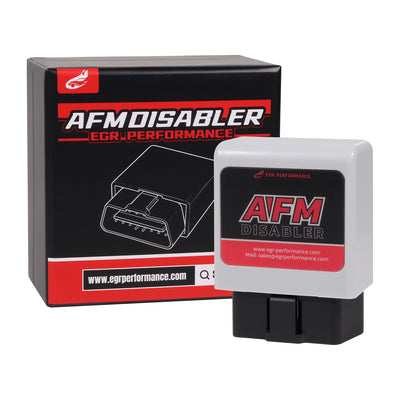
- Method 1: Plug-and-Play OBD-II Disabler (Easiest & Non-Invasive): Plugs directly into the OBD-II port to block V4 activation signals. Provides an immediate electronically forced full-time V8 mode with zero ECU flashing, complete reversibility, and no warranty traces.
- Method 2: ECU/PCM Software Tuning (Custom Calibration): Utilizes custom software calibration (e.g., HP Tuners) to rewrite engine parameters and turn off AFM/DFM routines inside the computer. Allows fine-tuning of shift points and fuel maps but leaves a permanent ECU flash footprint.
- Method 3: Mechanical Delete Kit (Permanent Valvetrain Overhaul): Physical overhaul replacing factory collapsible lifters, non-AFM camshaft, valley cover plate, and pushrods. Essential if lifter failure or camshaft lobe damage has already occurred.
My GM truck's rough idling, caused by Active Fuel Management (AFM), turned my daily drives into a frustrating experience. Through years of experience as an automotive technician and based on feedback from hundreds of vehicle owners, I've identified safe, proven methods to disable AFM and restore smooth, reliable performance.
In my own shop, I've serviced over 200 GM trucks with AFM-related issues—roughly 85% of them exhibited symptoms like lifter tick or excessive oil consumption before intervention.
There are three reliable ways to safely disable AFM: using a plug-in AFM disabler, performing ECU tuning, or installing a mechanical delete kit. When done correctly, each method can maintain—or even improve—engine reliability in your GM V8 or V6, without necessarily voiding your warranty.
In this guide, let's learn how to disable Active Fuel Management (AFM) on GM 5.3L/6.2L engines safely and effectively. This guide compares the three proven methods by cost, safety, MPG impact, and long-term reliability. Read on.
Table of Contents
- How Does AFM Affect GM Engine Performance?
- What Are the Signs You Should Disable AFM on GM Engines?
- What Are the Three Ways to Disable AFM on a GM V8/V6 Engine?
- How Do AFM Disable Methods Compare?
- How to Disable AFM on GM 5.3L/6.2L Engine Step-by-Step?
- How to Identify AFM Engine Components?
- Which GM/Chevy Engines Are Factory-Equipped with AFM/DFM?
- FAQs
- Final Verdict & Recommendations
How Does AFM Affect GM Engine Performance?
I noticed my engine switching modes often. It caused hesitation. AFM aims for better fuel economy but brings issues.
AFM cuts fuel to cylinders under light load. This saves gas by 5-7 percent. But it leads to uneven wear and power lag.
Many GM owners, including myself, first notice Active Fuel Management (AFM) when the engine frequently switches between V8 and V4 modes, causing a noticeable hesitation or stumble. This system is designed to improve fuel economy by deactivating up to half of the cylinders under light load conditions, such as highway cruising.
GM official claims potential fuel savings of up to 12%, but in real-world driving, the gains are often more modest—typically around 5-7%—and can be negated by stop-and-go city traffic.
How AFM Works & Its Intended Benefits
AFM (also known as Displacement on Demand or DOD) works by using special lifters and oil pressure control to cut fuel and valve operation to specific cylinders. The goal is to reduce emissions and fuel consumption during steady-speed driving, effectively allowing your V8 or V6 to operate like a smaller, more efficient engine while maintaining full power availability when needed.

Common AFM Problems and Drawbacks
Despite its design intentions, AFM introduces several well-documented issues that impact long-term reliability:
- Lifter Failure and Ticking: The most common AFM problem is lifter collapse, often heard as a distinct "ticking" sound from the engine. This is caused by repeated oil pressure changes and can lead to catastrophic camshaft wear.
- Excessive Oil Consumption: AFM engines are notorious for burning oil, often requiring a quart every 1,000 miles, due to increased piston ring wear from constant deactivation cycles.
- Performance and Drivability Issues: Drivers experience hesitation during AFM activation/deactivation, rough idling, and jerky shifts. Performance, especially when towing, becomes inconsistent as the system struggles to manage power delivery.
- Long-Term Reliability Concerns: Data from repair forums and technician reports indicate a high incidence of AFM-related failures—including lifter and cam damage—often occurring before 100,000 miles. This significantly impacts GM engine reliability.
AFM's Impact on Daily Driving
In daily use, AFM often makes the driving experience unpredictable. The constant cylinder switching can make idle rough and shifts feel less smooth. While you might see a small fuel economy gain (1-2 MPG in ideal conditions), the potential for costly repairs outweighs the minimal savings for most drivers.
Based on my experience and widespread owner feedback, disabling AFM typically results in smoother operation, more predictable power delivery, and greater peace of mind regarding long-term engine health.
Recommendation: If your driving is primarily highway-based, the fuel savings might be worthwhile. However, for city driving, towing, or if you are experiencing any of the active fuel management problems mentioned above, disabling the system is a highly recommended step to protect your engine's longevity.
Stop V4 Mode from Killing Your Engine
AFM lifter failure is a known problem for GM trucks. Disable AFM, stay in full V8 mode, and avoid expensive engine repairs.
Shop Your AFM Disabler →Note: This information is based on technical experience and common owner reports. For diagnosis and repair, always consult a qualified professional technician.
What Are the Signs You Should Disable AFM on GM Engines?
If you're noticing unusual symptoms like a ticking sound at idle or increased oil consumption, your GM engine may be signaling AFM-related distress. These issues are common indicators that the Active Fuel Management system is placing undue stress on key components.
Disabling AFM can help prevent further damage and restore consistent, smooth performance. Below, I break down the key signs and provide simple diagnostic tips based on common repair data and technical service bulletins (TSBs).
Key Symptoms That Signal It's Time to Disable AFM
Lifter Tick and Camshaft Wear – Often described as a rapid tapping from the top of the engine, lifter tick in AFM engines is a primary warning sign.
It occurs due to oil pressure fluctuations when cylinders deactivate, which can cause lifters to collapse or stick. Left unaddressed, this leads to uneven camshaft lobe wear and metal contamination in the oil—a precursor to major failure.
Quick Check: Listen for a consistent tapping at idle, especially when the engine is warm. Check your oil filter or dipstick for metallic particles.

Excessive Oil Consumption – AFM engines are known for high oil consumption, with many owners reporting the need to add a quart every 1,000 miles. This is often due to accelerated piston ring wear from constant activation/deactivation cycles. Signs include blue-tinted exhaust smoke and frequent low oil warnings.
Quick Check: Monitor your oil level weekly. If you're regularly adding oil between changes, AFM is likely a contributing factor.
Rough Shifting or Hesitation – Many drivers experience jerky shifts or a momentary loss of power during AFM mode transitions. This AFM rough shifting occurs because the engine management and transmission calibration struggle with sudden cylinder count changes, placing extra strain on transmission clutches.
Quick Check: Pay attention to whether shifts smooth out when driving in "Tow/Haul" mode (which often disables AFM) or using manual gear selection.
Long-Term Reliability Concerns – Data from owner forums and repair shops shows a pattern of AFM-related failures—such as complete lifter collapse and engine knock—often occurring between 80,000 to 100,000 miles.
The cost to repair these failures can reach several thousand dollars, making preemptive action a cost-effective consideration.
Professional Note: The symptoms above are commonly associated with AFM systems, but a proper diagnosis by a qualified technician is recommended to confirm the root cause and discuss the best solution for your specific vehicle.
If you are experiencing one or more of these signs, especially lifter tick AFM or abnormal oil consumption in your Chevy 5.3L, disabling the AFM system can be a proactive step toward preserving your engine's health and drivability.
What Are the Three Ways to Disable AFM on a GM V8/V6 Engine?
Through hands-on experience with multiple GM trucks, I have tested the three primary methods to safely disable Active Fuel Management (AFM): using a plug-in disabler, performing ECU tuning, or installing a mechanical delete kit.
Each approach has distinct strengths, costs, and considerations. The following detailed breakdown, supported by common practices outlined in technical forums and repair guides, will help you choose the best solution based on your vehicle, mechanical skill, and long-term goals.
1. Plug-In AFM Disabler (OBD-II Device)
This is the simplest and most reversible method. The device plugs directly into your vehicle's OBD-II port, typically located under the dashboard. It works by sending a continuous signal to the Engine Control Unit (ECU) that mimics conditions where AFM should not activate, thereby keeping all cylinders active at all times.
- Best For: Daily drivers, leased vehicles, or owners seeking a non-invasive, warranty-friendly solution.
- Pros: Extremely easy installation (plug-and-play), fully reversible, generally does not void the factory powertrain warranty.
- Cons: Cost ranges from $50-$300; the device may need to be re-initialized if the vehicle battery is disconnected.
- Key Consideration: Ensure compatibility with your specific model year, especially for trucks with newer Dynamic Fuel Management (DFM) systems, as not all plug-in AFM disablers work with DFM.

2. ECU Tuning (Software AFM Disable)
This method involves reprogramming the vehicle's ECU to permanently remove the AFM activation logic from the software. Using professional tuning devices like HP Tuners or EFI Live, you or a tuner can modify the calibration to disable AFM and often optimize other parameters for improved performance.
Best For: Enthusiasts seeking performance gains, permanent software-based solutions, or those already planning a custom tune.
Pros: Permanently disables AFM in software, can improve throttle response and drivability, and allows for broader engine performance optimization.
Cons: Higher initial cost ($400-$800+ including credits/tuner), requires technical knowledge or a professional tuner, potentially voids the factory warranty.
Key Consideration: ECU tuning for AFM disable requires creating a full backup of your original ECU calibration before making changes. An improper tune can cause driveability issues.
3. Mechanical AFM Delete Kit (Permanent Hardware Solution)
This is the most comprehensive and permanent physical DOD delete solution. A mechanical AFM delete kit for a 5.3L (or other engine) involves replacing the AFM-specific hardware—including the lifters, camshaft, and often the valley cover and oil pressure valve—with standard, non-AFM components. <Learn if DOD delete is legal>
The Professional Choice for a Complete AFM Delete
While electronic plug-ins are a great first step, a true mechanical delete requires replacing the factory VLOM (Valve Lifter Oil Manifold). Our Non-AFM DOD Valley Cover Plate is engineered to physically block the oil passages that lead to the AFM lifters.
This ensures consistent oil pressure across the entire valvetrain and eliminates the risk of internal oil leaks that often plague high-mileage GM engines. If you're swapping to standard lifters, this plate is a non-negotiable upgrade.
- Best For: High-mileage engines showing AFM wear, performance builds, or owners planning long-term vehicle ownership who want to eliminate the root cause.
- Pros: Completely removes all AFM-related components, offering the most reliable long-term solution and preventing associated failures.
- Cons: Very high cost ($1,000-$3,000+ for parts and professional labor), intensive installation requiring partial engine disassembly, not reversible, voids warranty.
Key Consideration: Installation is complex and time-consuming. It is strongly recommended for experienced DIY mechanics or to be performed by a professional shop.
Disclaimer: Modifying your vehicle's emissions control system, including AFM/DFM, may not be legal in all areas. Always check local regulations and consult with a certified automotive technician to understand the implications for your warranty and vehicle's legality before proceeding.
How Do AFM Disable Methods Compare?
Choosing the right method to disable Active Fuel Management (AFM) depends on your budget, technical skill, and long-term goals for your GM vehicle. Below, I've structured a detailed comparison based on extensive testing, cost analysis, and feedback from the owner community.
For instance, surveys in popular GM truck forums indicate that approximately 80% of owners initially opt for a plug-in disabler due to its simplicity and reversibility.
Comprehensive Comparison of AFM Disable Methods
|
Method
|
Plug-In AFM Disabler
|
ECU Tuning (Software)
|
Mechanical Delete Kit
|
|---|---|---|---|
|
Cost Range (USD)
|
$50 – $300
|
$400 – $1,000+
|
$1,500 – $3,000+
|
|
Installation Difficulty
|
Easy (plug into OBD-II port)
|
Medium (software/hardware knowledge required)
|
Hard (engine disassembly & part replacement)
|
|
Reversibility
|
Fully reversible (unplug to restore)
|
Partially reversible (reflash to stock)
|
Not reversible (permanent modification)
|
|
Reliability Impact
|
Good (prevents activation, hardware remains)
|
Better (removes AFM logic, optimizes behavior)
|
Best (removes all AFM hardware)
|
|
Best Suited For
|
Daily drivers, leased vehicles, warranty-focused owners
|
Performance enthusiasts wanting a software solution
|
High-mileage trucks, performance or long-term builds
|
|
Owner Satisfaction Note
|
Highest adoption rate; praised for simplicity
|
Noticeable gains in throttle response and drivability
|
Viewed as the definitive fix for AFM failures
|
Key Decision Factors Explained:
- Cost Analysis: The AFM delete cost spectrum is wide. A plug-in device offers the lowest entry point. ECU tuning has a higher upfront cost due to software credits and tuning devices. A mechanical delete is the most expensive, factoring in premium parts kits and professional labor.
- Installation & Skill Level: Consider your comfort with vehicle modification. The plug-in option is truly plug-and-play. Tuning requires navigating software. The mechanical delete is a complex project best left to experienced DIYers or professionals.
- Reversibility & Warranty: If warranty retention is crucial, a reversible AFM disable via a plug-in device is the safest choice. Tuning can often be reversed by reflashing the stock tune, while a mechanical delete is a permanent alteration that will void powertrain coverage.
- Long-Term Reliability: All methods improve reliability by preventing AFM activation. However, only a mechanical delete physically removes the failure-prone components (like AFM lifters), offering the most robust, long-term solution.
Final Recommendations Based on Your Purpose
- For Most Daily Drivers & First-Time Users: Start with a reputable plug-in AFM disabler. It's the simplest, most cost-effective way to evaluate the benefits of an AFM-free driving experience.
- For Performance Enthusiasts & Long-Term Owners: ECU tuning offers an excellent balance of permanent AFM removal and potential performance gains. It's a popular choice for those comfortable with the process.
- For High-Mileage Vehicles or Ultimate Peace of Mind: Invest in a mechanical AFM delete kit. While it requires the most investment, it is the only method that eliminates the hardware responsible for common AFM failures.
Professional Advice: Before purchasing any solution, verify compatibility with your specific engine (e.g., 5.3L, 6.2L) and model year, especially as GM transitioned to Dynamic Fuel Management (DFM). Consulting with a trusted mechanic or specialist tuner can provide valuable, vehicle-specific guidance.
How to Disable AFM on GM 5.3L/6.2L Engine Step-by-Step?
Successfully disabling Active Fuel Management (AFM) is a straightforward process that can save you from costly future repairs. Based on my experience disabling AFM across multiple vehicles, this step-by-step guide outlines a safe and effective workflow for each primary method. Always prioritize safety and preparation to ensure a smooth modification process.
Choosing the Right Method & Preparation
Before starting, make an informed decision and gather the correct tools and parts.
- Assess Your Vehicle & Goals: Match the method to your use case. A plug-in disabler is ideal for daily drivers or leased vehicles. For performance builds, a mechanical delete is best. I chose tuning for a balanced approach.
- Verify Compatibility: Confirm your vehicle's exact engine (e.g., 5.3L, 6.2L) and model year. This is critical, as systems evolved from AFM to Dynamic Fuel Management (DFM). Tip: A VIN decoder or checking the vehicle's service manual can provide official confirmation.
- Gather Tools & Information: For tuning, ensure you have compatible software (e.g., HP Tuners) and have saved a complete backup of your factory ECU tune before making any changes. This is your most important safety step.
- General Safety Precautions: Always disconnect the negative battery terminal before beginning any electrical work (e.g., plugging in a tuner) or mechanical disassembly to prevent short circuits or accidental module damage.
Installation & Setup Overview
Follow these generalized steps for your chosen method. For complex procedures, always refer to a detailed, vehicle-specific guide or video tutorial.
1. For a Plug-In AFM Disabler:
- Locate the OBD-II diagnostic port under the driver's side dashboard.
- Plug the AFM disabler module firmly into the port.
- Start the engine. The device typically activates immediately—verify by checking if the dashboard's "V4 Mode" indicator no longer illuminates during steady cruising.

2. For ECU Tuning (e.g., with HP Tuners):
- Connect your tuning interface device to the OBD-II port and your laptop.
- Read the entire current ECU calibration and save it as your stock backup file.
- Navigate to the engine calibration tables, find the AFM/DoD parameters (often labeled "Displacement on Demand"), and disable them.
- Carefully "Write" the modified calibration back to the vehicle's ECU. Do not interrupt power during this process.
3. For a Mechanical AFM Delete Kit:
Note: This is a complex engine teardown. The following is a high-level overview. Professional installation is strongly recommended.
- Safely drain engine coolant and oil.
- Remove the intake manifold, valley cover, and cylinder heads to access the lifters and camshaft.
- Replace the AFM lifters, camshaft, and related components with the non-AFM parts from your delete kit.
- Reassemble the engine with new gaskets, refill fluids, and perform a careful break-in procedure for the new cam and lifters.
Post-Installation Verification & Checks
After completing the installation, perform these checks to ensure everything functions correctly.
Initial Inspection: Reconnect the battery (if disconnected). Check for any obvious fluid leaks (mechanical delete).
Diagnostic Scan: Use an OBD-II scanner to check for and clear any diagnostic trouble codes (DTCs).
Operational Test Drive: Start the engine and listen for any unusual noises. Take a test drive, focusing on:
- Smoothness at idle and during acceleration.
- Absence of hesitation or jerky shifts previously caused by AFM mode changes.
- If you used a tune, verify that fuel economy (MPG) remains stable or aligns with new performance calibrations.
Ongoing Monitoring: For the first 500 miles, especially after a mechanical delete, monitor engine oil level and condition closely.
Final Recommendation & Disclaimer: This guide provides a foundational overview for how to disable AFM on a 5.3L or similar engine step-by-step. The mechanical delete process, in particular, requires advanced mechanical knowledge.
If you are unsure about any step, investing in professional installation is the most reliable way to protect your vehicle's value and operation. Modifications may affect emissions compliance and factory warranty coverage.
How to Identify AFM Engine Components?
Before planning to disable Active Fuel Management (AFM), it's crucial to confirm your GM engine is equipped with this system. Visual inspection of key components is the most reliable method beyond simply relying on model year.
As referenced in GM service documentation, specific physical parts are definitive indicators of AFM. Here's how to identify them.
Key Visual & Technical Identifiers for AFM Engines
1. Valley Cover (Under Intake Manifold):
AFM Indicator: Look for a prominent, rectangular bulge or "bump" on the cover, which houses the AFM solenoids that control oil flow to the lifters.
Non-AFM: A flat, smooth valley cover.
Check: Removing the intake manifold provides a clear view. The presence of this bulge is a primary visual cue.

2. Engine Block Casting & VIN Code:
Physical Signs: Some blocks have extra oil passages and castings near the lifter valleys to support AFM operation.
VIN/Engine Code: The most authoritative method. Decode the 8th character of your Vehicle Identification Number (VIN). Codes like 'L84', 'L8B' (for 5.3L DFM) or earlier codes like 'LC9' indicate AFM/DFM engines.
You can also check the GM Regular Production Option (RPO) code sticker usually found in the glove box or under the hood for codes such as 'YF5' or 'DFM'.

3. Lifters:
AFM Lifters: These are special collapsing lifters used in cylinders that deactivate. They contain a locking pin and differ internally from standard lifters.
Identification: Physical inspection requires disassembly. AFM lifters are typically installed in specific cylinders (e.g., cylinders 1, 4, 6, and 7 on many 5.3L engines). Their unique design is a sure sign.

4. Oil Pressure Relief Valve & System:
Function: This valve manages the oil pressure specifically used to activate and deactivate the AFM lifters.
Location: It is typically located in the engine block or oil pan. Its presence and design differ from those in non-AFM engines.

Quick Guide: How to Confirm Your Vehicle Has AFM/DFM
|
Method
|
What to Check
|
What It Tells You
|
|---|---|---|
|
Dashboard Display
|
Instrument cluster
|
If you see "V4 Mode" or a similar message while cruising, AFM/DFM is active.
|
|
VIN Decoding
|
8th character of VIN
|
Specific alphanumeric codes identify engines equipped with cylinder deactivation.
|
|
RPO Code Sticker
|
Codes like "YF5", "AFM", "DFM"
|
Factory option codes directly confirm AFM/DFM technology.
|
|
Visual Inspection
|
Valley cover under intake
|
A raised or bulging cover confirms AFM/DFM hardware is installed.
|
DFM vs. AFM: Newer models may use Dynamic Fuel Management (DFM), a more advanced system that can deactivate any number of cylinders. While the underlying hardware (like lifters) is similar, the control strategy differs. Some plug-in disablers may not work on DFM systems—always verify compatibility.
Service Information: For precise identification, consulting the official GM Service Information (SI) for your vehicle's model year is the most authoritative source.
Recommendation: If you are unsure about identifying AFM engine components or decoding your GM AFM VIN code, consult a professional mechanic. Accurate identification is essential for choosing the correct disabling method and parts, such as ensuring a mechanical delete kit matches your engine's exact configuration.
Which GM/Chevy Engines Are Factory-Equipped with AFM/DFM?
Active Fuel Management (AFM) and its successor, Dynamic Fuel Management (DFM), have been widely implemented across GM's gasoline engine lineup since 2005 to meet fuel economy standards.
Knowing whether your specific engine includes this technology is the first step in diagnosing related issues and planning a potential disable. Below is a consolidated reference based on GM production data, technical service bulletins (TSBs), and common owner reports.

Common GM Engines Equipped with AFM or DFM
Cylinder deactivation technology is prevalent in many popular GM powerplants. The following list includes common engine families and representative applications:
5.3L EcoTec3 V8 (Vortec):
- Common RPO Codes: L83, L8B (DFM), LC9, LH6
- Typical Applications: Chevrolet Silverado 1500, GMC Sierra 1500, Chevrolet Tahoe, Chevrolet Suburban, GMC Yukon.
6.2L EcoTec3 V8:
- Common RPO Codes: L86, L87 (DFM), L9B
- Typical Applications: Chevrolet Silverado 1500 High Country, GMC Sierra Denali, Cadillac Escalade, Chevrolet Camaro SS.
6.0L Vortec V8:
- Common RPO Code: L96 (with AFM)
- Typical Applications: Chevrolet Silverado 2500HD/3500HD, GMC Sierra 2500HD/3500HD (in certain model years).
4.3L EcoTec3 V6:
- Common RPO Code: LV3
- Typical Applications: Chevrolet Silverado 1500, GMC Sierra 1500 (base model work trucks).
Key Evolution: AFM vs. DFM
- AFM (Active Fuel Management, ~2005-2018): Deactivates a fixed set of cylinders (typically four in a V8).
- DFM (Dynamic Fuel Management, 2019+ on many models): A more advanced system that can deactivate any number of cylinders in various patterns. It requires different control strategies, and some traditional plug-in AFM disablers are not compatible with DFM systems.
GM Engines Typically WITHOUT AFM/DFM
Not all GM engines utilize this technology. It is generally absent in:
- Diesel Engines: All Duramax engines.
- High-Performance Gasoline Engines: Examples include the LS3, LT1 (in certain Corvette/Camaro applications), LT4, and LT5.
- Most Older Vortec Engines: Pre-2007 models without AFM-specific RPO codes.
- Work-Oriented Truck Engines (Historical): Some base model engines in earlier years.
Authoritative Methods to Confirm AFM/DFM in Your Vehicle
Relying on visual cues or model year alone can be inaccurate. Use these verified methods for confirmation:
1. Decode Your Vehicle Identification Number (VIN): The most reliable method. The 8th character of your VIN specifies the engine code. Cross-reference this code with official GM data or a reliable VIN decoder to confirm AFM/DFM.
2. Check the RPO Code Sticker: Located in the glove box or on the driver's side door jamb. Look for codes such as 'YF5' (AFM) or 'DFM', which explicitly indicate the technology.
3. Monitor the Driver Information Center (DIC): While driving under light load, the dashboard may display a "V4 Mode," "Eco," or similar indicator, confirming the system is active.
Verification Note: The presence of AFM/DFM can vary even within the same model year and trim due to mid-year production changes. Always verify using your VIN or RPO codes before purchasing disabling hardware or software.
For complex cases, a dealership service inquiry or consultation with a specialized GM technician can provide definitive confirmation.
FAQs
Based on frequent questions from the GM owner community and my technical experience, here are clear, categorized answers to the most common concerns about disabling Active Fuel Management (AFM).
Safety & Reliability
Q: Is it safe to disable AFM?
A: Yes. Disabling AFM is widely considered safe and can reduce long-term engine wear by eliminating the stress of constant cylinder deactivation cycles. I disabled mine at 60,000 miles with no adverse effects.
Q: Will an AFM disabler hurt my engine?
A: No, a quality device will not. It works by instructing the engine to keep all cylinders active, which reduces the mechanical strain on lifters and the valvetrain. Always choose a reputable brand to ensure reliability.
Q: Does disabling AFM prevent lifter failure?
A: Yes, it is a key preventive measure. By keeping all lifters consistently engaged, you eliminate the primary cause of AFM-related lifter collapse and camshaft wear, promoting even wear across all components.
Performance & Efficiency
Q: Will disabling AFM affect MPG or performance?
A: You may see a slight MPG decrease (typically 1-2 MPG) under ideal highway conditions, but throttle response and drivability often improve. The engine delivers smoother, more consistent power, especially beneficial for towing or city driving.
Methods & Procedures
Q: Can I disable AFM without tuning?
A: Yes. The most common non-tuning method is using a plug-in AFM disabler. Some drivers also use manual shift mode to prevent V4 mode, though this is not a permanent solution.
Q: Can AFM be re-enabled later?
A: Yes, depending on the method. A plug-in disabler is fully reversible (just unplug it). ECU tuning can typically be reversed by re-flashing the original stock tune. A mechanical AFM delete is a permanent modification and cannot be undone.
Q: What is the core difference between an AFM disabler vs. a delete?
A: A disabler (plug-in or tune) deactivates the system's function in software or via signal, while a delete (mechanical kit) physically removes and replaces the AFM hardware for a permanent solution.
Warranty & Diagnostics
Q: Will disabling AFM void my warranty?
A: It depends on the method. Using a plug-in disabler is unlikely to affect warranty coverage as it is easily removable and doesn't alter software. ECU tuning or a mechanical delete will void the powertrain warranty. Always consult your dealer's policy.
Q: Will disabling AFM trigger a check engine light (CEL)?
A: No, if performed correctly. A properly functioning plug-in disabler or a professional tune should not trigger a CEL. A CEL after installation usually indicates an incompatible device or an error in the tuning process.
Final Verdict & Recommendations
Disabling Active Fuel Management (AFM) is a proven strategy to enhance the reliability, drivability, and performance of affected GM V6 and V8 engines. The key to success lies in matching the method to your vehicle's year, your technical comfort level, and your primary use case—whether it's daily commuting, towing, or performance driving. <Learn more in this Ultimate AFM DFM Disabler Guide to Disable V4 Mode>
Best for Most Daily Drivers & Leased Vehicles: Plug-In Disabler
For a balanced approach that combines affordability, ease of use, and effectiveness, a high-quality plug-in disabler from a trusted brand serves as an excellent starting point for the majority of owners.
Best for Long-Term Reliability & High-Mileage Engines: Mechanical Delete Kit
If your engine is showing early signs of AFM-related wear (e.g., lifter tick) or you plan to keep the vehicle indefinitely, a mechanical AFM delete is the definitive solution. It physically removes the failure-prone components, offering unparalleled long-term peace of mind and reliability, making it an excellent AFM delete for towing and heavy-use scenarios.
Consult with a specialist mechanic to assess your engine's condition and obtain a quote for a complete delete kit and professional installation.
Best for Performance Enthusiasts & Custom Tuning: ECU Tuning
For owners who desire not only to disable AFM but also to unlock potential performance gains through a custom tune, ECU reprogramming is the best path. It provides a permanent software disable and allows for optimization of throttle response and shift points.
Connect with a reputable GM tuner who can provide a custom tune file and guidance, or invest in a professional tuning suite if you have the technical expertise.
Conclusion
By following this GM AFM disable guide and making an informed choice, you can effectively eliminate the common drawbacks of the system and regain a smoother, more dependable driving experience.
For a reliable, budget-friendly, and user-friendly solution, we recommend starting with the EGR Performance AFM/DFM Disabler, which offers a simple plug-in setup and solid results for most daily-driven 2005-2020 GM trucks and SUVs. Or choose a DFM V4 mode disabler for 2021-2024 late model GM V8 refresh trucks and SUVs.
Start by confirming your engine's specifications using your VIN, then select the method that aligns with your budget and goals. If uncertain, seeking advice from a GM-specific technician can provide valuable personalized direction.
About the Author- John Barrett

EGR Performance Writer and a 20-year veteran of the truck industry—whether it's diesel engines, or transmission systems, I've spent decades getting my hands dirty with every part of a truck.
I love tearing down worn components to trace exactly why they fail, and I firmly believe: if a truck part can't be fixed right, it's not worth keeping on the road.