






6.4 Powerstroke Maintenance Guide Key Takeaways
Maintaining a modified or tuned 6.4L Powerstroke requires strict adherence to a severe-service schedule to prevent catastrophic engine failure:
- Strict Service Intervals: Change oil and filter every 3,000–5,000 miles (to combat severe fuel dilution), swap fuel filters every 10,000 miles, and drain the fuel-water separator monthly.
- Cooling & Vital Monitoring: Install digital gauges to monitor EGTs (keep below 1,200°F) and boost levels (<40 psi); execute regular coolant flushes to prevent oil cooler clogs and head gasket failure.
- Proactive Upgrades: For high-horsepower tunes (>500 hp), install ARP head studs to handle extreme cylinder pressures or other 6.4 Powerstroke upgrade and practice post-run turbo cool-down idles (3–5 minutes).
Keeping a modified 6.4 Powerstroke maintenance engine in good shape takes more than basic upkeep. Changes like tuning, removing parts, or adding bigger turbos put more strain on your engine. This leads to more heat, fuel mixing, and wear. We know the pain of breakdowns, but simple steps can save you thousands.
For a modified 6.4 Powerstroke, stick to severe service schedules: oil changes every 5,000 miles, fuel filters every 10,000 miles, and regular checks on coolant and turbos to prevent costly issues like piston cracks or fuel dilution.
This guide tells you all you need to know to keep your Ford diesel running well after changes. You'll find out the best modified F250 F350 diesel maintenance schedule, how to change oil and fuel, check turbos, and stop big breakdowns.
We share stories from our shop where simple checks saved engines. If you follow these tips, you can protect what you've spent, make your engine last longer with 6.4 Powerstroke performance parts, and enjoy driving without worries.
Table of Contents
- Why Maintenance Is More Important on a Modified 6.4 Powerstroke
- Recommended Maintenance Schedule for a Modified 6.4 Powerstroke
- Best Oil and Filter Service Tips for a Modified 6.4 Powerstroke
- How to Care for the Fuel System on a High-Power Ford 6.4L
- How to Manage EGR, DPF, and Emissions Stress on a 6.4 Powerstroke?
- How to Protect the Cooling System and Oil Cooler on a 6.4 Powerstroke?
- What Are the Best Turbocharger Care Tips for Tuned 6.4 Powerstrokes?
- Essential Gauges You Should Monitor on a Tuned 6.4 Powerstroke
- Common 6.4 Powerstroke Failures and How Maintenance Helps
- FAQs
- Final Conclusion
Why Maintenance Is More Important on a Modified 6.4 Powerstroke
Modifications such as tuning, deletions, and larger turbochargers place additional strain on the engine during 6.4 Powerstroke maintenance. These modifications also raise cylinder pressure and EGT, which increases the risk of fuel dilution, overheating, and excessive wear.
The 6.4L diesel engine is sometimes called a "throwaway" engine because it lacks a block sleeve. So, it requires diligent maintenance to prevent costly repairs, which can reach up to $15,000 each.
Maintenance matters more because mods like tuning increase cylinder pressure and EGTs, risking piston cracks and fuel dilution. Proactive steps protect your upgrades and avoid $15,000 replacements.
The major dangers associated with a modified engine include:
- Higher-than-normal cylinder pressures as a result of performance tuning
- Higher EGTs, particularly under loads or when pulling something
- Fuel dilution, which acts to thin the engine oil and create more stress on the bearings
- The costs associated with protecting turbochargers and fuel systems that have been upgraded
Effects of Increased Cylinder Pressure
Higher pressure from tuning stresses the non-sleeved block. It can crack pistons or blow head gaskets. We saw this in a truck we fixed after heavy towing on a tune.
To fight it, change oil often to keep lubrication strong. Use gauges to watch boost levels. Keep them under 40 psi for safety. Add head studs if you push power over 500 hp. These hold the heads tight under load. Our shop fits them on many builds to add strength.

Risks from Higher EGTs
Bigger turbos and deletes raise exhaust gas temps. This cooks turbos and up-pipes. Without cool-down idles, oil cokes in bearings. We tell owners to idle 3-5 minutes after hard runs.
Fit EGT gauges to stay below 1,200°F. If temps climb, back off the throttle. Clean intercoolers yearly to help airflow. In our work, this cuts turbo failures by half.
Fuel Dilution and Its Dangers
Tunes can leak fuel into oil, thinning it out. This wears bearings and injectors fast.
Check dipsticks for rising levels. We sample oil every change to spot it early. Use additives like Opti-Lube to boost lubricity. Stick to 5,000-mile changes on modified trucks. This keeps oil thick and parts safe.
By following Ford F350 diesel maintenance schedules and Ford F350 service intervals, you change oil, fuel filters, and coolant at the same time. Regular inspections help preserve valuable upgrades and reduce the chances of catastrophic engine failure.
Protecting Your Upgrades
Expensive parts like injectors need clean fuel. Dirty filters kill them quickly. We drain water separators monthly. This stops rust in the system.
Flush coolant every 50,000 miles to avoid clogs. Our approach keeps mods working longer.
Risk Factor |
Symptoms |
Prevention Steps |
|---|---|---|
Cylinder Pressure |
Knocking sounds |
Install head studs |
High EGTs |
Turbo lag |
Monitor with gauges |
Fuel Dilution |
Milky oil |
Frequent oil analysis |
A tight 6.4 Powerstroke maintenance routine is the single best way to keep your engine running strong and make 6.4 Powerstroke reliable for years.
Check out our comprehensive 6.4 powerstroke full guide to learn how the twin-turbo system, fuel injection, and internal components function under increased strain.
Recommended Maintenance Schedule for a Modified 6.4 Powerstroke
For your truck's tuned or modified engine to run properly, you must adhere to a strict 6.4 Powerstroke maintenance schedule.
For tuned or hard-worked 6.4s, use severe service: oil every 5,000 miles, fuel filters every 10,000 miles, and drain separators monthly. Enthusiasts often go to 3,000-4,000 miles for oil as cheap insurance.

Severe Service Basics
The factory recommends "severe service" intervals at a minimum:
- Engine Oil/Filter Changes: Every 5,000 Miles
- Fuel Filter Replacement: Every 10,000 Miles
- Fuel Water Separator Drain: Monthly
Ford's severe schedule fits modified trucks best. It covers towing, idling, or dusty roads. Oil and filter swaps every 5,000 miles fight dilution.
Fuel filters at 10,000 miles keep injectors clean. We add monthly drains for the separator to remove water. This stops pump damage. In our garage, we mark calendars to stay on track. Missing one can lead to big issues.
Tighter Intervals for High-Power Builds
Many owners with high-horsepower builds go beyond what is necessary to protect their investment. On 500+ hp setups, cut intervals more.
Routine service for the oil in a 6.4 diesel engine occurs approximately every 3,000–4,000 miles catches wear fast, and the 6.4 Powerstroke fuel filter is replaced around 7,500–10,000 miles.
This acts as very cheap insurance against wear on the diesel engine and damage to the fuel system.
We test oil samples to adjust based on use. One truck we service runs hot tunes, so we shortened it to 3,500 miles. It hit 200,000 miles without failure. Add checks for belts and hoses at every service.
Weekly and Monthly Checks
Do quick looks often. Check coolant levels weekly. Drain separators monthly. Watch for leaks under the truck. We keep logs in our shop to track trends. Spot rising oil early for dilution fixes.
Adjusting for Your Use
If you tow too heavy, tighten more. Light duty can stretch a bit, but stay safe. We talk to owners about their driving to set custom plans. This keeps trucks reliable.
Interval |
Service |
Why It Matters |
|---|---|---|
5,000 miles |
Oil and filter |
Prevents dilution |
10,000 miles |
Fuel filters |
Protects injectors |
Monthly |
Drain separator |
Removes water |
Following a proper Ford F-250 or F-350 diesel maintenance schedule helps ensure that all major systems, oil, fuel, and coolant, operate in good condition, minimizing the risk of high costs from major engine failure and protecting your performance modifications.
Best Oil and Filter Service Tips for a Modified 6.4 Powerstroke
Even on tuned or deleted engines, the 6.4 Powerstroke maintenance routine must address fuel-thinning oil. Using the right oil and filter is crucial to prevent engine wear and protect costly upgrades.
Use 15W-40 diesel oil meeting Ford specs, like Motorcraft or Rotella, with OEM filters. Change every 5,000 miles, watch for oil gain on the dipstick, and analyze samples.
Oil Recommendations
- Use a high-quality diesel oil (preferably a 15W-40 type of oil)that meets Ford's specification (such as Motorcraft or Rotella). It holds up under pressure. Synthetics add protection to mods. Avoid cheap oils that break down quickly.
- An OEM-quality filter (such as Motorcraft FL-2016) should be used with this combination for proper filtration and protection of the engine. It traps dirt well. Aftermarket ones often fail early. We stock Motorcraft to avoid issues. Change them with oil to keep the flow clean.
The 5,000-Mile Oil Rule
- To maintain a modified 6.4, it is essential to change the oil and filter after every 5,000 miles or sooner.
- Keep an eye out for any "gaining" in the dipstick, which is an indication that the oil is becoming diluted with fuel.
- Periodic oil analysis can help detect issues with bearings or injectors before they become apparent.
We send samples to labs every other change. This spot metals from wear. Fix injectors if dilution shows.
Interval |
Service |
Why It Matters |
|---|---|---|
5,000 miles |
Oil and filter |
Prevents dilution |
10,000 miles |
Fuel filters |
Protects injectors |
Monthly |
Drain separator |
Removes water |
By adhering strictly to these practices, you also follow the Ford Powerstroke diesel engine service guidelines. It ensures your 6.4 Powerstroke reliability whether it performs a heavy tow or is performance-tuned. Following strict Ford F250/F350 service intervals is crucial for maximizing engine longevity and reducing the likelihood of costly repairs.
How to Care for the Fuel System on a High-Power Ford 6.4L
The fuel system in a 6.4 PowerStroke engine is very sensitive. Sensitive fuel systems in 6.4s fail from dirt, costing thousands. If the truck is tuned or deleted, and aftermarket "will-fit" filters do not have aqua-block technology, this causes premature wear on the high-pressure pump and injectors.
We know the hassle of breakdowns, but regular care prevents them.
Change filters every 10,000 miles with Motorcraft FD-4617 kits. Drain separators monthly. Use additives like Opti-Lube every fill-up. Seat primary filters tightly to avoid air leaks.
Upgrade Beyond Basic Maintenance.
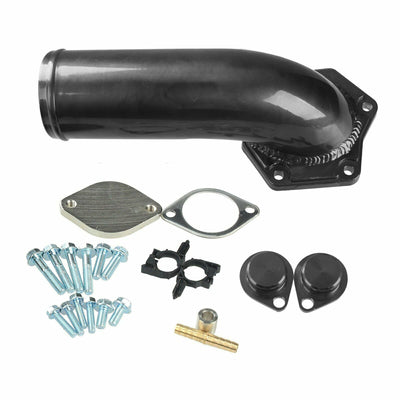
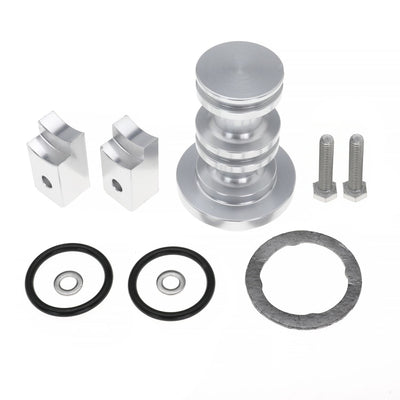
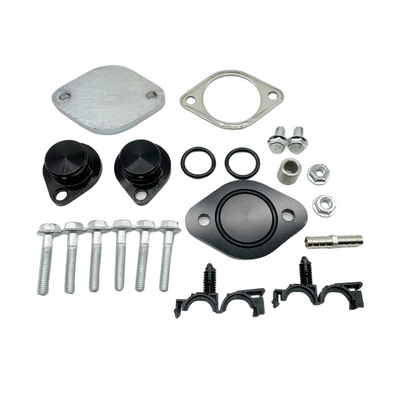
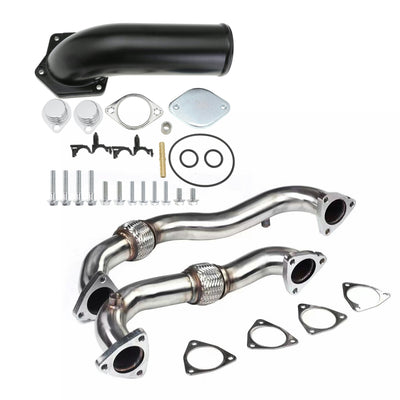
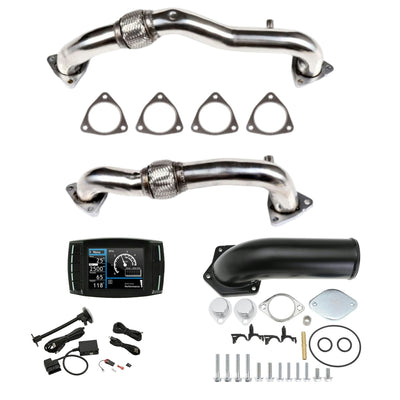
Preventative maintenance is critical, but true reliability comes from eliminating factory bottlenecks. Our Ford 6.4L Performance Upgrades from EGR Performance are engineered to replace failure-prone stock components, improve thermal regulation, and maximize airflow. Bulletproof your engine's defenses and get the dependable power your heavy-duty truck demands.
Shop Ford 6.4 Performance Upgrades →Fuel Filter Guidelines
- Change the fuel filters on your 6.4 Powerstroke, both top and bottom, at least every 10,000 miles.
- Be sure to use OEM Motorcraft or Racor kits (like FD-4617) for aqua-block tech.
- Monthly (not just when the "Change Filter" light comes on), you should drain the lower fuel filter bowl (aka fuel-water separator).
We do it in our driveway with basic tools. Clean bowls during swaps to remove gunk.
Fuel and Additives
- Utilise the diesel yield from the max production level fuel pumps.
- When filling the tank, use lubrication products (Opti-Lube, Stanadyne, or Hot Shot's Secret) every time so as to protect the K16 high-pressure pump and piezo electric injectors.
We mix in Hot Shot's Secret for our fleet. This cuts wear from dry fuel.
Critical Warning
Check that the primary fuel filter is sitting correctly underneath the frame so that air cannot enter the high-pressure or low-pressure side and cause potential damage to the diesel engine pump.
Draining and Seating Tips
Drain the lower bowl monthly. Water ruins parts. The seat frame filter is secured to block air. We check for leaks after starts. Loose fits kill HPFPs fast.
Additive |
Use |
Benefits |
|---|---|---|
Opti-Lube |
Every fill |
Boosts lubricity |
Stanadyne |
Tank treat |
Cleans injectors |
Fuel Source Choices
Fill at busy stations for fresh fuel. Avoid old tanks with water. We pick high-volume spots on trips. This keeps systems clean longer.
How to Manage EGR, DPF, and Emissions Stress on a 6.4 Powerstroke?
EGR and DPF are key factors contributing to elevated temperatures, soot accumulation, and contaminated fuel systems in your 6.4 Powerstroke maintenance engine, especially if tuned or often regenerating. The addition of these emissions systems elevates the stress on your engine's oil and fuel systems, which can lead to premature wear, resulting in costly repairs.
We see regens cause dilution, but smart steps reduce stress.
Even on equipped trucks, clean sensors, fix leaks, and cut idling to lower regens. Deletes help but need tunes.

To alleviate engine stress and keep your engine operating properly:
- Make sure that all of your sensors are in good working order and clean. Wipe sensors yearly.
- Correct any boost or exhaust leaks right away. We inspect the exhaust during oil changes. This spot clogs early.
- Avoid excessive idling of your engine to help reduce the time DPF is being regenerated. Drive steadily to burn soot. We avoid short trips on our trucks. This cuts fuel in oil.

Delete Considerations
Deletes stop regens but raises emissions. Pair with a mini maxx tuner for 6.4 powerstroke for safe runs. We fit them on many for reliability.
Task |
Interval |
Benefit |
|---|---|---|
Clean sensors |
Yearly |
Better flow |
Check leaks |
Every service |
Lower heat |
Overall System Care
Watch soot levels with gauges. Flush coolant to aid cooling. Our method keeps emission parts lasting longer.
By following these guidelines, you will provide the necessary service to your Ford Power Stroke Diesel Engine for a longer 6.4 diesel oil change interval. Trucks that stay emission-equipped will also benefit from proactive maintenance and monitoring.
How to Protect the Cooling System and Oil Cooler on a 6.4 Powerstroke?
Proper cooling of a 6.4 Powerstroke maintenance engine is vital regardless of whether it has been modified or used extensively.
Flush every 50,000-60,000 miles. Check ECT vs. EOT delta. Use ELC coolant. Upgrade to an aluminum radiator.

Flush Intervals and Methods
It is important to drain and refill the entire cooling system every 50,000 to 60,000 miles on hard-use trucks, as well as taking time to check the cooling system level and quality at every service visit. Use kits to clean. We add filters for ongoing protection.
Cooling System Tips
- Use proper long-life antifreeze mixtures with appropriate quantities of additives.
- Monitoring Temperatures: Watch for oil cooler blockages: a significant difference between Engine Coolant Temperature (ECT) and Engine Oil Temperature (EOT) indicates a clogged stacked plate cooler and may cause overheating, raised head gasket loads, and turbocharger failures. Keep EOT-ECT under 15°F. We gauge them on dashes.
- Radiator Upgrades: The factory stock 6.4 radiator has a plastic end tank, which can leak; switching to an all-aluminum radiator makes the unit overall more reliable. We swap them early on mods.
- Cavitation Prevention: Keep coolant clean by installing a filtration kit; Check nitrite levels & add to the fluid every 15000 miles to avoid cavitation in the front cover. Add SCA packs. Our checks stop front cover wear.
Coolant Test |
Interval |
Action |
|---|---|---|
Nitrite levels |
15,000 miles |
Add coolant additive if levels are low |
What Are the Best Turbocharger Care Tips for Tuned 6.4 Powerstrokes?
The turbos of modified trucks experience higher temperatures than factory setup turbos, which means that maintaining the turbo properly is a crucial aspect of regularly scheduled maintenance for the 6.4 Powerstroke diesel engine.
We repair many, but warm-ups prevent damage.
Allow warm-up and cool-down. Monitor EGTs. Inspect up-pipes during services. Idle 3-5 minutes after hard use.
Compound turbos found in the 6.4 Powerstroke are very sensitive to:
- dirty oil
- high exhaust gas temperatures
- boost leaks at the up-pipes.
Failure to correct these issues can result in expensive turbo or engine repair bills.
Turbo Maintenance Tips
- Warm-Up and Cool-Down Routines: Make sure to provide proper time to warm up and cool down the vehicle. Cool after tows.
- EGT Monitoring: Use an EGT gauge to forecast temperature levels when using high-powered programs. Stay under 1,200°F. We alert on highs.
- Inspections and Leaks: To look for shaft play or leaks in your up-pipes, inspect them during regular service intervals. Check the shaft play yearly. Fix up-pipe leaks. Our scans spot issues.
- Cool-down idle: After heavy towing or driving aggressively, let your truck idle for 3-5 minutes to prevent "coking", which occurs when oil is baked into turbo bearings.
- Oil Quality for Turbos: Use clean oil. Change often. Our habit saves bearings.
If you follow these steps when servicing your Ford Powerstroke diesel engine, you will help extend the life of both your engine and turbos. Following a regular 6.4 Powerstroke maintenance routine will enable you to have reliable operation, no matter the weather conditions.
Essential Gauges You Should Monitor on a Tuned 6.4 Powerstroke
If you only depend on your factory dashboard to maintain 6.4 Powerstroke engines, this causes trouble and costs a lot of money, especially if you tune or modify them. By keeping an eye on a few key parameters, you make sure the engine runs safely while preventing costly damage.
We install extras to catch problems early.
Monitor EGT, ECT, EOT. Keep EOT-ECT delta under 15°F for oil cooler health.

Key Parameters to Monitor
- EGT (Exhaust Gas Temp): Monitoring this ensures that the engine does not overheat or cause problems with the turbo.
- ECT (Engine Coolant Temp): This helps monitor the cooling system and ensures it continues to cool the engine effectively.
- EOT (Engine Oil Temp): Checking this ensures the oil operates within the recommended temperature limits.
The Delta Rule:
- The delta rule states that the difference between EOT and ECT does not exceed 15°F (8°C).
- If the difference exceeds 15°F, you may have a plugged oil cooler that affects engine health and reduces the effectiveness of your 6.4 diesel oil change.
- We use Edge CTS3. We mount them centrally. Wide delta means clogs. We check daily on tunes.
Gauge |
Parameter |
Safe Range |
|---|---|---|
EGT |
Exhaust Temp |
Under 1,200°F |
Delta |
EOT-ECT |
Under 15°F |
Installation Tip: Wire to the OBD port. We set alerts for highs. By monitoring these gauges along with your Ford F350 or F250 diesel maintenance schedule, you maintain your engine's performance, protect your modifications, and prevent costly repairs.
Common 6.4 Powerstroke Failures and How Maintenance Helps
The 6.4 Powerstroke has a number of design flaws, that will cause failures like piston cracks, worse on mods. We see them often, but keeping up with scheduled maintenance reduces risks.
Common issues: fuel contamination, EGR troubles, cooling failures, dilution, cracked pistons, and up-pipes. Strict intervals cut severity.
Typical issues include:
- Fuel system contamination: Dirt kills pumps. Filters every 10,000 miles help.
- EGR and DPF problems: Clogs raise heat. Cleans or deletes fix.
- Radiator and cooling system failures
- Oil dilution: Leaks overheat. Flushes prevent.
- Cracked pistons and up‑pipes. Tunes stress them. Gauges and idles help. Our care cuts failures.
Failure |
Cause |
Maintenance Fix |
|---|---|---|
Piston Cracks |
High pressure |
Shorter oil change intervals |
Up-Pipe Cracks |
Heat stress |
Monitor EGT levels regularly |
Following the proper Ford F350 service interval and Ford F250 diesel maintenance schedule does not make the engine flawless, but it reduces the likelihood and severity of every issue listed above. For a deep dive into every major failure point and its early warning signs, refer to our detailed analysis on 6.4 powerstroke problems.
Regular oil changes, timely 6.4 powerstroke fuel filter replacement, and proactive inspections protect your investment in upgrades and help maintain your engine's reliable long-term operation.
FAQs
Q: How do I prevent fuel‑in‑oil on a tuned 6.4?
Regular 6.4 Powerstroke maintenance with timely oil changes and monitoring EGTs helps prevent fuel dilution in the oil. Change oil every 5,000 miles. Use additives. Deletes cut regens that cause it. We test samples.
Q: Does tuning increase maintenance frequency?
Yes. Tuned engines run hotter and under more stress, requiring stricter oil, fuel, and coolant schedules. Shorten intervals by 20-30%. We adjust for power levels.
Q: How long can a well‑maintained 6.4 Powerstroke last?
With proper care, including regular 6.4 Powerstroke maintenance, many modified engines last 250,000–300,000 miles or more.
Q: Is it worth upgrading the fuel system on a modified 6.4?
Yes. High-quality filters and additives protect the K16 pump and piezo injectors, improving reliability and longevity. Add lift pumps. We fit AirDog for reliability.
Q: How often should I change 6.4 Powerstroke fuel filters?
Perform 6.4 Powerstroke fuel filter replacement every 7,500–10,000 miles, or more frequently on high-horsepower builds.
Q: Are 6.4 Powerstroke engines reliable when modified?
They can be reliable if owners follow a strict 6.4 Powerstroke maintenance routine and monitor key systems closely. Deletes help.
Q: Should you "Bulletproof" a Ford 6.4 or just maintain it?
Bulletproofing adds protection, but proactive maintenance is the most cost-effective way to prevent failures. Bulletproof for extreme use.
Q: Are delete kits enough to fix 6.4 Powerstroke reliability issues?
Deletes reduce heat and soot, but don't replace proper maintenance. Regular service is still essential.
Q: What maintenance is most important for a deleted or tuned 6.4?
Oil and filter changes, fuel filter replacement, coolant checks, and monitoring EGT/ECT/EOT are critical to engine longevity.
Final Conclusion
To keep a modified 6.4 Powerstroke running reliably for years, you need careful maintenance of specific engine systems; this is what "long-term reliability" means. Prioritize oil changes, fuel care, and monitoring to protect your modified 6.4.
The following priorities help maintain your engine:
- Change your oil and filter as needed to reduce fuel dilution.
- Change the fuel filter on the proper schedule to protect the high-pressure fuel system.
- Monitor the cooling system, check for EGT increases, and check turbo performance.
- Follow a strict Ford F-350 or F-250 diesel maintenance schedule.
In addition to preventing catastrophic failure and protecting costly performance upgrades like tuners, turbos, and delete kits. A proper maintenance routine and monitoring of certain important gauges add to the longevity of an engine, and allow users to enjoy their modified 6.4 Powerstroke without paying for costly setbacks.
Modification Type |
Common Risks |
Basic Prevention |
|---|---|---|
Tuning |
Higher cylinder pressure |
Shorten oil change intervals |
Deletes |
Increased EGTs |
Install gauges for monitoring |
Bigger Turbos |
Oil contamination |
Use high-quality filters |
EGR Performance offers the best deletes and performance parts for 6.4 Powerstroke reliability. Visit egrperformance.com to find the best 6.4 Powerstroke upgrade kits.


