



Have you seen the check engine light come on? It might be P0401, which points to low EGR flow. I faced this in my old Ford truck. It left me stranded once.
P0401 means the engine computer finds not enough exhaust gas recirculation flow. This problem is common and often caused by carbon buildup, clogged passages, or sensor issues. Fix it to keep good fuel use and stop engine knocks.
I dealt with P0401 myself. It cost me extra because I ignored it. Many drivers replace the EGR valve right away, but that mistake can waste hundreds of dollars.
This article explains what the P0401 code means, why it happens, and how to fix it the right way. You will learn the key symptoms, common causes, and the best repair options with EGR delete to prevent repeat failures and unnecessary repairs.
Table of Contents
- Understanding P0401: What Does This Code Mean?
- Key Symptoms of P0401: Why Your Check Engine Light Is On
- Root Causes: Why Does P0401 Happen?
- P0401 by Vehicle Make: Model-Specific Insights
- Is P0401 Serious? Can You Keep Driving?
- How to Diagnose a P0401 Code (Step-by-Step)
- How to Fix P0401 EGR Insufficient Flow
- Cost Breakdown: Budget for P0401 Repairs
- Common Mistakes to Avoid When Fixing P0401
- Prevention Strategies: Avoiding P0401 in the Future
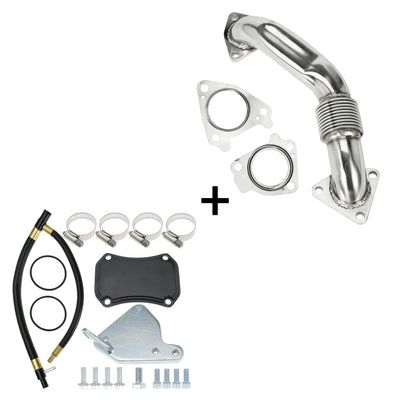
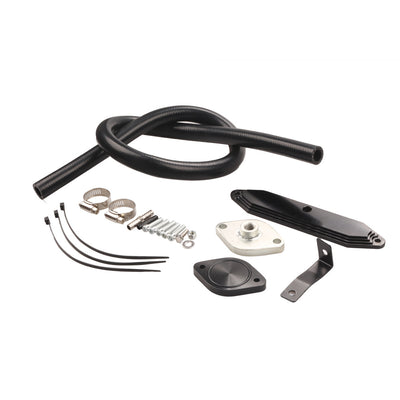
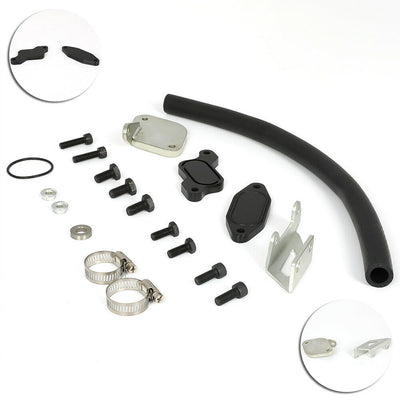
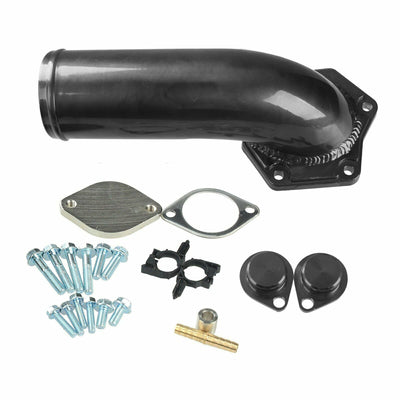
- The EGR Delete Option: Permanent Solution or Risk?
- FAQs
- Summary: Best Long-Term Solution for P0401 EGR Insufficient Flow
Understanding P0401: What Does This Code Mean?
The check engine light flashes. You scan it and see the P0401 Code. I remember pulling over in my Chevy. Panic set in.
EGR systems provide working temperature control as well as remove many pollutants from the exhaust gases through the introduction of small amounts of exhaust fumes into the intake manifold.
When the exhaust gas flow through this system is not sufficient, the computer uses the P0401 diagnostic trouble code (DTC) to indicate that another problem exists with the EGR system.
Simply put: P0401 stands for Exhaust Gas Recirculation Flow Insufficient Detected. The ECU spots low flow in the EGR system, which helps cut emissions and control engine heat.
Tired of the P0401 Error Code?
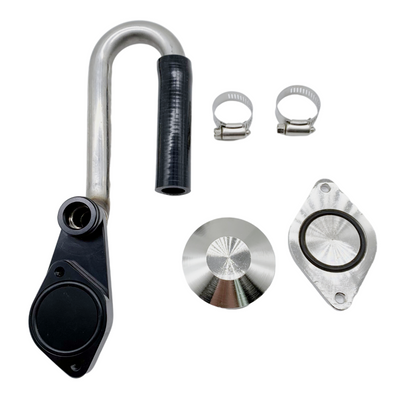
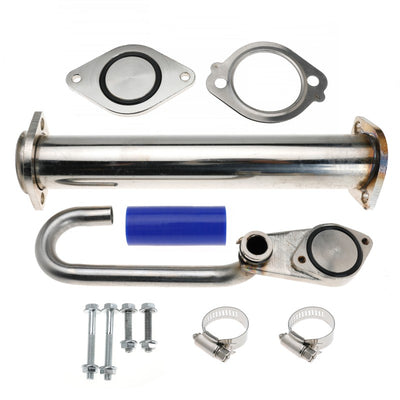
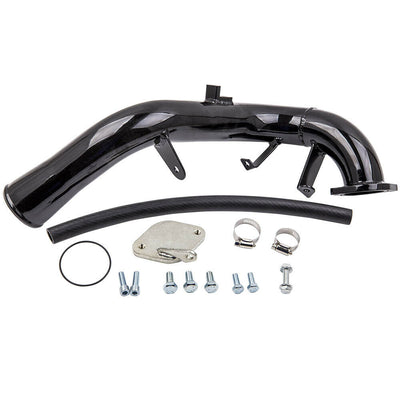
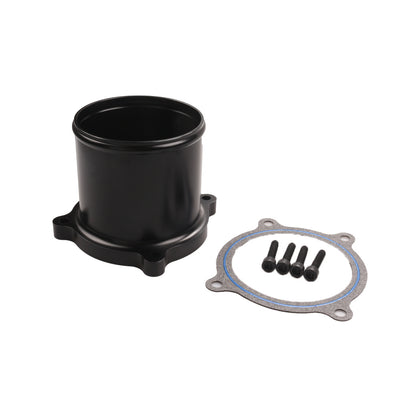
P0401 usually means your EGR cooler is clogged with soot. Instead of spending hundreds replacing parts that will just fail again, fix the root cause permanently and restore your engine's power.
Shop EGR Delete Kits →Why the Engine Detects Insufficient EGR Flow
The EGR sensor readings, such as those taken from the DPFE, EGR Temperature, and EGR position sensors, determine if your vehicle's computer can detect the proper EGR flow. If it sees that some of the values are out of range, then it assumes that the flow of the EGR has been obstructed or limited.
This obstruction can occur due to:
- Carbon Deposits in EGR Passages
- A Stuck or Clogged EGR Valve
- Faulty Sensor Readings
Why EGR Matters
EGR sends some exhaust back to the intake to lower nitrogen oxides. Low flow means the system fails to do this job. We once worked on a car where carbon buildup blocked the valve. After cleaning, the code went away, and the engine ran smoothly.
How Detection Works
The ECU uses sensors to check the flow. If the flow drops below set levels, it sets P0401. Common spots for issues include the valve, passages, and sensors. In our shop, we see this a lot in older cars with high miles.
|
Sensor Type
|
Role
|
Common Failure
|
|---|---|---|
|
DPFE Sensor
|
Measures exhaust pressure difference
|
Corrosion, moisture intrusion
|
|
Position Sensor
|
Tracks EGR valve position
|
Wiring breaks, signal loss
|
|
Temperature Sensor
|
Monitors exhaust gas temperature
|
Carbon buildup, slow response
|
Impact on Engine
Low EGR flow can cause high combustion heat, leading to knocks or pings. It also raises emissions. We advise quick checks to avoid bigger problems like damaged pistons.
Use a scan tool to read data. Look at the EGR position and flow rates. If values are off, inspect parts. For example, a stuck valve might show zero flow.
Clean or replace as needed. We find cleaning works for mild cases, but bad sensors need new ones. This approach saves money and keeps the car reliable.
Key Symptoms of P0401: Why Your Check Engine Light Is On
Is the check engine light glaring at you? P0401 might be the reason, signaling EGR flow issues. This can make drives rough and cut power when you need it. Some may be apparent and noticeable, but tend to worsen over time if you do not take care of the issue.
Key signs of P0401 include the check engine light, rough idle, hesitation, knocks, poor fuel economy, power loss, hard starts, surging, and possible overheating. Spot these early to avoid big fixes.

Check Engine Light
The check engine light will typically be the first indicator. This light will activate if the engine computer detects that the EGR flow is insufficient.
The check engine light is the main sign, but others show up too.
Rough Idle or Engine Hesitation
The engine may idle unevenly or stumble when you press the gas. This happens because combustion temperatures rise without proper EGR flow.
Engine Knocking or Pinging
You may hear knocking under load or during acceleration. This is caused by higher combustion heat and pressure.
Loss of Power and Poor Acceleration
Reduced EGR flow can result in a lack of power, especially when driving on highways and driving uphill.
Decreased Fuel Economy
Higher levels of combustion temperature lead to lower efficiency and subsequently result in lower fuel mileage.
Hard Starting or Surging
Some vehicles experience difficulty starting and surging while driving at a constant speed due to inconsistent or fluctuating airflow.
Potential Engine Overheating
Chronic EGR flow problems may increase engine temperatures over time, creating undue strain on engine internals.

When Symptoms Appear
These signs often show under load or after warm-up. In our experience, city driving worsens them due to short trips that build carbon.
How to Spot Early
Listen for unusual sounds like pings. Watch fuel use; a drop means trouble. Use a code reader to confirm P0401 before issues grow.
I ignored knocking once. It damaged pistons. Cost me big. Check light means act now. Scan for codes. See freeze frame data. It shows when it happened. Test drive. Feel the hesitation. Note when surging hits.
At idle or speed? Hard starts in cold? Write it down. Help diagnosis. Many symptoms overlap. Bad plugs mimic this. Rule them out. Use a scanner. Watch EGR data live.
See if the flow matches the command. Low? Clog likely. I cleaned my EGR ports. Idle smoothed. Power returned. Save scans. Track changes. Prevent worse issues.
|
Symptom
|
Description
|
Why It Happens
|
|---|---|---|
|
Rough Idle
|
Shaky or unstable engine at a stop
|
Unbalanced air-fuel mixture
|
|
Knocking
|
Ping or knocking sounds under load
|
High combustion temperatures
|
|
Power Loss
|
Slow or weak acceleration
|
Poor exhaust gas flow
|
Address these fast. We suggest regular checks to catch problems early. This keeps your car running well and saves on gas.
Root Causes: Why Does P0401 Happen?
The P0401 trouble code appears when something prevents the correct amount of exhaust gas from flowing through the EGR system. Below are the most common causes, listed from most to least likely.
P0401 occurs from carbon buildup, clogged passages, faulty EGR valve, vacuum or solenoid issues, bad sensors, or PCM problems. Carbon is the most common, blocking the flow.

Carbon Buildup (Most Common Cause)
Over time, carbon accumulation in the form of deposits builds up and blocks off the EGR passageways. When there is not enough exhaust gas flowing through the EGR passageways, it causes the P0401 trouble code to trigger even when the EGR valve itself appears to be functioning correctly.
Clogged EGR Passages or Intake Manifold
There are numerous small EGR ports located in the intake manifold, and over time, these small ports can become clogged because of carbon buildup. Cleaning the EGR valve won't remedy your issue or fix the underlying problem if any of these small intake manifold ports are blocked.
Faulty or Stuck EGR Valve
A faulty EGR valve or an incomplete EGR valve can not function properly to cause sufficient flow of exhaust gases, resulting in reduced flow.
Vacuum Line or Control Solenoid Failure
An inoperative vacuum line and control solenoid can hinder the functioning of the EGR valve from opening completely due to leaking vacuum lines.
Bad DPFE or EGR Position Sensor
The EGR flow rate is reported to the PCM through the DPFE or EGR position sensor. Incorrect DPFE or EGR position sensor readings can lead to triggering a code despite a properly functioning EGR valve.
Mechanical Failures
Additionally, most cases of failure are attributed to mechanical (i.e., from a broken EGR tube or damage to the internal workings of the EGR valve) issues on the exhaust system side, restricting the flow of exhaust gases through the exhaust system.
Software or PCM Calibration Issues (Less Common)
In some vehicles, outdated PCM software may misread EGR flow and set the code incorrectly.
Break down causes to fix right. Use tools to pinpoint. This saves time and money. Always clean before replacing.
|
Category
|
Examples
|
Frequency
|
|---|---|---|
|
Buildup
|
Carbon in the valve
|
Most common
|
|
Mechanical
|
Stuck valve
|
Common
|
|
Electrical
|
Bad solenoid
|
Occasional
|
|
Sensors
|
Faulty DPFE
|
Make-specific
|
|
Software
|
PCM issues
|
Rare
|
I had carbon in my Ford. Cleaned it. Fixed. But in Chevy, the sensor failed. Replaced it. Check all categories. Start with a visual. See cracks? Fix. Test the solenoid with a multimeter. Resistance off? Bad. Vacuum test valve.
No move? Stuck. Use smoke for leaks. Passages need rod cleaned. Careful not to damage. I used carb cleaner. Soaked overnight. Brushed out. Worked. Sensors cost less. Replace if doubtful. PCM last.
Re-flash if needed. Causes link. Carbon from bad fuel. Prevent it. I switched gas stations. No more codes.
P0401 by Vehicle Make: Model-Specific Insights
Not every vehicle is impacted by the P0401 code in the same manner. Each manufacturer has common failure patterns that can help narrow down diagnostics more quickly.
Toyota often has carbon in the EGR channels. Honda sees clogged ports. Ford deals with DPFE failures. Volkswagen has EGR clogs from DPF. Chevrolet fights plugged coolers. Know your make for the right fix.

Toyota
Toyota vehicles are generally subject to large amounts of carbon deposits inside the EGR passageways. The EGR valve may be checked out. In RAV4s, we see this after 100k miles. However, due to blocked intake passageways, the code is triggered. Most cases require total cleaning of all components of the EGR system.
Honda
Honda vehicles generally have a lot of carbon in their EGR ports in the intake manifold. Most often, cleaning the EGR ports resolves the issue without having to replace the EGR valve. But ports need drill-out sometimes. Our Accord fixes often involve this.
Ford
The Ford P0401 fault code is frequently linked to a failed DPFE sensor. On older Ford trucks, sensor failure is more common than a bad EGR valve. In F150s, clogged ports in throttle body cause it too. Replacing parts without testing often leads to repeat repairs. Check EGR delete for Ford Powerstroke.
Volkswagen
Volkswagen engines typically will develop carbon deposits in both the EGR cooler and valve assembly, which creates a restriction in flow to these areas, triggering the "code". VW TDIs get EGR clogs from soot, linked to DPF cracks.
Chevrolet
Chevrolet vehicles like Duramax may get the code P0401 because of clogged passages or faulty vacuum control. It is important to test any sensor prior to replacing any components on any Chevrolet vehicle for any of these issues. Get Duramax EGR delete kits here.
|
Make
|
Common Issue
|
Fix Tip
|
|---|---|---|
|
Toyota
|
Carbon deposits
|
Clean channels
|
|
Honda
|
Clogged ports
|
Drill and clean
|
|
Ford
|
DPFE failure
|
Replace sensor
|
|
Volkswagen
|
EGR clog from DPF
|
Clean system
|
|
Chevrolet
|
Plugged cooler
|
Soak and flush
|
I owned a Ford. DPFE died at 100k miles. Cost $50 to fix. In my Honda, ports are clogged. Took hours to clean. The Toyota I borrowed had channel issues. Used a special tool. Each make needs a specific approach.
Ford: Test DPFE voltage. Low? Bad. Toyota: Vacuum test VSV. Honda: Remove EGR. Rod ports. VW: Scan flap codes. Chevy: Inspect the cooler for soot. Personal story: Lent my Chevy. Friend got P0401. Cooler full of gunk. Cleaned it. Ran fine.
Learn your model. Forums help. Avoid generic fixes. Save time.
Is P0401 Serious? Can You Keep Driving?
The P0401 OBD code is not always an emergency; however, it should still be addressed in time. How serious it becomes depends on how long the problem continues.
Short-term, it causes rough drives. Long-term, it damages the engine and emissions. Ignoring it can lead to knocks and overheating, turning small fixes into big bills. Fix right away if knocks or power loss show.
Short-Term Drivability Risks
Many vehicles are still drivable with the P0401 trouble code. However, rough idle, hesitation, pinging of the engine, or reduced power can be expected. Fuel economy may also be reduced.
Long-Term Engine and Emissions Damage
Operating your vehicle for extended periods of time with low EGR flow results in higher combustion temperatures. This results in valve, piston, and catalytic converter damage. Increased emissions may also lead to a failed inspection.
When Immediate Repair Is Required
If your engine is knocking under a load, overheating, or has a significant loss of power, you should repair the problem immediately. These are indications that your engine is under increased stress and may be damaged.
In our experience, delaying worsens damage. Assess risks based on symptoms. Mild cases allow time, but severe cases need quick action. Regular maintenance prevents escalation.
|
Risk Level
|
Symptoms
|
Action
|
|---|---|---|
|
Low
|
Just light
|
Schedule soon
|
|
Medium
|
Hesitation
|
Fix within week
|
|
High
|
Knocks, heat
|
Tow to shop
|
How to Diagnose a P0401 Code (Step-by-Step)
Diagnosing the P0401 trouble code correctly helps avoid unnecessary part replacements. Follow these steps carefully. Wrong steps lead to extra costs.
Use scan tools for data, inspect visually, test the valve, check passages, and verify sensors and signals. This step-by-step process finds the issue accurately.
1. Scan Tool Data and Freeze Frame Analysis
First, use an OBD-II scanner to retrieve the Ford P0401 fault code and its associated freeze-frame data. This represents the engine conditions at the time the code was set and may help you identify the cause of the code.
2. Visual Inspection of EGR Components
Conduct a thorough visual inspection of the entire EGR system, including the EGR valve, the EGR tube and the hoses connected to the EGR system. Look for visible signs of cracks, leaks, or excessive carbon deposits.
3. Testing the EGR Valve Operation
Manually operate the valve or use an OBD-II scanner to supply the required voltage and test the valve's operation. Check that the valve opens and closes completely. A faulty valve could be the only reason for the Ford P0401 fault code, even if other components are fine.
4. Checking EGR Passages for Blockage
Check EGR passages for blockages and clean out all carbon with a pick or brush. Most times, this is a major cause of insufficient EGR flow.
5. Verifying Sensor and Vacuum Signals
Evaluate the DPFE sensor, EGR position sensor, and vacuum lines for accurate readings. If there are faulty sensors or leaks, P0401 EGR insufficient flow is detected.
This method pinpoints problems. We combine tools and hands-on checks for the best results. It avoids guesswork.
|
Step
|
Tool Needed
|
What to Check
|
|---|---|---|
|
1
|
Scanner
|
Codes, data
|
|
2
|
Eyes
|
Damage, buildup
|
|
3
|
Vacuum pump
|
Valve movement
|
|
4
|
Wire brush
|
Blockages
|
|
5
|
Multimeter
|
Signals
|
I bought a cheap scanner. Helped a lot. Freeze frame showed a low-speed trigger. Inspected. Found a cracked hose. Fixed free. Test operation with the hand pump.
Valve stuck? Clean. Passages: Use wire. Careful. Sensors: Multimeter ohms. Off spec? Replace. Vacuum: Listen hiss. No? Leak. Step by step finds the root. No guesswork. I saved $200 doing it myself.
How to Fix P0401 EGR Insufficient Flow
Fixing P0401 seems hard, but the right steps solve it. Skip them, and the code returns, costing more time and money.
Clean valve and passages, replace if needed, and fix vacuum or electrical issues. These steps restore flow and clear the code.

1. Clean the EGR Valve and Passages
Most P0401 codes are related to carbon accumulation inside the engine. By removing the EGR valve and cleaning both it and the intake passages, normal flow should return to the engine.
- When cleaning works: Light to moderate carbon deposits.
- Limitations: Severe clogging or damaged valves may require replacement. Cleaning alone may not fix the code permanently in older engines.
2. Replace the EGR Valve or Sensor
If testing shows a stuck valve or faulty DPFE/EGR position sensor, replacement is the best solution. This often resolves the P0401 OBD code completely. Always test before replacing to avoid unnecessary costs.
3. Repair Vacuum or Electrical Issues
Leaking vacuum lines, broken solenoids, or wiring problems can prevent the EGR valve from opening. Inspect all hoses and connections, then repair or replace as needed. These are often overlooked but critical for resolving the P0401 trouble code.
We start with simple cleans, then replace. This saves cash. Always test after fixing.
|
Fix Type
|
When to Use
|
Cost Range
|
|---|---|---|
|
Cleaning
|
Mild buildup
|
Low
|
|
Replacement
|
Worn parts
|
Medium
|
|
Repairs
|
Leaks, wiring
|
Variable
|
Cost Breakdown: Budget for P0401 Repairs
P0401 repairs can be surprisingly costly. Not knowing leads to overpaying. Plan with a breakdown to budget smart. The cost to fix a P0401 trouble code varies depending on the root cause and whether you do it yourself or hire a mechanic.
Costs range from $120 for cleaning to $750 for complex fixes. DIY saves, but mechanics add labor.
Here's a breakdown:
|
Repair Type |
DIY Cost |
Mechanic Cost |
|
Clean EGR valve & passages |
$120–$180 |
$200–$300 |
|
Replace the EGR valve |
$200–$300 |
$350–$500 |
|
Replace the DPF or EGR sensor |
$100–$150 |
$200–$350 |
|
Repair the vacuum lines or the solenoid |
$50–$100 |
$100–$200 |
|
Full system repair (severe blockage) |
$300–$400 |
$600–$750 |
Notes:
- DIY work is cheaper but requires proper tools and knowledge.
- Mechanic costs include labor and parts.
- Avoid replacing components blindly; cleaning first often prevents unnecessary expenses.
I did DIY clean. Cost $60. Mechanic quoted $250. Saved big. Complex? Pay pro. No mistakes. Factor time. DIY takes hours. Worth it? Yes for me.
Common Mistakes to Avoid When Fixing P0401
Many drivers try to fix the P0401 trouble code and end up wasting time and money, if the real issue hides elsewhere.
Big mistake: replace the EGR valve without cleaning the passages. Many spend $300-400 needless.
Avoid these common mistakes:
1. Replacing the EGR Valve Without Cleaning
Many people replace the valve immediately, but clogged passages are often the real problem. Cleaning first can save $300–$400.
2. Ignoring Sensors
Failing to test the DPFE or EGR position sensor may lead to repeated codes even after cleaning or valve replacement.
3. Overlooking Vacuum and Electrical Issues
Damaged hoses, broken solenoids, or faulty wiring are often ignored, causing the code to return quickly.
4. Using Low-Quality Parts
Cheap aftermarket EGR valves or sensors may fail sooner. Using OEM or high-quality parts ensures long-term reliability.
5. Skipping the Diagnostic Step
Jumping straight to repairs without a proper scan can result in unnecessary replacements and recurring P0401 OBD code triggers.
Why This Happens
People think Valve is always bad. But clogs in passages cause low flow. We see this often: clean first.
Other Errors
Ignore sensors or vacuum. Skip full diagnosis. Use cheap parts that fail soon.
How to Avoid
Follow steps: diagnose, clean, test. We share a story: a client replaced the valve twice. We cleaned passages, code gone.
Always check all parts. This ensures fix sticks.
|
Mistake
|
Consequence
|
Avoidance
|
|---|---|---|
|
Skip clean
|
Code returns
|
Clean first
|
|
Ignore vacuum
|
Persistent issue
|
Test lines
|
|
Cheap parts
|
Quick fail
|
Use quality
|
Prevention Strategies: Avoiding P0401 in the Future
Preventing the P0401 trouble code is easier than fixing it repeatedly. Bad habits build carbon, leading to codes again.
Use high-quality fuel, clean EGR every 50,000 miles, and avoid short trips. These stop the buildup.
Here are key strategies:
1. Use High-Quality Fuel
Low-quality fuel increases carbon deposits. Always use recommended fuel grades to reduce EGR clogging.
2. Routine EGR Cleaning
Clean the EGR valve and passages every 50,000 miles. Regular maintenance prevents buildup that triggers the P0401 OBD code.
3. Avoid Short Trips
Short trips prevent the engine from reaching proper operating temperature. This leads to carbon buildup and repeated EGR failures.
4. Mind Driving Habits
Aggressive acceleration and heavy towing increase combustion temperatures, accelerating carbon deposits. Smooth driving helps maintain EGR flow.
5. Permanent Solutions for High-Mileage Engines
For older engines, full EGR cleaning, sensor replacement, or professionally applied coatings in passages can prevent repeated issues. Preventive care reduces long-term costs and keeps the engine running efficiently.
We push routine care. It extends life and cuts visits.
|
Strategy
|
Benefit
|
Frequency
|
|---|---|---|
|
Clean EGR
|
Removes buildup
|
Every 50k miles
|
|
Good fuel
|
Cleaner burn
|
Always
|
|
Long drives
|
Burns deposits
|
Weekly
|
The EGR Delete Option: Permanent Solution or Risk?
An EGR delete is sometimes considered a permanent fix for repeated P0401 trouble code issues. However, it comes with serious trade‑offs.
EGR delete costs $150-300. It's illegal for street use, fails emissions.
Cost and Effectiveness
An EGR delete typically costs $150–$300, including parts and tuning. It can eliminate carbon buildup and prevent future EGR-related faults. Check EGR Performance diesel EGR delete here.
Legal and Emissions Risks
In most regions, an EGR delete is illegal for street-driven vehicles. It will cause emissions test failure and may result in fines if discovered.
When an EGR Delete Is Considered
Some off-road or competition-only vehicles use EGR delete kits to avoid repeated failures on high-mileage engines. These setups are not intended for public roads.
Final Reality Check
An EGR delete can stop the P0401 OBD code, but it is not a legal or practical solution for most daily drivers.
|
Aspect
|
Pro
|
Con
|
|---|---|---|
|
Performance
|
Better
|
None
|
|
Legal
|
None
|
Illegal
|
|
Cost
|
Saves long-term
|
High initial
|
FAQs
Which vehicles are most prone to P0401 codes?
Ford trucks, Toyota, Honda, Volkswagen, and Chevrolet models commonly experience this code due to carbon buildup or sensor issues.
Does P0401 mean my EGR valve is definitely bad?
No. The P0401 OBD code can be caused by clogged passages, faulty sensors, or vacuum issues, not just a bad EGR valve.
How long does it take to diagnose and fix P0401?
Diagnosis usually takes 30–60 minutes. Cleaning or minor repairs can be done in 1–2 hours; full replacements may take longer.
Will an EGR delete fix P0401 permanently?
Yes, it stops EGR-related faults, but it is often illegal for street use and fails emissions tests.
Can a bad catalytic converter cause P0401?
Rarely. A severely clogged catalytic converter can affect exhaust flow and trigger the code, but this is uncommon.
What related codes might appear with P0401?
Codes like P0402, P0403, or other EGR sensor-related codes may appear alongside P0401.
Should I buy OEM or aftermarket parts for P0401 repairs?
OEM parts are recommended for long-term reliability, though high-quality aftermarket parts can also work if verified for fit and function.
Why does my P0401 code keep coming back after I replaced the EGR valve?
Repeated codes usually occur because clogged passages, vacuum leaks, or sensor issues were not addressed during replacement.

Summary: Best Long-Term Solution for P0401 EGR Insufficient Flow
Fixing the P0401 trouble code successfully depends on addressing the root cause.
- Cleaning the EGR valve and passages is often the first and most cost-effective step, especially for light carbon buildup.
- Replacing the EGR valve or sensors is necessary if components are faulty or worn.
- EGR delete kits provide a permanent solution for off-road or race vehicles, but are usually illegal for street use and fail emissions tests.
Recommendation:
P0401 needs a proper diagnosis to avoid costs. Early action saves money. For most drivers, thorough cleaning and targeted replacement offer the best balance of reliability, cost, and long-term performance while avoiding unnecessary legal and repair risks.
For off-road use, we recommend EGR Performance as the best choice for reliable, cost-effective EGR delete solutions based on reliability, cost, and usage.
About the Author- John Barrett

EGR Performance Writer and a 20-year veteran of the truck industry—whether it's diesel engines, or transmission systems, I've spent decades getting my hands dirty with every part of a truck.
I love tearing down worn components to trace exactly why they fail, and I firmly believe: if a truck part can't be fixed right, it's not worth keeping on the road.


