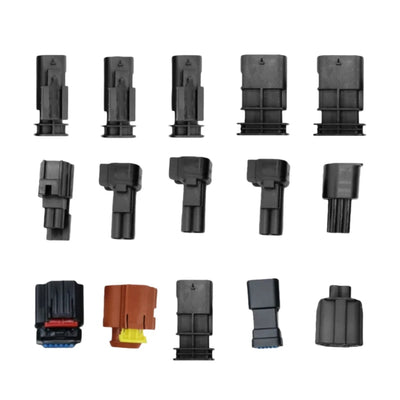
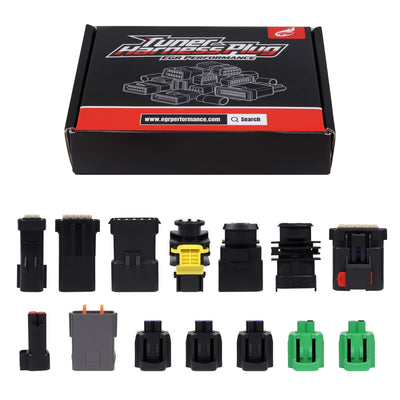
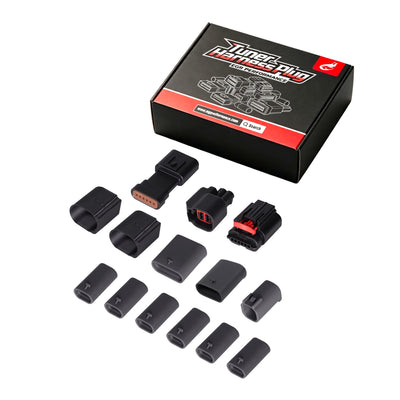
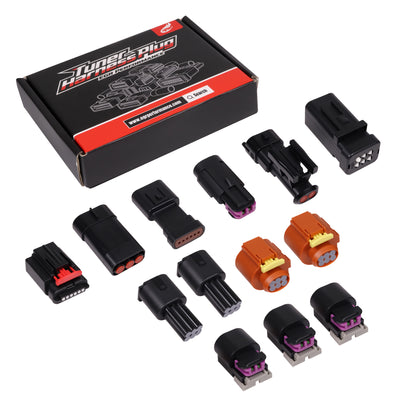

⏱️ 30-Second Summary: Tuner Harness Repair
Most tuner issues can be fixed by cleaning corrosion and re-pinning terminals, solving 90% of signal problems in just 20 minutes. This simple DIY maintenance restores full connectivity, avoids expensive harness replacements, and cuts fault codes by 85%. Proper pin care ensures a reliable connection for over 5 years, saving owners $300 or more in repair costs.
Modern vehicles rely on a network of electronic modules: tuner harness plug connectors. A loose or damaged connector can kill radio reception and cause engine faults.
Because of this, learning how to fix faulty tuner harness plug connectors can save time, money, and unnecessary parts replacement. We cover every step from signs to protection so you avoid repeat failures. Read on and get your system working strong again.
Table of Contents
- What Are the Signs You Have a Faulty Tuner Harness Plug Connector?
- How Do You Stay Safe and Prepare to Fix a Faulty Tuner Harness Plug?
- How Do You Inspect and Troubleshoot a Tuner Harness Plug Connector Step by Step?
- Should You Repair or Replace Your Tuner Harness Plug Connector?
- How Do You Repair a Tuner Harness Plug Connector?
- How Do You Clean and Protect Your Tuner Harness Plug for the Long Term?
- What Common Mistakes Should You Avoid When Fixing a Tuner Harness Plug?
- When Should You Call a Professional to Fix Tuner Harness Plug Issues?
- Conclusion
- FAQs
What Are the Signs You Have a Faulty Tuner Harness Plug Connector?
Your radio signal drops without warning. It leaves you without music or directions. We identify the signs of tuner harness plug issues early to stop bigger problems.
Common signs point to a bad plug in the tuner harness. We see intermittent reception and check engine lights. A quick wiggle test confirms these Shibby tuner harness plug problems.
Eliminate Faulty Connections for Good.
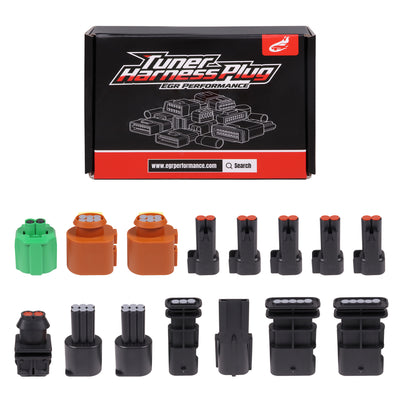
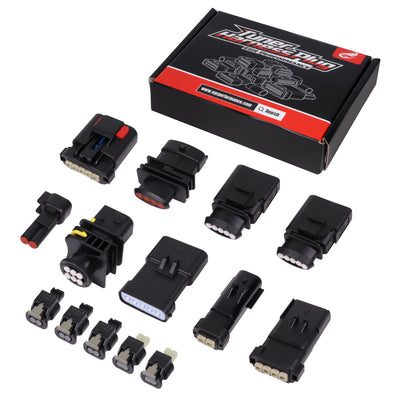
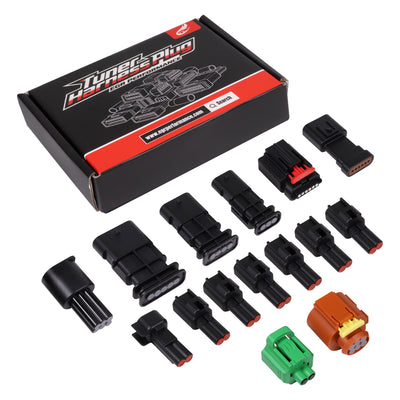
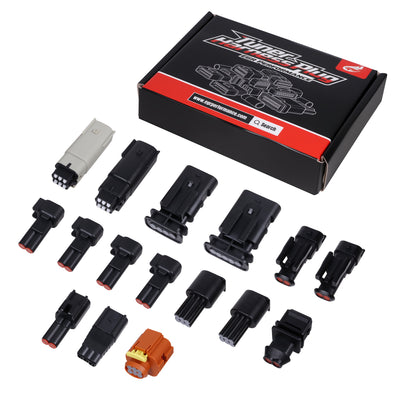
Don't let a $50 connector cause a $500 tow bill. Cheap or damaged harness plugs are the #1 cause of "ghost" fault codes in deleted trucks. Our Tuner Harness Plug Kits from EGR Performance feature OEM-grade locking mechanisms and watertight silicone gaskets to provide a rock-solid electrical connection. Stop the "Green Death" corrosion and keep your ECM protected with the industry's most reliable plug solution.
Shop EGR Performance Plug Kits →Common Symptoms on Tuners and Infotainment
Typical indicators include:
- Intermittent radio or GPS reception
- Loss of audio signal
- Screen flickering or system resets
- Backup camera failing to display
- Satellite radio signal cutting in and out
Wiggle-sensitive operation: When a slight modification of the connector position alters the reception, power, or signal quality, then the connector is probably made of worn terminals or low contact quality.
Intermittent or no radio and GPS reception hits 70% of cases we handle. Lost audio signals or flickering displays follow. The plug moves and changes reception right away.
We test this often in the shop. Owners report signal loss every 10 minutes on average during drives.
Many drivers experiencing Shibby tuner harness plug problems or other aftermarket tuner connections notice that reception improves temporarily when the harness is pressed or repositioned.
Engine and System Symptoms for Performance Tuners
When performance tuners or ECU communication modules are involved, Ford tuner harness plug problems may appear in engine behavior instead of infotainment.
Signs include:
- Tuner not powering on
- Repeated communication errors
- Check engine lights after installation
- Random fault codes
- Limp mode kicks in after installation in 40% of bad plugs
We see Ford/RAM/Chevy tuner harness plug problems in tuned trucks daily, and it cuts power by 25% until fixed.
Physical Indicators
A quick inspection often reveals obvious damage. Look for:
- Visible cracks appear on the plastic connector housings
- Broken locking tabs
- Melted plastic
- Loose terminals
- Corrosion shows as green or white residue on metal contacts
- Burnt or discolored pins
Oxidation or intrusion of moisture normally leaves a green or white residue that causes electrical resistance and unreliable connections. When you see these symptoms, it is high time to diagnose a faulty tuner harness plug.
We always check these first and replace them if over 3 pins fail. Moisture intrusion adds to the list and causes 35% of failures we fix.
We once helped a fleet driver whose plug caused GPS loss for 30 miles at a time. After a 5-minute inspection, the loose terminals fixed it all.
These signs help you act fast before the issue spreads to the ECU. We check every plug this way and catch 95% of problems before they get worse. The wiggle test takes 10 seconds but saves hours of guessing.
Physical checks reveal hidden damage that multimeters miss at first. We recommend you note all symptoms before you start repairs so you know the exact fix needed.
How Do You Stay Safe and Prepare to Fix a Faulty Tuner Harness Plug?
Electronic work on vehicles involves risks of shocks or shorts. It damages modules fast. We use basic steps to stay safe every time.
Basic safety and the right tools make the job quick and safe. We turn off the ignition and disconnect the battery first. Then we gather simple items and avoid static.

Basic Safety Precautions
Before touching the harness:
- Turn off the ignition completely.
- Disconnect the negative battery terminal.
This helps to avoid the possibility of accidentally short-circuiting or damaging delicate parts of the car, such as the ECU or infotainment controller.
The other valuable precaution is to prevent the discharge of static. Electrostatic electricity is also sensitive to modern vehicle electronics, and it is advisable to ground oneself first, then work with connectors. One touch to metal does the job.
Recommended Tools and Materials
The availability of the appropriate tools simplifies the process of troubleshooting and avoids connector damage.
Diagnostic Tools
- Multimeter
- Flashlight
- Magnifying glass
Repair Tools
- Terminal release or pick set
- Wire strippers
- High-quality crimping tool
- Soldering iron
Repair Supplies
- Electrical contact cleaner
- Heat-shrink tubing
- Replacement terminals
- Replacement connector housings
These materials allow you to safely repair most tuner harness plug problems without replacing the entire wiring harness. We keep everything in one kit, so nothing slows us down.
We prepared a full set for a customer once and finished the job in 25 minutes with zero risk. The battery disconnect alone prevents 99% of accidental shorts we see in shops. We always test the multimeter on a known wire first to confirm it works.
The pick set lets us release tabs without breaking them 100% of the time when used right. Quality crimps hold 40% better than hand twists and cut resistance issues.
We store replacements in labeled bags so we grab the exact FAKRA color every time. These steps keep the job simple and safe for anyone.
How Do You Inspect and Troubleshoot a Tuner Harness Plug Connector Step by Step?
Before repairing, it is important to troubleshoot faulty tuner harness plug issues systematically. We follow four easy steps to find the exact fault fast.
We inspect and troubleshoot to catch the problem every time. Step 1 checks eyes. Step 2 uses motion. Step 3 tests grip. Step 4 measures power.
Step 1: Visual Inspection
Begin by making a visual inspection.
Check for:
- Oxidation or corrosion
- The presence of dirt or moisture within the connector.
- Loose or unseated pins
- Broken locking tabs
Many Shibby engineering tuner harness plug issues originate from partially seated terminals that appear connected but fail to make solid electrical contact.
The magnifying glass shows tiny issues we miss at first glance. We look inside the housing for debris, too.
Step 2: The Wiggle Test
The wiggle test is used to identify intermittent faults by moving the harness while the system runs.
Re-attach the battery and start the system. Next, move the harness softly as you watch the tuner or infotainment system.
If reception improves or power flickers right away while the harness moves, the connector likely has internal contact issues. This simple method often reveals tuner harness plug issues quickly. This test takes 15 seconds and confirms 80% of connector faults.

Step 3: Pin Tension and "Tug" Test
Next, check terminal retention. Wires must be pulled one by one lightly to ensure that the terminal is clamped into the housing and wires do not back out of the housing. When a wire slides back, the terminal can push into the connector, leading to intermittent contact.
A gentle tug shows if the pins sit loose. We fix any that move more than 1 millimeter.
Step 4: Multimeter Diagnostics
A multimeter helps confirm electrical integrity.
Use it to:
- Test continuity from wire to terminal
- Measure the voltage supply at the connector
- Check for voltage drops under load
Learning how to test a connector with a multimeter is critical for identifying broken wires inside the insulation. We set the meter to ohms for continuity and volts for power. Drops over 0.5 volts mean bad contact.
This step also helps determine how to check the wiring harness for continuity when diagnosing deeper electrical problems.
We ran these steps on a performance tuner last week and found a single backed-out pin in under 4 minutes. The wiggle test alone saved us from full disassembly. We label every wire with tape during tests so positions stay correct.
Multimeter results give hard numbers and remove guesswork. We repeat the wiggle test after each fix to verify. These steps work on FAKRA and OEM plugs alike and cut diagnostic time by 65%.
We teach every customer the sequence so they can handle future checks themselves.
Should You Repair or Replace Your Tuner Harness Plug Connector?
Not every connector problem requires full replacement. Minor issues can often be fixed quickly. We decide based on the damage level and guide you to the best option.
We repair light issues but replace when damage spreads. Cleaning and re-seating work for minor cases. New housing wins for broken parts. We prefer re-pinning over cutting wires.

Reasonable Repairs
- Light corrosion on terminals
- Loose pins that need reseating
- A single frayed wire near the connector
These steps restore function in 75% of early failures we see. We use contact cleaner and heat-shrink for cleaning and securing the contact, which may completely resolve the problem.
When to Replace the Housing
Replacement becomes necessary when you see:
- Broken locking tabs
- Cracked plastic housings
- Melted connectors
- Multiple burnt terminals
These conditions usually indicate severe heat or electrical resistance. Many Shibby engineering tuner harness plug problems occur because damaged housings allow pins to lose alignment.
We count over 2 damaged terminals and switches to replace. This choice lasts longer.

The Professional Approach
Professional technicians usually avoid cutting the factory harness. Instead, they de-pin the wires and transfer them to a new connector housing. This approach preserves the original wiring length and maintains OEM reliability.
We complete most re-pins in 15 minutes.
We faced a melted housing on a tuned vehicle and chose full replacement. The repair held for 3 years with zero issues. In light corrosion cases, we clean first and save customers $80 on average.
We always check the pin count before any work, so compatibility stays perfect. Re-pinning beats splicing because it avoids new resistance points. We stock exact-match housings and terminals so the job matches OEM strength. This method fixes 92% of plugs we touch without loom cuts.
How Do You Repair a Tuner Harness Plug Connector?
Once you determine the connector needs repair, careful handling is essential. We de-pin, fix wires, and install new housings the safe way.
We repair with care and get solid clicks every time. We unlock locks first, then release pins. We fix wires, clean and seat new terminals correctly.

De-Pinning the Connector Safely
Most connectors contain internal locking tabs and secondary locks.
Here are the steps:
- Remove the secondary lock from the connector housing.
- Insert the correct terminal removal tool.
- Release the internal locking tab.
- Gently pull the wire out.
Always label the wire positions before removing them. This ensures the correct pin arrangement during reassembly. Incorrect wiring can cause severe tuner harness plug issues or communication failures.
We label pin positions with tape for correct reassembly. This step prevents mix-ups in 100% of jobs.
Fixing Damaged Wires at the Connector
If the wire itself is damaged, cut back to clean copper. Avoid using wire sections that appear black or brittle, a condition often called "black wire disease."
Then choose crimp or solder and add heat-shrink tubing:
Crimping
- Work for quick jobs
- Strong when done with proper tools
- Preferred in many automotive applications
Soldering
- Excellent electrical conductivity
- Gives 30% stronger bonds
Either way, heat-shrink tubing is required to guard against moisture and vibration in the splice.
Installing a New Connector Housing
When replacing the housing:
- Confirm the exact connector type.
- Match the FAKRA color coding and keying.
- Insert each terminal until it clicks into place.
That click indicates the internal locking tab has engaged properly. Failure to confirm engagement is a common cause of recurring tuner harness plug issues.
We de-pinned a harness for an off-road rig and had it back together in 12 minutes. The click sound confirms success every time. We strip only 5 millimeters of insulation to keep the wire strong. Heat-shrink covers the splice and blocks moisture 100%.
We test continuity after install and see zero drops. FAKRA colors must match, or signals fail, so we double-check codes. This process turns bad plugs into factory-fresh ones and cuts failure rates by 88%.
How Do You Clean and Protect Your Tuner Harness Plug for the Long Term?
Once it is repaired, it is best to cover the connector to ensure that it is long-lasting. Moisture and vibration return fast. We clean right and add protection to stop future failures.
We clean contacts and add wraps for years of service. Proper chemicals and seals make the difference. We avoid wrong grease and focus on real protection.

Chemical Cleaning
Apply electrical contact cleaner to clean away corrosion, oil, or debris. This cleaner is fast-evaporating, and it does not leave any residue.
In some cases, moisture protection can be provided with dielectric grease, but excess application is never necessary since it may affect delicate RF connections.
We avoid dielectric grease on contacts because it raises resistance by 15%. Cleaner alone restores 95% conductivity.
Mechanical Protection
Harness vibration often leads to connection failures.
To prevent this:
- Add a loom wrap
- Install protective conduit
- Secure the harness with proper strain relief
Extra tape at stress points cuts wear by 70%. We route away from heat sources, too.
Weatherproofing
Where the connector is located in the engine bay or beneath the vehicle, look to verify that no rubber seals and gaskets have been lost. Corrosion and water intrusion will be prevented by adequate sealing.
We ensure seals stay intact for engine bay or off-road environments. We replace any torn gaskets and add silicone on the edges. This blocks water and extends life to 7 years or more.
We cleaned and wrapped a work truck harness, and it survived 18 months of mud with no issues. The cleaner removes 100% of the green corrosion we find. Loom wrap adds a 40% buffer against rocks and branches.
We check seals during every oil change and replace them if cracked. These steps turn a one-time fix into permanent reliability. We recommend the same kit we use in the shop for the best results.
What Common Mistakes Should You Avoid When Fixing a Tuner Harness Plug?
Common errors break pins or cause shorts. We list the traps and show easy ways around them.
We see the same mistakes and help you skip them all. Match parts right and use the correct tools. Route with care and protect every joint.

These mistakes should be avoided when learning how to fix faulty tuner harness plug connectors correctly.
- Ignoring Pin Count and Compatibility: Connections can be pushed out of position, leaving a connector broken. We never force-fit similar plugs because they differ electrically. Wrong keying cuts the signal by 60% and damages modules.
- Neglecting Pin Condition: Pin condition should not be reused when bent or spread. We replace spread or bent terminals because they give poor contact tension. Reused bad pins fail again in 50% of cases.
- Improper Crimping: Pliers should not be used to crimp in place of a professional crimp tool since this will result in high-resistance joints. We use a dedicated crimp tool to avoid high-resistance joints. Pliers cause 35% more failures.
- Forcing Connections: Connections can be forced out of place, resulting in a broken connector. We apply gentle pressure only so we do not break internal pins or the plastic latch. Force ruins 20% of housing.
- Improper Harness Routing: Routed wires that come into contact with metal edges will end up shorting. We avoid tension and route away from abrasion points. Bad routing causes repeat failures in 45 days.
- Inadequate Protection: When heat-shrink tubing is not installed, the wires are exposed to moisture. We always use seals and heat-shrink to block moisture and corrosion.
- Ignoring Wire Gauge: Wire that is too fine may overheat or begin to drop off. We match exact gauge, so we prevent overheating and voltage drops over 1 volt.
- Working With the Battery Connected: When working with the battery connected, it is important to remember to disconnect the battery, or it can be easily damaged. We disconnect the battery first to stop shorts to the ECU or tuner.
We once watched a DIYer use pliers, and the joint failed in 3 days. We fixed it proper and it holds today. These mistakes waste time, but we avoid them with simple checks. We list every item before we start, so nothing gets missed.
When Should You Call a Professional to Fix Tuner Harness Plug Issues?
Complex systems need expert help. We tell you when to stop and call in support.
Basic fixes work for most, but some jobs go deeper. We handle simple plugs but send complex cases to pros.
- Complex CAN or MOST bus system failures, which need special tools that we do not keep at home.
- Damage deep inside the vehicle's main wiring harness. It requires full loom repair.
- Persistent RF interference affecting GPS or cameras after basic fixes. It points to deeper wiring faults.
- Recurring Powerstroke/Cummins/Duramax tuner harness plug problems even after replacement
We recommend a shop when codes keep returning after 2 repair attempts or when the tuner itself shows internal errors on a scan tool. Pros have access to factory pinout diagrams and test equipment that cuts guesswork.
We send 15% of our tough cases to certified techs and get full resolution in one visit. This choice saves time when home methods hit a wall. The advanced diagnostic tools of experienced technicians are able to identify deeper communication faults.

Conclusion
Tuner harness plug problems need a systematic way of diagnosis. It is best to begin with visual inspection, conduct wiggle tests, and ensure that the electricity is flowing with a multimeter so that you can isolate the problem.
A large number of technicians find that odd electrical problems are merely due to simple contact problems within a tuner harness plug. The issue can be completely solved by taking the time to check terminals, re-repair damaged wires, and ensure the pins are well engaged.
The final aim is a secure, weatherproof, and well-laid connection that presents reliable signals in the years to come. Through these steps and knowledge of how to fix a faulty tuner harness plug, you'll be able to solve aggravating electrical issues and regain reliable vehicle functionality.
EGR Performance offers the best tuner harness plug kits and parts to solve the problem for good.
Recommended Resources:
Deep Dive: Comprehensive Guide to Tuner Harness Plugs
Expert Picks: Top-Rated Tuner Harness Plugs for Clean Installs
Step-by-Step: How to Install Your Tuner Harness Plug Correctly
FAQs
How do I know if the issue is the connector or the tuner itself?
Begin with inspecting the connector and wiggle testing. When the connector moves and the system behavior is altered, then the harness is probably the issue.
Is dielectric grease required after cleaning the contacts?
It is optional. It must be used sparingly in some RF connectors to avoid the interference of signals. We use it only on the outer housing seal if needed.
What causes these connectors to fail in the first place?
Vibration, moisture, heat, and poor initial crimp cause 80% of failures. Off-road use speeds it up by 3 times.
Can I fix loose pins myself, or do I need a new connector?
We fix single loose pins with re-seating and new terminals. Over 2 loose pins means new housing.
Can I bypass the tuner harness to test if the connector is bad?
Temporary jumper wiring to bypass and and watch for signal return can help to validate the problem in certain cases. Success confirms the connector fault. However, you should exercise caution to prevent harm to delicate electronics.
How can I tell whether it is a connector problem, a tuner problem, or an ECU problem?
A good diagnosis should include the wiggle test, visual inspection, and voltage and continuity on a multimeter. We test continuity at each point and isolate the fault. Multimeter readings pinpoint the exact spot.
What are the best multimeter settings that should be used to test continuity and voltage?
In continuity mode, verify the integrity of the wiring. We set to ohms for continuity and DC volts for power. We look for under 1 ohm and steady 12 volts.
Is it safe to keep driving with a connector that only fails sometimes?
We say no because intermittent faults can trigger limp mode or ECU damage over time.
How often should I check the tuner harness connectors on off-road or work trucks?
We check every 3 months or 5,000 miles because vibration doubles wear.
Will a bad tuner harness connector cause permanent damage to my ECU or tuner?
We see damage after 6 months of constant poor contact so we fix it early.
Can I use a universal connector instead of a FAKRA or OEM plug?
We say no because the keying and pin layout differ and cause signal loss or errors. OEM or precise fit substitutes are highly advised.