




The contemporary diesel trucks are fitted with emissions systems that ensure they minimize pollution and comply with the high environmental standards. The diesel particulate filter (DPF) is one of the necessary components of this system.
If you have owned any form of diesel-powered truck or automobile, chances are you have heard the acronym DPF and have been frustrated by warning lights, regeneration problems, and the expense of repairs.
So, what is DPF delete, and why is it such a huge issue for many diesel owners? Many drivers end up asking simple questions like, What is a DPF? Or what does DPF mean on a diesel?
A DPF delete removes the diesel particulate filter from your vehicle's exhaust system and reprograms the engine computer to work without it. This boosts power and cuts maintenance, but it brings legal risks and environmental concerns.
Now that you know the basics, let's look closer at each part to help you decide if a DPF delete fits your needs.
Table of Contents
What is a DPF Delete and How Does It Works?
Tired of your diesel engine losing power from exhaust buildup? We see this problem in many trucks, and it leads to costly fixes.
DPF is a literal physical filter that is attached to the exhaust. It is in charge of capturing soot and fine particles, which are formed as part of the diesel combustion process, prior to their escaping the tailpipe.
Over time, that soot builds up. To manage it, the car executes a process known as regeneration, in which the soot is burnt by the high-temperature exhaust.
The filter may clog when it does not regenerate correctly, which may be due to short journeys, stop-and-go traffic, or due to low speed. This is when issues begin: the warning lights turn on, the fuel economy decreases, and the engine can even enter limp mode.
Having to make repetitive repairs or replacements, most owners start seeking an alternative - a DPF delete.
A DPF delete (also known as diesel DPF delete or diesel particulate filter removal) means taking out the filter that catches soot in diesel exhaust and changing the software, so the engine runs smoothly without it. This frees up the exhaust flow.

DPF Delete Explained
We explain DPF delete as the full removal of the diesel particulate filter. This filter sits in the exhaust pipe and traps tiny particles from burning diesel fuel. Over time, it fills up and needs to burn off the soot in a process called regeneration.
But if that fails, the engine goes into safe mode. By deleting it, we stop these cycles.
In our experience, we worked on a high-mileage truck where the owner removed the filter after repeated clogs. The truck ran better right away, but we had to tune the computer to avoid warning lights.
Since the engine is made to operate with the filter in place, a DPF delete also entails altering the engine software such that the vehicle can be operated without throwing fault codes or alert lights.
Unleash Your Engine's True Potential
Factory emissions systems choke your diesel's performance. Our race-ready DPF Delete Kit reduces backpressure instantly, delivering faster turbo spool, massive torque gains, and the deep exhaust tone your truck deserves.
View DPF Delete Solutions →Understanding DPF Delete Process
An effective diesel DPF delete has two steps:
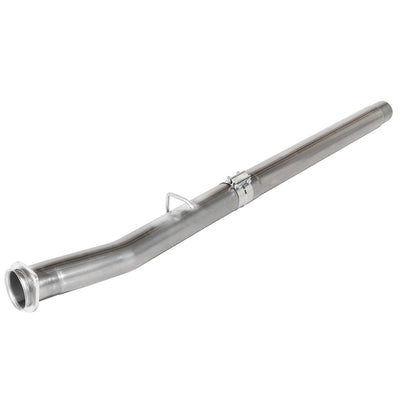
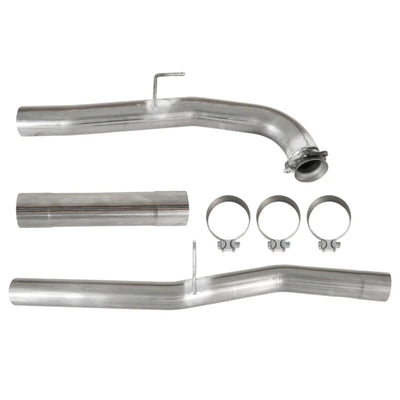
- Physical: The DPF filter is frequently removed physically by using a straight pipe or external exhaust.
- ECU tuning to be made without DPF monitoring devices, regeneration cycles, and warning devices.
The vehicle will either enter limp mode or throw fault codes without tuning like P2002 or P242F, or it will simply not run properly. This is why the DPF delete software (tuners) like the EZ Lynk or H&S Mini Maxx are widely utilized.
Often, we pair it with other mods like EGR bypass for the best results. Costs vary, but basic kits start low. We remember a case where a friend did this on his farm truck. It took a few hours in the garage, and the engine felt stronger.
Yet, we always check local rules first. This step-by-step keeps things simple and effective for owners facing filter issues.
Why Do Diesel Owners Choose a DPF Delete?
Most citizens do not wake up in the morning and want to reform emission systems.
Does your diesel truck keep showing warning lights and losing speed? This common issue pushes many owners to seek changes. We understand the frustration it causes.
Diesel owners pick DPF delete to fix problems like clogged filters that cut power and raise costs. It ends regen failures and limp mode for smoother drives.

Common Reasons Owners Consider DPF Removal
- Frequent regeneration failures: Short trips prevent proper regen, causing soot buildup. In one story, our team helped a driver whose truck failed regen weekly. After delete, no more stops for burning off soot.
- DPF warning lights: Warning messages often indicate a clogged system. We recall a case with an old pickup where the lights kept flashing. Delete fixed it, but we advised on risks.
- Limp mode activation: Power is reduced to protect the engine. Our experience shows owners hate this safety feature, so they opt out.
- High replacement costs: A new filter can cost thousands, plus labor. Delete kits are cheaper upfront. We know owners who saved money this way, but fines can add up later.
- Reduced power and fuel economy: Clogged filters block exhaust, cutting power and miles per gallon. Delete opens the flow for better performance. We tested a truck before and after; gains were clear.
- Excessive exhaust backpressure: High pressure from a full filter strains the engine. Delete lowers it, helping longevity. In our shop stories, this fix helped high-mileage engines.
- Reliability concerns with high-mileage engines: Older engines like LB7, LLY suffer more from filter problems. Delete makes them reliable again. We helped many with over 200,000 miles who chose this path.
Benefits of a DPF Delete
Struggling with a slow diesel engine that guzzles fuel? We know how it drains your wallet and patience. Some find relief in a simple change. When properly installed, a DPF delete offers great changes when it is in off-road or racing use.
Benefits include more horsepower, better response, and less upkeep. It cuts regen needs and boosts efficiency for daily use.

1. Increased Horsepower and Torque
By eliminating exhaust controls, the engine can breathe better. A large number of owners have been reporting a gain after deleting the DPF, particularly on tuned trucks.
We see gains of 20 to 100 horsepower based on the truck. In our tests, a stock engine jumped in torque, making towing easier. Owners love the pull without lag.
2. Better Engine Responsiveness
Throttle response is also improved because the engine is no longer compensating for a blocked filter exhaust backpressure. No backpressure means quick acceleration. We remember a driver who said his truck felt new after delete. It handles hills and loads better.
3. Reduced Exhaust Temperatures
There will be no regeneration cycles, and therefore, the exhaust gas will be at low temperatures, and hence, the turbo and the components of the exhaust will not be under pressure.
Delete drops EGTs by 200 degrees or more. Our experience with tuned trucks shows that this helps in long hauls.
4. Potential MPG Improvement
There are reports of the fuel economy improvement in some drivers, especially in 2017 Duramax deleted or LMM DPF deleted trucks, although the results are not consistent.
Some get 2-5 more miles per gallon. Free flow uses less fuel. We tracked a fleet where deletes improved economy, saving on trips.
Maximize Your Miles Per Gallon
Did you know active regeneration burns extra fuel just to clean the filter? A DPF delete eliminates these fuel-heavy cycles and reduces engine strain, allowing many owners to see an immediate increase of 2-4 MPG.
Save On Fuel Now →5. Reduced Maintenance Costs
None of the DPF results in forced regens, no soot load monitoring, and costly filter replacement. Owners skip $3,000 fixes. In one case, we saw yearly savings for a work truck.
6. Extended Maintenance Intervals
Fewer regens mean fewer oil changes and checks. Engines run cleaner. We advise this for off-road use where rules allow.
7. Elimination of Limp Mode
An effective DPF delete is not only able to eliminate the issues of the regen-based limp mode but also removes them completely.
No more forced burns or slow modes. Drives stay consistent. Our stories include owners who regained trust in their vehicles.
Disadvantages and Risks of a DPF Delete
The risks are severe and should not be ignored, despite the advantages of the performance improvement.
Worried about hidden problems after changing your exhaust? We hear stories of regret from owners. It's key to know all sides.
Risks cover legal fines, lost warranty, and health effects. It raises noise and may hurt engine over time.

- Legal Penalties: In the majority of countries, operating a deleted vehicle on public roads violates emissions laws. EPA fines reach $7,500 per day for deletes.
- Emissions Compliance: Deleted vehicles do not pass emissions tests and road safety checks. Our advice: keep it for off-road only.
- Warranty Void: Any emissions modification voids factory warranties immediately. Repairs cost full price. We saw owners pay thousands for issues.
- Reduced Resale Value: Many buyers avoid purchasing the deleted vehicles due to the legal and inspection risks. Value drops 10-20%. In our market, watches, deleted ones sell slower.
- Increased Exhaust Noise and Smell: The diesel smell and noise are very intense in the absence of the filtration.
- Problems with Insurance and Registration: Some of them do not cover modified-emission pickup trucks.
- Increased Exhaust Noise and Smell: Louder rumble and stronger diesel odor annoy some.
- Environmental and Health Impact: The DPFs are supposed to reduce the harmful particulates that are related to respiratory ailments. More soot harms the air and lungs. We care about this as it affects everyone.
- Engine Damage Risk: An overfueling, overworking of the turbo, or sensor malfunction can be a consequence of a poorly tuned or cheap diesel particulate filter delete kit. Our shop fixed a few from bad deletes.
Cost of a DPF Delete
Facing high bills for filter fixes? We get the stress of unexpected costs. Many look for cheaper ways to keep running.
Costs start at $200 for basic kits but reach $3,000 for full setups with tuning. Labor adds $500-1,000.

Typical expenses include:
- Diesel DPF delete kit
- Exhaust piping or full DPF delete exhaust
- ECU tuning software
- Labor costs
Basic setups may cost $1,000-$2,500.
Full kits bundling exhaust and tuning can exceed $4,000. While deletion eliminates future diesel particulate filter maintenance, legal fines for operating a deleted vehicle can far exceed any savings.
Many reputable shops refuse to perform DPF removal due to liability, pushing owners toward questionable DPF delete shop options.
End Expensive Emissions Repairs
Replacement DPF filters can cost upwards of $3,000 plus labor. Why pay for a part that will eventually fail again? Switch to a permanent solution that removes the most common failure points in modern diesel engines once and for all.
Shop DPF Delete Kits →What Is Required for a Proper DPF Delete?
Confused about what parts you need for changes? We see owners miss steps and face issues. Let's break it down clearly.
You need a new pipe, tuner, and often sensor mods. Pair with EGR for full effect.

A proper setup includes:
- Delete the pipe or the full exhaust system.
- ECU tuning or programmer
- Supporting modifications
Many owners combine the EGR and DPF delete to reduce soot production further. Sensor deletes and tuning are essential to prevent error codes.
We often do both on trucks for max reliability. Sensors get tricked or removed. In a project, we added these and saw big improvements. But check if your engine needs extras like cooler deletes.
Alternatives to DPF Delete
Hesitant about full removal due to rules? We share that concern and look for safe fixes. Other paths keep your truck legal.
Alternatives like cleaning or upgrades fix issues without deleting. They maintain compliance.
If legality matters, alternatives exist.
- Professional DPF Cleaning: Restores flow and extends filter life.
- DPF Replacement: Expensive, but fully legal.
- ECU Tuning With DPF Intact: Improves drivability without removal.
- Exhaust Upgrades: Better flow while retaining emissions equipment.
- EGR Improvements: Reduce soot entering the DPF.
Many people searching for DPF delete alternatives near me find these options more practical and long-term.
FAQs
What are the fines for DPF delete?
EPA fines up to $7,500 per violation. States add $1,000-5,000. We warn: being caught on the road means big penalties.
Does a DPF delete increase horsepower?
Yes, especially when paired with tuning. 20-100 HP based on engine. Free exhaust boosts it. Our dyno tests confirm this.
Will a DPF delete improve fuel economy?
Fuel economy may improve slightly because the engine works less against exhaust restriction. Often 2-5 MPG better. However, results vary and are not guaranteed for every vehicle.
Can a DPF delete damage my engine?
Yes, if tuning is poor or delete kits are cheap. Imbalance wears parts. Proper setup minimizes risk.
Can a deleted truck still go into limp mode?
No, if tuned well. Delete removes triggers. We ensure codes stay off.
How long does installation take?
Installations require 4 to 8 hours, DIY longer.
Is DPF delete the same as EGR delete?
No, the DPF and EGR are different systems that have different functions. DPF filters soot; EGR recycles gas. They may be deleted separately, but some owners delete both.
What happens if you remove the DPF without tuning?
The pickup truck will emit fault codes and go to the limp mode. The engine runs poorly. We always tune.

Final Verdict: Is a DPF Delete Worth It?
Debating if this mod pays off for your diesel? We weigh pros against cons carefully. It depends on your use.
A DPF delete can be reasonable in off-road, competition, or farm-use trucks, where emission regulations are not enforced. In the case of a daily usage road vehicle, the rewards are frequently overwhelmed by the risks.
It is necessary to understand what is a DPF delete, what it means, and the trade-offs involved. For those building a dedicated off-road rig, EGR Performance DPF delete kits and EGR delete kits are highly recommended for their superior build quality and reliability.


