What does a PCV reroute kit do for a 6.6L LLY LBZ LMM Duramax?
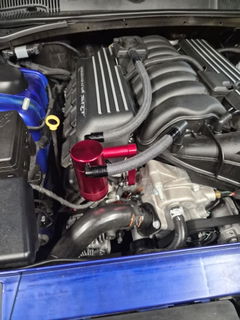
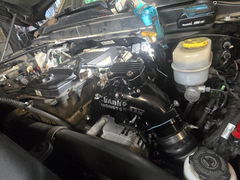
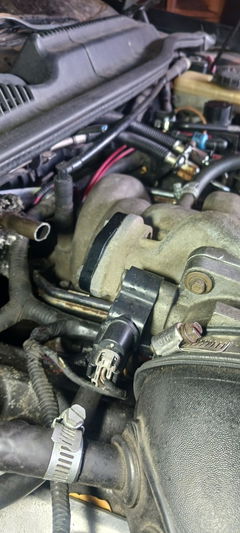
A PCV reroute kit redirects the crankcase ventilation gases from your 6.6L LLY, LBZ, or LMM Duramax away from the turbo inlet and intake tract, venting them to atmosphere below the truck instead. The factory PCV system routes blow-by vapors carrying atomized oil straight back into the turbo compressor, which then pumps that oil through the intercooler and into the intake manifold.
By rerouting those vapors through oil-resistant silicone reinforced hose, the turbo, intercooler, charge pipes, and intake manifold all stay dry and free of oil contamination. The kit replaces the factory PCV crossover tube with CNC-machined 6061-T6 billet aluminum valve cover fittings sealed with high-temperature Viton O-rings.
Crankcase pressure still vents properly, it just no longer carries oil through your entire intake system. The result is cleaner charge air, lower intake temperatures, and longer component life across the board.
Do I need a tuner after installing a PCV reroute on my LLY LBZ or LMM Duramax?
No, a tuner is not required after installing a PCV reroute kit on the 6.6L LLY, LBZ, or LMM Duramax. Unlike an EGR delete that removes an emissions component monitored by the ECM, the PCV reroute simply changes where the crankcase vapors exit the engine.
The ECM does not monitor the PCV system for position or flow the way it monitors the EGR valve, so rerouting the crankcase vent will not trigger a check engine light or throw fault codes on its own. The engine runs the same calibration it had before the reroute.
That said, many owners combine the PCV reroute with tuning as part of a broader build. If you are already running a tune, the PCV reroute complements it by keeping the intake tract clean so the engine can take full advantage of the additional fuel and timing the tuner provides.
Will a PCV reroute improve horsepower on my LLY LBZ or LMM Duramax?
A PCV reroute does not directly add horsepower the way a tune or turbo upgrade does. What it does is preserve the power your engine already makes by preventing the gradual power loss that comes from oil-fouled intercooler fins, contaminated charge pipes, and oil-saturated intake boots.
When the factory PCV system pumps oil vapor through the intercooler for tens of thousands of miles, the oil film insulates the fins and reduces heat transfer efficiency. Hotter intake air means less dense oxygen reaching the cylinders, which costs you power under load, especially during sustained towing.
By keeping the entire intake tract dry, the PCV reroute allows the intercooler to operate at peak efficiency and the turbo to build boost without fighting oil-dragged compressor surfaces. Most owners notice sharper throttle response and more consistent power delivery, particularly under heavy towing or high-ambient temperature conditions.
What are the symptoms of a bad PCV system on the LLY LBZ or LMM Duramax?
The most common symptoms of a failing or overwhelmed PCV system on the 2004.5-2010 6.6L LLY, LBZ, and LMM Duramax include oil pooling on top of the valve covers and around the intake manifold, indicating that the PCV crossover tube or valve cover fittings are leaking crankcase pressure.
You may also notice swollen, soft, or weeping intake boots that have been degraded by constant oil exposure. Oil residue inside the turbo compressor housing or visible oil dripping from the intercooler pipes when you disconnect them is another clear sign that the factory PCV system is pushing too much oil vapor into the intake tract.
Other symptoms include a persistent oily smell in the engine bay under boost, higher than normal intake air temperatures on your gauge because the intercooler is coated internally with oil, and in severe cases, misfiring at idle caused by oil pooling in the intake manifold and fouling the intake ports.
How long does it take to install a PCV reroute kit on an LLY LBZ or LMM Duramax?
Installation of a PCV reroute kit on the 6.6L LLY, LBZ, or LMM Duramax typically takes 30 to 60 minutes for an experienced diesel mechanic. A skilled DIY owner working at home with basic hand tools can expect 1 to 2 hours for the full job.
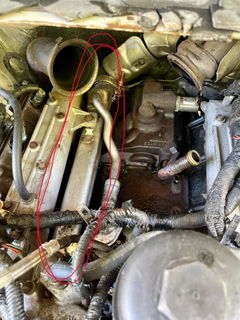
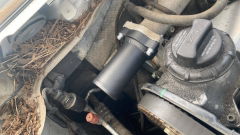
The process involves removing the factory PCV crossover tube by unbolting the 6mm fasteners from each valve cover, installing the CNC-machined billet aluminum valve cover fittings with Viton O-ring seals, routing the silicone reinforced hose down and away from the engine, and securing it with the supplied clamps.
You will need a basic metric socket set, a pair of pliers for the hose clamps, and a few zip ties to secure the reroute hose away from hot exhaust components. No coolant drain, no oil drain, and no ECM reprogramming are required. The job is straightforward enough to tackle in your driveway on a Saturday morning.
Can I do a PCV reroute with hardware store hose instead of a kit?
Some Duramax owners have built DIY PCV reroutes using hardware store heater hose and basic fittings, and it can function as a temporary solution. The problem is that standard heater hose and generic rubber hose are not formulated for continuous oil exposure.
Over time, engine oil degrades rubber hose from the inside out, causing it to soften, swell, and eventually crack or collapse. When that happens, crankcase pressure has nowhere to vent, and you end up with blown valve cover gaskets and crank seal leaks that cost far more to fix than a proper kit.
Our PCV reroute kits use 100% silicone reinforced hose that is specifically rated for oil resistance and extreme underhood temperatures, paired with precision CNC-machined 6061-T6 billet aluminum fittings that seal perfectly against the factory valve cover ports. The fitment, sealing, and durability of a purpose-built kit far exceeds what you can cobble together from generic parts.
Will a PCV reroute cause blow-by or smoking on my LLY LBZ or LMM Duramax?
A PCV reroute does not create blow-by. Blow-by is caused by worn piston rings, scored cylinder walls, or excessive crankcase pressure that exceeds the engine's ability to vent, and those conditions exist independently of whether the PCV system is rerouted or stock.
What the reroute does is make existing blow-by more visible, because the crankcase vapors now vent below the truck through open hose instead of being recirculated and burned through the engine. If you notice heavy vapor or smoke coming from the reroute hose after installation, that vapor was already present in the crankcase before the reroute, it was just being ingested back through the intake.
On a healthy LLY, LBZ, or LMM Duramax with good ring seal, the reroute hose will show minimal vapor at idle and light throttle. If you see heavy, constant smoke from the reroute, it points to an underlying engine condition that needs to be addressed, not a problem caused by the kit itself.
What is included in the PCV reroute kit for LLY LBZ LMM Duramax from EGR Performance?
Our PCV reroute kit for the 2004-2010 6.6L LLY, LBZ, and LMM Duramax includes CNC-machined 6061-T6 billet aluminum valve cover fittings that replace the factory PCV crossover tube, sealed with high-temperature Viton O-rings for a leak-free connection under boost.
The kit also contains 3/4-inch 100% silicone reinforced hose rated for continuous oil exposure and extreme underhood temperatures, precision-formed to route cleanly from the valve covers down below the truck. All necessary hose clamps and mounting hardware are included for a complete, bolt-on installation.
Our premium kit option includes a full 8 feet of silicone reinforced hose, giving you extra length for custom routing around aftermarket turbo setups, intake manifolds, or other engine bay modifications. Both kits are designed for direct fitment on the LLY, LBZ, and LMM valve covers with no drilling or permanent modifications required.
Is a PCV reroute legal for street use on the LLY LBZ or LMM Duramax?
No. PCV reroute and CCV delete kits are designed and sold for competition and closed-course off-road use only. Modifying or removing the factory crankcase ventilation system may violate federal EPA regulations and state or local emissions laws, depending on your jurisdiction.
Installing a PCV reroute on a vehicle registered for on-road use can result in failed emissions inspections in jurisdictions that test for crankcase ventilation integrity, and it may also void any remaining factory or extended warranty coverage on the engine and emissions systems.
EGR Performance sells these kits exclusively for off-road and competition applications. Customers are responsible for checking and complying with all local, state, and federal regulations before purchasing and installing any emissions modification product. Free shipping and our one-year warranty and 45-day return policy apply to all orders.
How do I keep the reroute hose from clogging on my LLY LBZ or LMM Duramax?
Hose clogging on a PCV reroute is rare when you use the correct materials and routing, but it can happen if the hose kinks, traps condensation, or receives inadequate ventilation volume. Start by ensuring the silicone reinforced hose is routed with no sharp bends or low spots where moisture and oil can pool.
Run the hose with a consistent downward slope from the valve cover fittings to the exit point below the truck, and secure it with zip ties away from exhaust manifolds and up-pipes that could degrade the hose material over time. Avoid routing the hose where it can get pinched between engine components during normal movement.
Periodically inspect the hose ends and fittings for oil buildup or residue that could restrict flow. If you notice crankcase pressure symptoms returning, check that the valve cover fittings are clear and that the Viton O-ring seals are intact and not partially blocking the outlet ports. A quick visual inspection at every oil change is usually enough to keep everything flowing freely.