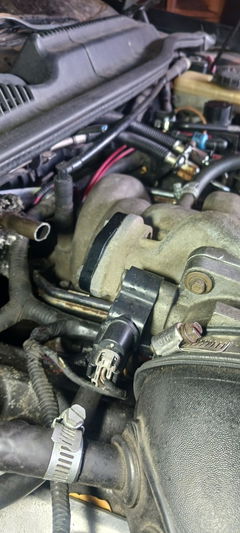
What does an EGR delete kit do for a 2004.5-2005 LLY Duramax?
An EGR delete kit removes the factory Exhaust Gas Recirculation system from your 6.6L LLY Duramax by blocking off the EGR feed at the up-pipe and sealing the intake connection with a CNC-machined billet aluminum plate. The LLY was the first Duramax to run an EGR system from the factory, and it recirculates hot, soot-filled exhaust gases back into the intake manifold.
By eliminating that circuit, the engine breathes 100% clean, compressed air from the turbo. Intake manifold temperatures drop, carbon soot buildup stops accumulating in the intake ports, and exhaust gas temperatures come down under heavy towing loads.
The kit also reroutes coolant around the removed EGR cooler using T304 stainless steel bypass tubes, which eliminates the cooler as a potential cracking and coolant-contamination failure point on the LLY platform.
Do I need a tuner after installing an LLY Duramax EGR delete kit?
Yes, a tuner is required after installing any EGR delete on the 6.6L LLY Duramax. Without tuning, the ECM will detect that the EGR valve is no longer responding and throw a check engine light, and in many cases the truck will enter limp mode.
A diesel tuner reprograms the ECM to disable EGR-related fault codes and adjust fuel mapping for the cleaner, denser intake air charge the engine now receives. Popular tuning options for the LLY include EFI Live custom tuning and standalone programmers.
Running the delete without a tune will trigger codes for EGR position deviation and flow errors, so budget for tuning as part of the total project cost when you plan your LLY EGR delete.
Will an LLY EGR delete improve horsepower on my 6.6L Duramax?
An EGR delete alone does not add massive horsepower gains on the LLY Duramax. The real benefit is restoring the power your engine has been losing to soot-choked intake ports and elevated underhood temperatures over time.
Where the gains show up is when you combine the EGR delete with a custom tune and supporting modifications like a high-flow intake elbow or turbo-back exhaust. The cleaner, cooler, denser intake air charge allows the tuner to safely push more fuel and timing without spiking EGTs.
Most LLY owners who delete the EGR and add tuning notice sharper throttle response, lower exhaust gas temperatures under tow, and a more responsive turbo that builds boost faster because it is no longer fighting restricted intake ports.
What are the symptoms of a failing EGR system on the LLY Duramax?
The most common symptoms of a failing EGR system on the 2004.5-2005 6.6L LLY Duramax include sluggish throttle response, especially from a stop or when accelerating onto the highway under load.
You may also notice elevated exhaust gas temperatures on your pyrometer gauge during towing, white smoke or a sweet smell from the exhaust indicating coolant is leaking through a cracked EGR cooler, and a check engine light triggered by EGR position or flow codes.
Other signs include soot buildup visible inside the intake manifold when you remove the intake horn, coolant loss with no visible external leaks, and in severe cases, overheating under sustained heavy loads because the cooling system is being taxed by the compromised EGR cooler.
How long does it take to install an EGR delete kit on an LLY Duramax?
Installation of an EGR delete kit on the 6.6L LLY Duramax typically takes 3 to 5 hours for an experienced diesel mechanic working with a lift and the proper tools. A skilled DIY owner working in a home garage with jack stands can expect 5 to 7 hours for the full job.
The process involves removing the factory EGR valve and cooler assembly, installing the billet aluminum block off plate on the intake side, connecting the T304 stainless steel coolant bypass tubes, and capping or replacing the EGR feed at the up-pipe.
You will need a basic metric socket set, torque wrench, coolant drain and refill supplies, and new gaskets. Always follow the specific instructions included with your kit and torque all fasteners to specification to prevent boost or coolant leaks.
Can I just use an EGR blocker plate instead of a full delete on the LLY?
An EGR blocker plate is a simpler, less expensive option that blocks exhaust gas flow at the up-pipe feed point. It stops new soot from entering the intake but leaves the EGR cooler, valve, and plumbing in place under the hood.
The problem with running only a blocker plate on the LLY is that the EGR cooler remains in the cooling circuit and continues to be exposed to extreme exhaust gas temperatures. Over time, the cooler can still crack and contaminate the cooling system, which defeats part of the purpose.
A full EGR delete removes the cooler entirely and reroutes the coolant circuit with stainless steel bypass tubes. If you want to eliminate the cooler as a failure point and reduce thermal load on the LLY cooling system, the full delete is the more complete solution.
Will deleting the EGR on my LLY Duramax cause head gasket issues?
Deleting the EGR on the LLY Duramax actually reduces the risk of head gasket failure, not increases it. The LLY cooling system is already pushed hard from the factory, and the EGR cooler adds significant thermal load to the coolant circuit.
When the EGR system recirculates hot exhaust gases, it raises intake manifold temperatures and forces the cooling system to absorb and reject more heat than it was originally designed to handle. That thermal stress contributes to the head gasket failures the LLY platform is known for.
By removing the EGR cooler from the coolant circuit and eliminating hot exhaust gas recirculation, the entire cooling system runs cooler under load, which directly lowers the thermal stress on the cylinder heads and head gaskets.
What is included in the LLY Duramax EGR delete kit from EGR Performance?
Our LLY Duramax EGR delete kit includes a CNC-machined 6061-T6 billet aluminum EGR block off plate that seals the intake manifold connection with a precision machined sealing surface and high-temperature Viton O-ring.
The kit also contains T304 stainless steel coolant bypass tubes with precision TIG-welded fittings that reroute coolant flow around the removed EGR cooler, Grade 10.9 mounting hardware rated for extreme thermal cycling, and all necessary gaskets for a complete, leak-free installation.
For owners looking to maximize airflow, our combined EGR delete with high-flow intake elbow kit also replaces the restrictive factory intake horn with a larger diameter, smoother radius elbow that improves turbo discharge airflow into the intake manifold.
Is an LLY Duramax EGR delete legal for street use?
No. EGR delete kits are designed and sold for competition and closed-course off-road use only. Removing or disabling any emissions control device, including the EGR system, violates federal EPA regulations and may also violate state and local emissions laws.
Installing an EGR delete on a vehicle registered for on-road use can result in failed emissions inspections, fines, and the inability to register the vehicle in jurisdictions that require emissions testing. It may also void any remaining factory or extended warranty coverage on the engine and emissions systems.
EGR Performance sells these kits exclusively for off-road and competition applications. Customers are responsible for checking and complying with all local, state, and federal regulations before purchasing and installing any emissions delete product. Free shipping and our one-year warranty and 45-day return policy apply to all orders.
How do I prevent boost leaks after installing an LLY EGR delete?
Boost leaks after an LLY EGR delete are almost always caused by improper sealing at the block off plate or intake elbow connection. Start by verifying that all gaskets are seated correctly and that the Viton O-ring is properly seated in the machined groove on the billet aluminum block off plate.
Torque all mounting fasteners to the specification listed in your kit instructions in a crisscross pattern to ensure even clamping pressure across the sealing surface. Do not over-torque, as that can distort the aluminum plate and create gaps in the seal.
After installation, pressurize the intake system with a boost leak tester and check all connections with soapy water. If you installed the high-flow intake elbow version, double check the coupler clamps at the turbo outlet and intercooler pipe connections, as those are the most common leak points on the LLY after any intake work.