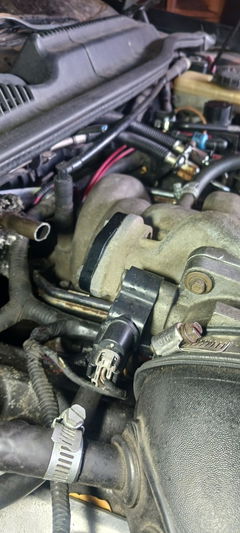
7.3 Powerstroke IPR Valve & ICP Sensor

7.3 Powerstroke IPR Valve, ICP Sensor & Fuel Pressure Regulator Parts

HEUI High-Pressure Oil Control and Fuel Delivery Built to Hold Pressure

The 7.3 Powerstroke fires its injectors off high-pressure engine oil through the HEUI injection system, so when the IPR valve, ICP sensor, or fuel pressure regulator get weak, the whole injection event falls apart. This collection covers the high-pressure oil regulation and fuel delivery parts that keep your 7.3 starting clean and pulling hard under load. The IPR valve uses a CNC-machined brass housing with a 304 stainless internal spool, a precision-wound solenoid coil, high-temperature Viton O-rings, and gold-plated connector pins that resist the oil intrusion that rots factory pigtails. The ICP sensor pairs a stainless steel body with a piezoresistive sensing element rated for the full 0 to 4000 psi oil rail window and a sealed 3-pin connector that stops the oil-wicking failures common on 1995 to 2003 trucks. The fuel pressure regulator blue spring kit rounds out the set with a CNC-machined 6061-T6 billet aluminum cap and a precision-wound blue spring steel calibrated to hold 60 to 65 psi at the fuel bowl.

Built for Heavy Towing and Fixing the Known OEM Weak Points

Shop owners know the 7.3 by its failure patterns, and every part in this lineup targets one of them. The factory fuel pressure regulator spring fatigues over mileage and lets fuel pressure sag toward 40 psi, starving the injectors when you are pulling a loaded gooseneck up a long grade. The blue spring upgrade is the fix, and it lifts pressure back into the 60 to 65 psi range that Ford moved to with their own service update. On the oil side, the IPR valve screen loads up with debris and the spool sticks open, and the ICP sensor leaks oil straight through its connector until the signal drifts. Our parts hit those exact failure points with Viton seals that survive sustained high oil temperatures and a black-oxide 4140 chromoly IPR removal tool that extracts the old valve without rounding the hex. These are the components that turn a hard-starting, surging 7.3 back into a truck that fires on the first crank and holds a steady idle.

Why Thousands of Diesel Owners Trust EGR Performance

EGR Performance: Engineered for Power. Backed for Life.

Max efficiency, restored horsepower, and prolonged engine life for your EGR, DPF, and CCV systems on Powerstroke, Duramax, Cummins engines, etc.

  • Free Shipping: Fast & free delivery to get you back on the road sooner.
  • 45-Day Returns: Shop risk-free with our generous 45-day return policy.
  • 1-Year Warranty: Tested under extreme conditions. Guaranteed to perform.
  • 24/7 Live Support: Real-time tech help from fitment to post-install tuning.
Product Engine Vehicle Model Year Range
IPR Valve (Injection Pressure Regulator) 7.3L Powerstroke Ford F250, F350, F450, F550 1995-2003
ICP Sensor (Injection Control Pressure) 7.3L Powerstroke Ford F250, F350, F450, F550 1995-2003
Fuel Pressure Regulator Blue Spring Kit 7.3L Powerstroke Ford F250, F350 1999-2003
IPR Injector Pressure Regulator Removal Tool 7.3L Powerstroke Ford F250, F350, F450, F550 1995-2003

Shop 7.3 Powerstroke IPR Valve & ICP Sensor Now!

EGR Performance: EGR, DPF, CCV & Diesel Tuning Solutions for Powerstroke, Cummins, and Duramax

EGR DELETE KITS

View More
EGR Delete Kits Performance Parts

CCV PCV REROUTE KIT

View More
CCV PCV Reroute Kits

DPF DELETE KITS

View More
DPF Delete Kits

DIESEL TUNERS

View More
diesel tuners

Why Does Your 7.3 Powerstroke Need an IPR Valve & ICP Sensor?

Soot and Oil Debris Loading the IPR Valve Screen

The IPR valve is the PCM-controlled solenoid that bleeds high-pressure oil to regulate injection pressure, and over tens of thousands of miles its fine mesh screen plugs with soot, sludge, and wear debris from the high-pressure oil pump.
Once that debris locks the 304 stainless spool, the valve cannot build the roughly 500 psi of injection control pressure the HEUI system needs to fire the injectors, and the truck turns into a hard starter or a crank-no-start.
A stuck IPR solenoid also drives the duty cycle to its limit while ICP pressure stays flat, which is the signature you see on a scan tool.

Thermal Fatigue and Oil Intrusion at the ICP Sensor

The ICP sensor reads the 0 to 4000 psi oil rail pressure and feeds that signal back to the PCM, but sustained oil heat cooks the Viton seal and lets engine oil wick up through the sensor pigtail.
That oil intrusion corrupts the 0 to 5 volt signal, so the PCM chases a false pressure and you get a surging idle, misfires, and codes like P1211.
It is one of the most common failures on the 1995 to 2003 7.3, and a fresh sealed sensor is the only real cure.

Fatigued Fuel Pressure Regulator Spring Starving the Injectors

On the fuel side, the factory fuel pressure regulator spring in the fuel bowl takes a set over mileage and lets fuel pressure bleed down toward 40 psi under load.
Low fuel pressure shortens injector life and starves the HEUI injectors when you are towing heavy, which shows up as a loss of power and a rough idle.
The blue spring upgrade is the established fix that pulls fuel pressure back up to the 60 to 65 psi window Ford settled on.

What Can an IPR Valve & ICP Sensor Solve?

Restored High-Pressure Oil Regulation

A new IPR valve with a clean spool, a fresh Viton seal, and a precision solenoid coil gives the PCM honest control over high-pressure oil, so the truck hits cranking ICP pressure and fires on the first try.

Accurate Pressure Feedback to the PCM

A sealed stainless ICP sensor with an oil-tight 3-pin connector returns a clean signal across the full 0 to 4000 psi range, clearing the surging idle and the ICP codes that follow a leaky factory sensor.

Steady Fuel Delivery Under Load

The fuel pressure regulator blue spring kit, with its 6061-T6 billet aluminum cap and calibrated blue spring steel, holds 60 to 65 psi at the fuel bowl and protects the injectors during heavy towing.

Clean, Damage-Free Service

The black-oxide 4140 chromoly IPR removal tool gets the old valve out of the high-pressure oil pump without rounding the hex or cracking the housing, which saves the pump on both OBS and Super Duty trucks.

Shop 7.3 Powerstroke IPR Valve & ICP Sensor by Ford Engine & Fitment Guide

  • IPR Valve (Injection Pressure Regulator) - Fits 7.3L Powerstroke in 1999-2003 Ford F250, F350, F450, F550 Super Duty and Excursion (late 17-degree HPOP). Restores high-pressure oil regulation with a 304 stainless spool and Viton seal so the truck builds the 500 psi cranking ICP it needs to fire.
  • IPR Valve (Injection Pressure Regulator) - Fits 7.3L Powerstroke in 1995-1997 Ford F250, F350, and Bronco OBS (early 15-degree HPOP). Same precision solenoid coil and Viton O-rings, matched to the older pump and connector.
  • ICP Sensor (Injection Control Pressure) - Fits 7.3L Powerstroke in 1999-2003 Ford F250, F350, F450, and F550 (driver side cylinder head oil rail). Sealed 3-pin stainless sensor stops oil intrusion and gives the PCM accurate 0 to 4000 psi feedback.
  • ICP Sensor (Injection Control Pressure) - Fits 7.3L Powerstroke in 1995-1997 Ford F250, F350, and Bronco OBS (front of driver side cylinder head). Oil-tight connector ends the oil-wick failure that sets P1211.
  • Fuel Pressure Regulator Blue Spring Kit - Fits 7.3L Powerstroke in 1999-2003 Ford F250 and F350 (fuel bowl). CNC-machined 6061-T6 billet aluminum cap and precision-wound blue spring steel hold fuel pressure at 60 to 65 psi.
  • IPR Injector Pressure Regulator Removal Tool - Fits 7.3L Powerstroke in 1995-2003 Ford F250, F350, F450, and F550. Black-oxide 4140 chromoly tool for clean valve extraction from the high-pressure oil pump without rounding the hex.

Why Choose EGR Performance?

The industry standard for high-performance diesel reliability.

Premium Quality & Rigorous Testing

Our EGR, DPF, and CCV delete kits are engineered from premium-grade materials and subjected to brutal quality control and field testing. Unlike generic alternatives, our products are built to withstand extreme heat and pressure, delivering unmatched durability and long-term stability when your rig needs it most.

20 Years of Proven Diesel Expertise

We aren't just selling parts. We live in this industry. With two decades of hands-on experience providing specialized modification solutions for heavy-duty truck owners, our upgrades have been extensively proven across every driving environment, from daily towing to high-performance tracks.

Industry-Leading Standards

We work hand-in-hand with top-tier industry partners and reputable organizations. Every product we design, test, and ship meets or exceeds strict industry standards, ensuring your Powerstroke, Cummins, or Duramax gets the exact precision it deserves.

Real Results, Proven Track Record

Thousands of diesel owners trust us to unlock their engine's true potential. Our massive library of positive customer feedback and successful build case studies proves one thing: our kits deliver real horsepower, lower EGTs, and flawless reliability in the real world.

What are the symptoms of a bad IPR valve on a 7.3 Powerstroke?

A failing IPR valve usually shows up as a hard start or a crank-no-start, because the HEUI system needs around 500 psi of injection control pressure to fire the injectors and a stuck spool cannot build it.
From there you get a rough or surging idle, a sharp power loss under load, heavy smoke, and stalling when you let off the throttle.
On a scan tool you will often see a high IPR duty cycle paired with low ICP pressure, which points straight at the IPR solenoid not regulating the high-pressure oil pump output.

How do I know if my 7.3 Powerstroke ICP sensor is bad?

The ICP sensor reports actual high-pressure oil to the PCM, so when it drifts you get a surging idle, misfires, poor throttle response, and a check engine light with codes like P1211.
The fastest field test is to unplug the ICP sensor and crank the truck, since the PCM falls back to a default pressure map and if it runs better the sensor or its pigtail is the problem.
Pull the connector and look for oil intrusion, because oil wicking through the ICP sensor pigtail is the most common failure on 1995 to 2003 trucks.

Where is the ICP sensor located on a 7.3 Powerstroke?

On 1999 to 2003 Super Duty trucks the ICP sensor sits on the driver side cylinder head oil rail, near the fuel bowl and the high-pressure oil pump.
On the 1995 to 1997 OBS trucks it is on the front of the driver side cylinder head, with the harness running between the fender well and the firewall.
It is a sealed 3-pin sensor, and you reach it from the top of the engine bay after clearing the fuel bowl area.

Where is the IPR valve located on a 7.3 Powerstroke?

The IPR valve threads into the high-pressure oil pump at the rear of the engine on the driver side, and it is what the PCM pulses to regulate oil pressure to the injectors.
On the 1999 to 2003 trucks it sits in the late 17-degree HPOP, and on the 1995 to 1997 OBS trucks it is in the early 15-degree pump.
A black-oxide 4140 chromoly IPR removal tool is the clean way to get the old valve out without rounding the hex or cracking the pump housing.

How do you test an IPR valve on a 7.3 Powerstroke?

Start with the electrical check while cranking, where the red wire should carry 12 volts and the yellow wire should pulse ground from the PCM.
If power and ground are good but the truck still will not build ICP pressure, pull the ICP sensor, cover the hole with a rag, and apply 12 volts to the IPR solenoid while cranking so you can hear it click.
For a precise read, use FORScan with a Bluetooth OBD2 adapter and watch the IPR duty cycle against actual ICP pressure to confirm the valve is not holding pressure.

What is the blue spring upgrade on a 7.3 Powerstroke fuel pressure regulator?

The blue spring upgrade is the higher-rate spring kit that replaces the fatigued factory spring in the fuel bowl fuel pressure regulator to bring fuel pressure back up to the 60 to 65 psi range.
The factory spring weakens over mileage and lets pressure sag toward 40 psi, which starves the injectors and shortens their life under load.
The kit uses a CNC-machined 6061-T6 billet aluminum cap and a precision-wound blue spring steel to hold steady fuel pressure on 1999 to 2003 trucks.

What fuel pressure should a 7.3 Powerstroke run?

A healthy 1999 to 2003 7.3 Powerstroke should hold about 60 to 65 psi at the fuel bowl at idle and under load, which is the range Ford moved to with their service update.
Anything under 45 psi points to a fatigued fuel pressure regulator spring or a regulator that is bleeding off internally.
The blue spring kit is the direct fix that puts the reading back in the safe window and protects the injectors during heavy towing.

Will a bad ICP sensor cause a 7.3 Powerstroke not to start?

Yes, a failed ICP sensor is one of the leading causes of a crank-no-start, because the PCM will not command the injectors until it sees a credible pressure signal near 500 psi.
Unplug the sensor and crank the truck, and if it fires on the default map you have isolated the sensor or its oil-soaked pigtail.
From there a fresh sealed 3-pin ICP sensor clears the no-start and the related codes.

What years does the 7.3 Powerstroke IPR valve and ICP sensor fit?

These IPR valve and ICP sensor parts cover the full 1995 to 2003 Ford 7.3 Powerstroke range, including the F250, F350, F450, and F550.
The 1995 to 1997 OBS trucks run the early 15-degree high-pressure oil pump, while the 1999 to 2003 Super Duty trucks run the late 17-degree pump with the ICP on the driver side head.
The fuel pressure regulator blue spring kit is specific to the 1999 to 2003 Super Duty fuel bowl, so match the kit to your generation before ordering.

Are these IPR valve, ICP sensor, and fuel pressure regulator parts street legal?

These components are intended for competition and closed-course off-road use only, and buyers are responsible for checking their local emissions laws before installation.
If you are unsure of your exact fitment across the 1995 to 2003 range, contact our 24/7 live support before ordering so you get the right part the first time.
Every order ships fast and free, is backed by a 1-year warranty, and carries a 45-day return policy so you can buy with confidence.