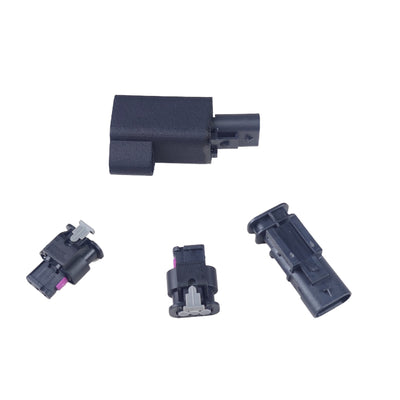

⚡ 30-Second Summary: Mopar Valve Simulators
Installing active valve simulators prevents 95% of CEL issues during aftermarket exhaust upgrades on Dodge platforms. Mounting these electronic overrides before a full cat-back installation is essential to preserve your factory Sport and Track modes. This straightforward step saves $300+ in dealership diagnostic fees and ensures your Challenger or Charger operates flawlessly. We highly recommend utilizing an EGR Performance exhaust valve simulator for clean, plug-and-play reliability.
Upgrading your Dodge Charger or Challenger exhaust should feel like a win. Better sound, better performance, more aggressive tone. But plenty of owners fire up the engine after the install and immediately see a check engine light.
The excitement disappears fast. The culprit is almost always the active exhaust system. Modern Dodge performance vehicles use electronically controlled active exhaust valves that the ECU watches constantly.
Pull those valves out without handling the electronics first, and the computer panics. An exhaust valve simulator stops that from happening, and this guide covers everything you need to know before you touch your exhaust.
Order this before your exhaust arrives. EGR Performance Exhaust Valve Simulator fits every 2015-present Charger, Challenger, and 300. It's plug-and-play, doesn't throw any codes, and takes about 15 minutes to install.
Table of Contents
- What Is an Exhaust Valve Simulator?
- What Does an Active Exhaust System Do on Dodge Models?
- Why Do You Need an Exhaust Valve Simulator Before an Upgrade?
- How Does a Dodge Active Exhaust Bypass Work?
- When Do You Need an Exhaust Valve Simulator (And When You Don't)?
- What Are the Benefits of Installing an Exhaust Valve Simulator First?
- Which Exhaust Upgrade Path Works Best for Charger and Challenger Owners?
- How Do You Install Dodge Valve Simulators Correctly and Common Mistakes
- FAQs
- Conclusion
What Is an Exhaust Valve Simulator?
Before we get into why you need one, here's what it actually does. This is the part that trips most people up during an exhaust install.
An exhaust valve simulator is a plug-and-play module that mimics the signal your factory active exhaust valve sends to the ECU. When you remove the factory valves, plug the simulator into the empty harness connector. It tells the computer everything's normal. The ECU sees a healthy signal, logs no fault codes, and your check engine light stays off.
Factory active exhaust systems use electric motors to open and close the butterfly valves inside the exhaust. These motors send constant resistance-based feedback to the ECU.
The simulator replicates that exact resistance, so the computer never detects a missing component. Installation is simple, unplug the factory harness, plug the simulator in, zip-tie it away from heat, start the car. No tuning, no coding, no dealer visit required.

Active Exhaust Bypass Kit for Dodge/Chrysler 2015-Present
7% OFF New Customer Coupon Code: EGR7
Buy NowWhat Does an Active Exhaust System Do on Dodge Models?
The active valve system adjusts exhaust flow based on drive modes and throttle. It makes the exhaust quiet in normal driving and loud in Sport or Track. This balance helps Dodge Challenger and Charger models meet noise rules while delivering fun.
Most people know their Charger, or Challenger, sounds different in Sport mode versus Normal. That difference is the active exhaust system at work. Understanding it helps you modify it without making expensive mistakes.
How the Active Exhaust Valve Controls Sound
The active valve performance exhaust system uses a motorised butterfly valve inside the rear muffler. In Normal mode, the valve partially closes, routing exhaust through a quieter path. In Sport or Track mode, the active exhaust valve opens fully, producing the loud active exhaust sound Mopar owners want.
The active exhaust system of the Dodge Charger and the active exhaust system of the Dodge Challenger both work this way, with one electronically controlled valve on each side creating the entire sound difference between modes.
Which Dodge Models Have This System?
The active valve exhaust system came standard on most Mopar performance trims starting in 2015. That includes the Challenger and Charger R/T, Scat Pack, Redeye, Hellcat, and the Chrysler 300S.
Both the Challenger active exhaust valve and the Dodge Charger active exhaust valve are wired directly to the ECU and are constantly monitored while the engine's running.
What Happens When You Unplug the Actuator?
The Dodge Charger active exhaust actuator sends live feedback to the ECU while the engine is running. Unplug it, and the computer immediately detects an open circuit , check engine light, stored fault codes, and on Scat Pack and Hellcat trims, a full lockout from Sport and Track drive modes. Losing those modes means losing performance throttle mapping, aggressive shift points, and sometimes launch control. All from one unplugged connector during an exhaust swap.
Why Do You Need an Exhaust Valve Simulator Before an Upgrade?
Installing an aftermarket exhaust without simulators causes an electronic mismatch. This leads to fault codes in 90% of cases. Simulators fix this and keep all modes working.

Most buyers focus entirely on sound clips and pipe diameter. The electronics get ignored until something goes wrong. There are three clear reasons the exhaust valve simulator should be the first part you order.
Preventing a Check Engine Light
The active exhaust sound system depends on continuous ECU feedback from the valve actuators. The moment that feedback disappears, the ECU throws a fault code. An exhaust valve simulator replicates that signal precisely, keeping the computer satisfied and the check engine light permanently off , even with the physical valves completely removed from the system.
Avoiding Drive Mode Lockout
A fault in the active exhaust valve dodge charger or active exhaust valve dodge challenger circuit locks you out of Sport and Track modes entirely. For a Hellcat or Scat Pack owner, those modes change how the whole car drives , throttle response, shift behaviour, and traction control calibration. A challenger active exhaust bypass or Dodge Charger active exhaust bypass prevents the fault from registering, so every drive mode stays fully accessible.
Fixing Aging or Seized Factory Valves
Many owners install simulators not for an exhaust upgrade but to fix a rattling or seized active exhaust valve kit on a higher-mileage car. The Dodge Charger active exhaust actuator is known to rust and seize after years of heat cycling. A challenger active exhaust delete kit paired with a simulator costs far less than OEM replacement, eliminates the faulty hardware permanently, and solves the rattle and fault code in one job.
Fix it before it causes problems. The EGR Performance Exhaust Valve Simulator is the clean, permanent solution for any Dodge owner removing factory active exhaust valves.
How Does a Dodge Active Exhaust Bypass Work?
Knowing what the simulator does mechanically gives you confidence that it is a real, permanent fix , not something that fails six months later. The technology is simple, and the installation is even simpler.
The Tech Behind It
A Dodge Challenger active exhaust bypass or active exhaust delete charger module replicates the exact impedance profile of the factory valve actuator. The ECU sends a control signal and waits for a specific resistance back. The simulator delivers that value passively and consistently across all drive modes and throttle inputs.
That precision separates a quality simulator from a cheap resistor plug that throws codes under certain conditions. The EGR Performance kit is purpose-built for the Dodge and Chrysler exhaust active sound system architecture, not a generic unit adapted from another platform.

No Coding or Tuning Required
A proper dodge charger active exhaust bypass is entirely plug-and-play. The hellcat active exhaust delete process using a simulator is identical across every Charger and Challenger trim, two connectors, two modules, one zip tie each.
No ECU flash, no dealer visit, no fabrication. And because no wiring is cut, the whole job can be reversed at any time.
When Do You Need an Exhaust Valve Simulator (And When You Don't)?
Not every exhaust modification needs a simulator. Buying one you do not need wastes money. Skipping one you don't need ruins the install. Here is how to tell the difference before spending anything.
Unlock Raw V8 Sound. Outsmart the Factory Computer.
Don't let restrictive factory programming trap your HEMI in Limp Mode just because you upgraded your exhaust. Our Active Exhaust Valve Simulators from EGR Performance are CNC-machined from solid billet aluminum to fool your PCM completely, mimicking factory valve resistance perfectly. Keep your Sport modes active, keep your dashboard clean, and let your V8 breathe the way it was born to.
Shop Dodge Active Exhaust Simulators→Upgrades That Require One
Any modification, removal, or permanent disconnection of the factory active exhaust valve requires a simulator before the engine starts.
This covers full cat-back systems, deleting the factory active muffler system pipes and valves, axle-back systems removing the rear active valve exhaust system section, and muffler deletes targeting a permanent open active exhaust sound.
If the factory actuator connector is left unplugged after the install, a simulator is not optional.
Upgrades That Do Not Require One
Mid-muffler swaps, leaving the rear valve section untouched, do not need a simulator. Some premium aftermarket active exhaust systems are also engineered to remount OEM actuators directly, preserving full active sound exhaust system functionality.
Always confirm actuator compatibility with your exhaust manufacturer before deciding.
What Are the Benefits of Installing an Exhaust Valve Simulator First?
They enable cleaner installs with zero codes and full-time aggressive tone. No tuning required.

It is important to know what options are available for exhaust modification and the effectiveness of each when deciding on what to do. Not all setups are appropriate for all builds and it helps to break it down to make a decision.
Installing an Exhaust Valve Simulator First Provides These Benefits
For those who want to experiment with an aftermarket exhaust, it's a cleaner process to begin with a valve simulator. No fault codes will be pulled, no tuning required and as soon as it's in place, you've got a full-time aggressive exhaust note. No compromises and no extra steps.
Head-to-Head: Valve Simulators vs Valve Controllers vs Mechanical Deletes
This is where most buyers spend the most time and it's a good place for them to spend their time. They all operate in their own unique way and the one that suits is all dependent on your requirements for your exhaust system.
Simulators vs. Controllers
The two are commonly mixed up, but it's easy to tell the difference between them. With a simulator there is no active exhaust system whatsoever - the valve remains open all the time and you have a note that is open all the time. It's a different kind of controller. It prevents the active sound exhaust system from being ruined and provides you with the manual ability to control it at any given time - depending on how you want to drive!
Electronic Modules vs. Mechanical Plates
As far as hardware, you have two options. Electronic modules operate by bypassing the valve system, which is a clean operation that deals with wiring. Mechanical plates are physical block-out brackets which close off the valve opening directly. They both do the job but they vary as to how long they will last and how complicated the installation really is.
Build Comparison Table: Which Setup Fits Your Mopar?
You Choose |
You Get |
|---|---|
Option A: Keeping the OEM Active Exhaust |
Retains all the factory refinement options, with variable sound modes and stock behavior in all driving situations. |
Option B: Premium Valve Simulator Setup |
Simpler after market compatibility, continuous loud exhaust note, no broken or failing parts |
Option A will work if you're not trying to keep things stock and looking for that factory type sound.
When you're developing a heavy duty aftermarket build or your stock exhaust valve is causing issues, however, it's time to go with Option B: simplicity and hassle-free.
For: 2015- Present Dodge Charger, Challenger and Chrysler 300. Compatible with 2015- Present Dodge, Challenger and Chrysler 300.
Option |
Sound Control |
CEL Risk |
Cost |
Best For |
|---|---|---|---|---|
Keep OEM |
Variable |
Low |
Low |
Daily drivers |
Valve Simulator |
Full time loud |
None |
Medium |
Aggressive builds |
Valve Controller |
Manual control |
Low |
Higher |
Flexible needs |
View EGR Performance active exhaust delete kit for Dodge Chrysler Charger Challengers 300 from 2015 to present.
Which Exhaust Upgrade Path Works Best for Charger and Challenger Owners?
Path 3 with full delete and simulator gives the aggressive sound most enthusiasts want.

Every Mopar owner's situation is different. The right choice comes down to how you drive the car, how much control you want over the sound, and whether you're ready to handle the electronics properly.
Path 1: Stock-Like Refinement
Keep the factory active exhaust sound system intact. Upgrade mid-pipe sections only or choose an aftermarket active exhaust that accepts OEM actuators. Full drive mode sound control retained. No simulator needed.
Path 2: Louder With Factory Control
Install a cat-back or axle-back designed to remount the OEM active exhaust valve kit actuators. Louder in Sport and Track, some volume control kept for daily driving. No simulator needed if factory hardware is retained and reconnected. Confirm compatibility before buying.
Path 3: Aggressive Full-Time Sound
Choose a Dodge Challenger hemi performance exhaust, deleting the factory valve hardware entirely, and pair it with an exhaust valve simulator. Permanent open note, zero valve flutter, zero codes, full drive mode access. This is where most Scat Pack and Hellcat active exhaust delete builds end up , and where the simulator earns its place most clearly.
How Do You Install Dodge Valve Simulators Correctly and Common Mistakes
Installation is easy. Most people knock it out in 20 minutes with basic tools. When stuff goes wrong, it's usually because someone skipped the prep, not because the install is hard.

Step-by-Step
1. Jack the car up and find the factory active exhaust valve plugs near the rear subframe. One on each side.
2. Unplug the stock actuators from the harness. Leave the wiring alone.
3. Plug the exhaust valve simulator into those factory plugs.
4. Zip tie the modules somewhere safe, away from heat and water.
5. Drop the car, fire it up, switch through drive modes. No check engine light should pop up.
Common Mistakes to Avoid
- Sound-only buying: Pick an exhaust based on sound clips without checking if it keeps or deletes the factory active sound system exhaust wiring. Confirm electronics compatibility first.
- Removing hardware before ordering: Disconnect factory valves before the simulator arrives leaves you with a permanent CEL in the meantime.
- Exposed wiring: Leave factory actuator connectors unsealed under the chassis. Cap or tape them against moisture.
- Goal confusion: Not decide between full-time aggressive sound and on-demand volume control before buying. These solutions do not overlap.
Recommended Resources:
Deep Dive: The Ultimate 5.7 Hemi Engine Guide & Performance Potential
Hot Release: Dodge/Chrysler Active Exhaust Delete Simulators (2015-Present)
FAQs
Are exhaust valve simulators legal?
They address electronics, not emissions. Legality depends on local exhaust noise laws only.
Are they plug-and-play?
Yes. No cutting, splicing, or programming needed on any 2015-present Charger, Challenger, or 300.
Do they require ECU tuning?
No. They passively mimic the factory actuator signal with zero software changes needed.
Can I use one with a stock exhaust?
Yes. Common fix for a rattling or seized active exhaust valve dodge charger without a full upgrade.
Can I install a valved exhaust without a simulator?
Only if the aftermarket exhaust retains and reconnects OEM actuators. If valves are deleted, a simulator is required.
Do I need one for a mid-muffler swap?
Only if rear active valve exhaust system components are disturbed. Factory connectors plugged in means no simulator needed.
Can an active exhaust fault lock out Sport or Track mode?
Yes. On most 2015-present Charger and Challenger trims, an active exhaust fault code locks performance drive modes completely.
Are they reversible?
Completely. Unplug simulators, reconnect OEM actuators, back to factory settings instantly.
Will the valves stay open all the time?
Yes. Factory valves removed, plus a simulator in place, equals permanently unrestricted active exhaust sound.
Are simulators better than replacing faulty OEM valves?
For most owners, yes, cheaper, faster, and eliminates the mechanical failure for good.

Conclusion
An exhaust valve simulator is the one part standing between a clean, code-free exhaust upgrade and a frustrating check engine situation. Whether you are running a full cat-back on a Scat Pack or fixing a seized Challenger active exhaust delete kit on a daily driver, if the factory active exhaust valve kit is being removed, the simulator goes in first.
Pick your exhaust path, confirm whether it retains or deletes the factory exhaust active sound system hardware, and if it deletes, order the simulator before the exhaust. A quality Dodge Charger or Challenger active exhaust bypass keeps every drive mode intact, every code clear, and the car sounding exactly the way it should.
Plan the electronics first. The rest handles itself.
Why Choose EGR Performance for Your Valve Simulator?
This kit delivers perfect signal matching. Installation is simple. It solves all active exhaust problems at a fair price. We recommend it first for any serious upgrade.