



⚠️ 30-Second Summary: How to Fix P242F Code on a 6.7 Cummins
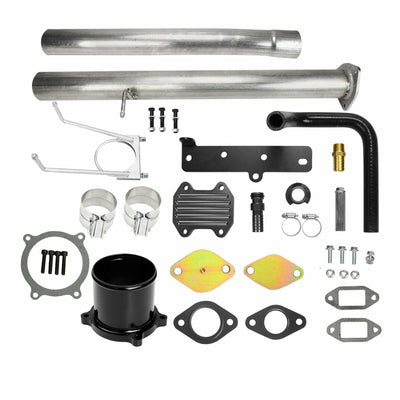
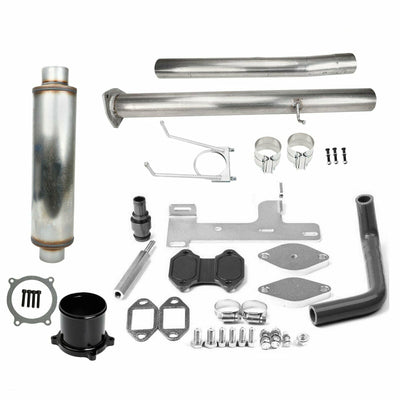
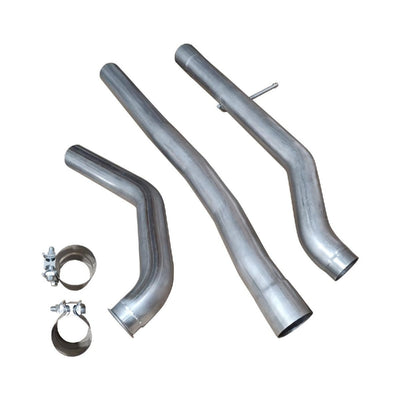
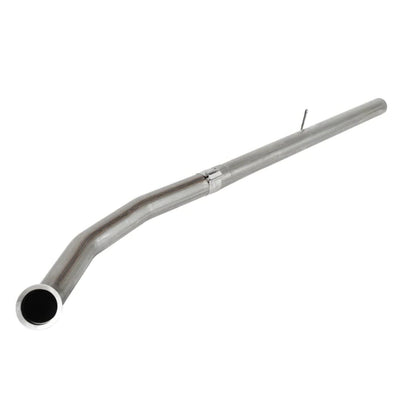
Learning how to fix P242F code on a 6.7 Cummins requires recognizing that P242F indicates permanent ash accumulation, not temporary soot build-up. Forced stationary regens cannot burn off non-combustible ash. Always inspect differential pressure sensor tubes, verify Low-SAPS CJ-4/CK-4 oil usage, and rule out upstream injector faults first. Proper root-cause troubleshooting prevents unnecessary $2,500–$4,500 filter replacements. For off-road competition trucks experiencing non-clearable restriction, precision-machined EGR Performance 6.7 Cummins DPF delete pipes permanently eliminate exhaust backpressure and derate modes.
If the P242F code 6.7 Cummins shows up on a scan tool, the first reaction is often to assume the DPF needs to be replaced. A Check Engine Light, a DPF Full warning, or reduced engine power makes the situation look serious, especially when the truck starts limiting performance.
P242F on a 6.7 Cummins means Diesel Particulate Filter Restriction – Ash Accumulation. It signals non-combustible ash loading that blocks exhaust flow. Unlike soot, ash cannot burn off during regeneration and requires physical cleaning or DPF filter replacement after proper diagnosis.
A faulty DPF pressure sensor, damaged pressure tubes, an engine problem, or even a software issue can also make the system report a restriction when the DPF itself is not the main problem. That is why replacing a new diesel particulate filter before checking the rest of the system is an expensive way to approach a P242F code.
Many owners replace the DPF on Cummins 6.7 too early and still see the code return. We walk through the exact p242f meaning, symptoms, root causes, step-by-step diagnosis, repair options with real costs, prevention steps, and model-year notes so you fix the real problem the first time.
Table of Contents
- What Does P242F Mean on a 6.7 Cummins?
- What Are the Common Symptoms of P242F on a Ram 6.7 Cummins?
- What Causes P242F on a 6.7 Cummins?
- How Do You Diagnose P242F Properly on a 6.7 Cummins?
- How Do You Fix P242F on a 6.7 Cummins?
- How Can You Prevent P242F From Returning on Your 6.7 Cummins?
- Can You Still Drive With a P242F Code on a 6.7 Cummins?
- FAQs
- Final Thoughts
What Does P242F Mean on a 6.7 Cummins?
P242F means Diesel Particulate Filter Restriction – Ash Accumulation on the 6.7 Cummins. The ECM detects excessive non-combustible ash that restricts exhaust flow beyond allowable limits. Standard regeneration cannot remove ash.

Ash Versus Soot Mechanics Inside the DPF
P242F means diesel particulate filter restriction due to ash accumulation. The word ash is important here. A 6.7 Cummins DPF catches material from the exhaust as the truck is driven, but soot and ash do not behave the same way.
Soot is combustible, and a regeneration cycle burns much of it off. Ash stays behind because it comes mainly from engine oil additives and other non-combustible material.
The ECM tracks both calculated soot load and estimated ash load. When ash contribution pushes total restriction past a calibrated threshold, P242F sets and regeneration commands are often inhibited to protect the substrate from thermal runaway.
P242F Compared With P2463
P242F is often mixed up with P2463 for this reason. P2463 is associated with high soot accumulation, so regeneration can sometimes bring the soot level back down. A successful active or forced regen usually clears P2463 once the underlying combustion issue is fixed.
A P242F problem is different. Once ash has filled enough of the filter to create excessive restriction, running another regen will not remove it. The filter needs to be cleaned off the truck, or replaced if the filter core has been damaged.
And to be sure about it, the pressure reading should still be checked, though. If a faulty DPF pressure sensor is located somewhere around the DPF, or if DPF pressure lines were crushed or broken off the system, there will be an incorrect pressure transmitted to the ECM, one that no longer describes the actual state of the filter.
Thus, keeping DPF lines as integral part of the diagnostic task. Clearing the code without resetting learned ash values or addressing the restriction simply brings the code back on the next drive cycle. If regeneration is also failing, see our guide to common reasons for DPF regeneration failure.
|
Material
|
Where It Comes From
|
Can Regeneration Remove It?
|
Typical Remedy
|
|---|---|---|---|
|
Soot
|
Diesel combustion and incomplete combustion
|
Yes
|
Complete regeneration and address the cause of excess soot
|
|
Ash
|
Engine oil additive residue and long-term DPF loading
|
No
|
Professional off-vehicle cleaning or DPF replacement
|
High mileage, non-low-SAPS oil, oil consumption, or sensor errors all accelerate the path to P242F. Understanding the ash-versus-soot difference prevents wasted regenerations and points diagnosis in the correct direction.
What Are the Common Symptoms of P242F on a Ram 6.7 Cummins?
What Are the Common Symptoms of P242F on a Ram 6.7 Cummins? include Check Engine Light, "Service Exhaust System" or "DPF Full" messages, severe derate or limp mode, incomplete or inhibited regenerations, higher fuel consumption, and a continuously running cooling fan during regen attempts.

A P242F code 6.7 Cummins can bring up more than one warning. The Check Engine Light is often where the problem starts, although some drivers notice a DPF Full or Service Exhaust System message first. Power loss tends to come later when the restriction becomes more severe.
Drivability and Warning Signals
The common signs of diesel particulate filter restriction ash accumulation include:
- Check Engine Light: The MIL comes on when the P242F fault is active.
- DPF warning: The dash might show DPF Full or "Service Exhaust System."
- Reduced power: The truck can enter derate, limit boost, or restrict engine speed to protect the aftertreatment system.
- Incomplete regen: A regeneration cycle might start but fail to finish. In some cases, the ECM will stop allowing regen altogether.
- Higher fuel use: Repeated regeneration attempts can increase fuel consumption, because the ECM keeps trying to raise exhaust temperature.
- Cooling fan stays on: The fan might continue running during or after a failed regen attempt, as the system tries to manage elevated under-hood temperatures.
The Sudden 100% DPF Load Anomaly
There is one symptom worth looking at a little more closely. If the DPF reading on a 6.7 Cummins DPF suddenly goes from normal to 100%, the filter did not necessarily fill with ash in a few minutes.
A faulty DPF pressure sensor or damaged pressure line can give the ECM a bad reading. The percentage can change quickly even though the physical condition of the filter has not changed in the same way.
Live data comparison of key-on/engine-off pressure versus running pressure quickly separates sensor failure from actual ash loading.
These symptoms overlap with other aftertreatment codes, so freeze-frame data and live sensor values must be recorded before any clearing or forced regeneration.
What Causes P242F on a 6.7 Cummins?
P242F on a 6.7 Cummins is caused by high-mileage ash loading, faulty differential-pressure sensors or tubes, excessive soot production from upstream engine faults, oil consumption or incorrect oil, interrupted regenerations from short-trip duty cycles, exhaust leaks, and outdated PCM calibrations covered by TSBs.
Ash buildup is a common reason for a P242F code, especially on a high-mileage truck. Multiple factors can trigger the code. There are a few other things worth checking too.

The most common causes are:
- High Mileage and Natural Ash Loading: Ash accumulates in the DPF as the truck has miles and hours driven. Low-SAPS oil slows the rate, yet every 6.7 Cummins eventually reaches a point where ash restriction triggers P242F.
- Faulty Differential-Pressure System: Bad reading could force the ECM to think there is more restriction on the DPF than there actually is. The differential pressure sensor and its two tubes are the most common false-trigger source.
- Damaged DPF pressure tubes: These can crack, be damaged by heat, plugged with carbon, or simply have loose connection. Heat melts or cracks the tubes. Carbon plugs the passages. Wiring near the hot exhaust fails.
- Excessive Soot Production: This could come from a problem with the leaking injectors, sticky EGR valves, a failing turbo, boost leaks, or a restricted air filter raise soot output. These problems will pump excessive amounts of soot into the 6.7 Cummins DPF. Excess soot eventually combines with ash to push restriction past the P242F threshold.
- Engine Oil Contamination and Consumption: Non-low-SAPS oil deposits higher ash volumes. Worn valve stem seals, turbo seals, or piston rings increase oil consumption and accelerate ash loading. Blue smoke or unexplained oil loss are early warnings.
- Frequent Interrupted Regens and Duty Cycle: Short trips, heavy idling, and stop-and-go traffic keep exhaust temperatures below the passive regen threshold. Active regens start but get aborted when the driver shuts the truck off. Incomplete cycles leave residual soot that compounds ash restriction.
- Exhaust System Leaks and Outdated PCM Calibration: Leaks upstream of or around the DPF distort pressure readings.
- PCM Software Issues: An outdated calibration is worth checking if the code keeps returning. Certain model years have TSBs for PCM software that miscalculates ash load or incorrectly inhibits regenerations. A VIN-specific calibration update resolves those cases.
Any one of these causes can set P242F. Multiple causes often combine on high-mileage trucks.
How Do You Diagnose P242F Properly on a 6.7 Cummins?
Proper diagnosis of P242F on a 6.7 Cummins requires recording all codes and freeze-frame data first, evaluating ECM learned values, inspecting the differential-pressure system and exhaust, analyzing live sensor data, checking for upstream engine faults and oil consumption, then assessing physical DPF condition.
Permanently Solve DPF Restriction & Limp Mode.
Tired of constant ash accumulation codes, failed regens, and restrictive factory exhaust traps? Our 6.7 Cummins DPF Delete solutions from EGR Performance provide absolute electronic integration and robust exhaust flow to keep your heavy-duty Ram running at peak efficiency. Built for high-output competition and off-road reliability.
Shop 6.7 Cummins DPF Delete Solutions→The fault code gives you a starting point, not the whole diagnosis. Before buying a 6.7 Cummins DPF filter replacement, check the other parts of the system and look at the stored data first.
A P242F Cummins 6.7 diagnosis should cover the filter, sensor, lines, and engine. Otherwise, a new DPF might not solve the problem. A biased sensor reports high pressure even when the DPF is clean, setting P242F immediately.
Step 1. Record Scan Data and Check for Accompanying DTCs
Use a Cummins-capable scan tool to check active, pending, and permanent codes. Do not clear the P242F code before checking related EGT, EGR, pressure sensor, turbo, or fueling faults.
Address any differential pressure, EGT, EGR, turbo, or fueling codes first. Those faults often create the conditions that set P242F. See P2459 code 6.7 Cummins guide for more on that fault.
Step 2. Check When the Code Comes Back
Determine whether P242F returns immediately on key cycle or only after driving. If the code returns as soon as the truck starts, check the pressure readings and sensor circuit.
Look at the calculated soot and ash values and the regen status as well. Check the inhibit reasons in live data. Clearing the code without resetting learned ash or adaptation values leaves the ECM believing the restriction still exists.
Step 3. Inspect the DPF Pressure Sensor and Lines
The Cummins DPF sensor and pressure tubes are good places to start. Check for carbon, cracks, heat damage, loose connections, and damaged wiring. A bad reading can make a clean filter look restricted. Examine the entire exhaust path for leaks or physical DPF housing damage.
Step 4. Look at the Pressure Readings
Record key-on/engine-off differential pressure; it should read near zero. Then check how it changes as engine speed rises. Compare readings at idle, 1,500 rpm, and higher loads.
A fixed or erratic reading points toward the sensor or pressure circuit. A sensor that responds correctly but still shows high pressure points toward actual restriction.
Step 5. Check the Engine Before Blaming the Filter
Check for oil consumption, leaking injectors, EGR problems, turbo issues, and intake or boost leaks. The engine oil matters too. If excess oil or soot is reaching the exhaust, a cleaned diesel particulate filter Ram 2500 will not stay clean for long.
Confirm the engine uses the correct low-ash oil specification for the model year. Measure oil consumption over a known mileage interval.
This sequence prevents unnecessary DPF replacement and identifies the true root cause.
Step 6: Assess the DPF Condition and Determine Next Steps
If sensors, tubes, and upstream systems pass, assess the filter itself. A sound DPF with high ash loading can be professionally cleaned. A cracked or melted core points toward replacement.
How Do You Fix P242F on a 6.7 Cummins?
Fixing P242F on a 6.7 Cummins means replacing damaged pressure tubes or sensors, performing professional off-board DPF cleaning when the core is intact, replacing a damaged DPF, or updating PCM software when a TSB applies. Forced regen alone never solves true ash loading.

The repair depends on what caused the P242F code in the first place. A pressure sensor problem needs a different fix from a DPF that is packed with ash. Replacing the filter before finding the cause can leave you with the same code again.
|
Diagnostic Finding
|
Root Cause
|
Correct Repair Action
|
|---|---|---|
|
Damaged, split, or melted pressure sensor lines
|
Physical damage or heat exposure
|
Replace the damaged lines with high-temperature OEM lines, then retest pressure readings and live data.
|
|
Biased KOEO pressure readings or faulty differential pressure sensor
|
Sensor circuit or differential pressure sensor failure
|
Replace the differential pressure sensor, clear learned values if required, and verify sensor readings.
|
|
High ash load with an intact DPF core
|
Normal DPF service-life accumulation
|
Have the DPF professionally cleaned off the truck using an appropriate bake-and-blow cleaning process.
|
|
Cracked, melted, or otherwise damaged DPF core
|
Thermal failure or excessive exhaust temperature
|
Replace the DPF assembly and diagnose upstream fueling, turbocharger, or thermal issues that may have caused the failure.
|
|
Engine or fueling fault contributing to DPF loading
|
Underlying engine, fueling, or turbocharger problem
|
Repair the underlying engine problem before cleaning or replacing the DPF.
|
|
Applicable VIN-specific TSB or software issue
|
PCM calibration or software glitch
|
Update the PCM calibration using the applicable manufacturer procedure at a dealer or qualified repair facility.
|
Why a Forced Regen May Not Fix a P242F?
A forced regen burns soot, but it does not burn the ash responsible for a true diesel particulate filter restriction/ash accumulation problem. If the DPF is genuinely full of ash, it needs professional cleaning or replacement.
When the ECM has already categorized the restriction as ash or detected severe pressure imbalance, it may block regeneration commands to prevent filter meltdown.
There is another reason not to keep forcing regens. If the pressure reading is wrong or the DPF is physically damaged, another high-temperature cycle does not fix the underlying fault.
It can also put extra thermal stress on an already restricted exhaust system. Attempting a forced regen on a failed sensor or cracked substrate risks further damage.
DPF Cleaning vs. DPF Replacement: Which is better?
Professional cleaning is normally the better option when the 6.7 Cummins DPF has an intact filter core and the main problem is accumulated ash.
The DPF is removed and cleaned off the vehicle so the trapped material can be taken out. Choose professional off-board cleaning (thermal bake followed by high-pressure air or liquid flush). Cleaning restores flow capacity at far lower cost than replacement.
Replacement makes more sense when the core is cracked, melted, badly plugged, or otherwise damaged. Always correct any upstream faults before installing a new or cleaned filter.
In either case, fix the engine or sensor problem first if one is found. Otherwise, the replacement or cleaned filter can end up with the same issue again.
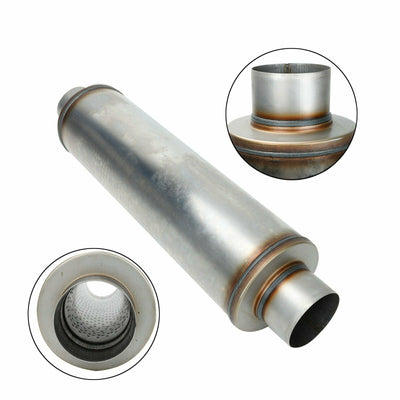
For owners dealing with recurring DPF problems, the EGR Performance DPF Delete for 6.7 Cummins is designed to remove the factory DPF system and, when paired with appropriate 6.7 Cummins tuning, prevent related DPF fault codes and maintenance issues. It can also help improve exhaust flow, throttle response, and fuel economy in properly configured off-road or competition applications.
However, DPF removal is illegal on vehicles operated on public roads in areas subject to emissions regulations such as the U.S. Clean Air Act. This type of modification is intended only for vehicles used exclusively in closed-course racing or other applications where emissions requirements do not apply.
How Much Does P242F Repair Cost?
The price depends heavily on the failed part and the truck. As a rough range, the supplied repair references put sensor or line repairs around $150-$400, professional DPF cleaning around $400-$800, and complete DPF replacement around $2,500-$4,500 or more.
Labor and the choice between OEM and aftermarket parts can move those numbers considerably. Accurate diagnosis keeps most repairs at the lower end of that range.
How Can You Prevent P242F From Returning on Your 6.7 Cummins?
Prevent P242F on a 6.7 Cummins by using only low-SAPS oil, addressing oil consumption immediately, driving at sustained highway speeds to support passive regen, allowing active regens to complete, fixing intake/EGR/boost/fueling faults promptly, and inspecting pressure tubes during regular service.

Once the P242F code is fixed, a few things are worth keeping in mind. The DPF still needs the right oil, proper maintenance, and enough time to complete regeneration.
- Always use the factory-specified low-SAPS/low-ash diesel engine oil for the model year.
- Fix oil leaks, injector problems, EGR faults, and boost leaks early.
- Investigate any rise in oil consumption at the first sign of blue smoke or unexplained level drop.
- Avoid excessive idling and frequent short trips.
- Let active regeneration finish when possible. Incorporate regular highway runs under load so exhaust temperatures support passive regeneration.
- During oil changes or other service, inspect the differential-pressure tubes and sensor for early heat damage or carbon buildup.
None of these will remove ash already inside a 6.7 Cummins DPF. They help limit further buildup.
Model-Year Quick Notes
The emissions setup changed over the years, so the exact checks can differ between trucks.
- 2007.5-2009: Early 6.7 Cummins emissions systems can be sensitive to short trips, heavy idling, and pressure tube deterioration.
- 2010-2018: DPF and DEF/SCR systems brought more detailed ECM monitoring and stricter regeneration conditions. The ECM inhibits regen more readily when restriction is detected.
- 2019-2024: Later trucks use updated engine and sensor configurations. They feature several FCA/Ram TSBs that address P242F-00 software calibration. Check model-specific PCM calibrations when P242F-00 keeps returning.
-
2025+: Follow the current OEM procedure and VIN-specific service information for the truck. Always check for open TSBs before replacing hardware.
Following these steps extends DPF service life and reduces the chance of repeat P242F events.
Can You Still Drive With a P242F Code on a 6.7 Cummins?
Avoid driving a 6.7 Cummins with an active P242F beyond the shortest distance needed to reach a repair facility. Continued operation risks accelerated engine wear, turbo and exhaust thermal stress, deeper derate, and permanent damage to the DPF and related aftertreatment components.
An active P242F code is worth getting checked soon. A restricted DPF can bring more backpressure, reduced power, and eventually a severe derate. Higher backpressure increases exhaust gas temperatures, places extra load on the turbo, and can force the ECM into progressive power reduction.
If the truck is already in limp mode or showing a serious exhaust warning, stop treating it like a normal drive. Transport the truck for diagnosis rather than continuing normal use.
A badly restricted 6.7 Cummins DPF puts extra load on the engine and exhaust system. Prolonged operation under these conditions can melt the DPF substrate or damage the turbo.
FAQs
Will P242F clear itself?
Not when ash is causing the restriction. Regeneration deals with soot. It does not remove ash from the filter.
Can P242F cause limp mode?
Yes. Once the restriction gets high enough, the truck can lose power or enter derate.
Does deleting the DPF fix P242F?
No. Deleting the DPF does not fix the sensor, pressure-line, engine, or ECM issue behind the code. It also removes emissions equipment and can violate emissions regulations, so it is not a proper repair for P242F.
Can wrong engine oil cause P242F?
It can contribute to ash buildup. Engine oil additives leave non-combustible residue in the DPF, so using oil outside the specification for the truck can increase ash loading over time.
Does P242F mean I need a new DPF?
No. Check the pressure sensor, pressure lines, and related engine faults first. You might not need 6.7 Cummins DPF filter replacement.
Is P242F a soot or ash problem?
It is an ash accumulation code. Soot can burn during regen. Ash stays behind.
Can a bad pressure sensor cause P242F?
Yes. A faulty DPF pressure sensor can report a restriction when the filter itself is not the problem. The pressure tubes need to be checked too.
Why did my DPF percentage suddenly reach 100%?
A sudden jump can come from a bad sensor or pressure line. It does not prove the filter filled with ash at that moment.
Why will my 6.7 Cummins not perform a regen with P242F?
The ECM can stop a regeneration when it sees a severe DPF restriction or an ash-related fault. A forced regen also will not remove ash, so the pressure system and DPF condition need to be checked instead of repeatedly trying to start another regen.
What is the difference between P242F and a "DPF Full" message?
"DPF Full" is a driver warning that can result from either high soot or high ash. P242F specifically points to ash accumulation or a pressure imbalance the ECM interprets as ash-related restriction.
Final Thoughts
A P242F code 6.7 Cummins does not always mean the DPF itself has failed. Ash buildup is the main concern, but the pressure sensor, pressure lines, engine, and exhaust system all need to be checked before a repair is chosen.
Regeneration can deal with soot, but it cannot remove ash. If the filter is still in good shape, professional cleaning can restore its flow. A damaged core needs replacement instead. Finding the cause first is the part that saves money and keeps the same P242F code from coming back.
EGR Performance delivers the industry-leading, high-reliability 6.7 Cummins performance parts and off-road RAM DPF delete solutions that keep these heavy-duty diesels running strong.