Oil Catch Can

Baffled Oil Catch Can Kits for Gas & Diesel Engines

What These Catch Cans Do

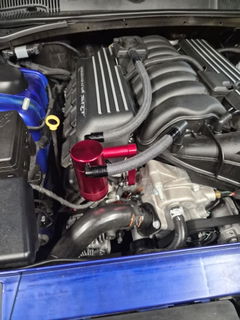
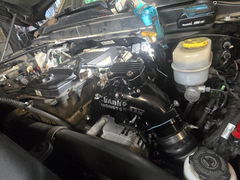
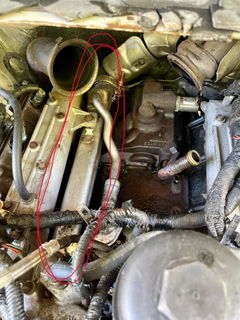
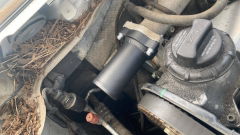
An oil catch can intercepts blow-by vapor from the crankcase ventilation system before it recirculates into the intake, condensing oil mist and fuel vapor inside a baffled reservoir instead of letting it coat your intake valves, intercooler, and throttle body. This collection spans CNC-baffled 6061 billet aluminum universal catch cans in 3/8 and 1/2 inch formats with drain valves and mounting brackets, a vented catch can with breather filter for atmosphere setups, and direct-fit pcv oil separator kits for the 3.5 EcoBoost, 5.0 Coyote, 5.7 and 6.4 Hemi, plus ccv catch cans for the 6.0 and 6.7 Powerstroke diesels. For a HEMI application, compare the 6.4 hemi oil catch can options by their listed vehicle coverage, hose connections, and mounting arrangement instead of assuming a universal reservoir is directly interchangeable.

When Your Engine Needs an Oil Catch Can

Diesels and turbo gas engines generate constant blow-by, and direct injection engines like the EcoBoost and Hemi cannot wash intake valves with fuel, so carbon builds relentlessly. A quality catch can or air oil separator catches that oil and sludge in a drainable tank, keeping the intake clean, supporting consistent performance, and reducing carbon cleaning costs. Whether you drive a boosted F150, a Scat Pack, a Hemi truck, or a Powerstroke tow rig, there is a baffled oil catch can here sized and mounted for your engine.

The EGR Performance Standard


Max efficiency, restored horsepower, and prolonged engine life for your EGR, DPF, and CCV systems on Powerstroke, Duramax, Cummins engines, etc.

  • Free Shipping: Fast & free delivery to get you back on the road sooner.
  • 45-Day Returns: Shop risk-free with our generous 45-day return policy.
  • 1-Year Warranty: Tested under extreme conditions. Guaranteed to perform.
  • 24/7 Live Support: Real-time tech help from fitment to post-install tuning.

Compatibility

Product Engine Vehicle Model Year Range
Baffled Catch Can Kit 3/8" Universal Any engine Universal
Baffled Catch Can Kit 1/2" High-Flow Universal Diesel applications Universal
Vented Catch Can with Breather Universal Any engine Universal
Catch Can Kit 3.5L EcoBoost Ford F150 (driver side) 2011-2023
Oil Separator Kit 5.0L Coyote Ford F150 2011-2023
Catch Can Kit 6.4L Hemi Dodge Charger Challenger 300 / Scat Pack / 392 2011-2023
Catch Can Kit 5.7L Hemi Dodge Charger Challenger / Ram 1500 2009-2023
CCV Catch Can 6.0L Powerstroke Ford F250 F350 2003-2007
CCV Oil Separator 6.7L Powerstroke Ford F250 F350 F450 2011-2022

Shop Now →

EGR Performance: EGR, DPF, CCV & Diesel Tuning Solutions for Powerstroke, Cummins, and Duramax

EGR DELETE KITS

View More
EGR Delete Kits Performance Parts

CCV PCV REROUTE KIT

View More
CCV PCV Reroute Kits

DPF DELETE KITS

View More
DPF Delete Kits

DIESEL TUNERS

View More
diesel tuners

Why Does Your Engine Need an Oil Catch Can?

Direct-Injection Carbon Buildup

On direct injection engines like the 3.5 EcoBoost, 5.0 Coyote, and modern Hemis, fuel sprays directly into the cylinder, so intake valves never get washed by gasoline. Blow-by oil vapor baking onto those valves builds carbon that hurts airflow, causes rough idle, and eventually demands an expensive walnut-blasting cleaning. An oil catch can intercepts that vapor first.

Turbo and Diesel Oil Ingestion

Boosted and diesel engines push significant blow-by through the PCV/CCV system. That oil mist coats the turbo compressor, charge air cooler, and intake, slowly strangling efficiency. Powerstroke owners routinely drain ounces of oil from a catch can that would otherwise have ended up inside the intercooler.

Intake Valve and Throttle Body Sludge

Even on port-injected engines, oil vapor settles as sludge on the throttle plate and intake runners. Over 100,000 miles it adds up to degraded response and dirty airflow metering. A baffled catch tank collects it where you can drain it in seconds.

What Can an Oil Catch Can Solve?

Internal Baffling Condenses Oil Vapor

The best catch can design forces vapor through internal baffles and screens, giving oil mist surfaces to condense on before the air continues downstream. Cheaper empty-can designs let vapor pass straight through; ours captures it.

Drain Valve for Easy Maintenance

Every kit includes a drain valve or removable bottom. At each oil change, open the valve, drain the collected oil into a bottle, and close it. No disassembly, no replacement filters.

Vehicle-Specific Mounting and Hoses

The direct-fit EcoBoost, Coyote, Hemi, and Powerstroke kits come with application-specific brackets, hoses, and fittings, so the can mounts cleanly and the install looks factory. Universal 3/8 and 1/2 inch kits include bracket and hose for custom applications.

Vented Option for Atmosphere Setups

The vented catch can with breather filters crankcase vapor to atmosphere through a top-mounted filter, for off-road builds that want a closed-loop-free setup. It still baffles and catches the oil; the air simply exits filtered.

Shop Oil Catch Can by Engine & Fitment Guide

  • Universal Baffled Catch Can 3/8", billet aluminum catch tank with drain valve and bracket, suits most gas engine PCV setups.
  • Universal Baffled Catch Can 1/2" High-Flow, larger fittings for diesel blow-by volume, ideal catch can for diesel engines.
  • Universal Vented Catch Can with Breather, baffled can with breather filter for vent-to-atmosphere off-road setups.
  • 3.5 EcoBoost Catch Can (2011-2023 F150), driver side PCV catch can kit for boosted F150s, the best oil catch can for F150 EcoBoost.
  • 5.0 Coyote Oil Separator (2011-2023 F150), direct-fit separator kit for naturally aspirated Coyote trucks.
  • 6.4 Hemi Catch Can (2011-2023), fits Charger, Challenger, 300, Scat Pack, 392, and SRT8 applications.
  • 5.7 Hemi Catch Can (2009-2023), fits Charger, Challenger, Ram 1500 with the 5.7.
  • 6.0 Powerstroke CCV Catch Can (2003-2007), diesel crankcase breather catch can for Super Duty 6.0s.
  • 6.7 Powerstroke CCV Oil Separator (2011-2022), high-volume separator for 6.7 Powerstroke blow-by.

Why Choose EGR Performance?

The industry standard for high-performance diesel reliability.

Premium Quality & Rigorous Testing

Our EGR, DPF, and CCV delete kits are engineered from premium-grade materials and subjected to brutal quality control and field testing. Unlike generic alternatives, our products are built to withstand extreme heat and pressure, delivering unmatched durability and long-term stability when your rig needs it most.

20 Years of Proven Diesel Expertise

We aren't just selling parts, we live this industry. With two decades of hands-on experience providing specialized modification solutions for heavy-duty truck owners, our upgrades have been extensively proven across every driving environment, from daily towing to high-performance tracks.

Industry-Leading Standards

We work hand-in-hand with top-tier industry partners and reputable organizations. Every product we design, test, and ship meets or exceeds strict industry standards, ensuring your Powerstroke, Cummins, or Duramax gets the exact precision it deserves.

Real Results, Proven Track Record

Thousands of diesel owners trust us to unlock their engine's true potential. Our massive library of positive customer feedback and successful build case studies proves one thing: our kits deliver real horsepower, lower EGTs, and flawless reliability in the real world.

Frequently Asked Questions

What does an oil catch can do?

An oil catch can sits in the PCV or CCV line between the crankcase and the intake. Blow-by vapor passes through internal baffles that condense oil mist into the can, so clean air continues to the intake and the oil stays out.


Over time this prevents carbon buildup on intake valves, oil sludge in the intercooler and throttle body, and the performance losses that come with them.

Is an oil catch can worth it?

On direct injection engines like the 3.5 EcoBoost, 5.0 Coyote, and Hemi, yes: it is the cheapest insurance against carbon-caked intake valves that cost hundreds to clean.


On diesels like the 6.0 and 6.7 Powerstroke it prevents oil ingestion into the turbo and intercooler. The first time you drain an ounce of black oil from the can, the value is obvious.

Are oil catch cans bad for your engine?

A properly installed, properly maintained catch can is not bad for your engine. The problems come from cheap empty cans with no baffling, or from owners who never drain them until the can fills and liquid oil is drawn through.


Our baffled designs with drain valves eliminate both failure modes. Check the can at every oil change and you will never have an issue.

Which catch can fits my 3.5 EcoBoost F150?

Our 3.5 EcoBoost catch can kit covers 2011-2023 F150s and mounts on the driver side PCV circuit, which is where boosted engines push the most blow-by.


The kit includes the vehicle-specific bracket, hoses, and fittings, so it is a clean bolt-in with no universal fitting guesswork.

Do catch cans work on diesels?

Yes, with the right can. Diesel blow-by volume is higher than gas engine blow-by, so we offer the 1/2 inch high-flow universal can plus direct-fit ccv catch cans for the 6.0 and 6.7 Powerstroke.


On diesels the catch can keeps oil out of the turbo compressor and charge air cooler, preserving boost efficiency and reducing the oily residue that collects in intercoolers.

How often do I need to empty a catch can?

Check it at every oil change. Most engines collect a few ounces per interval; tuned engines and diesels can collect more.


Draining takes seconds with the built-in drain valve. If you notice the can filling unusually fast, that can be an early sign of excessive blow-by from worn rings or a failing turbo seal, making the can a diagnostic tool too.

What is the difference between a catch can and an oil separator?

Functionally they describe the same product category: a reservoir that separates oil from crankcase vapor. Some brands market them as oil separators or air oil separators, others as catch cans.


The meaningful differences are internal: baffled and filtered designs like ours capture far more oil than empty can designs, regardless of the name on the box.

Should I run a vented or closed catch can?

A closed system routes filtered vapor back into the intake, keeping emissions equipment happy and sealing the system, the right choice for street vehicles.


A vented catch can with breather releases filtered vapor to atmosphere, common on off-road and race builds. Check local emissions rules before choosing the vented route on a street-driven vehicle.

Can I install a universal catch can on any engine?

Yes. The universal 3/8 inch kit suits most gas engines, and the 1/2 inch high-flow version handles diesel blow-by volume. You route the PCV/CCV line through the can, mount the bracket, and secure the hoses with the supplied clamps.


Take time with hose routing to avoid kinks and heat sources, and confirm the can sits lower than the vapor source so oil drains back into the can, not the line.

What is your return policy and warranty on catch cans?

EGR Performance offers 45-day worry-free returns and a one-year warranty on every oil catch can and separator kit we sell.


If a kit does not fit your vehicle or arrives with any defect, contact our support team for a replacement or refund. Free shipping applies to all orders.