



The 6.7 Cummins CCV filter is the crankcase ventilation filter sitting on top of the valve cover under the engine's decorative cover, and it is one of the cheapest, most neglected maintenance items on the engine: replace it around every 67,500 miles, or roughly every 50,000 on a truck that tows hard and idles long, and it keeps crankcase pressure from turning your seals into sprinklers.
This guide covers what the filter does on this specific engine, where it lives, the symptoms of a clogged one, the DIY replacement picture, and the catch-can and CCV reroute/delete options for 6.7 Cummins beyond it.
Table of Contents
Key Takeaways
- [The part]: The CCV filter is the 6.7 Cummins' crankcase ventilation filter: it strips oil mist from blow-by gases before they route back to the intake, and it is a wear item, not a lifetime part.
- [The interval]: About every 67,500 miles under normal service, and closer to 50,000 on trucks that tow heavy, idle long, or run hot duty cycles.
- [The location]: On top of the valve cover assembly, underneath the decorative engine cover, one of the most accessible service items on the engine.
- [The failure signature]: A clogged filter pressurizes the crankcase: oil leaks from multiple seals at once, oil pooling in the turbo and intake pipes, rough idle, blue smoke, and climbing oil consumption.
- [The DIY verdict]: Cover off, a few fasteners, filter out, new one in: a driveway job measured in minutes, not hours.
- [The stakes]: The filter protects the seals below it and the turbo and intercooler above it, which makes its replacement price the cheapest leak insurance on the truck.
- [The fork beyond it]: Catch cans manage the vapor legally; reroutes vent it to atmosphere on off-road trucks, with the same tampering rules as every emissions conversation.
What the CCV Filter Does on the 6.7
The system context first: every 6.7 Cummins breathes its crankcase through a closed ventilation loop, blow-by gases exit the crankcase, pass through a filter element that coalesces the oil mist out, and continue to the intake to be burned.
For the full system definition, the CCV-versus-PCV naming, and the oil trail the vapor leaves through the induction side, the CCV explainer in our More Reading list covers the physics; this page stays on the 6.7's specific part, its schedule, and its symptoms.
Eliminate Crankcase Pressure and Turbo Contamination Permanently.
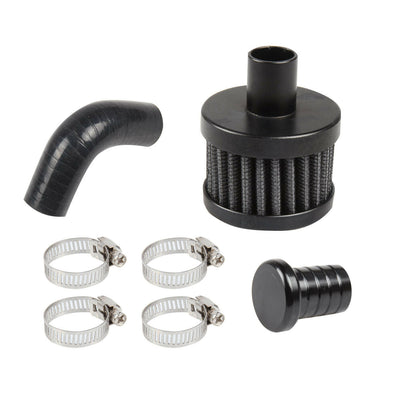
Tired of buying expensive maintenance filters and dealing with oil-soaked turbo boots? Our 6.7 Cummins CCV Reroute and Delete Kits from EGR Performance completely bypass the failure-prone factory filter element: venting oily crankcase gases cleanly away from your intake, protecting your turbocharger, and maintaining optimal crankcase pressure for extreme off-road performance.
Shop 6.7 Cummins CCV Reroute & Delete Kits→Location and the 67,500-Mile Interval
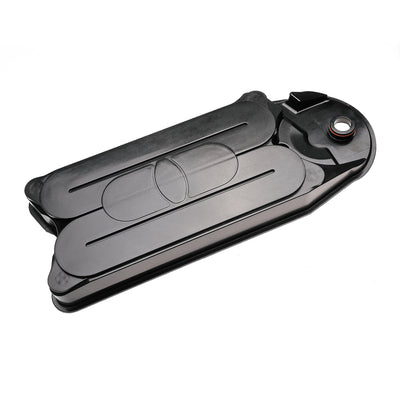
The good news is access. The filter lives on top of the valve cover assembly, hidden under the decorative engine cover, which makes it one of the few service items on a modern diesel you can reach without a lift, a ramp, or a vocabulary of swear words. Pop the cover, and the filter housing is right there with a handful of fasteners.
The schedule is two-tiered:
- Normal service: around every 67,500 miles, the factory-aligned interval most maintenance guides quote.
- Severe service: around every 50,000 miles for trucks that tow heavy, idle for long stretches, or spend their lives working, because hard duty cycles load the filter with more blow-by and oil mist per mile.
Owners who send oil samples tend to shorten it further on worked trucks, and the part's price makes that an easy argument to win.
Symptoms of a Clogged Filter
A saturated filter blocks the ventilation path, the crankcase pressurizes, and the symptoms arrive in the pattern every pressure problem shares:
- Oil leaks from multiple places at once: valve cover and dipstick tube seals first, because pressure finds every seal, not one.
- Oil pooling in the turbo and intake: pressure pushes vapor and liquid oil into places the separator was supposed to protect.
- Rough idle: the ventilation disturbance reaches the combustion side on a loaded system.
- Blue smoke: oil burning in the exhaust stream, the consumption made visible.
- Climbing oil consumption: the sump emptying through the ventilation path with no puddle under the truck.
Ignoring the factory 67,500-mile maintenance limit causes saturated oil sludge to completely block crankcase pressure relief channels. Overpressurized crankcase vapors eventually force oil past lower main seals and turbocharger compressor rings; to analyze long-term engine damage risks and expensive oil leak repairs, explore our breakdown on not changing ccv filter 6.7 Cummins.
Replacement: the DIY Picture
The job earns its reputation as one of the easiest real services on the 6.7:
- Remove the decorative engine cover to expose the top of the valve cover assembly.
- Release the filter housing fasteners, a small handful, no special tools.
- Swap the element, noting the orientation of the old one as it comes out.
- Reassemble and reset your mental odometer, because nothing needs relearning, no codes need clearing, and no fluids need draining.
The work is measured in minutes. The judgment call is only the interval, and a truck that tows should err early.
Whether you are fitting an OEM Motorcraft/Mopar replacement element or installing an aftermarket bypass hose routing down to the frame rail, securing quick-connect fittings and O-ring seals prevents unwanted oil weeping. For step-by-step wrenching protocols, torque values, and valve cover reinstall steps, follow our guide on 6.7 Cummins CCVreroute delete procedures.
Why Worked Trucks Shorten the Interval
The filter's enemy is blow-by volume, and blow-by scales with how hard the engine works:
- Load loads it: a tuned, towing, EGT-watching work truck produces multiples of the crankcase load a highway commuter does, and the filter saturates on that schedule, not the calendar's.
- Heat atomizes it: a hot, loaded engine whips more oil mist into the vapor stream.
- Idle hours cheat it: stationary hours age the filter without adding a single mile to the odometer, which is why the severe-service number exists.
Beyond the Filter: Catch Cans and Reroutes
The stock filter is one answer to vapor management, and the platform's owners debate two others constantly:
Approach |
On the 6.7 |
Legality |
|---|---|---|
Fresh stock filter on schedule |
The factory loop as engineered |
Street legal everywhere |
Catch can in the loop |
Intercepts and drains the vapor the filter passes |
Street legal everywhere |
CCV reroute or filter delete |
Vents the crankcase to atmosphere, ends the oil trail |
Off-road trucks only, tampering otherwise |
The reroute conversation is where the platform's own forum threads live: owners weighing the stock loop's oil trail against a vented system, with the legal line drawn the same way this site draws it everywhere.
For truck owners looking to permanently eliminate costly coalescing element replacements and protect turbo intake pipes from oil mist contamination, converting to an open atmosphere or catch canister design is a popular path.
To weigh exhaust odor shifts, oil drip prevention, and off-road compliance, check out our evaluation of 6.7 Cummins CCV delete pros and cons.
FAQ
What is the CCV filter on a 6.7 Cummins?
The crankcase ventilation filter: the element that strips oil mist from blow-by gases before they return to the intake. A wear item with a mileage interval, not a lifetime part.
Where is the CCV filter located?
On top of the valve cover assembly, under the decorative engine cover. One of the most accessible service items on the engine.
How often should you change it?
About every 67,500 miles in normal service, and closer to 50,000 on trucks that tow heavy or idle long. The part is cheap enough that erring early costs almost nothing.
What are the symptoms of a clogged CCV filter?
Pressure symptoms: multiple oil leaks at once, oil in the turbo and intake pipes, rough idle, blue smoke, and climbing oil consumption with no puddle.
Can I replace it myself?
Yes, easily: engine cover off, a few fasteners, element swapped. No drains, no special tools, no relearns.
Can the filter be cleaned instead of replaced?
The element is a replace-only part; cleaning a saturated coalescing media restores little and risks pushing debris into the loop.
Does a CCV delete replace the filter?
It removes the whole closed loop in favor of venting to atmosphere, which ends the oil trail and the filter service, and belongs to off-road trucks for the same tampering reasons as every emissions modification.
Will a clogged filter hurt the turbo?
Indirectly, yes: crankcase pressure pushes oil into the intake side, coating the compressor wheel and intercooler, and the consumption climbs until the filter is renewed.
The Verdict
The 6.7 Cummins CCV filter is the engine's cheapest leak insurance: a top-of-the-valve-cover element, swapped in minutes, on a schedule that normal service sets at 67,500 miles and worked trucks should cut to 50,000.
Learn the pressure symptoms, replace the part before the seals learn them for you, and keep oil puddles off your driveway. For high-quality replacement filters, bypass kits, and open breather upgrades, explore our complete collection of Cummins CCV solutions to protect your crankcase and turbo for the long haul.


