
🔔 30-Second Summary: Fixing Dodge Valve Rattle
Dodge exhaust valve rattles stem from worn actuator springs, loose clips, or butterfly valves vibrating under low-RPM loads. While lubricating the assembly or shimming the spring offers quick manual relief, upgrading to an EGR Performance active exhaust delete kit or valve simulator delivers permanent silence. This simple step locks the valves open, eliminates mechanical wear, avoids costly dealership diagnostic fees, and fully restores your vehicle’s aggressive exhaust note without triggering check engine lights.
If you have a Dodge Charger, Challenger, Scat Pack, or Hellcat, you hear a repetitive rattle at low RPMs, in cold weather, or when accelerating. It's a common complaint in the modern Mopar platform. The rattle is not an engine problem, a transmission issue, or a failing component. It is specifically the active exhaust valve system doing what it was not engineered to do in the long term: vibrate.
Plenty of online advice suggests spraying a bit of lubricant on the actuator and calling it a day. That works for about a week. What most owners actually want is a rattling exhaust fix that lasts, something that addresses the real, physical cause of the noise and keeps it gone for good.
The best way to fix the Dodge active exhaust valve rattle permanently involves mechanical tension upgrades, electronic simulators, or a full valve delete. These methods address weak springs and loose hardware.
Many owners see complete silence after proper installation. Choose based on your car use and budget for lasting results.
We know how annoying that rattle gets when you just want to enjoy your muscle car. Our guide helps you understand how the Dodge Charger active exhaust rattle works, what causes the rattle, and walks through four easy methods to fix the rattle.
Table of Contents
- What Causes Dodge Active Exhaust Valve Rattle in Chargers and Challengers?
- Is There a Truly Permanent Fix for Dodge Exhaust Valve Rattle?
- Method 1: OEM Realignment & Hardware Tightening
- Method 2: The Spring or Washer Tension DIY Fix
- Method 3: Electronic Simulators and Locking Valves Open
- Method 4: Permanent Active Exhaust Valve Delete
- Risks, Costs, and Ownership Impact You Should Consider
- Best Practices to Prevent the Rattle From Returning
- FAQs
- Conclusion
What Causes Dodge Active Exhaust Valve Rattle in Chargers and Challengers?
Dodge active exhaust valve rattle happens because of weak springs, loose hardware, and worn bushings in the valve assembly. These problems create play that makes metallic sounds, especially at low RPM. Fixing the root cause stops the noise completely instead of hiding it.

Modern Dodge muscle cars use an active valve exhaust system to deliver different exhaust tones depending on the selected driving mode.
How the Active Exhaust Valve Works
In Comfort or Auto mode, the valves partially close to keep the exhaust note quiet and refined. In Sport or Track mode, the Mopar active exhaust valve actuators open the valves fully, allowing unrestricted exhaust flow and the aggressive sound the platform is famous for.
On dual-active valve exhaust setups found on Hellcat and higher-trim Challenger and Charger models, there are two electrically controlled valve assemblies, one per exhaust tip. Each is driven by a small electronic actuator motor that opens and closes the valve plate inside the muffler housing.
Root Causes of the Exhaust Valve Rattle
The rattle itself comes from physical play inside the valve mechanism. There are four primary causes:
- Weak Actuator Spring: The internal spring in the actuator loses tension after heat cycles. When spring tension is reduced, the valve plate cannot hold against its seat and instead flutters in response to exhaust gas pulses.
- Internal Valve Play: Play in the valve plate pivot causes the plate to slap against the walls of the housing at certain RPM ranges.
- Loose Actuator Hardware: The mounting studs that secure the actuator body to the exhaust system will become loose as a result of vibration.
- Worn Bushing: The bushing that keeps the valve shaft aligned will deteriorate after a certain number of miles.
Symptoms To Confirm It's an Active Exhaust Valve Issue
You must know if the issue is an exhaust valve rattle before spending money. The signs are:
- A Dodge Charger active exhaust rattle sounds at 1500 to 3000 RPM when accelerating.
- A Dodge Challenger rattling noise when accelerating that disappears at higher RPMs.
- A metallic car exhaust rattle at idle or an exhaust rattle noise during cold starts.
- The noise completely disappears when switching to Sport or Track mode, which forces the valve fully open and eliminates flutter.
- No rattle when the car is in park with the exhaust fuse removed.
Is There a Truly Permanent Fix for Dodge Exhaust Valve Rattle?
Yes, permanent fixes exist for the Dodge exhaust rattle. Methods like spring tension upgrades and full valve deletes solve the hardware issues. These deliver quiet operation without repeated repairs. Pick the option that matches your driving style and goals.
Let's check if there's a permanent fix for an exhaust rattle or not:
Temporary Tricks vs Real Solutions
Spraying a penetrating lubricant or high-temp grease onto the actuator pivot is the most commonly recommended quick fix online. It works because it reduces friction and allows the valve to seat firmly. However, the lubricant burns off quickly in the extreme heat environment of an active exhaust system, and the rattle returns.
A true exhaust rattle fix requires eliminating the source of loose play, whether re-tensioning the valve spring, adding a preload washer, locking the valve in a fixed position, or removing the valve assembly. Lubrication alone does not accomplish any of those things.
Choosing the Right Path for Your Car
- Stock Daily Drivers: Realignment and spring tension repairs preserve factory function.
- Warranty Options: OEM realignment or dealer-level actuator replacement is the safest route.
- Performance Enthusiasts: Locking the valve open or performing a valve delete provides maximum flow and eliminates rattle permanently.
Kill the Rattle. Keep Your Sport Modes Active
Don't let a loose, vibrating factory exhaust flap make your premium HEMI V8 sound like a broken tin can at stoplights. Our Electronic Active Exhaust Valve Simulators from EGR Performance are CNC-machined from solid billet aluminum to permanently eliminate the mechanical failure point. Delete the rattling factory flaps completely and enjoy crisp, unrestricted exhaust notes without throwing codes or triggering Limp Mode.
Shop Charger Exhaust Valve Simulators →Method 1: OEM Realignment & Hardware Tightening
Factory realignment fixes many Dodge Charger active exhaust rattles by removing slack. Proper torque on hardware stops vibration. This method works well for stock cars and takes basic tools. Recommended for warranty cars since it keeps everything stock.

Why Factory Alignment Matters
Over time, small thermal cycles cause the actuator mounting hardware to work loose. Even minor physical gaps between the actuator body and the challenger active exhaust valve housing allow the assembly to vibrate as a unit, amplifying any internal play. This is often the first fix to attempt before performing more invasive repairs.
Step-by-Step Dealer-Style Realignment
- Safely raise the car on jack stands and locate the factory Mopar active exhaust valve actuators on the rear section of each exhaust pipe.
- Unbolt the mounting hardware to remove the actuator unit. Inspect the studs for thread damage or corrosion. Clean carbon contamination from the actuator face and the pipe mounting surface with a wire brush.
- Reseat the actuator flush against the valve mechanism, so there's zero gap between the actuator body and the valve housing. The remaining gap continues to generate rattle.
- Torque mounting hardware to factory specifications. Consult the factory service manual for your model year and engine.
The Role of Lubrication
Applying a high-temperature dry lubricant to the valve shaft pivot reduces squeaking and Dodge Charger exhaust rattle when the hardware is tight.
However, if physical wear is present on the bushings or valve plate, lubrication won't permanently eliminate the rattling noise from the exhaust. In those cases, proceed to Method 2.
Method 2: The Spring or Washer Tension DIY Fix
The spring tension DIY fix stops internal exhaust baffle rattle by adding pressure. It uses simple parts and takes 45 minutes. Many owners report zero noise for over 2 years after installation. Compared to simulators, the tension fix keeps full valve function but needs occasional checks.

Why This Is the Most Popular DIY Repair
Adding physical preload to the valve spring is the single most popular DIY fix in the Charger and Challenger community. It directly addresses the root cause, loose valve plate play without triggering a check engine light, altering exhaust flow, or requiring specialized equipment. Properly done, it can last years.
Tools and Supplies Needed
- Socket set including 8mm socket
- High-temp lubricant spray
- Safety glasses and heat-resistant gloves
- Replacement heavy-duty spring, O-ring, or PTFE tensioning washers sized for the actuator
Step-by-Step Installation
- Pull the designated active exhaust fuse from the trunk fuse box to safely disable the valve's electronic movement during the repair.
- Unbolt the actuator cover on the active exhaust valve Dodge Challenger or Charger equivalent. A standard 8mm socket handles most factory hardware on these platforms.
- Inspect the factory spring. A healthy spring should have firm, consistent resistance. If it compresses with less force or shows deformation, it requires replacement.
- Insert a tensioning PTFE washer behind the spring to add preload, or install an upgraded heavy-duty replacement spring to eliminate loose valve plate play. It's to restore firm pressure on the valve shaft so it can't vibrate freely.
- Reassemble the actuator, replace the fuse, and take the car for a test drive where the exhaust rattle when accelerating was present. The rattle should be gone.
Pros, Cons, and Durability
The spring-and-washer tension fix is low-cost, reversible, and retains full factory-active valve functionality. After installing these, along with other quality components, the vast majority of owners report eliminating the rattle noise from their vehicle for 18 months to several years after the repair.
The only major caveat is that if there is extensive busing wear or damage to the actuator housing, you may need to purchase a complete replacement actuator or pursue a permanent repair.
Method 3: Electronic Simulators and Locking Valves Open
Electronic simulators lock valves open and prevent check engine lights. They deliver aggressive tone while stopping all rattle. Installation takes under 30 minutes with basic steps. This method works great for performance builds where constant open tone is desired.
Who This Option Is Best For
This method is ideal for performance-oriented owners who want the aggressive, wide-open exhaust tone all the time and have no interest in switching back to a quiet mode. It permanently eliminates the active exhaust valve rattle by removing the ability for the valve to flutter in the first place because the valve is locked open and no longer moves.

Inactive Exhaust / Active Exhaust Delete Kit for Dodge/Chrysler 2015-Present
7% OFF New Customer Coupon Code: EGR7
Buy NowWhy Electronic Simulators Are Required
If you simply disconnect the actuator wiring harness and leave the valve locked open, the vehicle's ECU will detect the open circuit and trigger a check engine light.
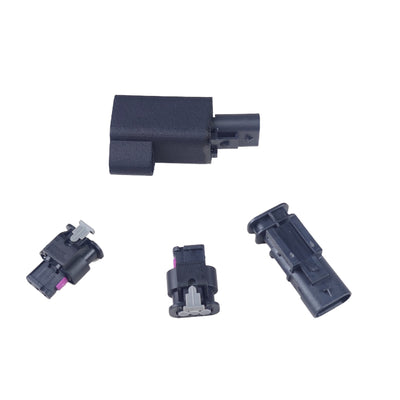
Electronic active exhaust simulators plug directly into the factory harness and spoof a signal to the MOPAR active exhaust valve actuators, telling the computer the system is operating normally. This prevents any fault codes from being stored. <Why active exhaust simulators work>
Step-by-Step Installation
- Disconnect the factory electronic wiring harness from the actuator at both muffler locations.
- Manually rotate the active exhaust valve on the Dodge Charger or Challenger valve plate to the full-open position. Confirm it moves freely and sits completely open.
- Secure the valve plate in the open position using appropriately sized locking hardware or the purpose-built locking clips included with most simulator kits. The plate should have zero ability to flutter or shift.
- Plug the active exhaust electronic simulators directly into the factory wire harness connectors at each muffler location.
- Test-drive the vehicle through all driving modes to confirm the Dodge Charger active exhaust rattle is gone and verify that no check engine light or fault codes are present.
Sound and Performance Trade-offs
Locking the valves open means the exhaust is loud all the time; there is no quiet Comfort mode anymore. For daily-driven cars in residential areas or on long highway trips, the constant aggressive tone becomes fatiguing. Flow characteristics and low-end performance are generally unaffected, since the system is already used at high RPM.
Method 4: Permanent Active Exhaust Valve Delete
Permanent valve delete cuts out the rattle source completely. Shops weld straight pipes and add simulators. This delivers the quietest and most reliable result for serious builds. Emissions checks vary by state, so check local laws before proceeding.
The Ultimate Rattle-Free Solution
If you want the exhaust valve rattle gone forever with zero possibility of return, a full professional valve delete is the most complete solution available. This involves physically removing the active valve assemblies from the exhaust system and replacing them with straight pipe sections.
What a Professional Exhaust Shop Will Do
- Cut out the factory active exhaust valve housings completely from the rear muffler section.
- Weld straight-pipe replacements in their place, either matching the factory 2.75-inch diameter for a stock-tone result, or upgrading to 3-inch pipe for increased flow and additional volume.
- Install electronic simulators in the factory harness connections to prevent limp mode, fault codes, or check engine lights from the missing actuator signals.
Pros, Cons, and Cost
A professional valve delete is the only solution that physically eliminates every component that could ever rattle. There is nothing left to vibrate. The downside is that a professional exhaust shop will typically charge $300 to $600 in labor plus parts, depending on the pipe diameter chosen and the shop's rates.
Risks, Costs, and Ownership Impact You Should Consider
Risks include possible check engine lights and warranty questions. Costs range from $30 DIY to $2000 shop work. Plan according to your priorities for best ownership experience. We advise stock daily drivers to start with realignment.

Let's check out the risks, complete cost, and ownership impacts:
Risk Assessment
- Check Engine Lights: Methods 3 and 4 require electronic simulators to prevent fault codes.
- Warranty Concerns: Dealers deny warranty claims when aftermarket exhaust modifications are present.
- Emissions and Inspections: Active valve exhaust modifications may affect OBD-II readiness monitors.
Cost Breakdown for Every Budget
Estimated cost permanence:
Fix Method |
Estimated Cost |
|---|---|
DIY Spring/Washer Fix |
$15 - $40 |
Electronic Simulator Kit |
$80 - $180 |
Professional Shop Valve Delete |
$400 - $900 |
Dealer OEM Replacement |
$300 - $600+ |
Best Practices to Prevent the Rattle From Returning
Prevent rattles with regular inspections and early fixes. Clean debris and check hardware during oil changes. This stops small issues from growing into expensive repairs.

- Inspect the actuator mounting hardware during every oil change interval and re-torque if any movement is detected.
- Periodically check the torque on actuator mounting hardware, especially in the first six months after a realignment procedure.
- Address minor loose play as soon as it appears. A small rattle caught early is a 20-dollar spring fix. The same rattle ignored for two years can permanently deform the valve housing and turn into a $500 shop repair.
FAQs
Is pulling the exhaust fuse a safe, permanent solution?
Pulling the fuse turns off the actuator electronics but doesn't lock the valve plate. The valve flutters under exhaust-gas pressure, so the rattle returns. It isn't a permanent solution.
What are the signs of a bad exhaust valve, and when should I replace it?
Rattle that doesn't respond to spring or tension fixes, physical damage to the valve housing, or an actuator that fails to move the valve between modes are signs of a bad exhaust valve. At that point, replacement or deletion is the correct path.
Does putting the car in Sport or Track mode stop the exhaust valve rattle?
Yes, Sport and Track modes open the valves fully, eliminating the flutter that causes the rattle. This is the quickest diagnostic confirmation that the active valve is the source. It is not a permanent solution, since most driving time occurs in Comfort or Auto mode.
Can I fix a Challenger active exhaust rattle myself without replacing the cat-back system?
Absolutely. The spring tension fix and OEM realignment both address the actuator only, leaving the rest of the cat-back system completely untouched. A full cat-back replacement is never required to resolve an exhaust valve rattle.
Do electronic active exhaust simulators genuinely prevent a check engine light from coming on?
Yes, when sourced from reputable suppliers who manufacture simulators for the specific Dodge platform. Generic simulators designed for other vehicles may not produce the correct signal and can trigger codes.
Will locking the active exhaust valve open hurt low-end performance or backpressure?
No meaningful performance loss occurs. The open valve position is the same state the system already operates in during hard acceleration and high-RPM driving. Backpressure characteristics at wide-open valve are factory-designed to be safe for the engine.
Does a Dodge dealership fix the active exhaust valve rattle under the factory powertrain warranty?
It depends on the specific failure mode. Actuator failures and valve wear caused by manufacturing defects are typically covered. Wear from normal use, or owner modification,s may not be. Call your dealership service department before visiting to discuss coverage.
Is the spring tension fix considered permanent or just a temporary patch?
It is a genuine mechanical repair, not a temporary patch. Unlike lubrication, it physically eliminates valve play. Most properly installed spring or washer tension fixes last several years before needing re-inspection.
Will deleting the active exhaust valves entirely make my car significantly louder while cruising on the highway?
Yes. Without the valves, the exhaust tone at highway speeds is equivalent to full Sport or Track mode all the time.
Is it safe to continue driving with an active exhaust valve making a rattling noise?
Yes. The rattle is caused by a loose valve plate. But if you have a restriction to exhaust gas flow, lose power, or the valve plate becomes dislocated, you need to find the issue.
How much does it cost to fix a Dodge Charger exhaust rattle permanently?
A DIY spring fix costs less than $40. A simulator kit runs $80 to $180. A professional shop's prices range from $400 to $900. OEM dealer replacement typically falls between $300 and $600 before labor.
Can a failing electronic actuator cause an identical exhaust rattle sound when accelerating?
Yes. A dying actuator that can no longer hold the valve in position will produce a rattle identical to a mechanical spring failure. If the spring tension fix does not resolve the noise, test the actuator for proper operation before proceeding to more invasive methods.

Conclusion
A Dodge Charger active exhaust rattle or Challenger active exhaust rattle is one of the most common and most fixable problems on the modern Mopar car platform. At its core, the noise is always caused by some form of loose play in the valve assembly, whether that is a weakened spring, worn bushings, loose mounting hardware, or a combination of all three.
The good news is that you have real options at every price point and every level of technical comfort. Start with the low-cost spring-and-washer tension fix if you want to keep the active valve system functional and the repair simple. Step up to electronic simulators with a locked-open valve if you prefer the aggressive tone and want a more permanent result. Go all the way to a professional for an exhaust delete, like EGR Performance, if you want the rattle gone forever with no ongoing maintenance.
With the right method applied, the exhaust rattle should be a distant memory.