
📋 30-Second Summary: Cat-Back Legality & Noise Limits
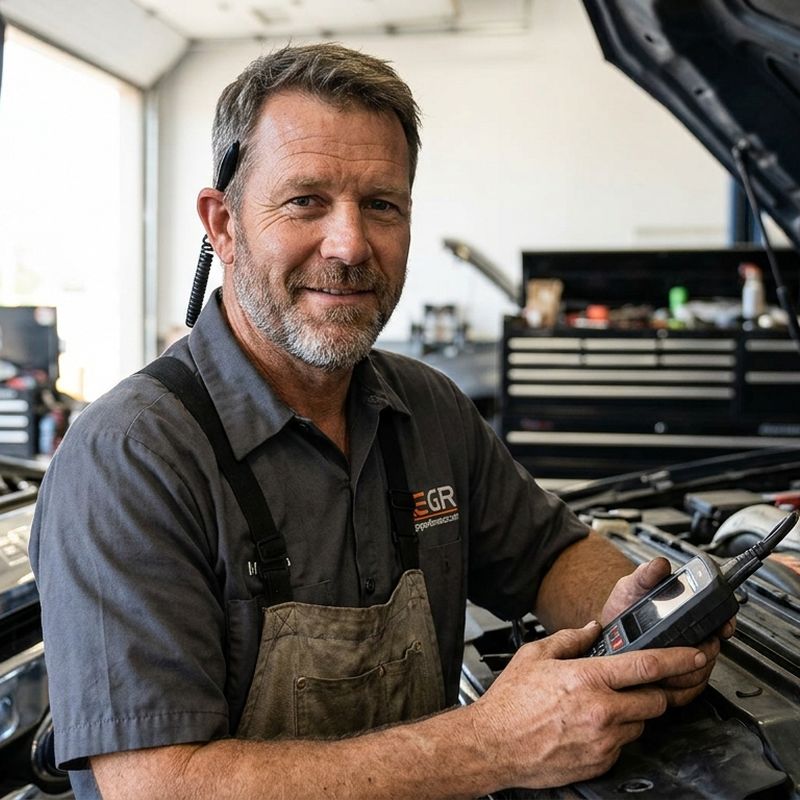
An aftermarket cat-back system remains federally emissions-legal by preserving your factory catalytic converter, but state-level acoustic limits dominate real-world compliance risks. Unresonated configurations can scream past 108 dB, triggering immediate citations in strict regions like California and New York. To increase airflow safely, we highly recommend installing axle-back exhausts, cat-back systems with high-flow mufflers, or installing exhaust cutouts from EGR Performance to shield your vehicle from expensive $200–$1,000 fines and mandatory state inspection failures.
Table of Contents
- Introduction
- What Are the Legal and Real-World Risks of a Cat-Back Exhaust?
- What Is a Full Cat-Back Exhaust System Exactly?
- Why Do Cat-Back Exhausts Stay Legal in Most Cases?
- When Does a Cat-Back Exhaust Cross Into Illegal Territory?
- How Do Federal and State Laws Shape Cat-Back Legality?
- What Do State-by-State Noise Laws Mean for Cat-Back Exhausts?
- Will Your Cat-Back Exhaust Pass Emissions and Safety Inspections?
- What Are the Legal Exhaust Decibel Limits for Cat-Back Systems?
- What Real-World Risks Come With Cat-Back Installation?
- How Can You Verify Cat-Back Legality in Your State?
- How Do You Stay Legal After Installing a Cat-Back?
- What Legal Alternatives Provide Great Sound & Performance Without Risks?
- FAQs
- Conclusion: Cat-Back Exhausts Are Legal, but Noise Laws Matter
Introduction
Want a deep rumble from your diesel or V8 without getting a ticket every time a cop passes by? We see this dilemma daily in our shops. The actual question on one's mind is: " Is a catback exhaust legal?"
In most cases, the short answer is yes. Cat-back exhaust systems replace components from after the catalytic converter to the tips, keeping cats and O2 sensors intact. They generally pass federal emissions and regulations, but often trigger noise citations under state laws, with limits like California's 95 dBA.
Risks vary sharply by location due to muffler requirements and decibel enforcement. Even loud systems can be pulled over or fail inspection. In this case, we put together this guide after handling hundreds of exhaust installs on Powerstroke, Cummins, and Duramax platforms.
We will show the direct answer to "is a cat-back exhaust legal", explain the enforcement triggers, state noise regulations, and provide safer alternatives to consider before purchasing. Read on to master the rules, dodge enforcement traps, and pick smart upgrades.
What Are the Legal and Real-World Risks of a Cat-Back Exhaust?
From a federal view, cat-back systems occupy a legal gray area since they avoid emissions tampering, but state vehicle codes often cite them for missing mufflers and exceeding noise limits like 95 dBA.
Performance Sound. Refined Control.
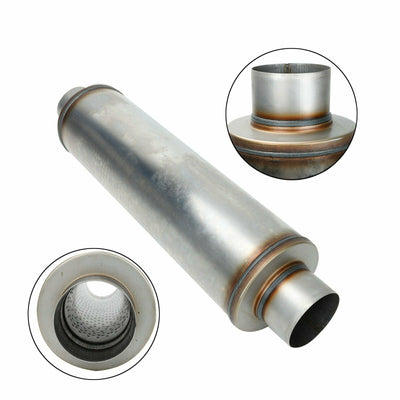
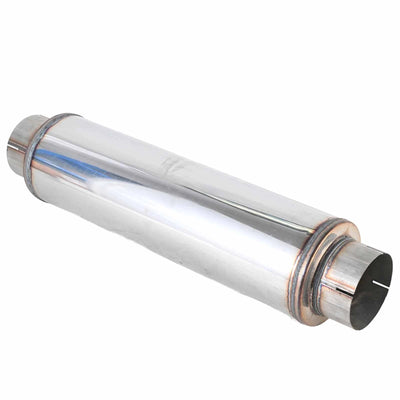
Tired of the restrictive factory muffler, but don't want the drone of a straight pipe? Our High-Flow Performance Mufflers from EGR Performance are engineered to maximize your engine's mass airflow while delivering a deep, authoritative exhaust note. Designed for street and tow-ready builds, these mufflers provide the perfect balance of power, sound, and comfort.
Shop EGR Performance Mufflers→Is a catback exhaust legal? Yes, from a federal perspective. It doesn't tamper with your emissions equipment. However, state vehicle codes are much more stringent regarding noise.
Legal and Real-World Risks
A true catback system does not interfere with your catalytic converter and O2 sensors. This means that your federal emissions risk remains low. But your noise risk is very high.
Here's why:
- The risk of emissions is very low. The converter and sensors remain unchanged.
- The noise hazard is high. The removal of a muffler or resonator can sometimes exceed the local dB limits.
- You can be let down by visual inspections. Some states, such as California and New York, mandate a physical muffler.
- Officers act on sound, not hardware. They are not about pipe layout; they're about volume and rasp.
Is it illegal to have a loud exhaust in your specific town? Often, yes. Local noise ordinances may be more stringent than state law. Always check local rules before assuming a system is safe.
Top 5 Reasons Police Pull Over Catback Straight Pipe Cars
Your exhaust note is noticed long before your pipes are seen by officers. A raw catback straight pipe is a straight pipe that has been cut back to eliminate the parts that cut down on the harsh sound.
Primary Traffic Stop Triggers:
The most frequent reasons for traffic stops are:
- The neighborhood cold start. Early morning idle noise is a nuisance on residential streets.
- Aggressive acceleration. Excessive acceleration in the vicinity of schools is immediately noticed.
- The "gunshot" decel. Popping and rasping on downshifts is a red flag.
- Cabin drone at cruise speed. Low-frequency resonance is transmitted outside the vehicle.
- Visual red flags. When the factory muffler is missing, it's noticed quickly.
The Mustang 108 dB: A Real Shop Example
A customer came in with a Mustang 5.0 that had been cited for noise several times. The rear section of the car was a straight pipe. The sound meter test at a rev check was 108 dB.
That is much higher than any state's legal limit. The owner thought he was protected since the catalytic converters were still in place. Local police were still citing him for violating a city noise ordinance.
The shop repaired it with high-flow bullet resonators. This eliminated the biting rasp and restored the sound to a street-legal level.
Acoustic Profiles and Officer Training
Law enforcement uses decibel meters calibrated to A-weighted scales.
Cold starts spike 15-25 dB above idle in enclosed spaces. Aggressive throttle in school zones sustains 95+ dB at 50 feet. Downshift pops hit 110 dB instantaneous peaks that last 1.5-3 seconds. Cabin drone transmits through the chassis at 55-70 mph.
Financial and Practical Impacts
First-offense fines run $150-350 and climb with priors. California AB 1824 non-correctable tickets force a referee station visit, and New York fines reach $1,000 for modified systems louder than stock.
What Is a Full Cat-Back Exhaust System Exactly?
A full cat-back replaces everything after the catalytic converter outlet, including mid-pipes, resonators, mufflers, and tips, while leaving all emissions hardware stock.

The catback exhaust meaning is simple: it's everything behind the catalytic converter. That is the mid-pipe, resonator, and muffler.
Defining Cat-Back Systems and Layouts
A catback system is a system that replaces components from the converter's output. It extends all the way to the exhaust tips. This usually consists of the mid-pipe, one or two resonators, and the primary muffler.
Some kits even replace the exhaust tips for a different appearance. This configuration does not connect to your emissions equipment. That's why it remains legal on the streets in most states.
On a Cummins 6.7L, this means replacing the rear section while the DPF and SCR systems stay factory. Mechanics measure from the cat flange back to avoid any upstream changes.
Mechanic's Note: Don't Confuse a Catback With a Cat Delete
A true catback starts after the catalytic converter. Never confuse the two.
If you cut, remove, or tamper with O2 sensors, everything changes. That change takes you from a noise problem to federal emissions tampering. You'll see a Check Engine Light and a sure inspection failure.
Deleting the cat shifts you into federal EPA violations under the Clean Air Act. That triggers P0420 codes for catalyst efficiency below threshold. Our shops see trucks towed after OBD scans flag emissions tampering.
Catback vs. Full Straight Pipe: What's the Difference in Terms of Ticket Risk?
We built this comparison table from real-world dyno and street data on diesel and gas platforms.
Setup |
Catalytic Converter |
Muffler / Resonator |
Main Legal Risk Level |
Traffic Stop Vulnerability |
Typical dB at Idle |
Estimated HP Gain |
|---|---|---|---|---|---|---|
Stock Exhaust |
Retained |
Retained |
Lowest Risk |
Very Low |
70–80 dB |
Baseline |
Resonated Cat-Back |
Retained |
Performance muffler and/or resonator |
Low to Moderate (varies by local noise laws) |
Low |
75–85 dB |
Approximately +5–15 HP |
Cat-Back Straight Pipe |
Retained |
Removed |
Higher Noise Law Risk |
High |
95–108 dB |
Approximately +10–25 HP* |
Full Straight Pipe |
Removed |
Removed |
Very High (Federal emissions and local noise regulations may apply) |
Very High |
110+ dB |
Approximately +20–40 HP* |
This table shows why cat-backs sit in a gray area. On a Powerstroke 6.7L, the common 3.5-to-4-inch transition reduces pumping losses by 20-30% at high load. Dyno charts show 15-25 rear-wheel HP gains, though real-world averages run 8-12 HP after drivetrain losses.
Resonated cat-backs cut drone by 15-20 dB through Helmholtz tuning. Straight pipes add 30-40 dB across the RPM band. Our fleet data shows resonated systems keep 92% of straight-pipe flow while cutting cruise noise by 22 dB.
Federal tampering law lives in 40 CFR Part 86, and 35+ states also mandate a muffler.
Why Do Cat-Back Exhausts Stay Legal in Most Cases?
Cat-back systems usually remain legal because they keep the catalytic converter, O2 sensors, and emissions controls completely intact, focusing changes downstream of critical monitoring points.
For good reason, the cat-back exhaust is one of the most popular aftermarket cat back exhaust upgrades. It does not often cause federal violations.
- The catalytic converter remains in place. This is the one most important thing that makes catbacks street legal.
- O2 sensors remain undisturbed. They are located downstream of critical diagnostic equipment.
- Federal law is aimed at emissions, not sound. EPA is not concerned with tone; it's concerned with tampering.
State laws, however, are very noise- and physical-change-centric. It's a big deal for everyday drivers.
Federal Clean Air Act Guidelines
Clean Air Act Section 203(a) prohibits tampering with emissions controls - a proper cat-back avoids this by design, so no P0135 or P0420 codes appear, and O2 sensors keep reporting accurately. We cross-reference CARB EO numbers for any California-legal part.
When Does a Cat-Back Exhaust Cross Into Illegal Territory?
Cat-backs become illegal when they exceed noise limits, remove factory mufflers in strict states, add cutouts, or fail visual inspections.

There are a few common characteristics of illegal exhaust systems. Even a catback that is compliant can fall into that category. That occurs when:
- It exceeds local noise limits. This is the number one reason drivers are ticketed.
- Eliminates or bypasses emissions equipment. If the converter is tampered with, it poses a serious legal issue.
- It employs cutouts or bypass valves. Most states prohibit these from being used on the street.
- Local law requires factory-style mufflers. Some cities outlaw any system louder than stock.
- The vehicle does not pass inspection. Even if you have clean emissions, a visual or sound defect can fail you.
While a cat-back system is usually compliant, it can become illegal if it removes or modifies factory emission controls. This is a common pitfall when enthusiasts move from cat-back systems to more aggressive mods like a straight pipe.
Before considering such a move, it's critical to understand the legal consequences: Is a Straight Pipe Legal?
Noise Limit Exceedance Analysis
California Vehicle Code 27151 sets a 95 dBA cap measured during acceleration. Cutouts that bypass the muffler electronically trigger immediate citations in most areas - we never install them for street use.
How Do Federal and State Laws Shape Cat-Back Legality?
Federal law protects emissions equipment while states control noise and safety standards, creating different risks by location.

Is a cat back exhaust legal everywhere in the same way? No. Federal and state rules are in separate jurisdictions.
- Federal law requires that emissions equipment remain intact per the guidelines of the Clean Air Act.
- State law regulates Noise limits, decibel thresholds, and safety inspections.
A legal catback in one state may be illegal in another. The level of enforcement differs from city to city and county to county. In some counties, there are additional rules that are added to state law. A system that passes inspection upstate could still get a ticket downtown. That's why local research is as important as state statutes.
Federal Emissions Standards
Clean Air Act tampering fines reach into the thousands per violation.
State Noise and Inspection Rules
California BAR runs strict visual and sound tests, New York targets modified mufflers, and Texas leaves discretion to the officer.
What Do State-by-State Noise Laws Mean for Cat-Back Exhausts?
Emissions compliance does not equal noise compliance. A cat-back can pass OBD scans but fail noise ordinances in strict states.
The laws regarding exhaust noise vary widely from state to state, and are quite different from what most drivers realize. Some states have hard and fast numbers. Others use officer discretion.
Illegal exhaust systems in one state may be legal in another. It is always important for an aftermarket cat back exhaust buyer to check local regulations first.
The "It Still Has Cats" Warning
Never assume that the converter is still in place and safe. Emissions compliance and noise compliance are two separate issues. An OBD2 scan can be passed with 100% accuracy. It can still be completely illegal to drive due to decibel output alone.
State-by-State Enforcement and Ticket Risks
- California (High Risk): Are catback exhausts legal in California? Yes, in general, but the state has a very strict California exhaust decibel limit of 95 dBA. AB 1824 allows officers to issue non-correctable citations at the scene.
- New York (High Risk): Strong enforcement of mufflers. Violations of the louder-than-stock systems can result in fines of up to $1,000.
- Texas (Medium Risk): Prohibits "excessive or unusual noise" in a general way, with discretion given to local officers.
- Florida (Medium Risk): No annual safety inspections, but local noise ordinances are enforced.
- Strict Inspection States (Medium to High Risk): If the factory muffler is missing, it can cause a failed visual inspection.
Will Your Cat-Back Exhaust Pass Emissions and Safety Inspections?
Most cat-backs pass emissions since cats stay intact, but safety inspections depend on state visual requirements.
Is a cat back exhaust legal enough to pass state inspection? This is very much dependent on local rules and installation.
- Emission testing: In most instances, yes. The converter and sensors are not touched, so your OBDII readouts remain clean.
- Safety or annual inspection: This depends on your state's requirements. Even if installed properly or if no damage is visible, it can still fail.
- Smog states vs. non-smog states: Some states only inspect safety equipment. Some need full OBD or sniffer testing.
What Are the Legal Exhaust Decibel Limits for Cat-Back Systems?
Decibel limits like 95 dBA in many states matter most. Straight cat-backs often exceed them.

The legal DB limit exhaust rules vary from state to state, but noise still counts more than the label. A part sold as "catback" doesn't necessarily qualify as street legal.
For instance, the California exhaust decibel limit for passenger vehicles is approximately 95 dBA across the state. So, are catback exhausts legal in California under that cap? Yes, in general, if the system is quiet enough.
An over-aggressive or unresonated system can still exceed legal limits. Some states have a specific limit, such as 95 dB. Others leave it up to the discretion of the officer.
Every state sets its own legal dB limit that exhaust systems must meet before inspection. Be careful not to use the same number in every place.
There are a number of factors that influence the loudness of your system:
- High flow muffler design vs straight through design: High-flow mufflers use internal baffles to control tone. Straight-through designs offer less resistance, so they run louder.
- Resonator delete options: Removing a resonator strips out a key sound-canceling stage. This raises overall drone and rasp.
- Increased piping diameter: Wider piping lets more exhaust gas escape at once. That naturally raises the volume.
- Turbocharged vs. naturally aspirated engine builds: Turbos muffle some exhaust pulses on their own. Naturally aspirated engines tend to run louder without that effect.
What Real-World Risks Come With Cat-Back Installation?
Police target audible cues. Inspections and complaints add pressure.
Is it illegal to have a loud exhaust? Yes, in most states, after you pass the local decibel or noise ordinance. Here are the risks:
- Police stops and noise citations. A frequent trigger is high-RPM acceleration in residential areas.
- Failed inspections and Referee visits. Some states require you to comply with an official testing location.
- Financial penalties and shop liability. Fines vary from under $200 for a first offense in California to as much as $1,000 under New York rules.
- HOA, neighborhood, and insurance/warranty concerns: HOA complaints add civil pressure and can lead to fines or impoundment. Insurance may deny a claim if a modification contributes to an incident.
$200-$1,000 fines are common. States with strict rules can escalate repeat offenses fast. The fine for a second or third citation can be much steeper than the first.
In some jurisdictions, a mandatory re-inspection may be required before your registration can be renewed.
Improper installation can lead to more than just a failed inspection; it often results in premature wear, rattling, or exhaust leaks that are expensive to fix down the road.
If you're worried about potential issues or the longevity of your system, it's helpful to know what professional maintenance involves: Exhaust Repair Cost: What to Expect.
How Can You Verify Cat-Back Legality in Your State?
Check vehicle codes, use sound apps, and consult DMV and manufacturers.
Wondering is a catback exhaust legal where you live? To check before you install anything, do this.
- Check your state vehicle code. Look for muffler, emissions device, and noise level statutes.
- Get a sound meter app. Test decibel levels at home with tools like NIOSH's app.
- See official sources. Confirm rules with your state DMV or local DEQ office or the SEMA Action Network.
- Call the manufacturer directly. Make sure to get the street-legal paperwork before you purchase any system.
How Do You Stay Legal After Installing a Cat-Back?
Keep cat converters, avoid deletes, pick compliant systems, and drive responsibly.
So, is it legal for a catback exhaust to be used for normal driving in your area? Yes, as long as you follow a few simple rules.
Staying compliant is not difficult. Follow these simple rules:
- Do not remove the catalytic converter. This is non-negotiable for street legal use
- Avoid cutouts, bypasses, and muffler deletes. This significantly increases your risk of enforcement.
- Pick a good, street-legal brand. Look for systems that meet 50-state noise standards.
- Be aware of your driving habits. Don't rev aggressively in residential areas or along patrol routes.
What Legal Alternatives Provide Great Sound & Performance Without Risks?
Resonated cat-back, performance mufflers, and valved systems deliver tone and flow legally.

If you want sound without the legal headache, check out these options:
- Resonated Cat-Back Systems. They reduce harsh frequencies while still maintaining a deep note. Most drivers feel this gives the best combination of sound and compliance.
- Performance Exhaust Mufflers. The tone and flow are better, not more voluminous. This is often the cheapest way to improve the sound.
- Valve exhaust systems: Toggle between a quiet daily mode and a louder track mode. This way, you get the best of both worlds without breaking any noise laws.
Resonated cat-backs add controlled sound without the rasp. Valved systems switch between a quiet daily mode and a louder track mode.
Our dyno results show balanced gains - a resonated 4-inch kit on a Duramax added 14 HP while dropping peak noise by 17 dB versus a straight pipe.
If you are looking to balance sound and performance without violating noise ordinances, choosing the right pipe diameter is key. For owners of diesel trucks, for example, the choice between different diameters significantly impacts both flow and cabin drone.
You can see a detailed breakdown of these performance trade-offs in our comparison: 4-inch vs. 5-inch Exhaust for 6.7 Powerstroke.
FAQs
Can a cat-back exhaust fail emissions?
Not usually. The converter and sensors remain intact, and emissions readings are generally clean and unaffected.
Will a cat-back pass inspection?
Not always. A system can be emitting but still fail a visual or noise inspection.
Is a cat-back exhaust legal in California?
Yes, generally. It should not exceed California's 95 dBA noise limit and must not damage the catalytic converter.
Can a cat-back exhaust void a warranty?
Not automatically. Under the Magnuson-Moss Warranty Act rules, dealers are required to establish that the failure was caused by the exhaust.
Are cat-back exhausts legal in all 50 states?
Not guaranteed. The exhaust noise laws by state vary, so please refer to your state's vehicle code.
Does a catback exhaust increase horsepower?
Yes, modestly. Most systems boost the power output after the converter with a small amount of horsepower.
How much does a loud exhaust ticket cost in California?
Costs vary. The first California loud-exhaust ticket starts around $197 before prior offenses and referee fees. Repeated infractions and fines for referees can add up.
What is the horsepower increase of a cat back exhaust?
According to our shop data on diesels: typical cat-back gains run 8-20 HP (5-15 HP on gas V8s), depending on the vehicle, engine type, and quality of the overall system design.
What can I do to make a straight-piped car quieter?
Yes, it's possible. A resonator or upgraded muffler can make a huge difference in reducing harsh rasp and decibel output.
What if you are caught with a loud exhaust?
Be prepared for a citation, a possible fix-it order, or, in some states, a mandatory appointment with a referee.
Do I need a tune after installing a cat-back exhaust?
Not usually. Most catback systems don't require a tune since they don't affect fueling or sensors.
Can an aftermarket cat-back exhaust system be used during the winter?
Yes, generally. Simply be mindful of road salt corrosion and periodically check for rust damage to piping joints.
Does a cat-back exhaust have or need a catalytic converter?
No, it doesn't have one. It begins after the converter, which should already be installed on the car.
What is the difference between a catback and a downpipe?
A downpipe is located in front of the converter. A catback begins after it, impacting sound instead of emissions.
How much louder is a catback straight pipe than stock?
Not slightly. A straight-piped cat-back is 15-30 dB louder than stock, a very noticeable difference.
Conclusion: Cat-Back Exhausts Are Legal, but Noise Laws Matter
A catback exhaust is one of the safest, most popular exhaust upgrades available. It gives you a better sound without violating federal EPA emissions rules.
But it still leaves you vulnerable to noise tickets, failed inspections, and unwanted police attention. Can a catback exhaust be used on your daily driver? Yes, in most cases, provided you respect local noise limits.
Key takeaways:
- The legality relies on maintaining the catalytic converter and emissions equipment in good condition and in place.
- It is not an option to stay within your state and city decibel limits; it is a requirement.
- Check with your local vehicle code before installing a new system.
- A performance muffler, resonated, or valved, system allows you to have an aggressive tone without the risk.
Cat-back exhausts offer safe performance gains when done right. Choose EGR Performance for reliable, compliant exhaust systems on your Powerstroke, Cummins, or Duramax that deliver sound without the headaches.