
🔍 30-Second Summary: Solving P0299 with EGR Delete
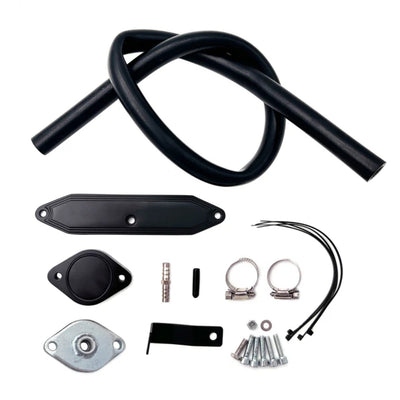
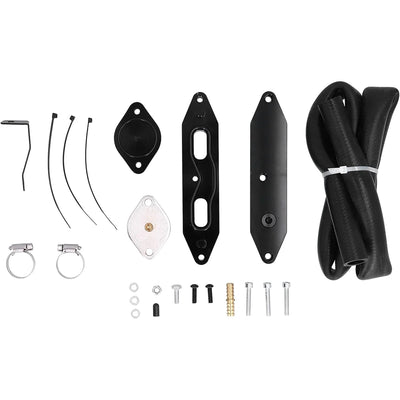
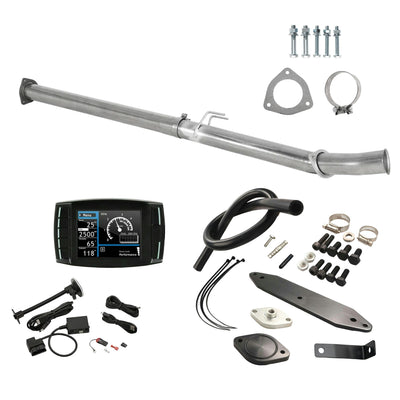
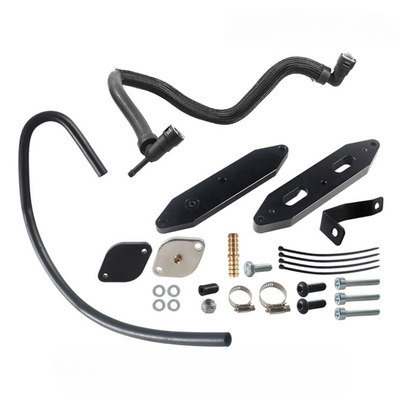
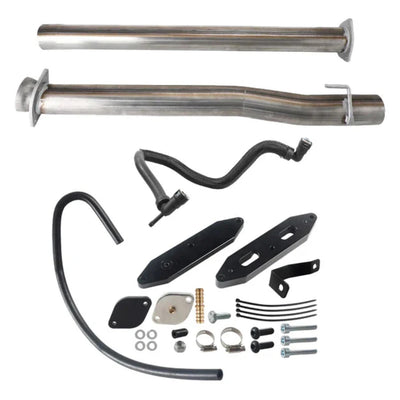
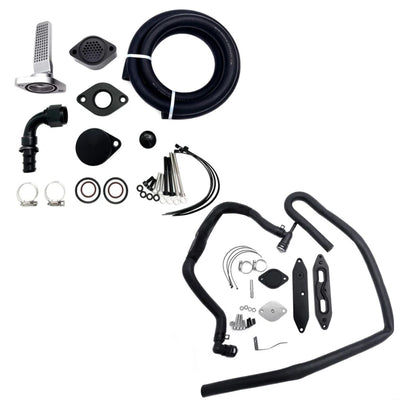
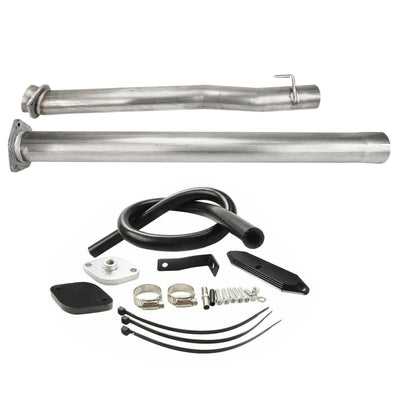
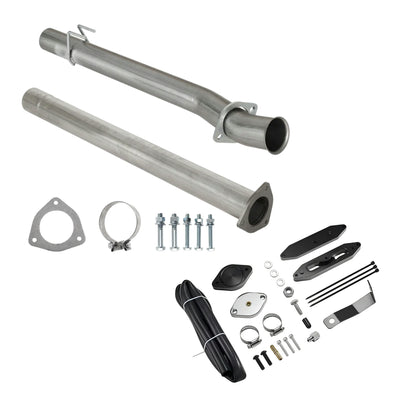
A P0299 underboost code can trigger when a leaking, stuck-open, or clogged factory EGR valve allows vital boost pressure to escape into the exhaust. Installing an EGR Performance EGR delete kit for 6.7 Powerstroke with solid block-off plates permanently stops this pressure loss, restoring full turbo efficiency. Because a physical delete removes factory airflow parameters, we recommend pairing this hardware with a software tune to prevent the ECM from throwing subsequent codes due to the disabled system.
Table of Contents
- Summary: The P0299 Quick-Fix
- What Are the Common Symptoms of P0299 on a 6.7 Powerstroke?
- What Causes the P0299 Code on 6.7 Powerstroke Trucks?
- How Do You Diagnose P0299 on a 6.7 Powerstroke Step by Step?
- How Do You Fix P0299 Without Replacing the Entire Turbo?
- When Is the Turbo Itself the Problem on a 6.7 Powerstroke?
- Is It Safe to Drive with a P0299 Code on Your Truck?
- How Do You Prevent P0299 from Returning on Your 6.7 Powerstroke?
- How Much Does It Cost to Diagnose and Repair P0299 in 2026?
- FAQs
- Conclusion: Taking the "Expert" Approach to Turbo Health
Summary: The P0299 Quick-Fix
Your 6.7 Powerstroke truck loses power and throws a P0299 code? Many owners face limp mode and worry about big repairs.
If you're seeing a P0299 code on the 6.7 Powerstroke, that means there is a "Turbocharger Underboost" condition. In simple terms, your engine is not getting enough boost pressure from the turbocharger due to insufficient airflow.
Over 40% of cases come from carbon-clogged MAP sensors or VGT soot buildup. About 35% trace to cracks in the plastic intercooler pipe. When the underboost is caused by a leaking, stuck-open, or clogged EGR valve/cooler, you need a high-flow Ford EGR delete kit to stop soot issues.
Eliminate Soot Restrictions. Restore Maximum Boost
A sticky, soot-choked factory EGR valve can bleed off critical exhaust pressure, robbing your turbo of drive energy and triggering frustrating P0299 underboost codes. Our EGR Delete Kits from EGR Performance are engineered to eliminate the restriction permanently on off-road machines. Stop internal exhaust leaks, drop your intake temperatures, and keep your 6.7L turbo spooling exactly when you need it.
Shop 6.7L Off-Road EGR Delete Kits→We know how frustrating it feels when your powerful diesel truck suddenly feels weak. In our years working on these engines, we learned the common patterns.
Now we share what causes a P0299 code and the exact steps to diagnose and repair the P0299 on the 6.7 Powerstroke, so that you can keep your truck strong and save you thousands on major repairs. Act fast to avoid higher EGTs and engine damage.
What Are the Common Symptoms of P0299 on a 6.7 Powerstroke?
Your truck sends clear warning signals when boost drops.
Common symptoms include limp mode, loud hissing under load, excessive black smoke, and a 10-15% drop in fuel economy. The engine limits power to protect itself. You notice less pull when towing, and the truck works harder than normal.

Listen to these signs before the problem gets worse.
- Limp Mode: When your engine enters "limp mode", it limits the power and RPMs to help protect itself from damage. You feel it right away on the highway or when you need torque. We advise against heavy towing in this state.
- Hissing Noise: A hissing or loud whistling noise when accelerating means a potential boost leak/cracked pipe. Air escapes under pressure, so you hear whistling near the intercooler or turbo.
- Black Smoke: Black smoke coming out of the exhaust indicates excess fuel and not enough air, resulting in a rich mix. Fuel burns incompletely and exits as smoke.
- Decreased Fuel Economy: Decreased fuel economy is an expected outcome of as much as 10-15%, because the truck compensates with more fuel.
These signs are typically caused by turbo underboost and do not indicate that there is an imminent turbo failure.
We remember one truck that came in with a strong hiss and black smoke on the hills. The owner thought the turbo failed.
After checks, we found a cracked pipe. Quick fixes got it back on the road the same day. Pay attention to these signs early.
We track data across many trucks. Owners report EGTs climb 200-300°F higher with underboost. This stresses the DPF and exhaust valves. One owner ignored it for weeks and needed a DPF clean plus valve work. Catch it quickly to stay safe.
Other signs include slower acceleration and a check engine light. Scan tools show desired boost at 25-30 psi, while actual stays at 15 psi or less. We use live data to confirm. These symptoms overlap with other issues, so proper diagnosis matters.
We break it down further with a quick table:
|
Symptom
|
What It Means
|
How Common
|
|---|---|---|
|
Limp Mode
|
PCM limits engine power to protect components
|
Very High
|
|
Loud Hissing
|
Possible boost or charge-air leak
|
High
|
|
Black Smoke
|
Rich fuel mixture or incomplete combustion
|
Medium
|
|
Poor Fuel Economy
|
Engine working harder or operating inefficiently
|
High
|
Understanding these helps you act fast.
What Causes the P0299 Code on 6.7 Powerstroke Trucks?
We see clear patterns in failures each year. Plastic parts and soot buildup create P0299 codes most time.
Boost leaks cause about 40% of P0299 cases. The factory plastic cold side intercooler pipe cracks often.
Sensor soot hits 25% of trucks. VGT vane sticking covers 15%. Exhaust manifold bolt breaks add more issues.

Here is a list of the most commonly occurring turbo underboost causes for the 6.7 Powerstroke:
- Boost leaks (40%): The most common cause is cracked factory plastic cold-side intercooler pipes.
- Sensor contamination (25%): MAP or EBP dirty sensors provide the ECU with an erroneous low boost reading.
- VGT sticking (15%): Carbon builds up and prevents the turbo vanes from reaching their fully open position.
- Exhaust leaks: Ruptured manifold bolts reduce drive pressure to the turbo.
These are the four main reasons that can cause a P0299 code, and why proper diagnosis is important before replacing parts.
We find oil residue around the failure point often. This matches the 40% stat we track.
The plastic pipe fatigues from heat cycles. Soot from EGR coats sensors and vanes. Cleaning helps short-term, but soot returns without EGR fixes.
VGT vanes stick from carbon buildup inside the turbo. The unison ring binds, and vanes cannot adjust for proper boost. We see this after 100k-150k miles on stock setups.
We also note intake restrictions and faulty actuators. In 2026 data, plastic parts still fail at high rates. One truck we serviced had three pipe replacements before the owner upgraded to aluminum. That stopped the cycle.
Here is a breakdown table with percentages we reference:
|
Cause
|
% of Cases
|
Typical Mileage
|
|---|---|---|
|
Boost Leaks (Plastic Pipe)
|
40%
|
80k–150k miles
|
|
Sensor Soot
|
25%
|
Any mileage
|
|
VGT Sticking
|
15%
|
120k+ miles
|
|
Exhaust Leaks
|
10%
|
100k+ miles
|
We always check these in order. This saves time and money. Ignoring soot leads to repeated codes.
How Do You Diagnose P0299 on a 6.7 Powerstroke Step by Step?
Utilising a simple diagnostic procedure, you can determine what causes a P0299 code. You can also confirm what causes a turbo to underboost before you begin to replace parts.
Start with visual inspection of pipes and boots. Then scan live data for desired vs actual boost. Perform a smoke test for hidden leaks. Command the VGT actuator to check movement.

Stop guessing and follow clear steps. We guide many owners through this. One simple scan saved a truck from unnecessary turbo replacement.
Step 1: Check visually
Inspect the boots connecting the intercooler and plastic pipes for damage. Look for cracks, loose clamps, and any oily residue.
Feel for soft spots. Check the exhaust manifold for soot trails that show leaks. This catches 40% of issues quickly.
Step 2: Scan with live engine data
Using an OBD2 scanner, compare the desired boost and the actual boost to verify that your results indicate a possible leak or actuator issues.
Often 25+ psi under load. Big gaps mean leak or stuck vanes.
We monitor the VGT duty cycle too. If it stays high but the boost stays low, vanes bind.
Step 3: Smoke testing
Conduct a smoke test for locating hidden leaks within the charge air cooler. Pressurized smoke shows pinhole leaks in the CAC or pipes that eyes miss.
A small leak can produce a significant loss of boost. We find many hidden failures this way. It is safe and accurate.
Step 4: Turbo actuator test
With the help of a scan tool, command the turbo actuators to move vanes. If there are vanes that move while the turbo is not responding, it points to soot or a bad actuator. We also check shaft play on the turbo if needed.
We add EBP sensor checks and exhaust backpressure readings. A clogged DPF can mimic underboost, but we rule it out. Full diagnosis takes 1-2 hours and prevents wrong parts buys.
We share stories where owners skipped steps and wasted money on new turbos. Follow the order, and you succeed.
How Do You Fix P0299 Without Replacing the Entire Turbo?
Sometimes you do not require a new one. Many fixes avoid big turbo costs. If you are asking how to fix turbo underboost, check to see if these tested methods can solve your problem.
Clean the MAP sensor for a quick $20 fix. Replace the plastic pipe with aluminum. Install a high-flow EGR delete kit as the permanent solution. This removes soot recirculation and stops 90% of related issues.
Map Sensor Cleaning
Cleaning your map sensor with the proper MAF/MAP cleaner is an inexpensive solution to fast restore an accurate map sensor reading.
Remove, spray, dry, and reinstall. We do this often as the first step.
Replace Weak Pipes
Replace the plastic intercooler pipe. Hardware upgrade to aluminum pipe eliminates cracks. Kits include better boots and clamps.
Boost holds strong, and we see zero repeat leaks. Cost stays low, and reliability jumps.
EGR Delete Kit
EGR performance Ford 6.7 EGR delete kit shines as a permanent fix. It blocks exhaust gas recirculation, so soot stops building on vanes and sensors.
We see the VGT movement stay free and the sensors stay clean. Trucks run cooler with lower EGTs in many cases. Pair it with proper tuning for the best results.
We track results: trucks with delete kits go 200k+ miles with far fewer codes. It immunizes the system against carbon problems. Always use quality parts and follow install guides carefully. These steps solve most P0299 without a turbo swap.
These solutions resolve most turbo underboost causes without having to replace the entire turbo, saving you hundreds of dollars. We fixed hundreds of trucks this way. One owner gained a consistent boost after the EGR kit.
When Is the Turbo Itself the Problem on a 6.7 Powerstroke?
Sometimes a turbo can be what causes a P0299 code. If the initial methods do not work to fix your vehicle, it means your turbocharger's internal parts have failed.
Look for excessive shaft play or damaged compressor blades. VGT actuator failure after 150,000 miles also causes codes. Confirm other fixes fail before turbo replacement.

We test thoroughly. Many "bad" turbos just need cleaning.
Internal turbo failure
Check for excess movement at the turbine shaft or if the compressor blades are damaged or bent. Internal failure shows as side-to-side shaft wobble over 0.010 inches or blade damage from debris.
Oil in the intake beyond light mist signals seal wear. If any one of these things is wrong with the turbocharger, the boost created by your turbocharger is reduced. We measure play with a dial indicator.
VGT actuator failure
An electronic actuator fails when it reaches approximately 150,000 miles. This stops the movement of the vanes and causes an under-boost condition.
They stick or lose position feedback. Scan tools show faults. Replacement actuators cost less than a full turbo.
We only recommend turbo replacement after all else checks out. New or rebuilt units with updated parts work well.
Labor runs high, so confirm the need first. In our experience, under 20% of P0299 cases need a new turbo when diagnosed correctly.
Is It Safe to Drive with a P0299 Code on Your Truck?
Short trips may work, but we advise caution.
You can drive short distances but skip towing. Underboost raises EGTs and risks DPF damage or valve issues. Fix it soon so a $400 repair does not become a $5,000 rebuild.

We saw trucks towed in after ignoring codes. Better to address early.
Long-term driving is not recommended. The reason for the P0299 code is often poor engine performance due to low boost pressure. However, towing or driving with a heavy load is not recommended.
Limp mode protects, but continued driving stresses components. Using your vehicle while it is underboosted in a turbocharged application raises exhaust gas temperature (EGT).
The increase in EGT leads to melts to your DPF or harming exhaust valves over time. It also creates an environment that leads to further turbocharger-related conditions.
Fuel dilution increases with rich running. Oil quality drops, and wear rises. We recommend scan monitoring during drives.
Fix within days for safety. Many owners drive carefully to the shop with no issues if they avoid heavy loads.
Addressing the root cause of an underboost situation early allows for repairing it without having engine damage later on.
How Do You Prevent P0299 from Returning on Your 6.7 Powerstroke?
Preventing the P0299 code from coming back is very important to avoid repetition of what causes a P0299 code.
Good habits keep codes away. We follow a clear routine.
Install an EGR delete kit to remove the soot source. Change air filters every 15,000 miles. Use quality 5W-40 synthetic oil. Never ignore small hisses.

We help owners build maintenance plans that last. Cleaning and sealing your system greatly helps to eliminate many of the turbo underboost causes over time.
Soot-free installations
Installing an EGR delete kit helps eliminate soot accumulation. Increasing airflow through the intake system, it aids in maintaining a steady boost performance level. It cuts carbon 90% and keeps everything clean.
It prevents the condition that causes a turbo to underboost for an extended period. We see a consistent boost and better reliability.
Maintain it regularly
You should change your air filter at 15,000 miles. Always use good-quality synthetic 5W-40 oil to help protect the turbo bearing.
We check boots and clamps during services. Avoid cheap parts that fail fast.
Do not ignore the early signs
Small hissing noises should not be disregarded because small leaks can create significant amounts of boost loss.
Monitor with a scan tool monthly. Catch small issues early. These steps add many trouble-free miles.
How Much Does It Cost to Diagnose and Repair P0299 in 2026?
Understanding estimate repair costs. The right fix depends on the root turbo underboost causes. We share real numbers to help you budget.
Here are 2026 estimates:
|
Repair Type
|
Parts & Labor Cost
|
Reliability Level
|
|---|---|---|
|
Sensor Cleaning / Replace
|
$15 – $180
|
Temporary (soot may return)
|
|
Aluminum Pipe Upgrade
|
$250 – $450
|
Permanent fix for common boost leaks
|
|
Full EGR Delete Kit
|
$1,200 – $1,800
|
Highest reliability (addresses root cause)
|
|
Turbo Replacement
|
$3,500 – $4,800
|
High reliability, but expensive
|
We always aim for the highest reliability options first when possible.
Diagnosis usually runs $100-200 with a scan and a smoke test. Sensor work stays cheap but repeats without fixes. Aluminum pipes pay for themselves fast by stopping breakdowns.
EGR delete kits give the best long-term value. They solve multiple issues at once. We install many, and owners report strong performance gains.
Turbo jobs cost the most due to labor and parts. Choose based on your mileage and goals.
Recommended Resources:
Deep Dive: Everything You Need to Know About 6.7 Powerstroke Delete
Expert Picks: Best 6.7 Powerstroke Delete Kits for Reliability & Power
Shop Now: Browse 6.7 Powerstroke Performance Parts & Upgrades
FAQs
Is it safe to drive with P0299?
No. Although short trips may be fine, you should not tow anything while driving under boost. This can lead to serious damage to both the turbocharger and the engine. X`
Will P0299 go away on its own?
Generally no. The root of the problem (either soot or leaks) must be fixed first.
Can a bad MAP sensor cause P0299?
Yes, if your MAP sensor is clogged or malfunctioning, it can create a false under-boost condition. Soot or failure sends wrong readings often.
What causes P0299 on a 6.7 Powerstroke?
Possible causes for this trouble code include a boost leak, soot buildup on the VGT or other sensors, a stuck VGT, or an exhaust leak.
Does P0299 always mean the turbo is bad?
In most cases, it is not the turbo but rather either a boost leak or a problem with one or more sensors. Most cases involve simpler, cheaper fixes.
How do you fix P0299 on a 6.7 Powerstroke?
The most common repairs include cleaning the sensors, replacing the plastic hoses, and using an EGR delete kit with high flow capability.
You rarely need to replace the turbo due to a P0299 code.
What does P0299 mean on a 6.7 Powerstroke?
P0299 is a trouble code for a turbocharger underboost condition. This means that the turbocharger is not producing enough boost pressure for the engine.
Can a blocked DPF cause turbo underboost?
A blocked diesel particulate filter (DPF) can create excessive backpressure that affects the turbocharger's ability to produce boost pressure. This causes the code P0299 to be set in your engine control module (ECM). You will need a 6.7 Powerstroke DPF delete.

Conclusion: Taking the "Expert" Approach to Turbo Health
If you know what causes a P0299 code, it is usually easy to fix. Most commonly, the cause of the fault code is small leaks in your boost system, dirty sensors, or a build-up of soot, rather than a failed turbocharger.
Solving the 6.7 Powerstroke problem when it occurs prevents major repairs and restores proper performance.
P0299 is a solvable issue with the right steps and upgrades. We recommend the EGR Performance delete kit as the best long-term choice for clean operation and reliable boost on your 6.7 Powerstroke.
What can you do now?
- Check your cold-side pipe for any cracks or leakages
- Upgrade to aluminum piping to better retain boost
- Look into an EGR delete solution, which will reduce soot and help stabilize your long-term boost.