

🛠️ 30-Second Summary: PCV System Problems & Solutions
Preventing severe PCV system problems requires replacing the PCV valve every 30,000–50,000 miles and inspecting CCV filters during routine oil changes. A quick crankcase vacuum test at hot idle (1–6 in H2O healthy range) combined with hose checks catches 95% of failures before excessive pressure blows main seals. For heavy-duty diesel engines suffering from turbo oil carryover, installing a direct-fit EGR Performance PCV/CCV reroute kit slashes intake sludge contamination by up to 80%, protects intercooler boots, and restores clean boost pressure for towing.
Table of Contents
- Introduction
- What Is the PCV System and Why Does It Matter?
- Most Common PCV System Problems
- What Are the Symptoms of PCV System Problems
- Diagnostic Focus: How to Know if Your PCV Valve Is Bad?
- How to Test a PCV Valve and Diagnose a PCV Problem Safely
- Is It OK to Drive with a Bad PCV Valve?
- Repair Options: Replace, Clean, Inspect? When a Reroute Kit Helps
- How to Prevent Future PCV System Problems
- FAQs
- Conclusion
Introduction
The rough idle, oil leaks, exhaust smoke, and engine misfires are all symptoms of a PCV system problem. The Positive Crankcase Ventilation system recirculates blow-by gases from the crankcase back into the intake.
A faulty PCV or CCV valve or filter on a diesel truck can cause crankcase pressure buildup (up to 40 in H2O), trapping blow-by gases that force oil past seals, damaging seals and gaskets, and contaminating the intake with blue smoke and sludge.
When your heavy-duty diesel starts acting up, the first clue is often the same: that nagging rough idle or oily mess under the truck. We have seen it on thousands of trucks. A failing PCV or CCV system can turn simple maintenance into a $3,000+ engine-repair nightmare.
This guide will assist you in recognizing every symptom, using the exact tests we use in the shop, and selecting the appropriate repair that keeps your engine running strong mile after mile. Early action is the key, and a $20 valve is a $20 fix.
What Is the PCV System and Why Does It Matter?
The PCV system regulates crankcase pressure and returns blow-by gases to the engine's intake. If it is not present, those gases would pollute the oil and cause pressure that would destroy seals.
Stop Crankcase Blow-By at the Source.
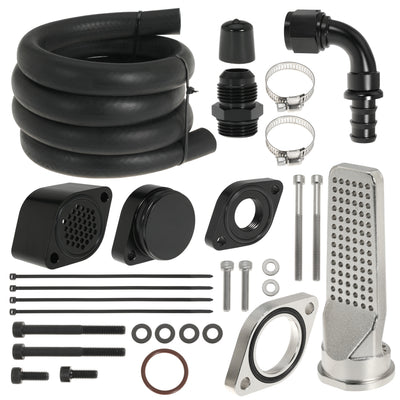
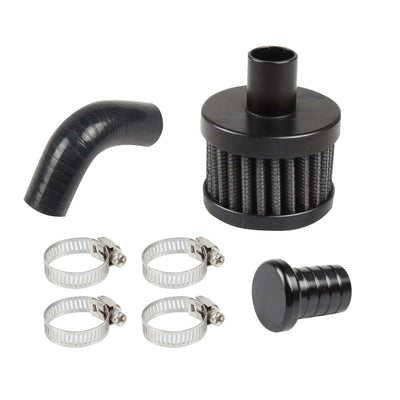
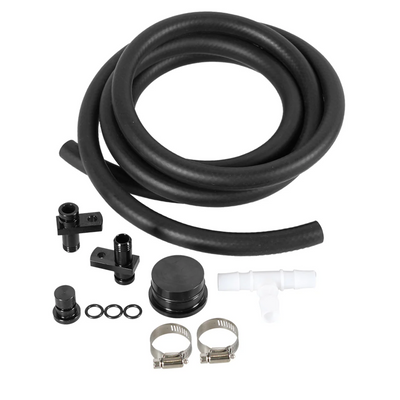
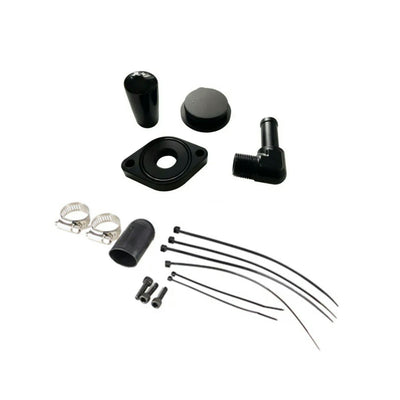
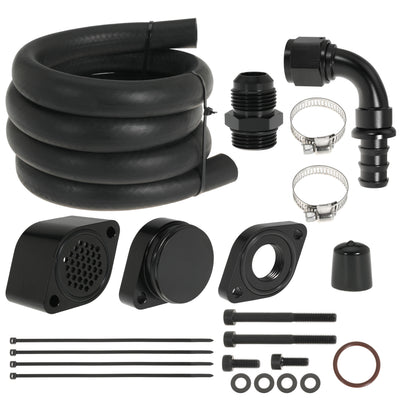
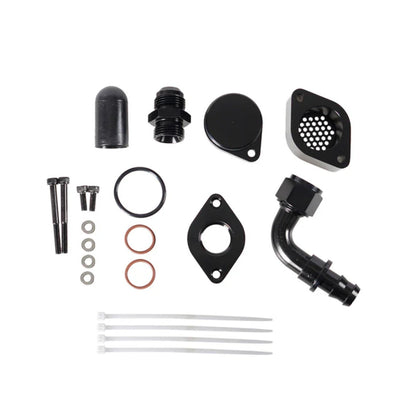
Tired of dealing with oily intercoolers, carbon-choked valves, and pressure-blown gaskets? Our PCV/CCV Reroute Kits from EGR Performance are engineered to redirect harmful crankcase vapors away from your intake tract. Built with heavy-duty, oil-resistant lines and precision fittings for ultimate reliability under high boost and heavy loads.
Shop PCV/CCV Reroute Kits→On heavy-duty diesels, this quick failure turns a $25 part into thousands of dollars in repairs. We see it daily in trucks that haul loads over 20,000 pounds or idle for hours in cold weather.
What the PCV Valve Does
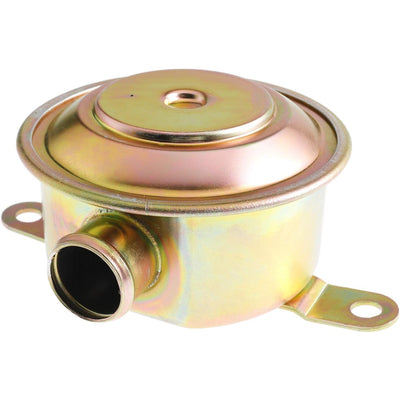
The PCV valve is located between the valve cover and the intake manifold. It controls the amount of vapor recirculated as a function of engine load and vacuum. It regulates crankcase vapors, routes blow-by gases back into the intake, and balances internal pressure to keep seals tight and combustion efficient.
PCV vs. CCV
Gasoline engines have a Positive Crankcase Ventilation (PCV) valve. A CCV (Closed Crankcase Ventilation) system is used in diesel engines. Both control crankcase pressure, but the design and parts are different.
|
Aspect
|
Gasoline PCV Valve
|
Diesel CCV System
|
|---|---|---|
|
Pressure Management
|
Relies on manifold vacuum
|
Closed pressure regulator (-10 to +10 mbar)
|
|
Oil Separation
|
Minimal
|
Coalescing filter + return to sump
|
|
Blow-by Volume
|
Lower (gasoline)
|
Much higher (diesel combustion)
|
|
Common Failure Point
|
Stuck plunger or clogged hose
|
Saturated filter or hose collapse
|
|
Intake Contamination
|
Low
|
High if filter fails (oil in turbo)
|
PCV for gasoline engines differs from CCV on diesels because gasoline systems use a simple one-way valve, while diesel CCV includes an oil separator and filter to handle higher blow-by volumes and prevent oil carryover into the turbo inlet.
Consequences of PCV System Failure
If the system fails, you get:
- Crankcase pressure that exceeds the ability of the seals to contain it. When the system fails, crankcase pressure climbs past 10-15 psi.
- Vacuum leaks that upset combustion balance. Oil forces past the valve cover gasket, rear main seal, and oil pan bolts.
- Oil contamination and increased sludge accumulation. Moisture and fuel vapors mix with diesel particulates, forming thick sludge that coats piston rings and rings on valves.
- Damage to gaskets and engine seals over time that cannot be repaired
- Over time, this damage raises exhaust temperatures 50-100°F higher than normal and drops fuel economy by 2-4 MPG.
The most costly repairs are avoided by early diagnosis of PCV system problems.
Most Common PCV System Problems
Clogged or stuck-closed PCV valves trap pressure inside the crankcase and force oil past seals. Sticking open creates a constant vacuum leak that pulls unmetered air into the intake.
Cracked hoses soften from engine heat and collapse under pressure. Blocked passages in the valve cover or failed oil separators restrict ventilation.
Worn grommets let air and oil seep. Excessive blow-by from worn piston rings or turbo seals overpowers any working ventilation system.

PCV valve problems fall into six main categories. They each have their own cause and consequences.
Clogged or Stuck-Closed PCV Valve
The valve is clogged or stuck closed, causing pressure to accumulate in the crankcase. Oil is pushed through seals and gaskets. This is the most frequent reason for oil leaks in high-mileage engines.
PCV Valve Stuck Open
A stuck-open valve will cause a constant vacuum leak. The engine runs lean, idles rough, and consumes oil. A stuck-open valve can cause pcv valve problems that are similar to those of a carburetor or fuel delivery problem.
Clogged PCV valves raise crankcase pressure above 15 psi, while stuck-open valves create 2-5 in. Hg vacuum leaks that starve cylinders and increase oil consumption by 0.5-1 quart per 1,000 miles.
Cracked, Collapsed, or Disconnected Hoses
Over time, rubber hoses deteriorate due to heat and oil. The sealed circuit is broken by a cracked or collapsed hose. The result is air leaks, oil leaks, and erratic idle.
Blocked Passages or Failed Oil Separator / CCV Filter
Even if the valve is working, blocked passages or a failed oil separator will prevent proper venting. Blocked crankcase breather symptoms include rising crankcase pressure and oil forced past seals despite a functioning valve.
Worn Grommets, Seals, or Fittings
Oil seepage and hissing noises are caused by worn rubber fittings. These are low-cost components that are frequently overlooked in diagnosis.
Excessive Engine Blow-By
Heavy internal wear, especially worn piston rings, produces more blow-by gas than any PCV system can handle. Even if the system is in perfect condition, it gets overwhelmed.
This table shows PCV failures on 6.7 Cummins, 6.7 Powerstroke, and 6.6 Duramax platforms. This is why a simple hose replacement often solves 40% of complaints we see in the field.
|
Problem
|
Common Symptoms
|
Typical Diesel Platform
|
Repair Cost Range
|
|---|---|---|---|
|
Clogged/Stuck-Closed PCV
|
High pressure, blown gaskets, strong oil odor
|
6.7 Cummins, Duramax L5P
|
$0-150 (cleaning)
|
|
Stuck-Open PCV Valve
|
Rough idle, lean codes P0171/P0174, blue smoke
|
6.7 Powerstroke, Cummins
|
$25-80 (replacement)
|
|
Cracked/Collapsed Hoses
|
Hissing noise, vacuum leak codes
|
All platforms
|
$50-200 (replacement)
|
|
Blocked Passages/Separator
|
Sludge in intake, poor throttle response
|
6.7 Powerstroke
|
$100-300 (reroute kit)
|
|
Worn Grommets/Seals
|
Oil seepage, abnormal noises
|
All platforms
|
$0-75 (inspection)
|
|
Excessive Blow-By
|
Oil in intake, high EGTs
|
High-mileage Cummins
|
$500+ (engine work)
|
What Are the Symptoms of PCV System Problems
Rough or high idle shakes your truck at 600-900 RPM because unmetered air disrupts air-fuel balance. Engine misfires follow when the open valve or leak pulls extra air into cylinders.
Oil leaks appear around the valve cover gasket, rear main seal, and oil pan, often leaving fresh black streaks on the undercarriage.
Stuck-open PCV valves trigger lean fuel trims that set codes P0171 or P0174, while clogged valves cause pressure relief that blows gaskets and raises oil consumption 30-50%.
Failing PCV valve symptoms overlap with several other engine issues. If you are familiar with all nine symptoms, you can quickly narrow down the cause. Early detection can save you from misdiagnosing the issue as a fuel or ignition fault.
Rough or High Idle
Unmetered air from a failed valve or cracked hose will upset the air-fuel ratio. The engine shakes, stumbles, or RPMs bounce erratically.
Engine Misfires and Lean Conditions
A stuck-open valve causes a vacuum leak directly into the intake. The mixture becomes lean, and misfires occur. You may stutter or hesitate when under load.
Oil Leaks Around Gaskets and Seals
Excess crankcase pressure forces oil through the valve cover gasket, rear main seal, or oil pan seal. The most common leaking PCV valve symptoms are oil pooling under the engine or wet gasket lines.
Exhaust Smoke and Increased Oil Consumption
Blue smoke indicates that oil is getting into the combustion chambers, which will result in higher oil consumption. Black smoke indicates a mixture imbalance.
Both indicate the PCV circuit has failed. Leaking PCV valve symptoms and blue smoke are frequently found together in high-mileage vehicles.
Whistling or Hissing Noises
Air pulling through a failed diaphragm, cracked hose, or loose fitting creates a high-pitched whistle or hiss. The sound typically varies with engine speed.
Poor Fuel Economy
Crankcase ventilation is compromised. More fuel is used to produce the same amount of energy.
Check Engine Light (CEL)
A failed PCV valve triggers codes for vacuum leaks, lean fuel trims, or misfires. Codes P0171, P052E, P0300 misfire, or P050D cold-start rough idle codes are common.
Dirty Oil and Sludge Buildup
A dirty system holds fuel vapors and moisture in the crankcase. Oil darkens and thickens more rapidly than usual. Sludge may be seen on the oil cap or dipstick.
Oil in the Intake Tract
Oil accumulates in turbo piping, intercoolers, or intake manifolds when the system cannot vent properly. This limits airflow and reduces intercooler efficiency over time.
Diagnostic Focus: How to Know if Your PCV Valve Is Bad?
Stuck-open PCV symptoms include rough idle and lean codes; clogged PCV symptoms include blown gaskets and sludge. Both require different fixes.
Start with the PCV valve, then move to hoses, then to the valve cover ports. Skipping this step wastes $200 in parts and still leaves the engine damaged.
|
Symptom
|
Likely Cause
|
Quick Test We Perform
|
|---|---|---|
|
Rough idle + lean codes
|
Stuck-open PCV
|
Pinch hose at idle
|
|
Oil leaks + sludge
|
Stuck-closed PCV
|
Oil cap test (pressure)
|
|
Blue smoke + intake oil
|
CCV filter restriction
|
Remove and inspect filter
|
|
Hissing near valve cover
|
Cracked or collapsed hose
|
Smoke test crankcase
|
Symptoms of a Stuck-Open PCV Valve
Bad crankcase vent valve symptoms from a stuck-open valve include:
- Rough or unstable idle at low RPM
- Vacuum leak sounds near the valve or hoses
- Lean fuel trim codes (P0171 or P0174)
- Higher-than-normal oil consumption
- Oil mist drawn into the intake manifold
Symptoms of a Clogged or Stuck-Closed PCV Valve
PCV valve clogged symptoms from a stuck-closed or blocked valve include:
- High crankcase pressure and blown gaskets or seals
- Persistent oil leaks from several locations
- Sludge buildup on the dipstick or oil cap
- A strong fuel or oil smell in the engine compartment
- Oil pushed into the air filter housing
PCV System Problems vs. Other Engine Problems
Several symptoms overlap with unrelated mechanical issues. Bad crankcase vent valve symptoms like blue smoke, oil loss, and erratic idling also occur with:
- Worn piston rings or valve stem seals
- Turbocharger seal failures
- Direct intake manifold vacuum leaks from other sources
- Fuel delivery problems
When the problem is crankcase pressure, it is often confused with pcv valve clogged symptoms from a different fault. Test the PCV system first before replacing seals or gaskets.
Why This Distinction Matters
A stuck-open valve requires a different repair than a clogged valve. If the wrong part is installed, it costs money and the actual problem remains. Before ordering parts, always verify the failure mode.
How to Test a PCV Valve and Diagnose a PCV Problem Safely
Visual and hose inspection starts every job. Check rubber lines for cracks, oil softening, collapse, or sludge buildup.
Shake the valve (if serviceable) to listen for a distinct rattle that confirms internal movement; no rattle signals clogging.
Place a finger over the opening or hose while the engine idles to feel active suction. Briefly pinch the hose or disconnect the valve and note any change in idle smoothness.
A successful PCV test shows a stable idle when the hose is pinched and crankcase vacuum of 2-5 inches Hg when the valve is removed.

The PCV system can be tested in less than 15 minutes. For most vehicles, no special tools are required.
Step 1: Visual and Hose Inspection
Check all rubber hoses attached to the PCV system. Look for cracks, oil softening, collapse under pressure, or sludge at fittings. Replace any hose that appears to be in poor condition.
Step 2: Shake Test
Remove the PCV valve and shake it thoroughly. A working valve will rattle easily. If there is no rattle, the valve is clogged or stuck.
Note: This test is not valid for modern non-serviceable integrated valves.
Step 3: Vacuum / Suction Test
Start the engine and cover the open valve port or hose end with a finger. Strong suction confirms the system is pulling correctly. Weak or no suction points to a blockage or failed valve.
Step 4: Idle Response Test
With the engine running, pinch the PCV hose or remove the valve briefly. The idle should stumble or change slightly. If there is no change, the valve is either stuck open or completely blocked.
Step 5: Sound Diagnostic
Listen closely at hose joints, the valve body, and the valve cover. Hissing or whistling signals a failed diaphragm or loose seal. Positive crankcase ventilation failure symptoms like hissing often appear before any codes are triggered.
Step 6: OBD-II Code Scan
Scan for lean trim codes, misfire codes, or any PCV-related codes. Compare your results with the service procedure for your vehicle to verify the diagnosis.
Always work in a well-ventilated area and wear gloves because diesel oil and vapors irritate skin.
Is It OK to Drive with a Bad PCV Valve?
No, it is not safe to drive with a bad PCV valve for long. While it might not strand you immediately, continuing to drive transforms a $15-$30 maintenance item into potential thousands of dollars in mechanical repairs.
If the valve is stuck closed or clogged
Blow-by gases remain in the crankcase. Pressure builds until oil forces past the valve cover gaskets, oil pan seals, or rear main seal. Moisture and contaminants also form thick sludge.
Positive crankcase ventilation failure symptoms, left untreated, accelerate engine wear significantly.
If the valve is stuck open
Unmetered air is drawn into the intake through a constant vacuum leak. This leads to rough idling, engine misfires, poor fuel economy, increased oil consumption, and blue exhaust smoke.
Oil is drawn directly into the combustion chambers and burned. The engine can eventually foul spark plugs and damage catalytic converters.
Address PCV system problems promptly. The longer you delay the repair, the more costly it will be.
Repair Options: Replace, Clean, Inspect? When a Reroute Kit Helps
Standard component replacement covers the PCV valve, grommets, and damaged hoses. Cleaning passages removes carbon and oil sludge from valve cover ports or breathers. Integrated valve cover assemblies on many modern vehicles require full module replacement because the PCV system is built directly into the plastic cover diaphragm.
Replacing worn parts restores balance in 80% of cases, but severe-duty diesels often need an EGR Performance PCV/CCV reroute to keep the intake tract clean for the next 50,000 miles.

Standard Component Replacement
Change the PCV valve, grommets, and any damaged hoses simultaneously. These parts are low-cost and should be serviced as a unit. If only the valve is replaced and the hose remains cracked, the problem will recur.
When standard valve replacements fail to prevent heavy blow-by oil mist from clogging your intake manifold and intercooler, upgrading to a reroute system provides a permanent bypass solution.
To see how diverting crankcase vapors protects your turbo piping and intake valves from carbon sludge, read our technical breakdown on what a CCV reroute does.
Cleaning Passages
Remove carbon and oil sludge from valve cover ports and breather passages. Clean with a carburetor cleaner and a small brush. Even with a new valve installed, blocked passages will limit ventilation.
Integrated Valve Cover Assemblies
Many modern vehicles incorporate the PCV system into the plastic valve cover. If the internal diaphragm is damaged, the whole valve cover assembly must be replaced. This is a more costly repair but necessary on these platforms.
When an EGR Performance PCV/CCV Reroute May Help
Who should consider it: Diesel truck owners and high-duty applications facing recurring intake contamination or factory CCV system limitations.
Main benefits of a PCV/CCV reroute kit:
- Deflects oil mist away from the turbo inlet, intercooler, and intake manifold
- Reduces carbon and sludge buildup inside the intake tract
- Provides consistent crankcase pressure management on compatible platforms
Important distinction: A PCV CCV reroute kit optimizes vapor flow. It will not repair mechanical engine damage, worn piston rings, or failed turbocharger seals. Pcv valve failure caused by underlying engine wear requires addressing that wear first.
Installation best practices:
- Keep hose routing clear of heat sources
- Check for leaks after installation
- Maintain catch-can filters if your kit includes them
Emissions and legal compliance: Crankcase modifications may violate local, state, or federal emissions regulations. Check your applicable laws before installing a reroute on a street-driven vehicle. Off-road and competition use rules differ.
How to Prevent Future PCV System Problems
Perform PCV valve and hose inspections during routine service intervals. Change oil on schedule using quality synthetic oils to minimize sludge formation. Avoid frequent short trips that allow moisture to collect in the crankcase. Inspect rubber hoses and fittings for early heat deterioration or oil softening.
Quality synthetic oil with low SAPS and frequent oil changes reduce sludge by 60% on severe-duty platforms.
With regular maintenance, PCV system problems can be easily avoided.
- Check the PCV valve and all hoses at every routine service interval
- Follow the recommended oil change intervals and use high-quality synthetic oil to reduce sludge buildup
- Avoid too many short trips that allow moisture to accumulate in the crankcase
- Check rubber hoses and fittings for heat deterioration or oil softening early
- Watch for blocked crankcase breather symptoms between services, such as rising oil consumption or a wet air filter
Neglecting routine crankcase filter maintenance leads to excessive crankcase pressure, blown oil dipsticks, and premature seal failures, especially on heavy-duty diesel engines. Learn about the severe mechanical risks and performance degradation caused by not changing the CCV filter in 6.7 Cummins.
How Often Should You Change Your PCV Valve?
Standard replacement interval:
Every 30,000 to 50,000 miles, or approximately 3 to 5 years.
High-mileage or severe duty service:
Check every 15,000 to 20,000 miles. Repeat every three oil changes for vehicles driven short distances, in cold weather, or while towing. These conditions cause PCV valve failure to occur sooner.
Integrated valve covers:
These are designed to last 80,000 to 100,000 miles. If the internal valve fails, the entire valve cover assembly must be replaced. These designs do not have a serviceable valve to swap individually.
FAQs
Can a bad PCV valve cause oil leaks?
Yes, a bad PCV (Positive Crankcase Ventilation) valve can cause oil leaks. If the PCV valve becomes clogged or fails to open, combustion gases accumulate in the engine crankcase and cannot escape, which results in high internal pressure and the engine oil is forced through weak gaskets and seals.
Can a bad PCV valve cause rough idle or misfires?
Yes, a bad positive crankcase ventilation (PCV) valve can cause a rough idle and engine misfires. A PCV valve that sticks open or leaks allows excessive unmetered air into the intake manifold, which is equivalent to a vacuum leak. This disrupts the air-fuel ratio and leads to poor combustion.
Can a PCV problem cause a check engine light?
Yes, a problem with the Positive Crankcase Ventilation (PCV) system can cause a check engine light. If the valve fails, the hose cracks or the port becomes clogged, the computer in the car records an error code because it disrupts the air-fuel mixture or causes a vacuum leak.
How do I test a PCV valve or CCV system?
To test a PCV (Positive Crankcase Ventilation) or CCV system, start the engine and allow it to warm up to normal operating temperature. Use a piece of paper to test for suction at the oil dipstick tube or oil filler cap - a good system will create a slight vacuum that will keep the paper in place. Crankcase pressure manometer: 1-6 in H2O is the healthy range at hot idle.
Can you drive with a faulty PCV valve?
You can drive a car with a faulty positive crankcase ventilation (PCV) valve for a short distance, but you should not do it for long. While it is okay to make short trips to a mechanic, it can lead to serious engine leaks, oil burning, and expensive damage to the engine if it is not addressed.
Can a bad PCV valve cause oil consumption and blue smoke?
Yes, a failing positive crankcase ventilation (PCV) valve can lead to excessive oil consumption and blue smoke in the exhaust. If the valve fails and becomes stuck open, it forms a direct vacuum leak that pulls raw oil mist or liquid oil directly from the oil crankcase into the combustion chambers where it is burned away.
Can I clean a PCV valve instead of replacing it?
Sometimes. A stuck valve can be temporarily freed by soaking it in a carburetor cleaner. However, most PCV valves are priced at $10 to $30. Replacement is more reliable. Integrated valve cover designs can't be cleaned separately and should be replaced as a whole.
Does a CCV reroute fix excessive blow-by?
No. A reroute kit redirects crankcase vapors. It does not reduce the volume of blow-by. Excessive blow-by is caused by worn piston rings or cylinder walls. That requires mechanical engine repair, not a ventilation upgrade.
Is a PCV/CCV reroute legal for street-driven vehicles?
Closed-loop reroutes stay legal; open vents may not. Before installing any crankcase ventilation modification on a road-driven vehicle, always check local laws.
What is the difference between a PCV valve, catch can, and CCV reroute?
A PCV valve controls the flow of crankcase vapors back into the intake. A catch can intercepts that vapor and traps the oil before it reaches the intake manifold. A CCV reroute redirects the entire crankcase outlet away from the intake, typically to atmosphere or a filter. Each tackles a different aspect of crankcase ventilation management.
Conclusion
PCV system problems can range from a hissing sound to active oil leaks, exhaust smoke, and intake fouling. It is important to accurately diagnose whether your valve is stuck open, clogged, or affected by leaking hoses. This prevents permanent engine seal damage and unnecessary parts replacement.
For most daily drivers, replacing the PCV valve, grommets, and hoses together solves the problem completely. Catch it early, fix it right, and it stays a $20 repair.
For severe-duty or diesel platforms with chronic oil carryover, a PCV/CCV reroute from EGR Performance keeps the intake clean. It maintains effective crankcase pressure control for the long term.