


⏱️ 30-Second Summary: 6.7 Cummins EGR Failure Signs
Common signs of 6.7 Cummins EGR failure include a P0401 code, rough idling, power loss while towing, and heavy black smoke. After 100,000 miles, soot buildup often leads to stalling or fuel smells in the cab. Addressing these symptoms early with a scan tool can prevent a simple $500 maintenance fix from escalating into a catastrophic $5,000 engine repair.
Table of Contents
- Introduction
- What Does the EGR Valve Do on a 6.7 Cummins?
- What Are the 7 Signs of a Failing EGR Valve on Your 6.7 Cummins?
- What Are the Symptoms of a Bad EGR Cooler on a 6.7 Cummins?
- What Causes EGR Valve Failure on a 6.7 Cummins?
- How to Diagnose a Bad EGR Valve on a 6.7 Cummins?
- How Do You Fix a Faulty EGR Valve on a 6.7 Cummins?
- Can You Drive With a Failing EGR Valve on 6.7 Cummins?
- FAQs
- Final Verdict
Introduction
Your 6.7L Cummins truck shakes at stoplights and loses power fast. The kind of 6.7 Cummins bad EGR symptom often starts small but quickly leads to bigger engine problems.
A failing EGR valve on your 6.7L Cummins shows up as rough idle, power loss, black smoke, and poor fuel economy. We see these from carbon buildup that sticks to the valve. Spot the Cummins EGR valve symptoms early, and you stop bigger damage fast and avoid costly repairs.
Stop Suffocating Your Cummins.
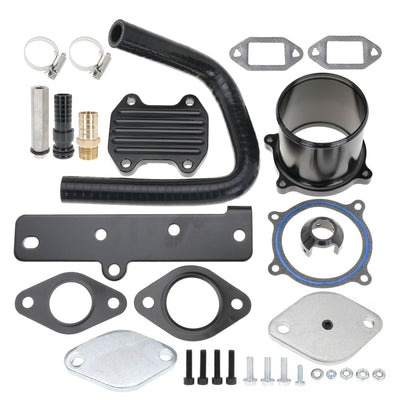
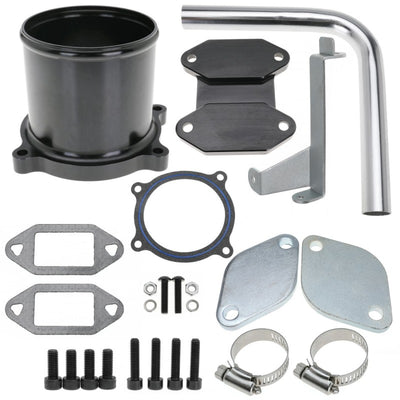
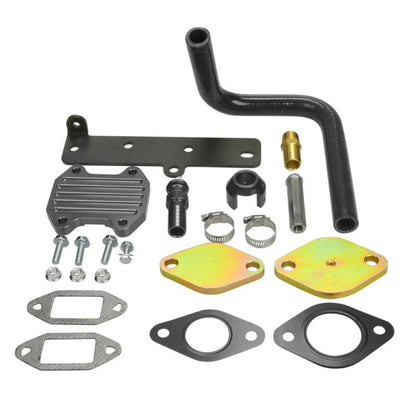
The factory EGR system is a "ticking time bomb" that chokes your engine with abrasive soot and heat. Our 6.7 Cummins EGR Delete Kits from EGR Performance eliminate these failure points for good. Stop the mysterious coolant loss, lower your engine temps, and restore the smooth, reliable power your Cummins was built to deliver.
Shop 6.7 Cummins EGR Delete Kits→We just listed the main signs in short. This guide will walk you through the 7 signs of a failing EGR valve, identify its causes, and explain how to address it before major damage occurs to your engine.
What Does the EGR Valve Do on a 6.7 Cummins?
Diesel engines pump out too much NOx gas. This harms the air and fails emission rules. The EGR valve cuts that down, but it clogs easily in real-world use. <Learn what is an EGR valve>
The EGR valve recirculates exhaust gas back into the engine to lower combustion temperatures by up to 300 degrees and reduce NOx emissions. On the 6.7 Cummins, it mixes gases to meet rules, but soot and heat make it stick or clog over time.

Diesel soot sticks to the valve pintle and cooler passages. Heat cycles from cold starts to hot runs expand and shrink the metal. This leads to carbon coking that jams the EGR valve open or closed. This leads to the common Cummins EGR valve symptoms, including rough idle and a lack of power when driving.
We have worked on hundreds of these engines, and the system works great when clean.
The EGR Valve controls the flow of exhaust gases. The EGR Cooler reduces the temperature of the exhaust gases prior to returning them into the intake. They work as a team but fail in different ways.
A bad valve often shows codes and power loss, while a leaking cooler sends coolant into the exhaust and makes white smoke. We always check both because one issue can hide the other. When one or both of these components fail, you experience 6.7 Cummins bad EGR symptoms before they turn into a severely damaged engine.
In our experience, owners who learn this save time and money by fixing the root cause instead of guessing. The whole setup sits right on the hot side of the engine, so it sees extreme temperatures every day. That is why we tell folks to watch for the signs we listed earlier and act before soot builds too thick.
What Are the 7 Signs of a Failing EGR Valve on Your 6.7 Cummins?
Your truck idles roughly, and you see black smoke from the tailpipe. This gets worse fast and hurts performance. We list the exact 7 signs, so you spot trouble right away.
The 7 Signs of a Failing EGR Valve on Your 6.7 Cummins are a check engine light with specific codes, rough idle or shaking, loss of power, excessive black smoke, poor fuel economy, strong fuel or exhaust smells, and hesitation or stalling.
These 6.7 Cummins bad EGR symptoms help you quickly identify a failing valve before serious damage occurs. We go deep into each sign so you know what to feel and see. We also add how we check them in the shop.
1. Check Engine Light and Trouble Codes
A check engine light usually comes on before any other notification. P0401 (insufficient flow), P0402 (excessive flow), 6.7 Cummins, and P0403–P0406 (circuit or performance issues) are among the more common codes you find via your vehicle's OBD-II system.
It is important to remember that a code does not equate to the failure of that component. A faulty sensor or a blocked cooler may cause the same code(s) as a failed EGR valve. We always test the valve itself after the scan.
2. Rough Idle, Shaking, or Unstable RPM
An air-fuel mixture can be disrupted when there's a malfunctioning valve during an engine's idle. Rough running or irregularly varying RPM can occur with this issue. You may encounter a "stoplight shake" while the engine is trying to run smoothly.
You feel it most when stopped in traffic, and the truck vibrates the whole cab.
3. Loss of Power and Sluggish Acceleration
An air flow restriction can be caused by a stuck EGR , so combustion gets weak. You may experience poor throttle responsiveness and reduced power under load.
Power drops when you need it most, like towing or climbing hills. We have seen trucks lose 20 percent of their power before the owners noticed.

4. Excessive Black Smoke or Unusual Exhaust
Poor airflow leads to black smoke, indicating incomplete combustion under acceleration. Black means soot and EGR trouble. White smoke could indicate a problem with the coolant in the exhaust from the EGR cooler.
We can tell black smoke from the valve apart from white smoke. Both are key signs of a failing EGR valve or related components.
5. Poor Fuel Economy
Miles per gallon drop fast because the engine works harder with a bad mix. A failing valve lowers the efficiency of the engine. We see owners lose 2 to 4 MPG when the valve starts to fail.
Build-up of carbon in combustion chambers obstructs the passage of air, making the engine burn more fuel to make the same power.
6. Strong Fuel or Exhaust Smell
Imperfect combustion leads to unburnt hydrocarbons. A strong odor of raw fuel or heavy exhaust inside the cab is one of the classic Cummins EGR valve symptoms. This gets strong during idle or low-speed driving.
7. Hesitation or Stalling
An EGR valve that is stuck open can flood the mix, create hesitation when accelerating from a stop, and cause occurrences of engine stalling and stumbling in congestion. Thus, we warn
These are typical 7 faulty EGR valve symptoms on 6.7 Cummins diesel engines. These signs stack up fast, so we check them one by one when a truck comes in.
What Are the Symptoms of a Bad EGR Cooler on a 6.7 Cummins?
Sometimes the cooler fails and sends coolant into the exhaust. This creates new problems beyond the EGR valve alone. We show the red zone 6.7 Cummins bad EGR symptoms, so you do not miss them.
Bad EGR cooler symptoms on a 6.7 Cummins include white smoke or steam from the exhaust, engine overheating, and low coolant levels with no visible external leaks.

If the EGR cooler itself leaks or fails, that causes an even bigger problem. If you notice any of the following red flags, get your diesel truck to your mechanic right away:
- White smoke/steam: This is caused when coolant gets into your exhaust system through a cracked or failed cooler. You see it most on cold starts or under load, and it smells sweet like antifreeze. We test for this by checking the oil and coolant for mixing.
- Engine overheating: If the EGR cooler stops working, it raises the engine temp. Hot gas backs up. Temps climb past 220 degrees, and the fan runs constantly. We have seen this damage to head gaskets if ignored.
- Low coolant: If the engine leaks coolant internally, then low coolant levels drop without seeing puddles on the ground. The coolant burns in the engine, and you add more every week. We always pressure test the system to confirm.
These Cummins EGR valve symptoms tell us the whole EGR system is at risk and require immediate action. We fix the cooler and valve together in many cases to stop repeat failures.
Heat and soot attack the cooler tubes, so they crack over time. We recommend owners watch coolant levels weekly and note any white smoke right away. Catching this early saves the engine from bigger damage and keeps repair bills low.
What Causes EGR Valve Failure on a 6.7 Cummins?
Short trips and long idle times build carbon fast. Heat wears the parts too. These are the main causes of EGR valve failure. We list the exact causes so you can stop them before failure hits.
Carbon and soot buildup from excessive idling and short stop-and-go driving cause most EGR valve failures on the 6.7 Cummins. Electrical actuator failure and heat cycles that fatigue the metal inside the cooler also lead to problems.
We break down the causes with real examples from our work.
- Carbon & Soot Build-Up: When you make short trips and leave the vehicle idling for long periods of time, the valve never gets hot enough to burn it off. Diesel fuel leaves soot in the exhaust. Soot packs the valve and cooler that prevents the valve from opening or closing properly until flow stops. We see this in city trucks after 80,000 miles.
- Electrical Actuator Failure: The motor or electronics inside the valve wear out from constant use and heat, causing the EGR valve to stop moving to the right position and set codes. We test the actuator with a scan tool before we pull the part.
- Environmental factors: Heat cycles from cold mornings to hot highway runs expand and shrink the metal. This fatigues the cooler tubes and creates cracks. We have replaced coolers on trucks that live in hot climates or towed heavy loads every day.
- Heat and Wear: The combination of soot and continuous heat cycles makes the 6.7 Cummins EGR system wear faster than gas engines.
These issues lead to common 6.7 Cummins bad EGR symptoms and reduce engine performance. We tell owners to limit idle time and use quality fuel with additives to slow the buildup. These steps cut failure risk and keep the truck reliable longer.
How to Diagnose a Bad EGR Valve on a 6.7 Cummins?
You see a code or other 6.7 Cummins bad EGR symptoms, but want to be sure before you tear things apart. We use simple steps to confirm the valve is bad and not something else. Proper diagnosis is important before replacing parts.
Diagnose a bad EGR valve on a 6.7 Cummins by scanning live data for commanded versus actual EGR position, removing the valve to check for heavy carbon coking, and pressure testing to see if the cooler leaks internally.

We walk you through the exact diagnosis process to verify whether your vehicle has a faulty EGR valve we use every day.
- Live Data Scanning: Compare the commanded EGR position to the actual EGR position with a scan tool. A large delta between commanded and actual indicates the valve is stuck. This takes five minutes and tells us a lot.
- Visual Inspection: Remove the EGR valve and inspect for heavy carbon buildup on the pintle and seat. This is one of the common Cummins EGR valve symptoms. If it looks like a brick of soot, we know that is the problem. We also check the actuator for smooth movement.
- Pressure Testing the Cooler: We use a kit to pressurize the system and watch for drops or bubbles in the coolant. This shows internal leaks in the EGR cooler that a visual check misses. We do this before we decide on a repair.
How Do You Fix a Faulty EGR Valve on a 6.7 Cummins?
The remedy for 6.7 Cummins bad EGR symptoms varies based on the extent of the damage as well as the degree of carbon buildup. Cleaning sometimes works, but many trucks need a better long-term answer. We compare options and show the upgrade we like best for off-road use.
Fix a faulty EGR valve on a 6.7 Cummins by cleaning the carbon if light or replacing the valve. We recommend a high-quality EGR delete kit for off-road reliability instead of repeated repairs.

We cover the fix options and why we pick one for most owners.
- Cleaning EGR Valve: This method works best when carbon buildup is the main cause of the issues and often restores proper operation in moderate Cummins EGR valve symptoms. We soak the part in cleaner and scrape gently. This restores function for some trucks, but soot comes back fast if you keep the stock setup.
- Replacement vs. Deleting EGR Valve: An OEM replacement resolves the issue, but is often quite expensive for many Cummins owners and still leaves the system prone to failure. We see valves fail again in 50,000 miles. Some owners choose to delete the EGR cooler on their 6.7 Cummins for increased reliability and off-road use.
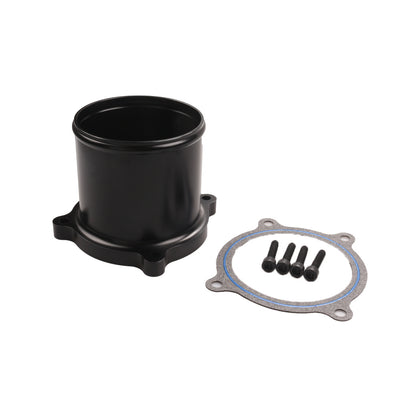
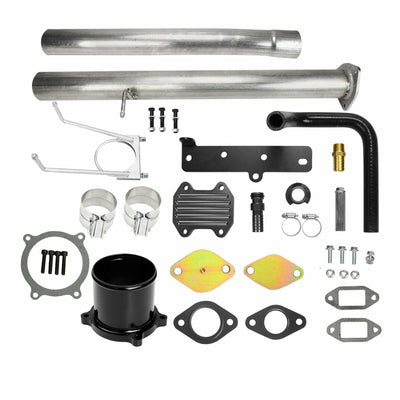
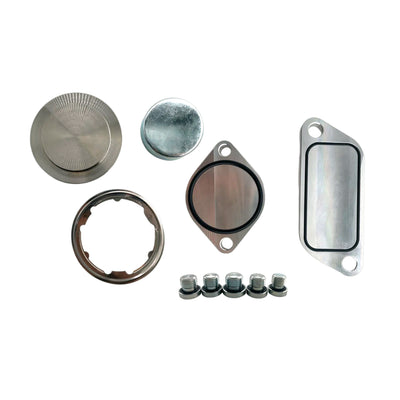
- Recommended Approach: For off-road applications, a good-quality EGR delete kit for 6.7 Cummins is installed to relieve the symptoms of a faulty EGR valve over the long term. The kit removes the valve and cooler completely and tunes the engine to run clean without them. Power improves, and reliability goes up because no more soot or heat issues. We install EGR Performance kits because they fit perfectly and last.
6.7 Cummins EGR Delete Kits by Model Year
- 2007.5–2009 6.7 Cummins EGR delete kits
- 2010-2014 6.7 Cummins EGR delete kits
- 2013–2019 6.7 Cummins EGR delete kits
Best practices for keep problems away after the fix and engine longevity:
- Utilize high-quality fuel and additives to cut soot
- Periodically drive under load once a week to minimize soot production.
- Eliminate extended idle times to reduce carbon accumulation.
We follow these steps on our own trucks and see far fewer EGR issues.
Can You Drive With a Failing EGR Valve on 6.7 Cummins?
Short Answer: Yes, there are potential risks, and it is not recommended for long periods. The truck still moves, but risks grow every mile. We give the short answer and the dangers so you can decide smartly.
Yes, you can drive with a failing EGR valve on a 6.7 Cummins for short distances, but it is risky. Problems get worse fast.
We list the potential consequences so you see why we say stop soon. Driving with a 6.7 Cummins bad EGR symptoms can lead to:
- Less power, weak acceleration
- Worse long-term fuel economy
- Increased soot buildup in exhaust/intake systems and can clog the DPF next
- Overheating and losing coolant if the EGR cooler fails
If you choose to ignore the reported Cummins EGR valve symptoms, it could lead to costly repairs.
We have towed trucks in after owners drove too long and faced a $5,000 bill. Short trips to the shop are okay, but do not tow heavy or ignore the signs. Fix it quickly, and you keep the truck safe and strong.
Recommended Resources:
Technical Info: Everything You Need to Know About the 6.7 Cummins
Comparison: Top-Rated 6.7 Cummins Delete Kits Reviewed
Buy Online: Explore Full 6.7 Cummins Performance Upgrades
FAQs
Can a bad EGR cooler cause white smoke?
Yes! If the EGR cooler leaks, it can allow coolant to leak into the exhaust system. This causes white smoke or steam to appear from the exhaust pipe. We confirm with a pressure test.
Can a clogged EGR valve cause black smoke?
Yes. A blocked or restricted EGR valve reduces airflow. The valve stuck closed or open causes incomplete combustion and black soot smoke.
Will cleaning the EGR valve fix the problem?
Not always. If the problem is caused by carbon buildup, then cleaning can work. It fixes light carbon cases, but heavy buildup or actuator failure needs replacement or delete. Otherwise, if the problem is caused by actual component wear or actuator malfunction, then replacing the component is required.
Can an EGR cooler fail without the valve being bad?
Yes, the EGR Cooler can clog, leak, or crack from the heat, while the EGR valve still moves fine. We test both parts separately.
Why is my 6.7 Cummins overheating with EGR issues?
Not sure. Overheating may occur due to a failing cooler, causing coolant loss or restricted heat exchange. A leaking or clogged cooler stops proper cooling and spikes temperatures. We fix the leak first.
How much does it cost to replace a 6.7 Cummins EGR valve?
A EGR valve replacement runs around $500 in parts, but labor and possible cooler work push it higher. Delete kits often cost less in the long term.
Can a bad EGR valve cause loss of power on a 6.7 Cummins?
Yes. Poor airflow and disrupted combustion reduce engine efficiency and throttle response.
What codes indicate EGR valve problems on a Cummins diesel?
Common EGR flow or EGR circuit-related fault codes include: P0401 insufficient flow, P0402 excessive flow, P0403, P0404, P0405, and P0406 circuit issues.
How do I test whether my EGR valve is stuck open or closed?
Apply vacuum directly to the valve using a hand pump or scan tool while the engine idles; if the engine stumbles or stalls, the valve is opening correctly. If there is no change in idle or the valve stem fails to move under vacuum, the valve is either physically seized or the diaphragm is ruptured.
What are the symptoms of a bad EGR valve on a 6.7 Cummins?
Significant 6.7 Cummins bad EGR symptoms are: rough idle, power loss, black smoke, poor fuel economy, smells, hesitation and the check engine light.

Final Verdict
The 6.7 Cummins bad EGR symptoms include a loss of performance, smoke, and fault codes. If these indications are present together, it is again a clear indication to look into the EGR system. Taking action early helps to prevent additional damage.
If it is left unchecked, this becomes expensive. A small $500 valve issue can turn into a $5,000 DPF or engine repair if ignored. <Compare an EGR delete vs DPF delete> The P0401 and P0402 codes on a 6.7 Cummins Diesel engine are not overlooked, as soot accumulation gradually continues to negatively impact the overall engine health.
We tell every owner not to ignore it. Inspect the valve and cooler early. Clean if light, but we believe EGR Performance delete kits are the best choice to solve the problem for good. to maintain durability and a long lifespan for your vehicle. They give off-road reliability, better power, and no more repeat failures. Install the right kit for your year and follow the best practices we shared.
Spot EGR issues early on your 6.7 Cummins. Upgrade with EGR Performance kits and enjoy reliable power for years.