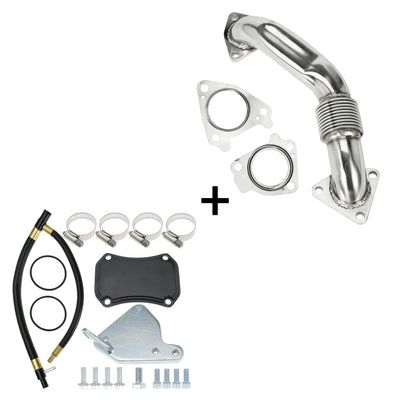
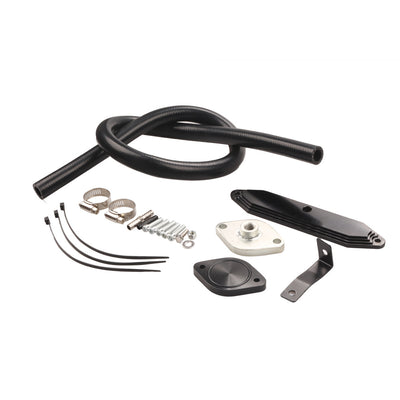
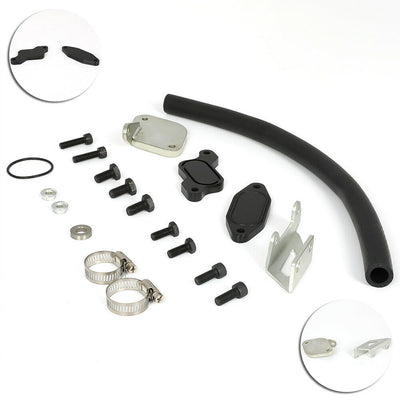
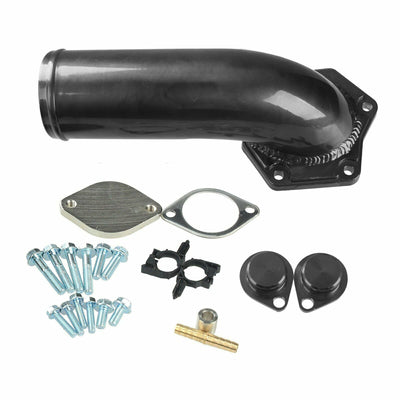

Tired of EGR clogs cutting your power and causing soot buildup? An EGR delete can unlock real performance gains on the diesel truck. But if you skip key steps, you will see a check engine light before you leave the driveway.
Yes, an EGR delete can cause the check engine light to come on on modern diesel trucks unless the ECU is properly tuned. Your engine control module (ECM) watches the EGR system around the clock. The moment it stops getting the signals it expects, it logs a fault code and lights up your dashboard.
We see this problem in our shop weekly, and the fix is simpler. We cover everything here: will EGR delete cause check engine light, why the light comes on, which EGR fault codes you will see, how different platforms behave, and exactly what to do about it. Keep reading to get your delete done right and avoid expensive mistakes.
Legal note: EGR delete is considered emissions tampering. It is illegal on road-registered vehicles in many places.
Table of Contents
- How the EGR System Works and Why the ECM Monitors It
- Why an EGR Delete Almost Always Triggers a CEL
- Common EGR Fault Codes After a Delete
- How Different Truck Platforms Respond
- CEL and Vehicle Performance Side Effects
- How to Prevent or Clear the CEL After an EGR Delete
- Can You Drive With a CEL After an EGR Delete?
- Alternatives to EGR Delete: Fix vs Delete
- What Legal and Emissions Implications Should You Know?
- FAQs
- Conclusion: Get Your EGR Delete and CEL Right
How the EGR System Works and Why the ECM Monitors It
The EGR system recirculates exhaust gas back into the engine. This lowers NOx emissions and controls combustion temperatures. The ECM monitors it to make sure the vehicle stays clean and legal.
Delete the Fault Codes. Keep the Power.
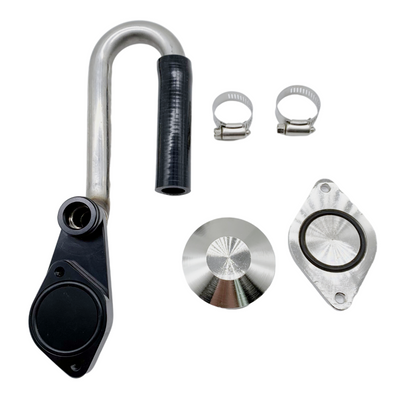
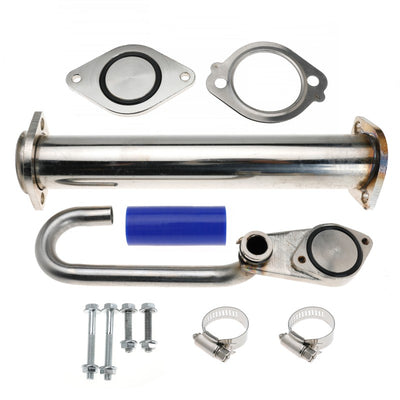
Tired of "Limp Mode" and constant EGR sensor errors? Our EGR delete kits from EGR Performance are the ultimate solution for a clean engine bay and total reliability. When paired with a proper tuner, our kits eliminate the Check Engine Light for good, letting you enjoy improved MPG and lower engine temps without the dashboard headaches.
Shop Diesel EGR Delete Kits→Role of the EGR System
Exhaust gas recirculation code into the intake manifold, the EGR system reduces peak combustion temperatures, which lowers nitrogen oxide emissions and keeps the engine operating within legally mandated emissions.
Without it, combustion gets hotter, and emissions rise. Many owners hate the soot it leaves in the intake, so they think about delete. But we always tell them the system has a job for a reason.
ECU Monitoring Logic
The ECM sends commands to open and close the EGR valve. The ECM not only commands, but also cross-checks multiple sensors to confirm if the system is working. It watches valve position feedback, EGR temperature, differential pressure across the EGR circuit, and intake manifold pressure; all at once.
If the command goes out but nothing happens, the computer knows the system failed. This logic keeps the engine compliant. We worked with a Ford owner last month who ignored this and got stuck with codes right away.
Sensor Feedback
The ECM uses valve position sensors, EGR temperature sensors, and manifold pressure sensors. These parts send data back so the computer can confirm the flow. Each reading has to line up correctly.
When everything matches the plan, the light stays off. If even one sensor stops reporting what the ECM expects, it logs a fault. That is exactly why you cannot remove the hardware and expect the truck to stay quiet without reprogramming the ECM first.
We check these sensors first on every truck that comes in with light issues. It saves time and money. The system is smart, but it can feel picky to performance fans. Still, we know keeping it happy avoids bigger problems later. This is why the ECM cares so much and why a simple delete often fails without more work.
Why an EGR Delete Almost Always Triggers a CEL
When you remove or block the EGR system, the ECM continues to run its normal routine. It commands the EGR valve code to open and waits for responses on pressure, temperature, and flow. The system fails, stores a Diagnostic Trouble Code, and turns on the check engine light when nothing changes.
This sequence occurs within the first drive cycle in nearly every case observed. On turbocharged diesel platforms, the situation frequently compounds. Removing the EGR system alters the pressure dynamics within the intake, which can generate secondary boost or airflow fault codes in addition to the primary EGR codes.
ECU Monitors and What Goes Wrong
We test this on many vehicles. The valve position sensor must move when commanded, but a delete leaves it stuck. The temperature sensor reads no hot gas flow. Manifold pressure stays flat instead of dropping. All this tells the ECM something is broken. So codes pop up fast.

Common EGR Fault Codes After a Delete
Familiarity with the most probable codes significantly reduces troubleshooting time. The following DTCs appear with the greatest frequency after an EGR delete:
The Most Common EGR Check Engine Light Codes
P0401 is the most common after a delete. It means the EGR flow is too low. P0402 to P0406 cover circuit problems, range issues, or excessive flow from missing parts. We clear these codes every week, but they return without a fix.
- Code P0401: EGR flow insufficient (the common EGR fault code after a delete)
- Code P0402: EGR flow excessive
- Code P0403: EGR control circuit malfunction
- Code P0404: EGR circuit range or performance error
- Code P0405: EGR sensor A circuit low
- Code P0406: EGR sensor A circuit high (DTC P0406)
|
Fault Code
|
What It Means
|
How Often We See It
|
|---|---|---|
|
P0401
|
EGR flow insufficient — no flow detected
|
Very common
|
|
P0402
|
EGR flow excessive
|
Common on partial deletes
|
|
P0403
|
EGR circuit malfunction
|
Common when the valve is unplugged
|
|
P0404
|
EGR range/performance error
|
Moderate
|
|
P0405
|
EGR sensor A circuit is low
|
Moderate
|
|
P0406 (DTC P0406)
|
EGR sensor A circuit high
|
Less common
|
How Different Truck Platforms Respond
The outcome of an untuned EGR delete is almost always a check engine light. The speed at which fault codes appear and the ECM's response vary depending on the platform you are working with.
Ford Powerstroke 6.0L trucks often get the light on updated calibrations. Many owners switch to upgraded coolers instead. VW TDI models trigger EGR and boost codes unless remapped.
DSM and 420A engines use resistor tricks and block-off plates to stop the light. We saw a DSM build where the resistor worked for months, but then new codes appeared.

We work on Cummins, Powerstroke, and Duramax trucks every day, and each one behaves differently.
1. Ford Powerstroke
The 6.0L and 6.4L/6.7L Powerstroke have a reputation for EGR cooler failures, prompting owners to delete the EGR system on Powerstroke. However, after the delete, updated factory calibrations on these engines reliably generate fault codes.
Many experienced Powerstroke owners ultimately find that upgrading to a reinforced aftermarket EGR cooler resolves the underlying reliability issue without necessitating ECU modification or risking a CEL.
2. VW TDI and Similar Diesel Platforms
Capping the EGR pipe or removing the valve on Volkswagen diesels consistently produces both the EGR fault code and the boost-related diagnostic code. The VW EGR fault code is particularly persistent on these platforms, and resistor-based or cap-off approaches rarely remain effective for more than a few drive cycles. A comprehensive ECU remap is what reliably resolves the issue on TDI engines.
3. Cummins Trucks
The 5.9 and 6.7 Cummins platforms respond differently based on model year. Older 5.9 engines use simpler EGR monitoring logic and are easier to manage without a tune. The 6.7 Cummins uses more comprehensive sensor cross-referencing, and fault codes appear rapidly on untuned deletes. A 6.7 Cummins EGR delete should always be paired with a professional calibration.
4. Duramax L5P
The L5P is the most tightly controlled of the three platforms. GM's ECU on this variant monitors EGR behaviour through multiple overlapping diagnostic systems, and an untuned delete typically generates several simultaneous fault codes while pushing the vehicle into reduced-power mode almost immediately.
|
Platform
|
CEL Without Tune?
|
Recommended Action
|
|---|---|---|
|
Ford 6.0L / 6.4L Powerstroke
|
Very likely
|
Upgrade EGR cooler or apply proper tuning
|
|
Ford 6.7L Powerstroke
|
Almost certain
|
Tuning required
|
|
VW TDI
|
Almost certain
|
Full ECU remap required
|
|
Cummins 5.9
|
Likely
|
Tuning recommended
|
|
Cummins 6.7
|
Almost certain
|
Tuning required
|
|
Duramax L5P
|
Almost certain
|
Tuning required; risk of limp mode
|
We use this table every day to advise customers. It shows why a full delete without tune almost always fails. The computer is too smart to ignore missing parts. This is the main reason the light comes on and stays on.
CEL and Vehicle Performance Side Effects
The check engine light represents only the initial consequence. The conditions that accompany it can escalate into more significant problems if left unaddressed.
Some vehicles enter limp mode and cut torque or boost when emissions codes are active. The light being always on can hide other real engine problems. Cooling fans and DPF regeneration may act strangely because of bad emissions data.

Limp Mode and Reduced Power
On many diesel trucks, particularly turbocharged platforms, active EGR or boost fault codes trigger the ECM's failsafe strategy, which caps torque and RPM output to protect the engine. The truck becomes noticeably underpowered and remains so until the underlying fault is addressed. This operating state is commonly referred to as limp mode.
We see this often in diesels. The ECM sets safe limits so the truck feels slow and weak. Boost drops, and you lose throttle response.
One Powerstroke we tuned last year went into limp right after delete until we fixed the tune.
Drivability Issues
The constant light makes it hard to spot new faults. We had a customer ignore a real misfire because the EGR light was already on. This can lead to bigger repairs later. The light never turns off, so you get used to it, but that is risky.
Masked Fault Codes
When an EGR-related check engine light remains permanently active, the vehicle's early warning system is effectively neutralised. A new fault code originating from an entirely separate system, such as the transmission, fuel delivery, or cooling circuit, can remain hidden behind the persistent .
DPF and SCR System Disruption
Trucks equipped with a diesel particulate filter or a selective catalytic reduction system, the ECM incorporates EGR data into its regeneration strategy. The absence of this data can disrupt the regeneration cycle timing and generate additional fault codes.
Fuel use goes up. We check all these systems after any delete because one change affects everything else.
Cooling Fan Behaviour
Cooling fans may run more or less because the ECM gets wrong data. Certain platforms factor EGR temperature data into their thermal management algorithms. Without that input, cooling fan activation may fall outside intended parameters — running either earlier or later than the calibration requires.
It is a minor concern on most platforms, but one worth understanding. The side effects are not just the light. They hit power drivability and long-term reliability. We always weigh these before we recommend any mod.
How to Prevent or Clear the CEL After an EGR Delete
Whether the EGR valve check engine light illuminates or the goal is preventive, the following options represent the available solutions, ranked by reliability.
ECU tuning that disables EGR checks is the cleanest way to stop the light, where legal. EGR simulators or resistors fool the sensors. You can clear codes with a scan tool, but they return without a fix.

We have clear steps that work when done right. Keep reading to see the options we use every day.
ECU Tune (Most Effective)
A calibration that disables EGR monitoring at the software level is the only method that consistently clears the EGR fault code after a delete. With ECM monitoring suspended entirely, no signals are anticipated, and nothing is flagged as a failure.
We install tunes that turn off EGR monitoring. This is the best fix we offer, but it must be done right. Many shops skip this, and customers come back with lights.
EGR Signal Simulator or Resistor
These devices supply the ECM with a synthetic signal that mimics normal EGR sensor output. They are effective on certain platforms, particularly older or less sophisticated ECUs.
However, most modern ECMs cross-reference multiple sensor streams simultaneously, and when pressure and temperature readings fail to corroborate the simulated position signal, secondary fault codes will still appear. Results vary considerably between vehicles and platforms.
Some owners add resistors to the plugs. The sensor thinks the valve is still there. We see this work on DSM engines, but it can fail later. We test every simulator before we send the truck out.
Manual Code Clearing
An OBD-II scanner will clear existing codes and extinguish the warning light, but the codes return during the subsequent drive cycle as soon as the ECM completes its EGR diagnostic routine. It constitutes a temporary workaround only.
When troubleshooting an existing delete, follow this sequence: scan for all active and pending codes; inspect block-off plates, vacuum caps, and electrical connectors for leaks or loose connections; determine the appropriate fix (ECU retune, EGR reinstallation, or simulator); clear all codes, complete a full drive cycle, and verify whether faults recur.
We do this in our shop and show customers how. But we always remind them that tampering is illegal for road use. It can fail inspections and void warranties. We help owners pick the path that fits their needs and keeps them legal where possible.
Can You Drive With a CEL After an EGR Delete?
You can drive with an active EGR check engine light. But you should not treat it as a long-term situation.
Many EGR codes do not hurt the engine right away, but the light hides other problems. Some trucks enter reduced power mode, and affect drivability. Emissions tests fail if the light is on.

Here is what you are actually dealing with.
- No Immediate Engine Harm: We drove many trucks with EGR lights for short tests. The engine is fine if the power is not cut. But we never recommend long drives because new issues get missed.
- You lose your early warning system: A permanent EGR CEL means you will not notice when a new, unrelated fault code appears. Serious issues can develop undetected.
- Limp mode is a real risk: On diesel trucks with active EGR or boost codes, the ECM may activate reduced-power mode. Your truck becomes increasingly difficult to drive until clearing the fault. Boost and torque drop, so hills feel hard. We fixed one VW TDI last week that went limp after delete. The owner could not pass inspection either.
- Emissions inspections: Most OBD-II-based tests automatically fail any vehicle with an active check engine light — no exceptions, regardless of the cause.
- Readiness monitors: Even with the CEL tuned out, many testing programs check whether OBD-II readiness monitors have completed their self-tests. An incomplete EGR monitor means a failed inspection regardless of the light. We tell customers to test before any trip.
Driving with the light is possible for short times, but not smart long term. We always push for a clean fix instead.
Alternatives to EGR Delete: Fix vs Delete
Many delete the EGR due to repeated problems, stuck valves, clogged coolers, and recurring codes. Before doing this, understand that these issues have direct fixes that do not carry the same legal and diagnostic baggage.
Cleaning and maintenance restore performance. Upgraded components like bulletproof coolers avoid clogs. We see long-term success just by keeping the system clean.
We look at better ways to fix EGR issues without breaking rules. These options keep your truck strong and legal.

1. Clean the EGR System
Carbon buildup is one cause of EGR valve sticking, restricted flow, and erratic sensor readings on engines. Cleaning the valve, cooler passages, and intake manifold clears the fault codes and restores performance.
We pull EGR valves and clean them every service. Many owners skip delete after we show them this. It costs less.
2. Upgrade the EGR Cooler
Installing an upgraded, reinforced aftermarket cooler fixes the reliability problem. Also, keep the system intact. Emissions compliance stays in place, and you don't have to touch the ECU.
Bulletproof EGR coolers handle heat better and last longer. We install these on Ford and VW trucks all the time. No codes, no light, and better reliability. Owners report less intake of soot and steady performance.
3. Replace the Faulty Component
A worn EGR valve, a failed position sensor, or a cracked temperature sensor can each be replaced individually at low cost.
We always check these options first. A delete kit makes sense for dedicated off-road builds. For a daily driver, targeted repairs almost always make more practical sense.
We compare both with customers and most pick upgrades. They avoid legal trouble and keep warranties. Some trucks run for years with clean EGR and no delete. We think this balance is smarter for daily drivers.
Short-term soot reduction feels good, but long-term risks are real. We always show real data before any work.
What Legal and Emissions Implications Should You Know?
This section matters whether you are doing the work yourself or having a shop do it. We explain the rules so you avoid tickets and failed tests. This keeps you on the right side.
Federal rules ban emissions tampering on road vehicles. Fines can be high. Inspections check readiness monitors even if the light is off.
Federal and Regional Regulations
Under the U.S. Clean Air Act, removing or turning off any emissions-related component on a road-registered vehicle is considered tampering. That applies to the vehicle owner and to any shop that performs the work. Penalties for both can be significant.
We only do off-road work when asked, and we post clear disclaimers.
Off-road Use Only Liability
The "off-road use only" label printed on EGR delete kits is a legal disclaimer, not a loophole. It shifts liability to you as the buyer. It does not create any exemption from emissions regulations when the vehicle is operated on public roads.4
Owners and shops share liability. We talk this through with every customer. Legal risks are real, and inspections catch most deletes. We help owners stay compliant and avoid trouble down the road.
Inspections and Readiness Monitors
Even a clean ECU tune that suppresses all EGR codes may not be enough to pass an emissions inspection. Many state and regional testing programs also check OBD-II readiness monitor completion status.
We test every truck before inspection time. The light may be gone, but the computer still knows.
Recommended Resources:
Deep Dive: Pros and Cons of EGR Delete
Expert Picks: EGR Delete Cost Guide
Shop Now: Explore All EGR Delete Kits
FAQs
Will EGR delete increase MPG?
Maybe slightly, but not significantly. The EGR system has a minor effect on fuel consumption. Most owners do not report a meaningful improvement in fuel economy after a delete.
Will EGR Delete Improve Fuel Economy?
No. You might see a slight bump if you pair the delete with a proper ECU tune, but without one, the ECM is still trying to manage a system that is no longer there, which can hurt your efficiency more than help it. We tell customers to focus on maintenance first for real savings.
Will an EGR Delete Hurt the Engine?
Not directly, but higher combustion temperatures without EGR accelerate component wear over time. The bigger risk is indirect; if limp mode goes unresolved or the CEL masks a developing fault elsewhere, damage can accumulate without warning.
Will EGR Delete Pass Emissions?
It will not. An active check engine light is an automatic failure at any OBD-II inspection station, and even a clean tune may not be enough; most testing programs also verify that the readiness monitor is complete, which is a separate failure condition entirely.
Can a Resistor or EGR Simulator Turn Off the CEL?
Sometimes on older platforms, but rarely on modern diesels. Simulators only address the position sensor signal, while the ECM simultaneously cross-references pressure, temperature, and flow data, and that inconsistency is enough to trigger secondary codes within a few drive cycles.
Why Did My Truck Go Into Limp Mode After the Delete?
Your ECM panicked when it stopped receiving EGR signals and activated its failsafe strategy to protect the engine. It caps torque and RPM until the fault codes are resolved through a proper tune, and on turbocharged platforms, secondary boost codes can compound the problem further.
Is It Safe to Drive With an EGR-Related Fault Code Active?
Short term, yes. Long term, a permanently active CEL eliminates your diagnostic visibility for every other system on the truck, meaning developing faults in fuel, cooling, or transmission go undetected. On turbocharged platforms, intermittent limp mode adds another layer of risk.
Can a Tuner Completely Remove All Evidence of an EGR Delete?
A skilled calibrator can turn off all EGR monitoring in the ECM, preventing fault codes and keeping the light off. However, disabled readiness monitors may still trigger a failure during an emissions inspection, so compliance cannot be guaranteed.
Can I Do an EGR Delete Without Tuning and Just Live With the CEL?
You can, but you lose all diagnostic visibility, risk limp mode on turbocharged platforms, and will automatically fail any emissions inspection. When you weigh those consequences against the cost of a proper tune, the tune wins fairly easily.
Why Did My Fan or Other Systems Act Strangely After My EGR Delete?
The ECM uses EGR temperature data to manage cooling fans, and without it, fan activation falls outside intended parameters. On trucks with DPF or SCR systems, missing EGR data also disrupts regeneration cycle timing, generating additional fault codes on top of the existing ones.

Conclusion: Get Your EGR Delete and CEL Right
An EGR delete will trigger a check engine light in virtually every scenario where the ECU has not been recalibrated. Fault codes follow quickly, typically starting with engine code P0401 and extending through P0406 depending on the platform.
A mechanical delete without a tune results in CEL and fault codes during the first drive cycle. A professional ECU tune eliminates those codes but introduces legal and emissions compliance risks. A simulator or block-off approach produces inconsistent results, since modern ECUs cross-reference multiple sensors and generate secondary codes.
The smarter choice is a repair or a reliable component upgrade. If you're building an off-road or competition truck, pair the delete with a professional ECU calibration from a tuner who knows your platform.
We recommend EGR Performance for the best upgrades and off-road delete kits. They solve issues legally and keep your truck reliable long term.