
⚖️ Core Highlights: EBPV Delete Pros & Products
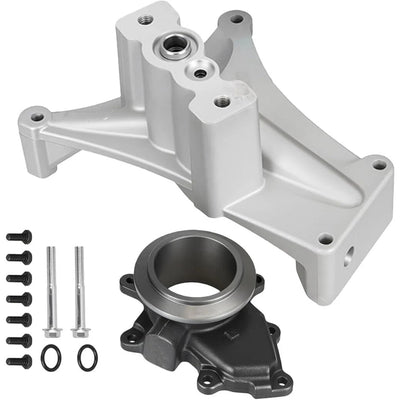
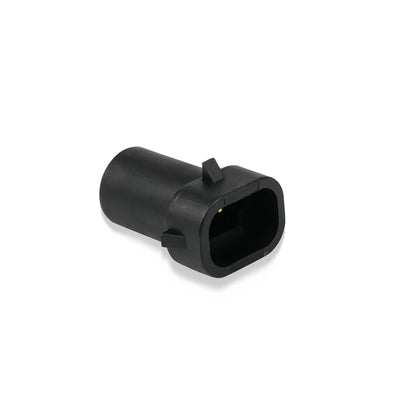
Deleting the EBPV eliminates the most common 7.3 Powerstroke oil leaks and improves exhaust flow. While it slightly slows warm-ups in extreme cold, the gains in reliability and maintenance ease are superior for performance builds. For a professional finish, we recommend the EGR Performance non-EBPV pedestal and simulator pigtail. This combination provides a heavy-duty, leak-proof foundation while preventing ECM codes, ensuring a clean engine valley and long-term turbo stability.
The EBPV delete can clean up your 7.3 Powerstroke and eliminate a failure point. But pull it without understanding what it does, and you might be chasing warm-up problems all winter. We see it happen more than you'd think. So, should you delete it?
Yes, deleting the EBPV often makes sense for most 7.3 owners. It removes a known oil leak source, reduces exhaust restriction by clearing the butterfly valve and shaft that blocks about 22% of the flow area, and simplifies the turbo pedestal. Many report lower EGTs by around 50°F and slightly better throttle response with no major downsides on stock or mildly modified trucks.
Cold weather warm-up takes a bit longer, but the difference feels small for most drivers. The delete shines when you already have the turbo out for service.
The 1994-2003 7.3 ebpv valve deleting is one of the simpler mods you can do, but simple doesn't mean thoughtless. The valve plays a role in cold-weather warm-up, and removing it without a plan results in a smoke-heavy start every morning. We have worked on many 7.3 trucks over the years. Owners often ask us about the EBPV during repairs.
This guide gives a straight look at the facts including what the EBPV actually does, why some owners delete it, 7.3 EBPV delete pros and cons, what you'll gain, and is it worthy for you.
Table of Contents
- What the EBPV does on a 7.3 Powerstroke?
- Why 7.3 Powerstroke Owners Delete the EBPV?
- Pros and Cons of EBPV Delete on 7.3 Powerstroke
- Will an EBPV Delete Affect Winter Driving on Your 7.3?
- What Are the Signs Your 7.3 Powerstroke EBPV Needs Attention?
- What Mistakes Should We Avoid Before Doing an EBPV Delete?
- EBPV Delete vs. Repair: Which Is Better for Your 7.3?
- Final Verdict: Is the EBPV Delete Worth It?
- FAQs
What the EBPV does on a 7.3 Powerstroke?
Many 7.3 owners notice strange behavior in cold starts and want to understand the valve first.
The EBPV (7.3 Exhaust Back Pressure Valve) is located at the turbo pedestal on 7.3L diesel engines. Ford put it on the 7.3 Powerstroke to help the engine warm up faster in cold weather.
It restricts exhaust flow on cold starts by closing a butterfly valve in the exhaust path right after the turbo. This will create backpressure and make the engine work harder at idle and raises exhaust and coolant temperatures quicker for better cabin heat.

How the EBPV Works and Why Ford Added It
Ford didn't design this for performance. It was purely a cold-weather comfort feature.
When outside temperatures drop below around 45°F and engine oil is still cold (under 167°F), the PCM tells the EBPV actuator to close the valve using engine oil pressure. This restriction creates an artificial load on the engine.
The engine then holds more heat in the cylinders instead of letting hot exhaust escape right away. At the same time, the truck often goes into high idle to make more exhaust gas.
The engineering goal was simple: faster warm-up for the engine and better heat for the cab in cold climates like the northern US or Canada. Ford wanted owners to feel comfortable more quickly without long idle times. It also helped with emissions during cold starts by getting the engine up to operating temperature faster.
In real use, the valve opens once the engine warms or when you press the throttle. Many of us have heard the loud "jet engine" sound on cold mornings when the valve cycles. That noise comes from the restriction and increased exhaust velocity.
When the engine is up to temperature, the butterfly valve opens, letting the air out. On a warm day, it's basically a non-factor, but on a cold morning, it's quietly doing its job.
Why 7.3 Powerstroke Owners Delete the EBPV?
The 7.3 is a tough engine, but the EBPV assembly is its weak spot. Oil leaks around the turbo area frustrate many 7.3 owners and make them look for permanent fixes. We often see puddles form under the truck after short drives.
Owners delete the EBPV mainly to stop oil leaks from the actuator, simplify the engine, and remove exhaust restriction.
The EBPV delete cleans up the turbo pedestal and eliminates a common failure point on these ageing diesels. Many choose to do the work when the turbo is already out for service.

Common Reasons and Real-World Experiences
Here's why many owners choose the 7.3 turbo pedestal EBPV delete:
- Oil leaks from the turbo pedestal: The "leak" factor stands out as the top reason. Many high-mileage 7.3 trucks develop this turbo pedestal oil leak. The EBPV actuator and pedestal seals age over time, and when they fail, oil leaks down the back of the engine into the "valley" area near the turbo pedestal. This creates messy oil puddles and can lead to smoke if oil reaches the exhaust.
- Mechanical failure: The valve itself can stick, either open or closed. A stuck EBPV causes power loss, rough running, and, under load, a feeling that the engine is choking. On a 20-year-old truck, this is not a question of if. It is a question of when.
- Simplicity: The 7.3 is known for its longevity. Fewer moving parts means fewer failure points. Deleting the EBPV removes an aging vacuum-operated component (actuator, solenoid, wiring, and sensor) from the equation.
- Improve the flow: The butterfly valve and its shaft sit in the exhaust path and block roughly 22% of the area even when open. Taking it out lets the exhaust flow more freely. This can reduce pumping losses and help the turbo spool a bit better in some setups.
- Maintenance timing: Most owners do the 7.3 Powerstroke turbo pedestal delete while the turbo is already out for service. If you are replacing the turbo, rebuilding the pedestal, or chasing an oil leak, this is a natural time to swap in a non-EBPV pedestal 7.3 and be done with it. We avoid doing the job twice.
- A cleaner look under the hood with a blank pedestal.
- The exhaust sound changes: It loses that restricted whoosh on cold starts and sounds more open.
We have seen trucks where the valve sticks partially closed and hurts power under load. Other times, it leaks oil badly from the actuator rod seals. These real-world problems push many owners toward a delete instead of repeated repairs.
We have done this mod on several trucks. One of our friends runs a 2000 F250 with over 300,000 miles. He deleted the EBPV during a turbo swap and says the oil leak never came back. His truck runs strong for daily driving and occasional towing.
The delete fits well with other common 7.3 upgrades like tuner chips, exhaust systems, injector changes, or other performance parts. It keeps the engine bay simpler and more reliable for the long haul.
Of course, we check the whole turbo setup first. A good delete includes a proper non-EBPV pedestal for 7.3 Powerstroke and matching exhaust outlet or housing for best results. Cheap parts can cause fitment or boost leak issues, so we choose quality options.

Pros and Cons of EBPV Delete on 7.3 Powerstroke
We want clear answers before we spend time and money on a mod. Many owners ask exactly what they will gain or lose with an EBPV delete on 7.3 Powerstroke.
Deleting the EBPV brings better exhaust flow, stops common oil leaks, and makes the truck simpler to maintain. We see modest performance improvements like reduced turbo lag and lower EGTs by about 50°F. The downside is slower engine warm-up in cold weather and the possible need for a code eliminator on stock PCM trucks.
Before you make the decision, here is a straight look at both sides. You can weigh what matters for your truck.
Detailed Pros and Cons Breakdown
Pros/Benefits of Deleting the EBPV
- Improved Exhaust Flow: With the butterfly and shaft out of the path, the engine breathe easier with reduced backpressure. The effect on a stock truck is modest, but it is real. On a modified 7.3 with other performance upgrades, cleaner flow can complement the build.
- Reduces Turbo Lag: Some owners report a small improvement in throttle response and spool-up after deleting the EBPV. There will be less turbo lag after removing the restriction in the exhaust. Some report EGT drops of around 50°F, which helps when towing or with added power mods.
- Reliability & Simplicity: We eliminate moving parts that can stick or fail. The turbo pedestal becomes cleaner with no actuator.
- Maintenance Benefits: The delete stops one of the most common 7.3L oil leaks. This means less mess and fewer trips under the truck to chase leaks.
- Easier Future Service: With the actuator gone, removing the turbo later is simpler because there are fewer lines and connections.
We have seen these benefits add up on daily drivers. One truck we worked on gained noticeable crispness in how it responded after the delete combined with fresh up-pipes.
Cons of Deleting the EBPV
- A Slower Warm-Up in Cold Weather: this is the real trade-off. Without the EBPV restricting exhaust flow, the engine takes longer to reach operating temperature on cold mornings. If you live in a cold climate and need cab heat fast, you will feel this. It is not dramatic, but it is noticeable in sub-zero temperatures.
- Limited Gains on Stock Trucks: If your 7.3 is completely stock, do not expect a dramatic difference. The 7.3 Powerstroke EBPV delete benefits is not a power mod on its own. Pair it with an intake, a tune, and bigger injectors work for real 7.3 Powerstroke performance mods results.
- Possible Trouble Codes: The PCM monitors the EBPV system. When the valve is removed, the ECM logs a fault code and triggers a check engine light.
- Legal & Emissions Concerns: The delete itself usually does not affect smog in most areas since the valve is not a primary emissions control. But an active check engine light resulting from an unresolved EBPV code will trigger an automatic failure at an OBD-II emissions inspection. Check local rules.
If you are running a Hydra Chip or SCT Tuner with custom tunes that have already turned off EBPV monitoring at the software level, no additional hardware is required.
While if you are operating on the stock PCM strategy, an EBPV Delete Simulator, such as the unit available from EGR Performance, is necessary to feed the ECM the signals it expects and prevent diagnostic codes from setting.

Understanding your local regulatory environment before proceeding with the EBPV delete is not optional; it is a practical necessity for anyone who drives their truck on public roads and requires periodic emissions certification.
We put the pros and cons in a table for quick comparison:
Aspect |
Keep EBPV |
Delete EBPV |
|---|---|---|
Oil Leaks |
Common from actuator |
Eliminated |
Exhaust Flow |
Some restriction (~22% blocked) |
Freer flow |
Warm-up Time |
Faster in cold weather |
Slightly longer warm-up |
Reliability |
More failure points |
Simpler system, fewer parts |
EGTs |
Higher under load |
Often ~50°F lower |
Maintenance |
More complex pedestal |
Cleaner and easier maintenance |
We think about our own trucks. In warmer states, the cold weather con barely matters. In the rust belt or Canada, we weigh the warm-up difference more carefully. Most owners we talk to say the longer warm-up is acceptable once they try it.
Fuel economy stays about the same for most. Some report a small improvement from reduced restriction, but we do not see big MPG jumps just from the delete.
Towing works fine with the delete. We still watch EGTs and drive smart, but the freer exhaust can actually help keep temperatures in check compared to a sticking valve.
The EBPV delete is not a magic fix for power. But when combined with other maintenance, it helps the 7.3 run stronger and cleaner for many more miles.
Will an EBPV Delete Affect Winter Driving on Your 7.3?
This is the question most owners in cold climates ask first. We hear mixed stories about deletes in northern winters.
Results depend on your climate and driving habits. Some owners notice a small difference in warm-up time while others feel almost no change. The truck still starts and runs well, but you lose the extra heat from the closed valve. Many in cold areas still delete and report the truck stays practical.

Real Experiences in Cold Climates
The EBPV helped create extra heat during cold starts. Without it, the engine relies on high idle (if equipped) and normal driving to warm up.
- In mild winters, the difference in the southern United States, Michigan in Midwest, or New York in the Northeast is almost unnoticeable. The engine warms up fast enough that the extra minute or two barely matters. Maybe 5 to 10 minutes longer to reach full temperature on very cold days. Cabin heat still comes through once the thermostat opens.
- In harsh climates, Canada, the upper Midwest, and the Rust Belt, the EBPV actually does something useful. Cold starts take longer. The cab heater takes longer to push warm air. You may need to drive a few miles before things feel right. We have friends who drive in the "rust belt" with deleted EBPVs. They use block heaters or let the truck idle a bit longer on sub-zero mornings. The truck drives normally after warm-up with no power loss.
- One thing you will definitely notice is the sound. After a cold start with the EBPV deleted, the "jet engine" sound disappears, and instead, the exhaust has a louder and smoother note. That loud hiss from the valve closing on cold starts goes away. This is normal. It is simply an unobstructed exhaust flow doing its thing. Some owners love it. Others find it surprising the first time.
- For cold-climate drivers, the EBPV delete is still doable. Drivability stays good. We do not lose the ability to tow or haul in winter. The main change is patience during the first 10-15 minutes of driving on the coldest days.
Some owners add a high idle kit or 205°F thermostat to help with warm-up. These steps make up for the lost EBPV function in extreme cold.
We tested this on a truck in a cold climate. After the delete, we noticed the oil temperature gauge climbed a little slower, but once at operating temp the truck felt strong. Fuel economy did not drop noticeably.
For owners in milder winters or who garage the truck, the cold-weather impact feels almost zero. In very harsh conditions, we recommend a good block heater and a reasonable warm-up routine.
Overall, winter driving remains practical for most. The reliability gains from no more leaks often outweigh the small warm-up difference.
What Are the Signs Your 7.3 Powerstroke EBPV Needs Attention?
Before deciding between repair and 7.3 EBPV delete, it is worth diagnosing whether the component is actually causing problems on your specific truck.
Strange sounds or power loss make us check under the hood right away. We want to catch problems before they get worse.
Watch for sticking valve behavior, visible oil leaks near the turbo pedestal, inconsistent turbo response, and related trouble codes. These signs show the EBPV or actuator is wearing out and may need repair or delete/replacement.
How to Diagnose EBPV Issues
The following signs suggest the EBPV system warrants immediate attention:
- Oil pooling near the turbo pedestal: If you see oil sitting in the valley between the valve covers near the turbo, the EBPV assembly or pedestal seals are leaking. This is the most common sign.
- Power loss or a choking feeling under load: A sticking EBPV can partially restrict exhaust flow even at operating temperature. The truck feels sluggish and unresponsive.
- Unusual sounds on startup: A stuck or failing valve can sometimes make a fluttering or hissing noise during cold starts.
- Check the engine light with EBPV-related codes: If the PCM is throwing codes related to the exhaust back-pressure sensor or valve, the system is not functioning correctly.
Other signs include excessive smoke if oil enters the exhaust or a loud exhaust brake-like sound on cold mornings that does not turn off properly.
We recommend checking these points before deciding on repair or delete. If the truck already needs turbo service, we often delete instead of rebuilding the old system.
Catching problems early saves money and prevents bigger issues like oil contamination or repeated downtime.
What Mistakes Should We Avoid Before Doing an EBPV Delete?
The EBPV delete 7.3 is a straightforward job when approached correctly, but several avoidable mistakes can compromise the outcome or create new problems. We see owners make the same mistakes and want to help you skip them.
Do not delete the EBPV without inspecting the full turbo setup. We also avoid ignoring worn pedestal seals or assuming every truck will feel a huge performance jump. Check the whole system first for best results.

Not Installing Pedestal Seals
Neglecting to install the pedestal seals is one of the most common errors. Since the turbo and pedestal are already disassembled at this stage, replacing the O-rings and gaskets adds minimal time and cost to the job, but failing to do so may leave the underlying leak pathway in place even after the EBPV hardware is removed.
Inflated Performance
Approaching the delete with inflated performance expectations leads to disappointment. On a stock truck, the gains in power and response are real but modest. Framing the modification as part of a longer-term build rather than a standalone performance upgrade is a more accurate and ultimately more satisfying way to think about it.
Overlooking the Code-prevention
Overlooking the code-prevention requirement for stock-tuned trucks is a mistake that results in an immediate check engine light and a failed emissions test at the first inspection. Source the appropriate simulator or confirm your tuning setup before the job begins, not after.
We check wiring and decide if a simulator is needed based on the PCM strategy. Tuned trucks often need nothing extra.
Finally, treating the 7.3 EBPV delete as an excuse to skip a thorough inspection of the surrounding hardware is a missed opportunity.
With the turbo and pedestal already removed, conducting a complete assessment of the up-pipes, turbo condition, and pedestal bore is a straightforward extension of the work that can prevent a return visit for related issues down the road.
Smart Steps Before You Delete
- Inspect the turbo, up-pipes, and pedestal seals when the turbo is out. Replacing worn parts at the same time prevents leaks from other areas.
- Do not assume the delete alone will transform power.
- Take time to choose quality delete parts. Cheap pedestals can have poor fitment or casting issues that cause boost leaks later.
- We document the job with photos. This helps if we work on the truck again later.
- Avoid driving hard right after the delete until the truck reaches full temperature. Give seals and oil time to settle.
- Following these steps keeps the job clean and gives long-term reliability.
EBPV Delete vs. Repair: Which Is Better for Your 7.3?
The choice between repairing the existing EBPV system and deleting it entirely ultimately comes down to your priorities, your operating environment, and the overall direction of your build. Cost and long-term use guide our decision
Repair the factory system if you drive in extreme cold and want stock behavior. Delete makes more sense for performance builds, towing, or warmer climates. A non-EBPV pedestal from EGR Performance offers clean reliability at a good price compared to repeated rebuilds.
Choose Repair If:
- Your truck operates regularly in sub-zero temperatures, and you depend on the factory warm-up cycle for both mechanical and comfort reasons.
- You want to preserve the engine's stock configuration.
- The EBPV itself is mechanically sound, but the pedestal is leaking due to seal wear. A turbo pedestal leak rebuild kit or a direct 7.3 EBPV replacement can restore the system without necessitating a full delete.
Choose Delete If:
- You are building the truck for performance or towing.
- You are already pulling the turbo for service.
- You are tired of chasing oil leaks from the pedestal.
- You live in a warmer climate where the warm-up function is not critical.
Cost and Reliability Comparison
Rebuilding the EBPV pedestal with a 7.3 Powerstroke EBPV delete kit costs around $100 plus labor. A full new pedestal with an actuator can run higher. You still have the risk of future leaks and failures.
A delete uses a non-EBPV pedestal and matching exhaust outlet or housing. Quality kits from EGR Performance provide a clean install and strong materials. The total cost often beats repeated repairs over the life of the truck.
We recommend the delete when the turbo is already out. This saves labor time and gives the best value.
- For cold-climate drivers who rely on fast warm-up, we keep or repair the system. Add a high idle controller for extra help.
- For most other uses: daily driving, towing, or modified trucks — the delete wins. It removes leak points and simplifies everything.
If you have a tuner with custom tunes that disable EBPV functions, you skip the simulator. Stock PCM trucks usually need one to avoid soft codes.
For the delete itself, the parts selection depends on the scope of the job:
- Non-EBPV Pedestal: The most comprehensive solution, replacing the entire pedestal assembly with a unit that has no provision for the valve hardware
- EBPV Delete Outlet/Housing: Replaces only the turbine outlet housing with an unobstructed unit while retaining the existing pedestal
- EBPV Delete Simulator from EGR Performance: An essential addition for any owner running the stock PCM calibration, preventing the fault codes that would otherwise result from the ECM's continued attempts to monitor a system that no longer exists.
EGR Performance stands out here. Their delete components fit well and deliver reliable performance without the headaches of the factory valve. We see cleaner installs and fewer comebacks with their parts.

Final Verdict: Is the EBPV Delete Worth It?
Now we weigh the tradeoffs clearly. For most 7.3 Powerstroke owners, yes, the delete is worth it.
Delete the EBPV if you want simplicity, reliability, and better flow. Keep it only if you face extreme cold and need every bit of factory warm-up help.
The best time to decide is when the turbo is already out for service. EGR Performance offers the best delete parts to make the job clean and reliable for the long run.
If your truck is leaking oil at the pedestal, if the valve is sticking, or if you are already pulling the turbo for service, the delete makes complete sense. You fix the oil leak, eliminate a failure point, and get slightly better flow, all in one job.
If you live in extreme cold and depend on a fast warm-up every morning, think twice. The EBPV does its job in those conditions. A repair or rebuild might serve you better.
The best time to decide is when the turbo is already coming out. Do not pull everything apart twice. Make the call before the job starts, have your parts ready, and do it right the first time.
We believe most 7.3 owners benefit from the delete. The pros in reliability and maintenance outweigh the small cold-weather tradeoff for the way we use these trucks today.
We hope this guide helps you make the right choice for your truck. When you decide to delete, go with EGR Performance 7.3 upgrade parts for the cleanest and most reliable results.
Recommended Resources:
Expert Guide: How to Replace 7.3 PowerStroke Engine Harness
Reliability: Top 7.3 Powerstroke Issues to Watch Out For
Performance: Premium Upgrades for Your 7.3 Powerstroke Diesel
FAQs
Is the 7.3 EBPV delete legal?
Yes, in most areas. The EBPV isn't an emission control device. Always check local inspection rules and fix any codes. If you live in a state with OBD-II emissions testing, an active fault code and check engine light will fail the inspection.
Does an EBPV delete lower EGTs?
Yes, but only by a small amount. The EBPV has minimal impact on exhaust gas temperatures under normal driving. EGT reduction is better addressed through fueling, tuning, and airflow upgrades.
Will deleting the EBPV hurt fuel economy?
No. Most owners report no noticeable difference in fuel economy after the delete or slightly better MPG from freer exhaust flow.
Can you keep the EBPV in cold climates?
Yes. If you live where winters are brutal and fast warm-up matters, repairing or keeping a properly functioning factory EBPV is a reasonable choice. Just stay on top of the seals and actuator condition.
Does deleting the EBPV cause a check engine light?
It can. On a stock tune, the PCM monitors the EBPV and sets a fault code when it does not receive the expected signals. An EBPV delete simulator or a custom tune with EBPV monitoring disabled will prevent this.
Will an EBPV delete help with oil leaks?
Yes. The turbo pedestal and EBPV actuator are among the most common sources of oil leaks on the 7.3. Switching to a non-EBPV pedestal removes this leak path entirely.
Can you tow with an EBPV-deleted 7.3?
Absolutely. Many owners actually prefer the delete for towing because it removes a potential restriction and eliminates the chance of a sticking valve under load. You will see better EGT control.
What parts are needed for a 7.3 Powerstroke EBPV delete?
You will need a non-EBPV pedestal or an EBPV delete housing/outlet, replacement pedestal seals, and, if running stock PCM strategy, an EBPV delete simulator plug to prevent codes. EGR Performance kits include quality components.
Does an EBPV delete help with turbo lag?
Slightly, especially on a modified truck. The restriction in the exhaust housing is removed, potentially improving spool-up response. On a completely stock engine, the difference is modest.
What is the difference between an EBPV delete and a turbo pedestal replacement?
The EBPV delete refers to removing the valve and its associated hardware from the exhaust system. It uses a blank pedestal without actuator ports. A standard turbo pedestal replacement means keepping the EBPV system and installing a new pedestal with the EBPV intact, or swapping to a non-EBPV billet pedestal as part of a delete.