
🔍 30-Second Summary: Valve Cover Gasket Leaks
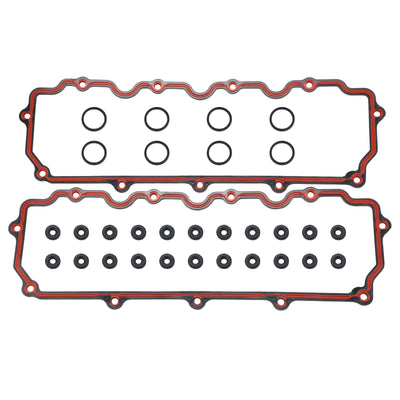
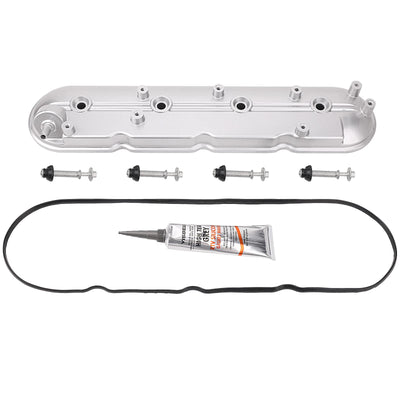
A valve cover gasket leak can escalate from minor oil loss into burning smells, smoke, or misfires if oil fouls the spark plugs. We know sudden engine symptoms are stressful, which is why we recommend an early fix using an EGR Performance Valve Cover Gasket Replacement. Upgrading to this heavy-duty, heat-resistant seal permanently stops oil migration, keeping your ignition system bone dry and repair bills within a manageable $200 to $800 range.
Table of Contents
- Introduction
- What Is a Valve Cover Gasket and What Does It Do?
- What Causes a Valve Cover Gasket to Leak?
- What Are the Six Most Common Valve Cover Gasket Leak Symptoms?
- How Do You Confirm and Diagnose a Valve Cover Gasket Leak?
- How Does a Valve Cover Gasket Leak Differ from Other Engine Leaks?
- How Serious is a Valve Cover Gasket Leak and When to Replace?
- Can You Drive With a Leaking Valve Cover Gasket?
- How Much Does It Cost to Fix a Valve Cover Gasket Leak?
- How Hard is a Valve Cover Gasket DIY Inspection and Replacement
- FAQs
- Final Thoughts and What to Do If You Notice These Symptoms
Introduction
A valve cover gasket seals the upper part of the engine and protects the valvetrain from oil leaks.
Common leaking valve cover gasket symptoms include burning oil smell, oil residue on the outside of the valve cover, smoke coming from the engine compartment, low oil level, and a misfiring engine. While each of these symptoms may initially seem small, they can worsen until they cause extensive damage.
Stop the Oil Leaks. Protect Your Electrical System.
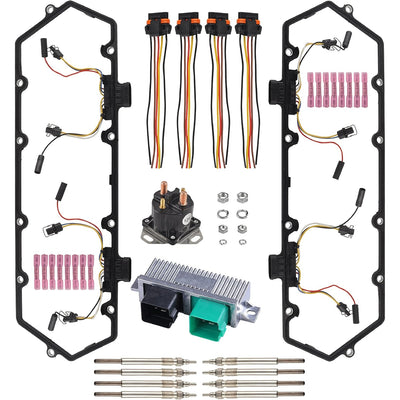
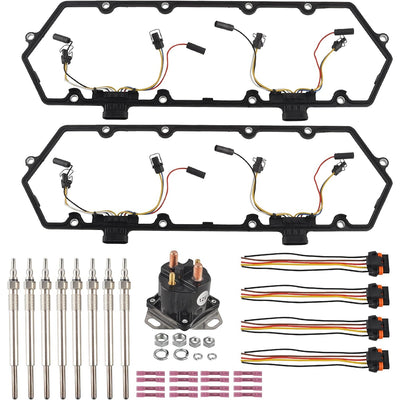
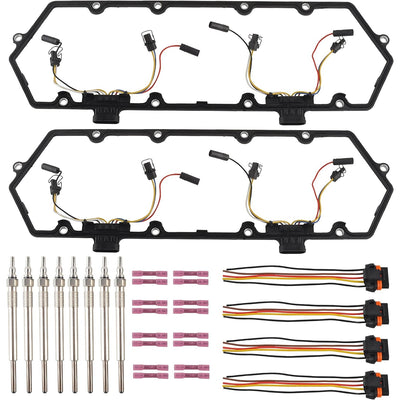
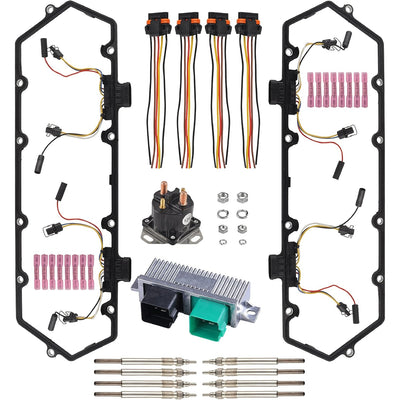
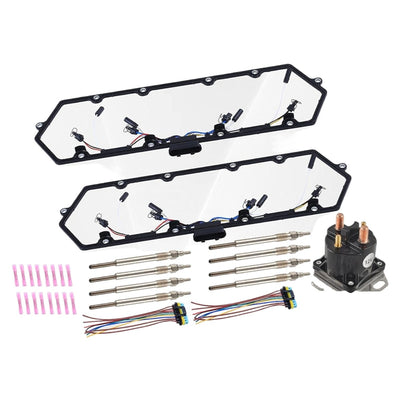
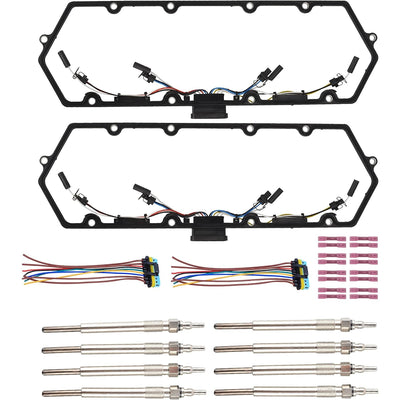
A worn, leaking valve cover gasket does more than make a mess—it risks exhaust fires and ruins sensitive injector wiring harnesses. Our Valve Cover Gaskets from EGR Performance are engineered with premium oil-resistant compounds and integrated electrical paths to handle the harshest under-hood environments. Keep your engine dry, your signals clean, and your truck running smoothly.
Shop EGR Performance Valve Cover Gasket Kits→We know how stressful it feels when your car shows new warning signs. That is why we put together this guide. It will help you identify warning signs of an engine oil leak, determine the severity of the leak, compare other engine oil leaks, and determine if and when an engine oil leak requires repair. Keep reading.
What Is a Valve Cover Gasket and What Does It Do?
A valve cover gasket seals the top of the engine, keeping oil contained within the valve train area. It prevents any oil leaks onto the rest of the engine. If the gasket does not provide an effective seal, oil leaks from the top of the engine. This can lead to a number of leaking valve cover gasket symptoms.

We all want our engines to run clean and quiet. A bad valve cover gasket can change that fast.
Why the Valve Cover Gasket Matters
It is positioned between the cylinder head and the valve cover. It helps keep your engine clean while keeping oil in the engine. A worn valve cover gasket allows oil to leak onto the exhaust manifold or other nearby parts of the engine.
What Happens When It Starts Leaking
Over time, rubber gaskets are subject to deterioration because of heat and age. Over time, gaskets may harden, develop cracks, and shrink. This is a major contributor to symptoms of a bad valve cover gasket.
As the seal continues to deteriorate, oil starts to leak out of the engine on the outside. Some engines may see oil leaking into the spark plug tubes, causing ignition issues.
Proper function also reduces engine noise and keeps the bay clean. When the gasket works well, we avoid extra dirt buildup and potential fire hazards. We always tell drivers to treat early signs seriously because small seeps turn into active leaks over time. Understanding this part helps us catch problems before they spread to other systems.
What Causes a Valve Cover Gasket to Leak?
Heat and age make the rubber brittle. Excess crankcase pressure, bad installation, and warped covers also cause leaks. We will explain each cause so you can prevent future issues.

Many drivers ask why their gasket failed so soon. There are multiple potential causes of a leaky valve cover gasket, but most commonly, heat, pressure buildup, and poor installation.
Heat and Age
Engine heat causes rubber gaskets to become hard over time because of the aging effects of heat. Rubber gaskets crack, shrink, and lose flexibility with age. This causes blown valve cover gaskets to show symptoms of failure.
Excess Crankcase Pressure
A defective PCV system produces excess pressure in the crankcase, which leads to blown valve cover gasket symptoms. This pressure forces oil through weak gasket seals.
Improper Installation
If an installer over-tightens bolts or improperly positions a gasket, it can result in a leak. Reinstalling an old gasket may also cause problems.
Mechanics sometimes over-torque bolts and crush the gasket. Uneven surfaces or reusing old gasket material also cause failure. We recommend new gaskets and following torque specs exactly.
Warped or Cracked Valve Cover
Plastic valve covers can warp from heat exposure. A new gasket may not create a proper seal if the cover is damaged.
We suggest checking the cover flatness with a straight edge during repairs. Other factors include poor quality parts and engine vibration. We always choose OEM or high-quality aftermarket gaskets for better results.
What Are the Six Most Common Valve Cover Gasket Leak Symptoms?
Symptoms progress from minor oil stains and burning smells to low oil levels, smoke, misfires, and oily spark plug wells. We organize them by severity so you know when to act.

We want you to catch problems early. Here are the six key signs grouped by how serious they get. We divide symptoms into early, moderate, and advanced stages. This helps you judge urgency.
Early Stage: Minor Seepage & Nuisance Symptoms
Symptom 1: Visible Oil on the Engine Exterior
What it looks like:
Oil is visible around the edges of the valve cover. Grease and dirt are caked onto the area around the seam between the head and the cylinder.
Why does it happen:
The gasket seal starts weakening and allows light oil seepage.
What to do next:
You need to clean the area and keep track of new oil accumulation. Clean the area and watch if it returns in a week.
Symptom 2: Burning Oil Smell
What it smells like:
A burnt oil smell is detected when you drive the vehicle or when the engine reaches operating temperature.
Why does it happen:
Leaking oil drips onto hot exhaust components and creates a burning smell.
What to do next:
You need to inspect the valve cover area. Also, check how much residual oil remains in the engine. Check oil level right away.
Moderate Stage: Active Leaking & Noticeable Oil Loss
Symptom 3: Low Amount of Engine Oil
What it looks like:
Continual topping up of the engine oil supply. Low oil warning lights appear on the dashboard.
Why does it happen:
Oil leakage increases due to the continual deterioration of the valve cover seals.
What to do next:
Check the engine oil level right away. Do not drive long distances due to the high level of oil loss.
Symptom 4: Smoke Coming from Under the Hood
What it looks like:
Light smoke emanates from the engine compartment while idling or after shutdown.
Why does it happen:
Oil burns on the hot engine or exhaust components.
What to do next:
Make a repair appointment as soon as possible to prevent additional damage. Schedule service soon.
Advanced Stage: Performance Issues & Component Damage
Symptom 5: Engine Misfire, Rough Idle, and Check Engine Light
What it looks like:
Rough idle, hesitations, loss of power, check engine light on.
Why does it happen:
Oil leaked into the spark plug wells, causing damage to the ignition parts, which is one of the typical blown valve cover gasket symptoms.
What to do next:
Repair the leak immediately and check the plugs and coils.
Symptom 6: (Oily Spark Plug Wells):
What it looks like:
Oil present inside the spark plug wells. You find pools of oil when you remove coils. This means tube seals failed completely.
Why does it happen:
The inner tube seals fail and allow oil into the spark plug wells.
What to do next:
Replace the gasket and tube seals asap.
How Do You Confirm and Diagnose a Valve Cover Gasket Leak?
Perform a visual inspection when the engine is cool. Look for oil around the valve cover and in spark plug wells. Distinguish early seeps from active leaks by checking for fresh trails and performance issues.

Guessing leads to wrong repairs. We use simple steps to confirm the problem.
Visual Inspection Steps
A visual inspection can often confirm symptoms of a bad valve cover gasket. Generally, the majority of leaks begin near the top of the engine and progressively move lower.
Inspect the engine when it has cooled:
You should always inspect the engine once it has cooled to a point where it would be safe for you to touch.
Look for fresh oil around the valve cover:
Look along the edge of the valve cover and on the side of the cylinder head for oil that is still wet.
Trace the oil upward. Leaks from the top usually point to the valve cover. Check both sides on V engines. Remove the engine cover if needed for better view.
Inspect for dirt and oil accumulation:
A leaky or worn valve cover gasket generally has greasy dirt or sludge present near where the leak is.
Inspect spark plug wells if possible:
Oil inside the spark plug wells could indicate that the valve cover gasket has failed.
For spark plug wells, we remove one coil carefully on accessible engines. Oil inside confirms advanced failure. We also check oil level on the dipstick before and after a short drive.
Early Seep vs. Active Leak
Early Seep:
Minor dampness, minimal oil seepage, or a light burning odor without performance issues.
Active Leak:
Fresh oil trails running down engine components, smoke, oil dripping from an object, warning lights illuminated due to oil leaks, or oil visible on the bottom side of engine components.
How Does a Valve Cover Gasket Leak Differ from Other Engine Leaks?
Valve cover leaks start at the top and cause burning smells or misfires. Head gasket leaks involve coolant and white smoke. Bottom leaks from the oil pan or filter leave puddles on the ground.
Engine oil leaks can be hard to identify since they can all appear to be the same at first glance. We often see confusion between different leaks. However, the location of the leak and its accompanying symptoms generally help identify the problem correctly. Clear differences help you save time and money.
Valve Cover Gasket Leak vs. Head Gasket Leak
Why do people confuse them:
Both issues can cause smoke, oil leaks, and performance problems. Nonetheless, head gaskets typically present a much greater threat than valve cover gaskets do.
Valve cover gasket leak:
A valve cover gasket leak usually appears near the top of the engine. Signs of an external leak include the smell of burning oil and oil being pooled near the spark plug wells.
Valve cover leaks stay concentrated near the top. Oil runs down but originates high up. You rarely see ground puddles early on.
Head gasket problem:
Problems with a leaking head gasket include:
- White smoke from your exhaust
- Engine coolant is being lost
- Milky oil
- Engine running hot
- The engine does not have a good amount of compression
This is the major difference between problems with the head gasket vs valve cover gasket.
Valve Cover Gasket Leak vs. Oil Pan or Filter Leaks
Main difference:
The actual difference is that a valve cover gasket leaks from the top of the engine and drips down the side of the block. However, oil leaks from the oil pan, oil filter, and drain plug generally appear on the bottom of the engine underneath the vehicle first. These leaks also typically form puddles underneath the vehicle.
We also rule out turbocharger or rear main seal leaks by location. Turbo leaks often show blue smoke from exhaust. Rear main leaks drip from under the transmission area.
How Serious is a Valve Cover Gasket Leak and When to Replace?
Minor seeps need monitoring. Active dripping, smoke, low oil, or misfires mean replace soon. We explain urgency levels so you make smart choices.
A leaking valve cover gasket can lead to many symptoms, from minor to severe. It may be difficult to determine the seriousness of your leak and what must be done to repair it. We get this question daily.
Severity decides the timeline. The severity of the damage may be determined by how much oil is escaping and where it is seeping out of the engine.
When It's a Minor Seep
If your vehicle has a small amount of sweat or light oil, it is not considered urgent. However, you may want to keep an eye on it. There are no performance issues or anything that is burning when there is a failure of the valve cover gasket at this point. Oil levels also remain stable at this stage.
When It Becomes Serious
An oil leak is classified to become critical or serious when it drips onto hot engine components because it can create a very strong burning odor or significant visible smoke.
When oil is depleted rapidly and warning lights appear on the dashboard, this is a sign that there is a huge problem. Therefore, symptoms of a bad valve cover gasket should not be ignored.
When Should You Replace a Valve Cover Gasket?
Low urgency cases
Light oil leak, no burning smell, and oil levels are stable. These leaky valve cover gasket signs can be monitored.
High urgency cases
Oil leaking, misfire, oil in spark plug wells, or oil being added frequently should be repaired as soon as possible due to a blown valve cover gasket.
Factors like engine type affect timing too. Inline engines give more warning time than tight V8 bays. We always check for warped covers during replacement.
Can You Drive With a Leaking Valve Cover Gasket?
You can drive short distances with small seeps if oil levels stay normal and there is no smoke. Stop immediately with smoke, misfires, or rapid oil loss. Risks include fire and engine damage.
This is one of the most common questions we hear. The answer depends on severity. The severity of the leak from your valve cover gasket determines whether or not you can still drive with a leaking valve cover gasket.
Some leaks are still manageable with driving a short distance, while serious leaks need to be fixed immediately.
When You May Still Drive Short Distances
If the leak is only minor seepage, short drives may still be possible, as long as there is no smoke or performance problems.
Your oil level must be steady, and there should be no engine misfires or other major symptoms of a faulty valve cover gasket. As with the first stage, continue to monitor your oil level closely.
When You Should Stop Driving Immediately
If you see smoke coming from under your vehicle's hood, it's time to stop. Also, if you smell burnt oil, this could be a major problem.
Another sign that something is wrong with your valve cover gasket is a rapid loss of oil, the check engine light coming on, or you can see oil dripping below your vehicle. All of these problems get worse quickly.
Main Risks of Ignoring the Leak
Fire Risk:
Dripping oil on hot exhaust parts can create a fire hazard.
Engine Wear:
Low oil levels can result in excessive wear or failure of the engine.
Component Failure:
Ignition coils and spark plugs can be damaged with oil in the spark plug wells.
We recommend carrying extra oil and a flashlight for checks during travel. For commuters, fix minor leaks before they worsen during daily use. Many drivers we helped avoided breakdowns by heeding early smoke signs. Plan repairs within days for moderate leaks.
How Much Does It Cost to Fix a Valve Cover Gasket Leak?
Parts cost $20 to $150 for the gasket and seals. Labor runs $150 to $800, depending on engine access. Total repairs average $200 to $950. Warped covers or damaged coils increase the price.

We know budget matters. Here is what you can expect.
The leaking valve cover gasket symptoms may have various price points when it comes to repairs. Depending on the vehicle's engine type and the amount of labor necessary to perform a repair, however. You can see a wide range in pricing based on the severity of damage and vehicle design.
Parts Cost
Valve cover gasket kits generally cost very little; they typically consist of a variety of parts, including various seals such as an exterior, grommet(s), and tube seal(s).
Typical prices for a complete set of parts can run between approx $20 - $150+, depending on original equipment vs. aftermarket component quality. Premium or European vehicles may cost more due to integrated components.
Quality matters. We prefer OEM gaskets for perfect fit. Aftermarket options save money but may fail sooner. Add $50-$200 for spark plug tube seals on engines that need them.

7.3 Powerstroke Valve Cover & Glow Plug Electrical (1998-2003)
7% OFF New Customer Coupon Code: EGR7
Buy NowLabor Cost
Labor is the most significant component of gasket failure symptom repair expense. Typically, shops bill an average of 1-4 hours for gasket replacement repair services.
- For inline engines: $150-$350 total labor
- For v6/v8 engines: $300-$800+, depending on whether the engine is easily accessible.
This matches common repair costs for most vehicles, from $150 to $850+.
Coils and plugs contaminated by oil add $100-$400 per bank. Warped plastic covers require full replacement at $150-$400 extra.
What Can Increase Repair Costs
If any additional issues are identified during the inspection, the overall cost will likely increase.
- Cracked or warped valve covers need a full valve cover replacement
- If the spark plugs or ignition coils are contaminated with oil they will need to be replaced.
- If the intake manifolds must be removed to gain access to the leaking oil, there may be additional labor costs.
Often, when severely blown valve cover gaskets are detected, they have moved into the higher price range for repairs.
How Hard is a Valve Cover Gasket DIY Inspection and Replacement
Basic inspection is easy at home. DIY replacement works well on easy engines with basic tools. Leave complex jobs to professionals.
It's typically straightforward to run a basic check for leaking valve cover gasket symptoms. Many drivers want to handle this themselves. We share what works.
However, the difficulty of replacing the valve cover gasket varies with the engine design and your repair and mechanical skills.
Basic Inspection You Can Do at Home
Look for oil around the perimeter of the cylinder head and valve cover. After driving, there may also be an unusual smell coming from the engine compartment, which is indicative of oil leaking due to a faulty valve cover gasket.
If feasible, check for contaminated spark plug wells - these are common indicators of valve cover gasket-related leaks.
When DIY Replacement Makes Sense
Simple inline engines with good accessibility can be repaired by doing it yourself (DIY). You usually only need basic tools and a torque wrench.
Using a repair manual or other clear instructional material also reduces the chance of return of valve cover gasket failure symptoms.
You need a socket set, torque wrench, gasket scraper, and new gasket. Follow vehicle-specific guides for bolt sequence and torque values. Many jobs finish in 2-4 hours.
When to Leave It to a Professional
When working in a tight engine bay or on a V6 or V8 engine, you may find it much better to get a professional service for any problems. Repairs are also much harder due to possible misfires, contamination of ignition parts caused by oil, or a warped valve cover.
Recommended Resources:
DIY Repair: Step-by-Step 7.3 Powerstroke Wiring Harness Replacement
Code Diagnosis: How to Fix P1316 Code on 7.3 Powerstroke (IDM Codes)
Shop OBS Parts: Browse 1994-1998 7.3 Powerstroke OBS Restoration Parts
FAQs
Can a valve cover gasket leak cause smoke?
Yes. Oil can drip onto hot exhaust components and create smoke from the engine bay.
How long does a valve cover gasket last?
Most valve cover gaskets last 5-8 years or 60k-100k miles depending on driving conditions.. Heat, age, and poor maintenance can shorten lifespan.
Can I drive with a leaking valve cover gasket?
Yes, if the leak is minor and oil levels remain stable. Avoid driving if you notice smoke, misfires, or rapid oil loss.
How do I know if my valve cover gasket is leaking?
A leaking valve cover gasket is commonly identified by the smell of burning oil, visible oil residue on the engine, a low oil level, or smoke coming from under the hood.
Can a bad PCV valve cause a valve cover gasket leak?
Yes. A faulty PCV system can increase crankcase pressure and force oil past weak gasket seals.
How much does it cost to replace a valve cover gasket?
Most repairs cost between $150 and $850, depending on engine type, labor time, and additional damaged parts.
What are the first signs of a valve cover gasket leak?
Early signs include light oil seepage, greasy buildup around the valve cover, and a faint burning oil smell.
Can a valve cover gasket leak cause a check engine light?
Yes. Oil entering the spark plug wells can cause misfires and trigger a check engine light.
Can a valve cover gasket leak cause a rough idle or misfires?
Yes. Oil contamination around spark plugs or ignition coils can cause rough idle, hesitation, and engine misfires.
Does a valve cover gasket leak always leave oil on the ground?
No. Many leaks start at the top of the engine and burn off before oil reaches the ground.

Final Thoughts and What to Do If You Notice These Symptoms
Leaking valve cover gasket symptoms often begin with small oil leaks that could get worse. There may be a burning smell of oil, smoke, low oil levels, and an engine misfire. Address these symptoms immediately with repairs to avoid causing damage to the ignition system, losing oil, or creating a fire hazard.
Immediate Next Steps:
Inspect the oil level, and do not drive for long distances if you have smoke coming from your vehicle.
- If you see active leaks, clean up the area of the leak.
- Inspect the engine for fresh oil leaks.
- Schedule repairs as soon as possible
- Replace any damaged spark plugs or ignition coils as needed.
Drive short distances only if everything seems minor. Monitor the smell and any smoke during warm-up. If symptoms worsen, park safely and call for help.
Early action saves money and keeps your car reliable. Do not wait until the check engine light comes on. Address valve cover gasket leaks promptly for the best outcome.
We hope this guide helps you spot signs early and take action. Visit EGR Performance for reliable valve cover gasket replacement parts and expert service.