



Louder than usual, a tick at cold start, a whistle under the floor, or a faint smell in the cab: exhaust leak symptoms sort into a short list, and each one tells you roughly where the leak lives and how urgent it is. This guide walks through every sign, the silent leaks that hide from your ears, the diesel-specific signals like high EGTs and low boost, and when the symptom moves from "schedule it" to "park the truck."
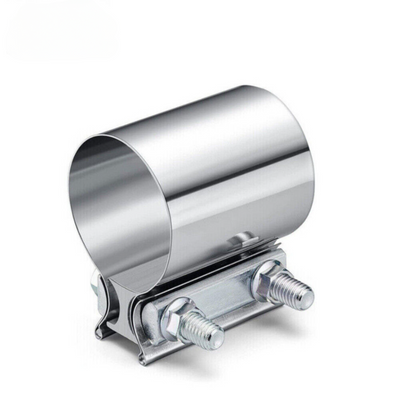
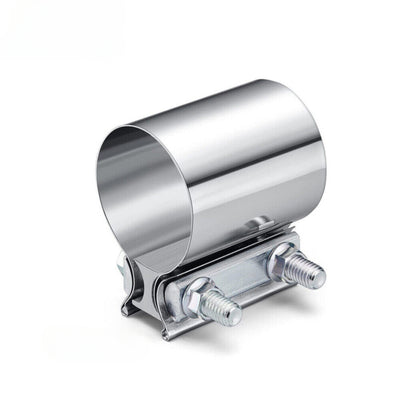
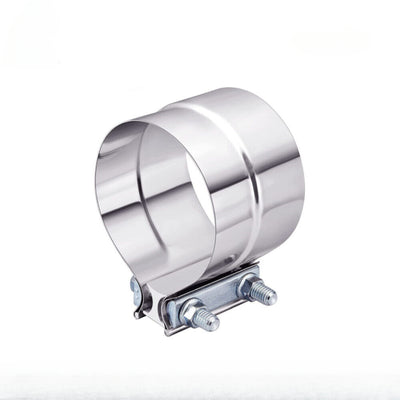
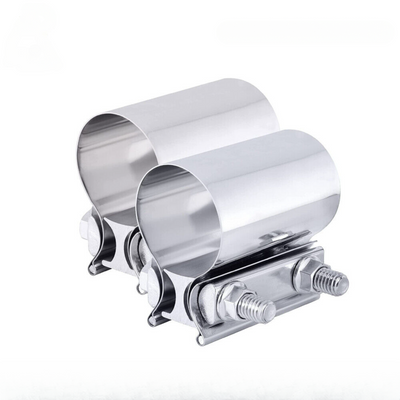
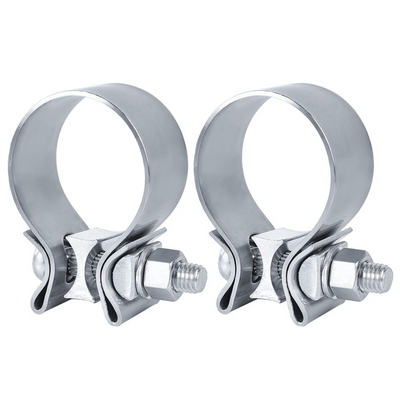
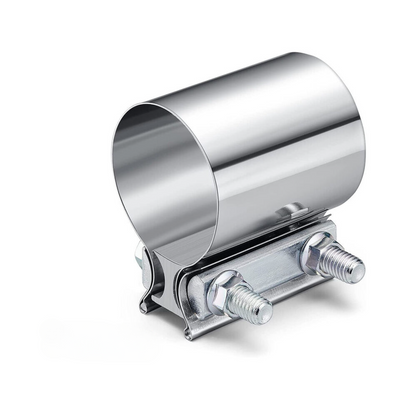
When you are ready to find and fix it, having the right hardware on hand—whether you need heavy-duty exhaust clamps for a leaking slip-joint or a fresh exhaust pipe section to replace a rusted-through pipe—makes all the difference.
Table of Contents
Key Takeaways
- [The big six]: Louder engine note, exhaust smell, a blowing or whistling sound, lost performance, a check engine light, and a failed emissions test are the core exhaust leak symptoms, and each maps to a leak location.
- [The behavior tell]: A tick loudest at cold start that fades as the engine warms is the classic manifold leak signature: metal expands and closes the gap. Lifter noise quiets with oil pressure instead.
- [The silent ones]: Not every leak is audible or leaves soot. A cracked manifold can pass an ear test and still leak badly, which is why the flashlight check matters.
- [Diesel-specific]: On turbo diesels, the symptoms show up as higher EGTs, excess smoke, low boost, and poor drivability, and brand new parts leak too if the flanges do not line up.
- [The urgent line]: Exhaust smell inside the cab is a carbon monoxide risk. That symptom parks the truck until fixed, full stop.
- [The cheap check]: A two-person, five-minute power-brake test with a flashlight finds leaks that hide from ears and soot trails alike.
- [Sensor logic]: A leak ahead of the O2 sensor feeds the computer false air, causing rough running, misfires, and fuel trim codes, while one after the sensor fails the emissions test instead.
The Six Core Symptoms
A four-minute rundown of the six symptoms almost every leak produces, and the sensor logic behind the performance ones.
Here is what each sign usually means:
- Louder engine note: the hole sits ahead of a muffler, so the sound exits raw and unmuffled. The louder it is, the bigger the leak, generally.
- Exhaust odor: fumes escaping anywhere they should not. If you smell them in the cabin, treat it as urgent, because prolonged exposure to exhaust gases is a genuine health hazard, not a comfort problem.
- Blowing or whistling underneath: a small hole often announces itself on revs as a blowing sound, sometimes a high-pitched whistle, audible from under the car rather than under the hood.
- Lost performance: a leak ahead of an O2 sensor feeds the computer false readings, and the next air-fuel mixture gets calculated from bad data. The results are misfires, slow acceleration, and a rough idle.
- Check engine light: the same false air trips oxygen sensor and catalyst efficiency codes once the computer notices the numbers cannot be right.
- Failed emissions test: before the sensor, the leak skews the mixture; after it, the test reads an excessively lean stream. Either way, the truck fails inspection with an open leak.
One symptom missing from that list, because it is a behavior rather than a sign: the leak that changes with temperature. That one deserves its own section, because it is the fastest way to tell a manifold leak from everything else, including lifter noise.
Found the Leak? Choose the Right Repair Path
Depending on whether your exhaust system is suffering from a loose slip-joint or a severely corroded section, you will need either high-strength clamping hardware or a full pipe replacement:
- For Slip-Joints & Minor Cracks: Use stainless steel exhaust band clamps and lap-joint hardware to seal joints securely without welding.
- For Rusted-Through Pipe Sections: When metal is pitted or perforated beyond the help of a clamp, swap in a precision-fit exhaust pipe section to permanently restore structural integrity.
The Cold-Start Tick and the Warm-Up Test
The most misdiagnosed exhaust leak symptoms are the ticking ones, because a tick sounds like valvetrain trouble. The pattern separates them. An exhaust leak is loudest on a cold morning and fades as the engine reaches temperature, and owners who tracked it down explain the mechanism plainly: parts heat up, expand, and close off the gap. The daily expansion and contraction is also what works the manifold gasket loose in the first place, which is why the tick tends to grow over months instead of appearing overnight.
Lifter tick runs on a different clock. It quiets as oil pressure builds in the first seconds and minutes of running, not as metal temperature rises. So the two-minute test is: listen at cold start, listen again at full operating temperature, and note when the noise changed. Faded with heat, suspect the exhaust. Faded with oil pressure, suspect the top end.
Two refinements from the owner threads. First, a tick from a broken manifold bolt may not fade at all, because the gap is mechanical rather than thermal, so a constant tick does not clear the exhaust. Second, the fastest confirmation is a length of hose held to your ear and moved around the manifolds while the engine idles: an exhaust leak goes from mystery to glaring in seconds, no tools bought.
Silent Leaks: When You Hear Nothing
Here is the symptom that is not a symptom: silence. A mechanic's thread titled around an exhaust leak with no noise or vibration ended with the discovery of a cracked, excessively leaking manifold that never made an audible peep. The ear test alone would have passed it.
Turbo shops see the same thing on diesels. When customers insist a leak would be obvious, the answer from the shop floor is blunt: would you not see soot everywhere if it were leaking? Not all the time. Would you not hear it? Also not all the time. Leaks hide behind heat shields, inside bellows, at flanges that look assembled and true, and under the mesh of flex sections. That is why the five-minute check beats the five-minute listen:
- Two people: one in the driver seat, one outside with a flashlight, truck safely in gear with the brake held.
- Power-brake it: throttle up against the brake until boost builds and the truck wants to move, then hold and watch.
- Sweep the hot spots: turbo-to-up-pipe flanges, up-pipe bellows, manifold bolts, and donut joints, looking for any puff, soot edge, or flutter.
Do the visual for soot too, even though it is not guaranteed: black soot tracks around a flange or connection mean gas has been escaping there for a while, and they mark the spot even when the leak itself stays quiet.
Diesel Signals: EGT, Boost, and Smoke
A turbo shop's five-minute power-brake test on a 6.0 in for poor performance, with the leak locations that matter on diesel trucks.
On a turbo diesel, exhaust leak symptoms wear a different uniform. The leak dumps drive pressure that was supposed to spin the turbo, so the dash-level signs are higher EGTs, excess smoke, low boost, and generally poor drivability. The trap is attribution: owners replace turbos and tuners chasing those numbers when the real fault is a leaking flange.
The shop example is instructive. A brand new turbo went on an employee's truck, the truck still made low boost and smoke, and the leak turned out to be at the turbo-to-up-pipe connection, a joint that looked perfectly fine assembled. New parts leak: flanges that do not line up, clamps that sit crooked, bellows that arrived stressed. The fix was loosening the joint, re-seating it, and fitting a new clamp.
The full diesel leak map, in the order the shops check it:
- Turbo to up-pipe flange: the new-install special, looks fine assembled, leaks under boost.
- Up-pipe bellows: blown or cracked flex sections weep under load and hide under mesh.
- Exhaust manifold bolts and warpage: broken bolts and warped sealing faces tick and leak at the source.
- Donut joints at the downpipe: flatten out over time and hiss on decel.
How Dangerous Is Each Symptom?
Not every leak is an emergency, and sorting exhaust leak symptoms by urgency keeps the repair budget sane. Roughly, in escalating order:
Symptom |
What It Usually Means |
Urgency |
|---|---|---|
External hiss or tick, no cab smell |
Small leak at a joint or flange |
Repair this week using heavy-duty clamps; it grows with heat cycles |
Cold-start tick that fades |
Manifold gasket or minor warpage |
Soon; watch for broken bolts behind it |
Louder exhaust note or rotted pipe |
Leak ahead of a muffler, or a rusted section |
Schedule it; inspect surrounding metal or replace with a fresh exhaust pipe
|
Check engine light, rough running |
Leak ahead of the O2 sensor skewing fueling |
Read the codes, then fix; driving on bad trims wastes fuel |
Exhaust smell in the cabin |
Leak near the firewall, floor, or cab entry |
Park it; carbon monoxide is not a comfort issue |
What Real Owners Say
The threads behind this guide read like a field manual on how leaks actually announce themselves:
"Parts heat up, expand, and close off the leak" is why the noise disappears after a few minutes, and why cold mornings are the best time to hunt for it. (r/MechanicAdvice consensus, manifold tick threads)
The silent-leak thread delivers the other half of the lesson: the poster's truck had no noise, no vibration, and no obvious sign, and the mechanic still found a cracked, excessively leaking manifold. Between the two threads sits the practical rule this whole topic reduces to: trust the warm-up pattern when you can hear it, and trust the flashlight when you cannot.
FAQ
What does an exhaust leak sound like?
A tick or tap that tracks engine speed, loudest cold and quieter warm, a hiss under the floor on revs, a whistle at small holes, or a generally louder engine note when the leak is ahead of a muffler. Big leaks roar.
Can you drive with an exhaust leak?
Short and careful, yes; routinely, no. Outside-the-cab leaks can wait days, but any smell of exhaust inside the cabin means park it: carbon monoxide has no odor threshold you can safely ride out.
Why is the noise louder when the engine is cold?
Clearances are at their widest cold. As the metal heats and expands, the leak path closes, which is also the cycle that keeps working the gasket looser over time.
Will an exhaust leak throw a check engine light?
If it is upstream of an O2 sensor, usually yes, through lean or catalyst efficiency codes. Leaks behind the sensors stay quiet on the dash but still fail emissions tests.
Can an exhaust leak cause rough running?
Yes. False air ahead of the O2 sensor corrupts the fueling calculation, and the symptoms show up as misfires, hesitation, and a rough idle that no tune-up fixes.
How do I know if my diesel has an exhaust leak?
The diesel exhaust leak symptoms to watch for are climbing EGTs, smoke, and low boost that survived a turbo replacement. Then run the two-person power-brake test with a flashlight across the up-pipes and flanges; new parts leak just like old ones.
Do exhaust leaks always leave soot marks?
No. Soot tracks are a strong clue when present, but shops regularly find leaks that leave no visible trace, especially at freshly assembled flanges and inside bellows.
Can a leak damage the engine over time?
Indirectly, yes: chronic lean trims, overheated EGTs on diesels, and cooked O2 sensors all trace back to unfixed leaks. The repair is always cheaper than the consequences.
The Verdict
Read the exhaust leak symptoms as a map: the sound type tells you the size of the hole, the warm-up behavior tells you it is at the manifold, the fueling symptoms tell you it is ahead of a sensor, and the cab smell tells you to stop driving it.
Confirm with the hose-and-ear trick or the power-brake flashlight test, then fix by size and severity: secure loose slip-joints and minor cracks with high-grade exhaust clamps, gasket the flanges, and swap in a fresh exhaust pipe section wherever rust has compromised the metal.
The signs always arrive early enough to act on, which makes this one of the few failures where the diagnosis is genuinely free and the fix is usually a hand-tool job.


