
🔧 30-Second Summary: Common LB7 Problems & Upgrades
Addressing common lb7 problems requires prioritizing fuel injector replacement ($3,000–$4,500), adding an aftermarket lift pump to stop air intrusion, refreshing cooling elements, and swapping the harmonic balancer. We highly recommend utilizing heavy-duty EGR Performance lb7 upgrades to tackle these root causes, prevent crankcase fuel dilution, and stabilize high-pressure rail delivery above 23,000 psi for heavy towing. Always run injector balance rate diagnostics first to safely guide your restoration plan.
Table of Contents
- Introduction
- What Is the LB7 Duramax, and What Years Was It Made?
- What are LB7 Failure Symptoms You Shoul Watch For
- The 5 Common LB7 Problems: Causes, Diagnosis, and Repairs
- LB7 Diagnostic Symptom Troubleshooting Chart
- What are the Best LB7 Performance & Reliability Upgrades
- Buyer's Strategy Guide: Best LB7 Recommendations for Application
- LB7 Duramax Problems Diagnosis & Maintenance Checklists
- Is the LB7 a Good Engine? Is It Still Worth Buying?
- LB7 Problems vs. LB7 Upgrades: What Should You Fix First?
- FAQs
- Conclusion
Introduction
The LB7 Duramax (2001-2004) delivers 300 hp and 520 lb-ft from its 6.6L V8. It was known as a tough truck. However, it will bring injector failures, air intrusion, and overheating that will leave trucks sidelined and ruin reliability during tough tows.
Common LB7 problems include injector ball seat erosion, fuel filter head O-ring leaks causing air intrusion, water pump failures leading to 220°F+ spikes under load, and harmonic balancer rubber degradation. If you ignore them, a small leak can turn into a costly repair.
We solve these LB7 issues with proven fixes and targeted upgrades that restore strength while adding lasting durability. Fixes include updated Bosch injectors, chassis lift pumps, and pinned water pumps, often paired with airflow and exhaust mods that cut EGTs by 100-150°F and extend life past 300,000 miles.
This guide will take you through all the major LB7 problems, how to identify them early, and how to resolve them accurately. You'll also discover practical maintenance tips and what upgrades will build a reliable rig, instead of just chasing horsepower.
What Is the LB7 Duramax, and What Years Was It Made?
The LB7 is GM's first-generation 6.6L Duramax V8 diesel, produced from 2001 to 2004 in Chevy Silverado and GMC Sierra HD trucks. It features a cast-iron block, aluminum heads, and common-rail injection with a CP3 pump, rated at 300 hp and 520 lb-ft stock.
Modernize Your LB7 Duramax.
The LB7 is a legendary power plant, but it demands the right components to stay reliable. Performance Parts from EGR Performance are specifically curated to resolve common LB7 bottlenecks—from fuel system filtration to high-flow exhaust upgrades. Don't just drive your LB7; master it with the performance hardware engineered for the long haul.
Shop EGR Performance LB7 Parts→The LB7 is GM's first-generation 6.6L Duramax V8 turbo-diesel engine. It responds to actual owner inquiries regarding age, reliability, and value.
GM built the LB7 Duramax from 2001 to 2004. During that time, it was used to power Chevrolet and GMC heavy-duty trucks. The engine was a replacement for the old 6.5L diesel, a new, more powerful unit.
Core Specifications
|
Specification
|
Value
|
|---|---|
|
Displacement
|
6.6 liters (403 ci)
|
|
Bore x Stroke
|
4.055" x 3.897"
|
|
Block
|
Deep-skirt cast iron with induction-hardened liners
|
|
Heads
|
Cast aluminum, 6-bolt per cylinder
|
|
Injection
|
Common-rail, electronically controlled
|
|
Turbo
|
Garrett GT37V with VGT
|
This setup made the LB7 a favorite for fleets and enthusiasts. Yet factory choices like no lift pump and early injector designs create recurring issues we address daily.
Does the LB7 make a reliable diesel engine?
Yes, the LB7 is one of the longest-lasting early diesel platforms. The reliability of Strong LB7 is high due to its simple mechanical design and absence of complex emissions equipment. The vast majority of LB7 Duramax issues are due to age-related wear, not engineering flaws.
Reliability Factors and Owner Experiences
We analyze hundreds of LB7 cases and see consistent patterns. The engine's iron block and strong internals hold up under load when fuel quality stays high, and cooling remains efficient. Injector updates from Bosch resolved early design flaws, extending service intervals.
Comparison to Other Diesels
|
Engine
|
Typical Lifespan (miles)
|
Main Failure Mode
|
Fix Cost Range
|
|---|---|---|---|
|
LB7 Duramax
|
250k-400k+
|
Injectors / Fuel
|
$3k-5k
|
|
Early 6.0 Powerstroke
|
150k-250k
|
EGR / Head Gaskets
|
$4k-8k
|
|
5.9 Cummins
|
300k-500k
|
Lift pump
|
$1k-2k
|
Maintenance Impact on Reliability
Recommended maintenance intervals: change fuel filters every 15k miles minimum, cooling flushes every 30k miles to prevent scale buildup, and harmonic balancer inspection at 100k miles to catch rubber failure before belt loss.
These will keep EGTs under 1,200F even while towing to protect the turbo and valves.
Why Is the LB7 Still Popular for Towing and Performance Builds?
The LB7 is popular for towing due to its 520 lb-ft torque, strong Allison transmission, and simple design that accepts upgrades easily. Due to its lack of emissions restrictions on later models, it is easy to make changes for towing or performance.
The responsive VGT turbo and robust block that safely supports 450-550 hp with proper air and fuel support. Many owners combine mechanical repairs with specific upgrades to create a reliable daily tow rig.
Towing and Build Potential
We work with many towing-focused LB7 owners who prioritize reliability over peak numbers. The engine's torque curve makes highway passing effortless, even at 10,000 lb GVWR. Upgrades address factory restrictions that raise EGTs and stress components.
Towing Strengths
Factory cooling handles moderate duty, but we upgrade water pumps and radiators for mountain runs. Exhaust flow improvements drop backpressure by 20-30%, cutting EGTs 100°F+. This keeps oil temps stable and prevents limp mode in the Allison.
Performance Build Guidelines
|
Power Level
|
Required Support
|
Key Upgrades
|
|---|---|---|
|
Stock-400 hp
|
Basic maintenance
|
Lift pump, injectors
|
|
400-500 hp
|
Airflow + fuel
|
Intake horn, up pipes, tuning
|
|
500+ hp
|
Internal reinforcements
|
Rods, studs, built trans
|
The LB7 responds well to SOTF tuning that lets drivers switch maps for empty vs loaded conditions. We see 2-3 mpg gains with efficient exhaust and intake mods. Front suspension upgrades prevent wear from larger tires common on tow rigs.
Community and Parts Ecosystem
Aftermarket support includes drop-in lift pumps, mandrel exhaust, and revised injectors that last longer. We recommend starting with diagnostics before mods.
Many builds reach 500 hp reliably after fixing air intrusion and cooling first. The platform's simplicity means fewer sensors to fail versus later Duramax versions.
What are LB7 Failure Symptoms You Shoul Watch For
Watch for rough idle with white smoke, hard starts, rising oil levels, hesitation under load, coolant loss, belt chirp with balancer wobble, and high EGTs over 1,300°F while towing. These point to injectors, fuel delivery, cooling, or balancer issues.

Understanding the warning signs can help you identify LB7 problems early and avoid costly consequences.
Be alert for these signs when driving.
- Rough idle or shake at stop lights
- LB7 white smoke at idle, especially on cold mornings
- Difficulty starting or extended crank time
- A rising oil dipstick level indicates the presence of LB7 fuel in oil.
- When the engine hesitates or stalls when under load.
- LB7 coolant leak or temperature spikes while towing
- Belt chirp, front-end vibration, or balancer wobble
- High exhaust gas temperatures (EGTs) under heavy load
Diagnostic Quick Reference
| Symptom | Likely Cause | Immediate Action |
|---|---|---|
|
Rough Idle + Smoke
|
Bad injectors
|
Scan balance rates
|
|
Hard Start After Sit
|
Air intrusion
|
Prime test
|
|
Coolant Loss
|
Water pump
|
Check weep hole
|
|
Balancer Wobble
|
Rubber failure
|
Visual inspection
|
Towing-Specific Warnings
- Temperature spikes above 210°F under load demand require immediate cooling checks.
- Pressure-test the cooling system to 15-20 psi and log data during drives to spot trends before codes appear. Vibration through the steering wheel points to balancer or suspension wear.
- Balance rates outside -4 to +4 mm³ indicate injector issues.
- We use scan tools for live data on rail pressure: drops below 4,000 psi at idle signal problems.
- High EGTs are linked to boost leaks or restricted exhaust.
Catching these early saves thousands versus full engine work.
The 5 Common LB7 Problems: Causes, Diagnosis, and Repairs
The biggest LB7 problems include fuel injector failure, no factory lift pump causing air intrusion, water pump leaks/overheating, harmonic balancer wobble, and supporting weaknesses in transmission and suspension.

These are the five most common LB7 issues that all owners should know about. Everyone has a definite cause, warning signs, and a fix.
Fuel Injector Failure: The Biggest LB7 Problem
The most serious and costly problem with this engine is the failure of the injector. Fuel contamination and low fuel pressure accelerate the wear in the injector body.
Why LB7 injectors fail:
- Erosion of the ball seats and internal wear.
- Over time, cracked injector bodies.
- Fuel leaking directly into cylinders or the crankcase.
Symptoms of LB7 injector problems
The symptoms of LB7 injector issues are rough idle, engine knocking, and misfires. LB7 white smoke at idle, and a gray tint may be seen on cold mornings. There are also common issues of poor starts and fuel dilution in the oil.
How to diagnose it:
Check injector balance rates with a scan tool. Scent the oil for a diesel smell. Check the oil dipstick for an increasing amount of LB7 fuel. A test for the rate of return of the injector confirms the diagnosis.
The solution:
Use new, revised Bosch injectors. Some owners argue for replacing all eight or just the one that failed. Full replacement is safer in the long run, as the remaining injectors tend to fail shortly after.
Cost:
Expect $3,000 to $4,000 for shop labor and parts. When purchasing a used LB7, always check the service records, as this will have an impact on the resale value and future repair costs.
No Factory Lift Pump & Fuel Filter Head Air Intrusion
This is the most commonly misdiagnosed issue on the LB7. It frequently mimics failure of the injectors, and the time and money spent on the wrong repair are lost.
Why it happens:
The LB7 does not come with a lift pump. The CP3 injection pump should be able to draw fuel from the fuel tank and also to pressurize the fuel tank. This puts strain, particularly when loaded.
The fuel filter head is another vulnerable area. Air leaks into fuel lines through worn O-rings and a faulty primer pump seal. This air robs of prime.
Symptoms:
Difficulty starting after sitting, hesitation, and occasional stalling. These symptoms are intermittent, as opposed to consistent LB7 injector issues.
Distinguishing from injector failure:
The primer button is not firm. Manual priming is followed by a noticeable improvement in the truck.
Solution:
Rebuild filter head using new O-rings and seals. Or replace the entire factory assembly. Many owners install an aftermarket lift pump, like an AirDog or FASS, for better filtration and longer injector life.
Water Pump Leaks, Overheating, and Cooling System Weaknesses
The LB7 cooling system is under a lot of stress when towing. Steam around the radiator is a common symptom of LB7 overheating. The problem gets worse as the exhaust backpressure and EGTs increase.
Why LB7 trucks overheat:
- Small factory radiator and fan system
- Water pump seal wear due to age.
- A failing or weak fan clutch
- A dirty and clogged cooling stack
Symptoms:
Typical symptoms of LB7 overheating are increased temperatures when under load and continuous coolant loss. Coolant fumes or steam may also be detected in the engine compartment.
Failure of the head gasket:
Multi-layer steel gaskets can leak due to excessive tuning or overheating. Look for a hard upper radiator hose, white exhaust smoke, or coolant mixing with oil.
How to detect it:
Check the water pump weep hole for water leakage. Inspect fan clutch engagement by hand. Test the cooling system for leaks.
Solution:
Change the water pump, preferably with a pinned or welded impeller design. Replace an old fan clutch. Rinse the system and thoroughly clean the cooling stack. A small LB7 coolant leak can be caught early, which will save you from having to deal with head gasket problems in the future.
Harmonic Balancer Wobble
This is a smaller component that has a large risk if it is not addressed. If not controlled, it can cause severe engine damage.
Why it happens:
The rubber isolator in the balancer deteriorates over time due to oil exposure and repeated vibrations.
Symptoms:
Wobbling pulley, belt chirping, and excessive vibration through the front of the engine.
Why you shouldn't ignore it:
A failing balancer can throw accessory belts. It may also cause damage to the oil pump gear or even break the crankshaft snout completely.
How to fix it:
Check pulley runout periodically. Change the balancer as soon as it begins to wobble.
Other Notable Strengths: Allison Transmission, Suspension, and Power Limits
There are also a couple of minor weak spots to be aware of.
- Allison 1000 transmission limp mode: The stock 5-speed is good at stock power. Limp mode or being stuck in third gear can be caused by aggressive tuning or overloading. Repair it by resetting codes, inspecting clutch condition, or replacing the clutch's internal components.
- Independent front suspension: Larger tires or leveling kits cause the front suspension to wear out faster. Look for wandering steering, loose play, and uneven tire wear. Install heavy-duty tie rods and support kits.
- High-horsepower risks: Factory connecting rods are the weak link at about 500-550 horsepower. Moderate tuning with supporting fuel and air upgrades stays safe for daily towing use.
Comprehensive Problem Breakdown, Repair and Prevention
|
Problem
|
Frequency
|
Repair Cost
|
Prevention
|
|---|---|---|---|
|
Injectors
|
High
|
$3k-4.5k
|
Lift pump
|
|
Air Intrusion
|
High
|
$800-1,500
|
Lift pump
|
|
Overheating
|
Medium
|
$500-1,200
|
New pump / rad
|
|
Balancer
|
Medium
|
$300-600
|
Inspect at 100k
|
Air intrusion is the most misdiagnosed issue because it mimics injectors, but a soft primer button is the tell.
LB7 Diagnostic Symptom Troubleshooting Chart
Use this table for quick matching: Injector failure shows white smoke and fuel in oil; lift pump absence causes hesitation; overheating brings coolant loss and hard hoses.
This quick-reference table connects each symptom to its cause and fix, so you can troubleshoot faster.
|
LB7 Issues
|
Typical Symptoms
|
Main Cause
|
Common Fix
|
|---|---|---|---|
|
Injector Failure
|
White smoke, rough idle, LB7 fuel in oil
|
Worn ball seats, cracked bodies
|
Replace injectors, add lift pump
|
|
No Lift Pump
|
Power loss, low rail pressure
|
CP3 doing double duty
|
Install an aftermarket lift pump
|
|
Filter Head Leak
|
Hard starts, stalling
|
Worn O-rings, air intrusion
|
Rebuild or replace the filter head
|
|
Water Pump Leak
|
Coolant loss, overheating
|
Seal failure, weak fan clutch
|
New water pump, system flush
|
|
Head Gasket Failure
|
Pressurized system, white smoke
|
Overheating, aggressive tuning
|
MLS gaskets, ARP head studs
|
|
Balancer Wobble
|
Pulley wobble, belt chirp
|
Overheating, aggressive tuning
|
Replace the balancer promptly
|
|
Allison Limp Mode
|
Stuck in 3rd gear
|
Exceeding torque capacity
|
Reset codes, upgrade clutches
|
|
Steering Wear
|
Wandering, loose front end
|
Weak tie rods, big tires
|
Heavy-duty steering components
|
Diagnostic pass/fail values
- Cooling and Mechanical: The cooling system should hold 15 psi for 15 minutes, balancer pulley runout should stay under 0.005".
- Transmission and Suspension: Allison limp mode usually trips P0700 series codes, and steering play at the wheel should measure under 1 inch.
- Fuel Related: The diesel smell in the oil confirms dilution. Return rate tests quantify leakage. Inconsistent rail pressure confirms air intrusion; a diesel smell in the oil confirms fuel dilution.
What are the Best LB7 Performance & Reliability Upgrades
Targeted LB7 upgrades like intake horns, intercooler pipes, up pipes, and lift pumps fix restrictions, lower EGTs by 100-150°F, and support reliable towing or tuned operation.

Not all upgrades are about horsepower. There are some LB7 Duramax problems that require a repair, and not a bolt-on part. Many LB7 upgrades are longevity tools designed to address known factory weaknesses. They also provide long-term LB7 reliability, rather than simply providing power.
Induction, Airflow & Cooling Upgrades
These enhancements help to maintain boost pressure and minimize cooling stress.
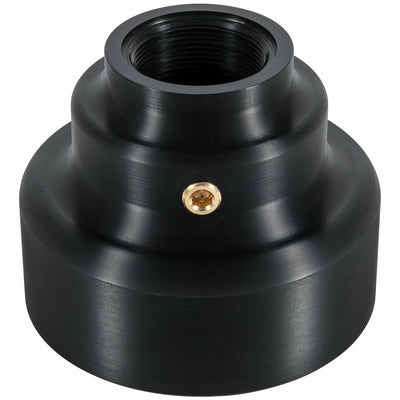
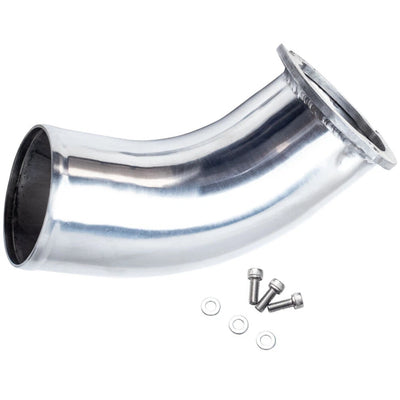
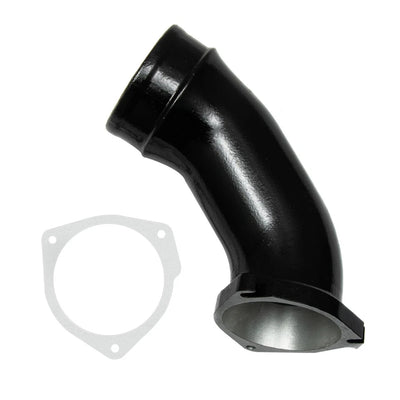
- Intake horn or air intake elbow: The new LB7 intake horn replaces the factory inlet, which is too restrictive, for better throttle response and turbo spool.
- Intercooler pipe upgrade: Replaces weak factory plastic pipes to reduce splits and leaks with LB7 intercooler upgrade.
- Boost increase valve: Assists wastegated turbos to develop efficient mid-range boost before the wastegate opens.
The increased airflow will result in faster spool, less system strain, and lower towing EGTs.
Emissions & Exhaust Performance Upgrades
Reduced exhaust backpressure means less thermal stress on the entire engine.
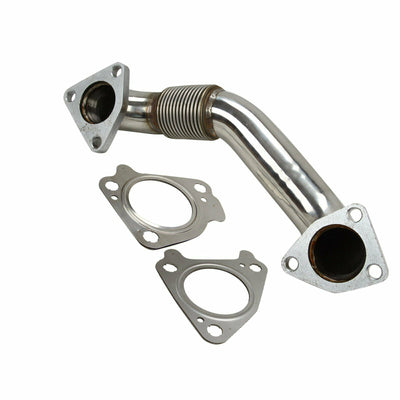
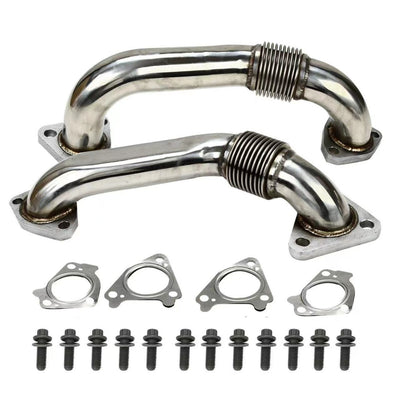
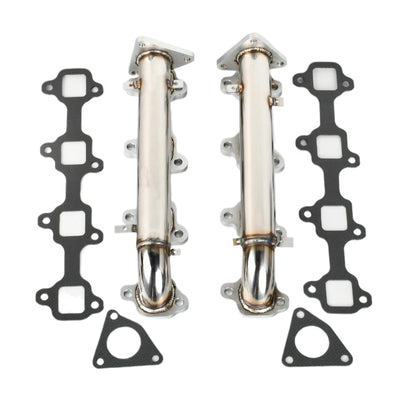
- Up-pipe upgrade: Replaces units prone to cracking while maintaining boost pressure.
- Downpipe upgrade: Removes the crimped factory outlet so heat sheds faster.
- Manifold header upgrade: Heavy-duty cast manifolds resist warping under towing heat.
Reducing backpressure directly with LB7 exhaust increases turbo efficiency and EGT control.
Tuning & Fuel Management Upgrades
These enhancements provide you with control of power and fuel delivery.
- SOTF switch: Instantly switches between Eco, Tow, Street and Race modes. This is particularly useful for adapting shift points and fueling parameters to the current load, whether hauling heavy or daily driving.
- Fuel filter delete/bypass kit: Allows the flow of fuel through the factory housing when a lift pump is fitted.
These LB7 fuel system upgrades are warranted after replacing the injectors or when installing a lift pump.
Integration Best Practices
These modifications are most effective as a synchronized system upgrade. When planning these installations, keep the following in mind:
Electronic Calibration: Always ensure your tuning platform is updated to support your specific injector flow rates. Proper calibration prevents the potential for lean conditions or excessive rail pressure spikes that can occur when adding mechanical flow without corresponding software adjustments.
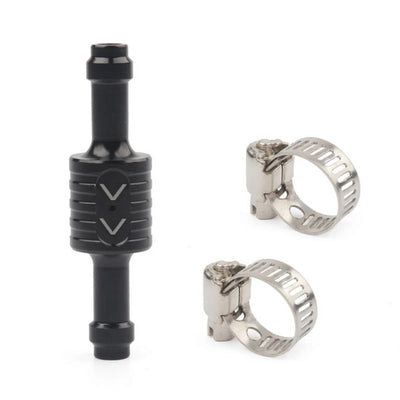
Sealing and Pressure Integrity: When upgrading your fuel system components, verify that all sealing units, such as Fuel Rail Plug Valves, are properly rated for the increased pressure demands of your performance configuration to maintain system stability.
For a deeper dive into the specific tuning configurations that pair best with these hardware upgrades, see our detailed guide: Best Duramax Tuners.
Engine Hardware Upgrades for Leak Prevention
If small leaks are not addressed, they can become larger mechanical issues.
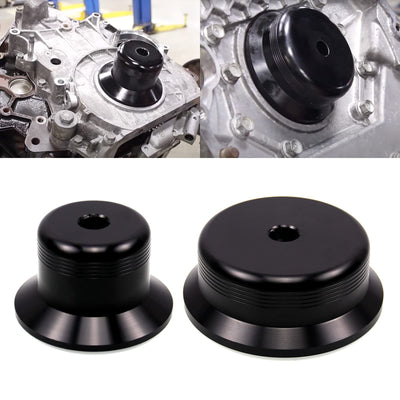
- Crankshaft seal upgrade: Heavy-duty seals resist diesel vibration and oil weeping.
A small leak in the oil can lead to oil pressure loss and contamination in the long run. Early repair saves the entire engine.
Data on Benefits of these LB7 Upgrades
|
Upgrade
|
Airflow / EGT Improvement
|
Reliability Gain
|
|---|---|---|
|
Intake Horn
|
+32% volume
|
Better spool
|
|
Up Pipes
|
-120F EGT
|
Less stress
|
|
Lift Pump
|
Stable rail psi
|
Injector life +50%
|
Buyer's Strategy Guide: Best LB7 Recommendations for Application
For reliability, focus on lift pumps and cooling. Towing needs airflow and exhaust. Tuned trucks require full fuel support and SOTF after basics.

Plan your upgrade based on how you are using your truck.
- For reliability: Intercooler pipe, up pipes, crankshaft seal, and fuel system lift pump.
- For towing: Intake horn, up pipes, manifold header, down pipe, and cooling support mods.
- For boost control: Intercooler pipe, boost increase valve, and a high-flow intake horn.
- For tuned trucks: SOTF switch, intercooler pipe, downpipe, and fuel system support parts.
Recommended Upgrade Combination for a Dedicated Towing Rig
- The Priority Combo: High-flow intake horn, cast manifold header, and up pipes are a priority for a towing rig.
- Why This Combo Makes Sense: This combination increases airflow, reduces back pressure, and lowers towing EGTs considerably.
- When to Add Supporting Mods: Install intercooler pipes, downpipes, or SOTF tuning after the truck is mechanically sound.
LB7 Duramax Problems Diagnosis & Maintenance Checklists
Follow our diagnosis checklist: fuel in oil check, prime test, cooling inspection, balancer watch, boost leak hunt, and scan tool review.

Use this checklist to identify LB7 issues before they become a big repair job.
Diagnosis checklist:
- Look for fuel in oil (increasing oil level on dipstick).
- Prime the fuel system and check for loss of prime.
- Check the cooling system for leaks and heat stress.
- Check the harmonic balancer for wobble at idle.
- Check for leaks and factory restrictions on boost.
- Check for codes, injector balance rates, and rail pressure problems.
Prevention checklist:
- Regularly change fuel filters and check fuel quality.
- Prevent air intrusion before it looks like an injector failure.
- Maintain a clean and efficient cooling system.
- Check the harmonic balancer as part of regular maintenance.
- Towing season is approaching, and it is time to improve poor airflow and exhaust restrictions prior to the season.
- Address mechanical issues before performance mods.
Is the LB7 a Good Engine? Is It Still Worth Buying?
The LB7 is a good engine for informed buyers who budget for injector work and add lift pumps. Check service history, compression, and recent repairs. Upgraded examples command premium prices.

When an LB7 Is a Good Buy?
Yes, the LB7 is still a good value when properly maintained and inspected. It pays off for the owners who are proactive in addressing known weak points.
What to Check Before Buying a Used LB7?
Request maintenance records. Service records are clean, injector work is documented, and there are no active coolant or oil leaks. Self-priming fuel system. Check the dipstick for fuel dilution. Check the balancer for wobbling.
Good buys show a recent injector set, a lift pump installed, a clean cooling system, and records of balancer and suspension work. We value them higher post-fixes, so test-drive for smoke, power, and noise before committing.
Which Repairs Matter More Than Performance Mods?
Mods are always secondary to more important repairs. Injectors, fuel filter head seals, cooling system health, and balancer condition are always first.
When an Upgraded LB7 Is Worth More: Check for reliability improvements, not just power mods. These trucks have a higher resale value.
Red flags in modified trucks: Aggressive tuning with no supporting mods, unknown injector history, or signs of past overheating.
LB7 Problems vs. LB7 Upgrades: What Should You Fix First?
Fix injectors, air leaks, cooling, and balancer before any upgrades. Then add reliability-supporting mods like pipes and manifolds. Power-focused items last.
Solve mechanical problems before looking for additional power. Failure to follow this order may lead to further damage.
Repairs to handle first:
- Injectors
- Air leaks in the fuel filter head
- Cooling system leaks
- Harmonic balancer failure
Upgrades That Actively Support Reliability
- Intercooler pipes
- Up pipes
- Manifold header
- Crankshaft seal
- High-flow intake horn
Upgrades That Make Sense Only After the Truck Is Healthy
- SOTF switch
- Boost increase valve
- Fuel filter delete and bypass kit.
- High-flow downpipes
FAQs
How many years will an LB7 Duramax last?
With proper maintenance and timely repairs, an LB7 can last for 300,000 to 500,000 miles.
What causes fuel in the oil on an LB7?
Yes, worn or cracked injectors do leak diesel fuel into the crankcase, which causes the oil to become diluted over time.
Why does my LB7 overheat when towing?
Without inspection, it is not possible to tell, but it is typically caused by a worn water pump, clogged radiator, or small stock cooling capacity under load.
How do I know if my LB7 injectors are bad?
Yes, rough idle, white smoke, hard starts, increasing oil levels, or fuel smell in oil. The injector balance rates over 4 mm3 (outside the -4 to +4 range) flag injector wear, and rail pressure dropping below 4,000 psi at idle points to fuel delivery trouble.
Is a boost increase valve safe on an LB7?
Yes, if combined with airflow mods to manage EGTs and within the safe tuning range.
Which LB7 upgrades help lower towing EGTs?
Yes, all up pipes, down pipes, intake horn, intercooler pipes, and a manifold header will help to reduce exhaust backpressure, lower heat and improve flow.
Can a bad fuel filter head mimic injector failure?
Yes, air intrusion will result in hard starts and hesitation that are very similar to injector symptoms.
Why does my LB7 blow white smoke on cold starts?
Yes, this is typically an indicator of leaking fuel into the cylinders from failing injectors during cold starts.
What causes harmonic balancer wobble on an LB7?
Yes, the rubber isolator in the balancer does deteriorate over time and with vibration.
Are intercooler pipes worth upgrading on an LB7?
Yes, factory piping can split when boosted, which can lead to loss of power and leaks. The intercooler pipe upgrades prevent boost leaks and maintain consistent performance.
Does the LB7 Duramax have a factory lift pump?
No, the LB7 uses only the CP3 pump to draw and pressurize fuel.
When does a fuel filter delete and bypass kit make sense?
Yes, after installing a good aftermarket lift pump with good filtration for optimized flow.
What is the best first upgrade for a towing-focused LB7?
Yes, use a chassis-mounted lift pump with enhanced filtration.
Should I repair injector problems before adding tuning?
Yes, always repair LB7 injector problems first to prevent further damage from fuel problems. Tuning stresses weak injectors further.
Do up pipes and manifold headers improve reliability or just performance?
Yes, both increase LB7 reliability by reducing EGTs, backpressure, engine stress significantly and increase performance.
Conclusion
The LB7 is still one of the most respected early Duramax platforms. When well cared for, it can travel 300,000 to 500,000 miles due to its simple design and mechanical strength.
Key takeaways:
- The largest expense is the cost of the injectors.
- Air intrusion is a frequent but frequently overlooked problem.
- Cooling problems and head gaskets are never to be overlooked.
- Balancer wobble needs immediate attention to avoid major damage
By knowing how to solve LB7 problems, you can ensure that your Duramax will run for years. Do mechanical maintenance and repair work before looking for horsepower. This legendary engine is then transformed into a reliable and efficient workhorse with clean airflow and exhaust upgrades.
We position EGR Performance as the best, most reliable choice for LB7 performance parts and expertise to conquer these diesel challenges effectively. Prioritize fixes, add smart upgrades, and enjoy your LB7 for hundreds of thousands of trouble-free miles.