



The P0403 code is the computer losing electrical contact with the EGR valve's solenoid, the circuit going open or short, the control wire that should be commanding the valve suddenly reporting nothing believable. This is the purest electrical complaint in the EGR family: the valve may be spotless, the passages clear, the pintle free, and the code still fires because the wiring or the solenoid coil itself has failed. That distinction saves and costs money in equal measure, because the owner who cleans a valve to fix an electrical fault wastes an afternoon, while the one who tests the circuit first often finds a twenty-dollar pigtail or a blown fuse and drives away the same day.
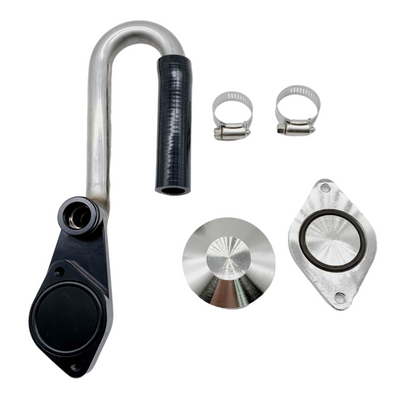
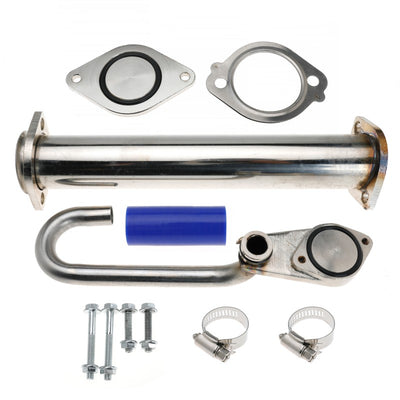
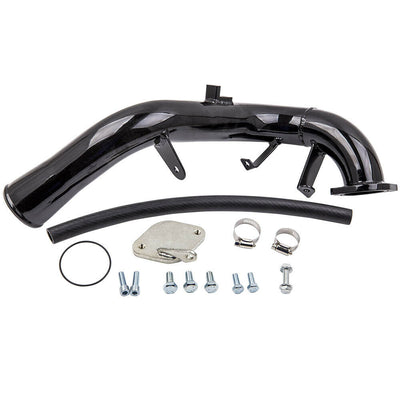
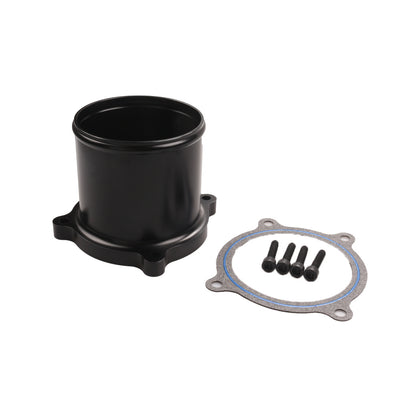
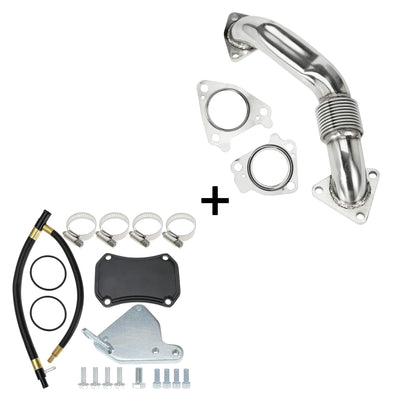
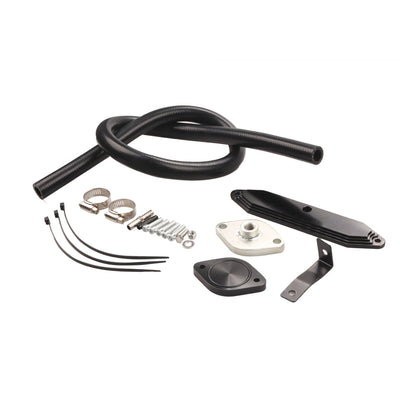
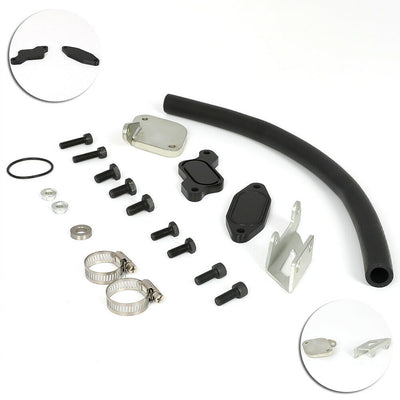
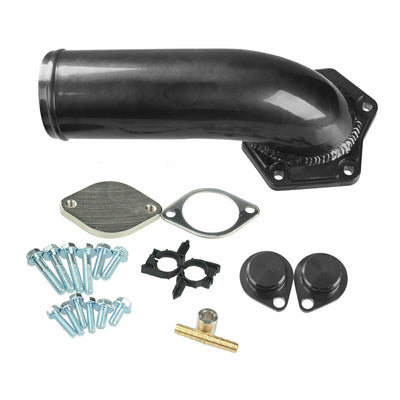
This guide decodes the fault, sorts the causes, walks the multimeter sequence, and names the platforms where the solenoid itself is the known weak link, with EGR valves delete kits for the branch that ends in parts.
Table of Contents
Key Takeaways
- The meaning: the EGR valve solenoid's control circuit has gone open or short, the computer unable to drive the valve electrically regardless of its mechanical condition.
- The distinction: P0403 is electrical, not flow, not carbon, not position, the forum wisdom confirming that a spotless valve can throw it all day because the fault lives in the coil or the wire.
- The leading cause: a failed solenoid inside the valve assembly, particularly on the Ford 5.4 Triton, Nissan diesels, and VW platforms where the internal coil is the documented weak link.
- The cheap impostors: wiring damage, corroded or bent connector pins, and a blown fuse feeding the circuit, the three electrical faults that mimic a dead solenoid at a fraction of the price.
- The multimeter sequence: check the fuse, verify the connector, measure the solenoid's resistance against spec, and confirm the ground and control wires, the four steps that identify the failed layer without buying anything.
- The trap: the code that survives a new valve means the harness, the ground, or the power feed was the fault all along, the pattern the Allpar threads document in owner after owner.
What the Code Means
The EGR valve on every modern engine is commanded electrically, a solenoid inside the assembly receiving a signal from the computer and moving the pintle in response, and P0403 reports the loss of that electrical conversation. The code covers both directions of failure: an open circuit, a broken wire or burned coil that stops current entirely, and a short, insulation failed to the point current flows where it should not, the electrical fault the owner threads confirm when a pristine valve still throws it. It is the circuit-level sibling of the family, more fundamental than P0405's signal-drift complaint, and it outranks the flow codes in diagnostic priority because nothing downstream can be tested until the electrical connection is restored.
When the Circuit Leads Back to the Valve
EGR valve assemblies with their integrated solenoids, the gaskets for the swap, and the off-road delete route for trucks that legally qualify.
The Symptoms
- Check engine light, often alone: the electrical loss may produce no drivability complaint at all if the system simply runs without recirculation, the light the only messenger.
- Rough idle and hesitation: the engine running without the EGR flow the calibration expects at part throttle, leaning toward the symptoms of a disconnected system.
- Pinging under load: combustion temperatures climbing past the fuel's comfort zone without the cooling effect of recirculated exhaust.
- Failed emissions: the stored code an automatic inspection failure regardless of how the truck drives.
- Economy drift: the computer fueling around a valve it cannot command, the quiet wallet cost of open-loop guessing.
The Causes, Ranked
- Failed solenoid inside the valve: the internal coil burning open or shorting, the documented weak link on the Ford 5.4 Triton, the Nissan YD25 diesel, and several VW platforms where the assembly replacement is the typical fix.
- Wiring damage: chafed insulation against brackets and manifolds, rodent damage, or heat-brittle harness in the valve's hot neighborhood, opening the power or control path.
- Connector faults: loose, corroded, or bent pins at the EGR connector, the ten-minute inspection that catches the impersonator before the wallet opens.
- Blown fuse: the circuit's fuse sacrificing itself to a momentary short, the cheapest fix in the catalog and the easiest to skip in the diagnosis.
- PCM fault: the rare closer, the computer itself unable to drive the circuit, blamed only after every wire and the solenoid test within spec.
The Multimeter Sequence
The order that finds the fault without buying a part:
- Check the fuse first. The EGR circuit's fuse in the panel takes ten seconds and costs a dollar to replace, the cheapest fix that clears these codes when the momentary short is gone.
- Inspect the connector. Pull it at the valve and look: green pins, bent pins, or a lock tab gone lazy, each produces the open circuit the code reports, and each is a connector repair rather than a valve.
- Measure the solenoid's resistance. Across the valve's electrical pins, the coil should read within the service spec, typically a few tens of ohms; an infinite reading is the burned-open coil, a zero is the shorted one, and either condemns the assembly.
- Verify the power and ground. With the connector off and the key on, the feed pin should carry battery or reference voltage, and the ground path should show continuity back to the chassis or the PCM, the two checks that catch the harness faults hiding behind a dead valve.
- Clear and verify. The code that returns after the electrical layer tests clean is the system asking for the PCM-level diagnosis, the step that arrives last and costs most.
When the Code Survives a New Valve
The trap deserves its own section because it catches owners in a predictable sequence: the code fires, the valve tests or looks bad, a new assembly goes in, and the code returns because the harness was the criminal all along. The Allpar thread on exactly this pattern walks the fix: back to the connector, back to the ground, back to the power feed, the wiring inspection that should have preceded the part. The lesson is the multimeter sequence above, run completely before and after any replacement, because a new valve installed into a shorted harness merely becomes the next victim of the same fault.
The Family Codes
P0403 anchors the electrical end of the EGR code family: P0405 and P0406 are the position sensor's signal drifted low or high, reporting layer faults rather than control loss; P1404 and P1406 are the pintle-position performance faults our guides own; and P0401 and P0402 are the flow-side complaints, insufficient and excessive respectively. The family discipline is consistent: identify which layer is lying, circuit, sensor, valve, or flow, and fix that layer rather than the part the loudest thread recommends. P0403's answer is usually the simplest, a solenoid, a wire, or a fuse, but only the multimeter knows which.
FAQ
What does the P0403 code mean?
The EGR valve solenoid's control circuit has gone open or short, the computer unable to drive the valve electrically regardless of its mechanical condition.
Is it carbon or electrical?
Electrical, full stop: a spotless valve with clear passages throws this code all day when the coil or the wire has failed, and cleaning it is an afternoon spent on the wrong layer.
Can I drive with it?
Usually, with the light, a possible emissions failure, and the risk of pinging under load as the recirculation sits dead instead of flowing.
What should I check first?
The fuse, the connector, and the solenoid's resistance, in that order: the three checks cost nothing and identify the failed layer before any part enters a cart.
Why did the code return after I replaced the valve?
Because the wiring, ground, or power feed was the fault all along, the trap the forums document: the new valve installed into the same shorted harness meets the same fate.
Which platforms fail most?
The Ford 5.4 Triton, Nissan YD25 diesels, and several VW platforms carry the documented solenoid-failure pattern, making the assembly replacement the expected fix there.
How is P0403 different from P0405?
P0403 is the control circuit lost entirely, the valve undriveable; P0405 is the position sensor's signal drifted low, the valve drivable but misreported, a layer less severe and a diagnosis less urgent.
The Verdict
P0403 is the multimeter's code: fuse, connector, resistance, ground, in that order, and the failed layer names itself before the wallet opens. The EGR bypass kits cover the branch that ends at the assembly, with the off-road route's legality in the fine print where it lives.


