




Learning how to remove carbon buildup starts with one uncomfortable truth: the deposit you can see is usually the deposit you chose, because carbon is baked oil mist and soot, and the engine either burned it slowly or recirculated it on purpose. On a gasoline direct-injection car the crud lands on the intake valves, where fuel never washes. On a diesel it cakes the intake and the EGR valve, because the system feeds its own exhaust soot back through the manifold.
This guide walks the removal ladder from a 20 dollar spray session to walnut-shell blasting, separates the methods that work from the bottles that cannot, and ends with the prevention hardware that keeps the job from coming back. When you get to the prevention step, a baffled oil catch can is the piece that pays for itself.
Table of Contents
Key Takeaways
- Where it lands: on direct-injection gas engines, the intake valves; on diesels, the intake runners and EGR valve; on any tired engine, the piston crowns and throttle plate.
- Why: crankcase vapors and EGR soot enter through the intake, and with no fuel washing the surfaces, heat bakes them into hard black deposits.
- The ladder: induction spray cleaner first, solvent soaks and picks second, walnut-shell blasting when the deposits are thick, and intake removal on caked diesels.
- The costs: an EGR valve clean runs an hour or two with under 20 dollars in supplies; professional blasting runs roughly 300 to 900 dollars, with forum bills as high as 899 dollars plus coils.
- The frequency: direct-injection European engines are blasted every 40,000 to 50,000 miles by specialists; the wider forum consensus lands at 60,000 to 100,000.
- The myth: a fuel-tank additive cannot clean GDI intake valves, because the fuel never touches them. Tank bottles clean injectors and combustion chambers, not valve stems.
- The prevention: a baffled, regularly drained catch can, disciplined oil top-ups, and occasional highway heat slow the cake to a crawl.
What Carbon Buildup Is and Where It Lands
The deposit itself is no mystery. It is oil mist and combustion soot that entered the intake air, hit hot metal, and polymerized into a hard black crust. The landing zones are predictable. On gasoline direct injection, the injectors fire straight into the cylinder, so the intake valves sit in dry, hot air and collect everything the crankcase ventilation system sends up. Scotty Kilmer's walkthrough on a 150,000-mile Kia puts it plainly: on an older port-injection car the fuel "is actually a very good solvent" that scrubs the valves, but on GDI "no fuel ever touches the inside," so the PCV oil mist burns on instead. Volkswagen engines earn a special mention, with deposits reaching a quarter to a half inch thick on the valve stems.
Two quieter landing zones matter too. Port-injection engines that burn oil still cake their piston crowns, the failure a borescope inspection caught on one non-GDI engine in Nate's Interactive Auto's testing, where modest oil consumption still damaged a crown over time. And the throttle plate collects its own soft black film on both fuel systems, the deposit our throttle body cleaning guide covers in detail.
Stop the Next Layer Before It Bakes
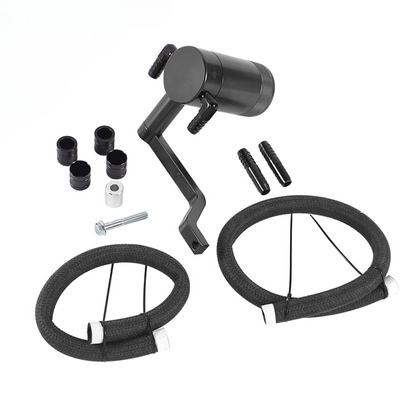
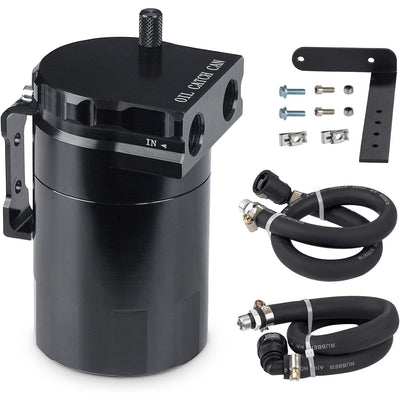
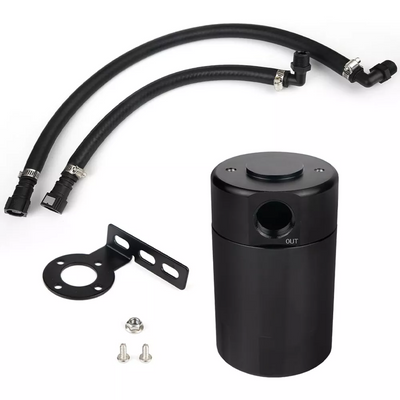
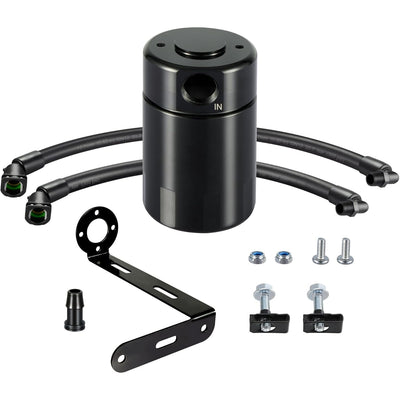
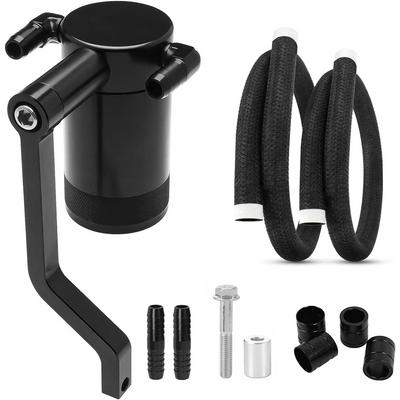
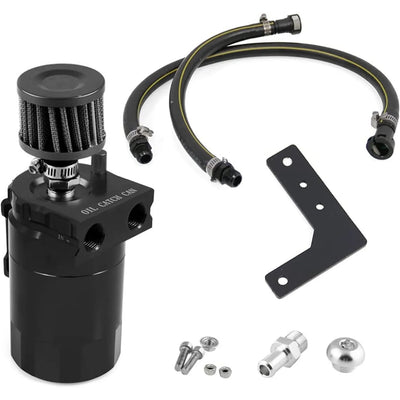
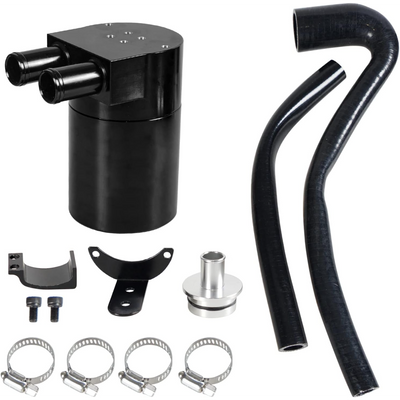
Removal is a job; prevention is a part. A baffled separator pulls oil mist out of the crankcase ventilation stream before it reaches the intake valves and runners, stretching the interval between cleanings.
Why It Forms: Oil Mist, Soot, and Heat
Every engine pumps blow-by gases past the rings, and emissions law says those vapors must be burned rather than vented. So the crankcase ventilation loop routes them into the intake, carrying a fine oil mist. Add an EGR system, which the diesel world met first and hardest, and the intake also receives a measured slice of its own exhaust. The soot acts like glue, the oil acts like varnish, and intake heat cures the mix into the crust you are scraping later. The deeper story of that recirculated exhaust stream belongs to the EGR system itself: the same device built to cut NOx output is the device feeding your intake its soot.
Confirm It First: Symptoms, Fuel Trims, Borescope
The symptoms overlap with a dozen cheaper problems, so confirm before you clean:
- Rough cold idle and light misfires that smooth out as the engine warms, the classic valve-stem deposit signature.
- Hesitation and lost power when the cake grows thick enough to choke airflow at low lift.
- High long-term fuel trims, the number a scan tool reads while the computer chases a lean condition the deposits helped create. On the Kia in the video below, cleaning took long-term fuel trim from around 14 to 15 percent down to about 3 percent.
- Borescope proof, the honest final word. A camera through the intake port shows the valves directly, and through a spark plug hole shows the piston crowns.
Scotty Kilmer cleans a GDI engine's valves with an induction spray: the brake-booster hose feeds the cleaner, a 10 to 15 minute soak does the work, and the fuel trims tell the truth afterward.
The Removal Ladder: Sprays, Soaks, Walnut Shells
How to remove carbon buildup is a ladder question: match the method to the thickness, not the marketing.
- Induction spray cleaner. A valve-cleaner aerosol fed into a vacuum source, classically the brake booster hose, engine running, accepting the stall, then a 10 to 15 minute soak and a smoky restart. The smoke is carbon burning off; a rebuilt engine that barely smokes was barely dirty. Budget an afternoon and a can.
- Solvent soak and picks. With the intake off, soak each valve in a carbon solvent for hours, then work the crust with brass picks and brushes. Slower than blasting, cheaper, and entirely driveway-scale.
- Walnut-shell blasting. The gold standard for direct injection: crushed shells carried by compressed air, each cylinder held at top-dead-center with valves closed, a shop vacuum catching the media. Specialists such as FCP Euro's Mk7 GTI walkthrough show the full procedure, and the same store sells the wand, adapters, and media for home use.
- Manual scraping and media on the diesel intake. When the runners themselves are caked, the horn and manifold come off and the soot is removed mechanically, addressed in the next section.
The shop math is consistent across owner forums: r/mazda3 owners report about 100 dollars per cylinder, a GTI owner on r/VWMK7 paid 899 dollars plus 400 for coil packs done at the same time, and a Subaru owner's dealer quote bundled with an air-oil separator and plugs reached roughly 1,400 dollars. Most independent shops land between 300 and 900 dollars for the blasting alone, in a two-to-four-hour job.
The Diesel Side: EGR Valves and Soot-Caked Intakes
Diesels add a second, heavier problem. The EGR valve, the recirculation piece our EGR system explainer covers in full, meters exhaust back into the intake, and its pintle and passages carbon up until it sticks open or shut, while the intake itself cakes with the soot-and-oil sludge that CCV vapors bind together. The cleaning sequence the guides teach: remove the valve, chip and brush the carbon from the pintle and bore with picks and solvent, verify the diaphragm and electricals still work, and replace the valve when it refuses to seal.
NAPA's EGR cleaning guide covers the hand tools; budget an hour or two and under 20 dollars in supplies for a valve that is salvageable.
Fleet maintenance literature reaches the same conclusion at scale, treating EGR system upkeep as the front line of carbon control in hard-working diesel engines, as Fleet Maintenance's EGR guide documents.
Owners who already deleted face the after-cleaning question the Cummins forum threads ask most: what clears the leftover soot in the intake horn and runners. The forum consensus is mechanical cleaning when the manifold is off, and solvent-based soakers as the partial answer when it is not.
Prevention That Actually Works
Removal is a one-time win; these are the recurring ones:
- A baffled, drained separator on the PCV line. It pulls oil mist out before it lands, and the baffling is not optional, as the testing channel behind the piston-crown video put it: "please do not use one that isn't baffled."
- Oil discipline. An engine that burns a quart every few thousand miles is spraying the raw material of carbon buildup into its own intake. Fix leaks, keep levels right, and use an oil the manufacturer actually specifies.
- Regular runs at temperature. Short trips never cook the moisture and fuel out of the oil, and the intake never gets hot enough to stay dry. Highway heat is free prevention.
- Induction cleaner on interval. Direct-injection owners who spray a quality valve cleaner every few thousand miles, the interval the cleaner maker states, keep the light crust from becoming the blasting candidate.
- Where deletes fit. Removing the EGR system eliminates the recirculated soot, which is why race trucks do it, but delete hardware is for off-road use only and tampering with emissions controls on a registered vehicle carries fines and failed inspections. The street-legal answer remains the separator and the maintenance above.
- Run the can right. Baffled, sized for the engine, and drained before it fills, it starves the deposit of its binder; the full case, including how the can sits in the ventilation loop, is in our oil catch can benefits guide.
FAQ
How much does it cost to remove carbon buildup?
An induction spray can and an afternoon handle light valve deposits for tens of dollars. Professional walnut blasting runs roughly 300 to 900 dollars, with about 100 dollars per cylinder the common shop rate and bundled dealer bills reaching 1,400 dollars when plugs and other work ride along.
Do fuel-tank additives actually work?
Not on the intake valves of a direct-injection engine. Tank additives travel the fuel line into the cylinder and never touch the valve stems, which is exactly where the deposits live. They help injectors and combustion chambers, and induction sprays fed through a vacuum hose are the bottle-based method that does reach the valves.
How often should intake valves be cleaned?
European specialists such as FCP Euro suggest walnut blasting every 40,000 to 50,000 miles on direct-injected VW, Audi, and BMW engines. The wider owner consensus stretches that to 60,000 to 100,000 miles, with symptoms, not mileage, the better trigger.
What are the symptoms of carbon buildup?
Rough cold idle, random light misfires, hesitation under load, lost power, and elevated long-term fuel trims are the usual signals, confirmed with a borescope through the intake port or a camera down a spark plug hole.
Can I walnut blast my own valves?
Yes, with the right kit. The job needs the intake manifold off, each cylinder held at top dead center with valves closed, a blasting wand with adapters, crushed-shell media, compressed air, and a shop vacuum to recover the shells. Home kits cost a fraction of one shop visit.
Will an EGR delete stop the deposits?
It removes the soot source that EGR recirculation feeds the intake, and that is a real effect. It is also emissions tampering on any registered vehicle, legal for off-road and competition use only, and the fine and inspection-failure risks belong in the decision, not just the benefit.
Is a catch can real prevention?
It removes most of the oil mist before the intake sees it, which starves the deposit of its binder. A baffled can, drained before it fills, slows carbon buildup dramatically on both gas and diesel engines; nothing short of deleting the vapors entirely stops it completely.
Is the buildup actually hurting the engine?
Left alone, yes. Valve deposits choke airflow and hold heat, crowns with heavy cake can suffer damage as the deposit glows and pre-ignites, and a stuck EGR valve drives drivability faults and failed emissions tests. It is a maintenance item, not a cosmetic one.
The Verdict
The honest way to remove carbon buildup is a ladder, not a product. Confirm the deposit with a borescope or fuel trims, start with an induction spray if the crust is young, blast it with walnut shells when it is thick, and give the diesel's EGR valve and intake their own patient afternoon.
Then change the arithmetic: a baffled catch can in the ventilation loop, oil kept honest, and highway heat on the calendar turn a recurring four-figure cleaning into a rare one. Your valves and your fuel trims will tell the story. Prevention starts with our oil catch can kits.
For dedicated off-road builds, farm machinery, and competition trucks looking to eliminate intake soot contamination permanently, complete hardware bypass is the ultimate solution. Explore our precision-engineered EGR delete kits to stop carbon buildup at the source.


