


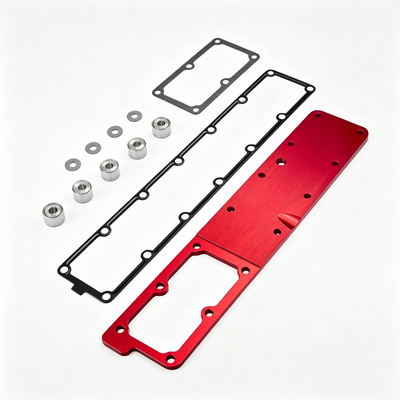

A grid heater delete on the 6.7 Cummins replaces the factory intake heater with a high-flow block-off plate, and the install is an honest half-day: intake horn off, fuel rail set aside, heater out, plate in with new gaskets, everything back to torque. The reasons owners do it stack in a specific order: the heater sits directly in the intake airflow on every mile whether cold or hot, its mounting hardware carries the platform's most feared failure mode, a fastener loosening and dropping into the engine, and the plate opens the passage the element obstructed. The trade is equally specific, since the element exists for cold starts, and owners in real winters read that paragraph twice.
This guide walks the install step by step, the benefits in honest terms, the cold-weather decision, and the free alternative nobody mentions enough, with plates in the 6.7 Cummins grid heater delete collection.
Table of Contents
Key Takeaways
- The job: intake horn off, fuel rail lines opened per the sequence, heater plate out, delete plate in with fresh gaskets, reassemble to torque, roughly a half day with hand tools.
- The airflow case: the heater lives in the intake path full time, and the plate opens that passage; EGT relief is the modest, honest benefit.
- The fear it retires: loosening heater hardware dropping into the engine is the platform's most expensive known failure, and the delete removes the hardware from the story.
- The cold trade: the heater exists for cold starts, and deleting it in hard-freeze climates means longer cranks, white smoke, and raw fuel until things warm.
- The free alternative: unhitching the heater's relay disables it electrically for nothing, though the obstruction and the hardware stay in place.
- Fitment: most plates list 2007.5 through 2018; newer trucks carry layout changes worth confirming before ordering.
What the Grid Heater Does and Why It Goes
The heater is an electric element sitting directly in the intake tract, heating the incoming air on cold starts so the first compression strokes can light the fuel. It works, and it has worked on Cummins pickups for decades, which is exactly the tension: the part does its job on a handful of freezing mornings and then spends every other mile as a metal grid obstructing airflow and a set of fasteners living in the hottest vibration in the valley.
The case for the plate is the combination of those two facts. The obstruction is modest but permanent, a wire grid in the charge path year-round, and the hardware is the part owners actually fear: the heater's mounting bolts loosen with heat cycling on some trucks, and a bolt that lets go has a short, catastrophic commute into the cylinders. The delete plate answers both with one billet piece, opening the passage and removing the loose-hardware scenario from the engine's future.
Delete Plates and Kits
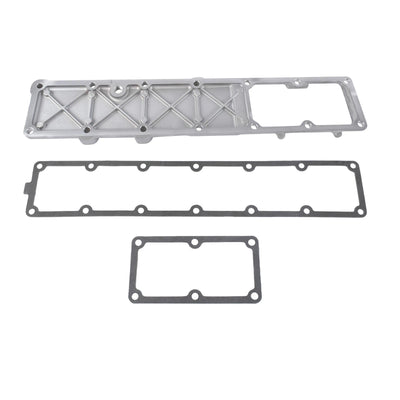
Grid heater delete plates and kits for the 2007.5 to 2018 Ram 6.7 Cummins, in the 6.7 Cummins grid heater delete collection. Order the gaskets with the plate; the job opens them either way.
The Install, Step by Step
The sequence below follows the community install guides, including the detailed write-ups the forums have refined for over a decade. Work on a cold engine with the batteries disconnected, and stage the fuel line tools before the first bolt turns.
- Disconnect the batteries and remove the intake tube and air horn, exposing the heater and the fuel rail above it.
- Open the fuel system per the service sequence, the CP3-to-rail line and the injector lines on the guides' order, capping every opening against debris.
- Remove the fuel banjo bolt and set the rail aside with its lines secured and clean.
- Unbolt the heater from the intake, working the fasteners loose evenly and noting their condition.
- Clean both sealing surfaces, the intake's and the plate's, to bare metal where the gaskets land.
- Transfer or install the intake air temperature sensor into the delete plate where the design provides for it.
- Install the plate with new gaskets, torquing to the kit's specification in the prescribed pattern.
- Reassemble the fuel system with fresh sealing washers, torque every connection, and reinstall the horn and tube.
- Prime, start, check for fuel and air leaks, and clear any codes the unplugged heater circuit asks about.
The guides' one shared warning is cleanliness: the fuel system opens in this job, and a speck of debris in an injector line costs more than every tool in the box.
The Benefits, Honestly
The airflow benefit is real and modest. The plate removes a permanent obstruction, the intake flows a little freer, and owners report slight EGT relief and a cleaner running top end.
Nobody measures a class-changing power jump from the plate alone, and the threads promising one are borrowing dyno numbers from the turbo and induction work that usually pairs with it—so if you are already opening up the intake path on an off-road or competition build, matching that plate with a freer-flowing 6.7 Cummins intake horn at EGR Performance is where real air distribution gains start.
The hardware benefit is the one that closes the sale. The loosening-bolt scenario is rare, expensive, and famously documented, and the owners who delete for that reason are buying the retirement of a tail risk rather than horsepower, the same logic that sells head studs to trucks that will never lift a head.
The Cold Weather Decision
The heater's whole job is the first ninety seconds of a freezing morning, and the delete spends that job. In warm climates the trade is invisible; in hard-freeze country it means longer cranks, white smoke at cold start, raw fuel washing the cylinders, and added soot loading the aftertreatment, which is why the honest cold-climate advice splits: keep a heating strategy, or keep the heater. Owners who need both worlds look at the premium options that relocate the heater instead of deleting it, at a price the plate crowd politely declines.
The middle path is the block heater, the cord-and-outlet kind: keep the block warm overnight and the cold-start gap the heater left mostly closes on its own, a solution the trucks already have a port for.
The Free Alternative and the Kit Question
The pros and cons thread contains the sentence that saves some owners the whole project: it can be disabled electrically, relay unhitched, for free. The free route loses the obstruction nothing and the hardware risk nothing, so it is a diagnostic and a lifestyle choice rather than an alternative to the plate's benefits, but owners on the fence about cold weather start there and let a winter decide.
The kit question is smaller than it looks. Plates differ in material, billet against cast, in sensor provisions, and in included gaskets and hardware; the community install guides were written against the classic designs and hold for the current crop. Fitment is the one real question, with most plates listing 2007.5 to 2018 and the newer trucks carrying layout changes worth confirming with the seller first.
FAQ
How long does a grid heater delete take on a 6.7 Cummins?
Roughly a half day with hand tools: horn off, fuel system opened per the sequence, plate swap, reassembly to torque.
Does the delete add horsepower?
Not meaningfully by itself; the honest benefits are slight EGT relief and the removal of the loosening-bolt risk from the engine's future.
Why do owners delete it?
To open the intake passage and to retire the feared failure of heater hardware loosening and dropping into the engine.
Is it safe to delete in a cold climate?
With a plan: expect longer cranks and white smoke in hard freeze, keep the block heater in the routine, or retain a heating strategy.
Can I disable it without deleting?
Yes, unhitching the relay disables it electrically for free, though the obstruction and hardware stay in the intake.
Do I need new gaskets for the delete plate?
Yes, fresh gaskets and the kit's torque pattern are non-negotiable; the surfaces must be clean to bare metal.
Which years do grid heater delete plates fit?
Most list 2007.5 through 2018; the newer trucks carry layout changes, so confirm fitment before ordering.
Does the delete plate need a sensor hole?
Most designs provide for the intake air temperature sensor, transferring it from the heater assembly during the install.
The Verdict
Delete for the airflow if your winters allow, delete it for the hardware if your sleep demands, and keep the block heater cord either way: the plate is a half-day job with fresh gaskets and a clean bench, and it retires a failure mode this engine should never have had. Start in the grid heater delete plates and kits aisle with the gaskets on the order, and let the first cold morning after the install confirm the decision you already made peace with.


