



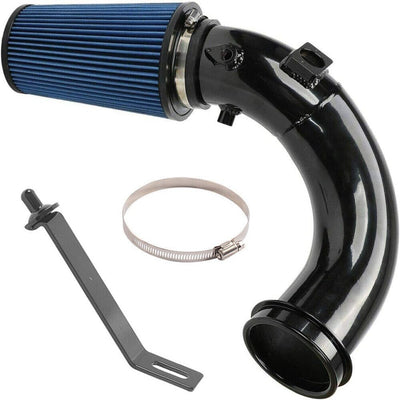
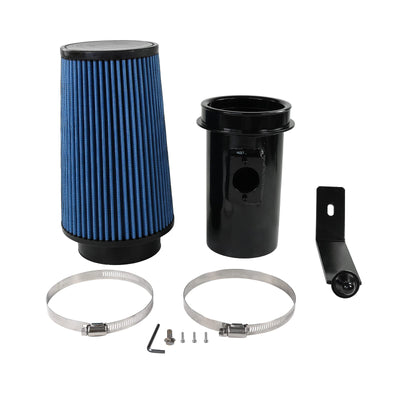
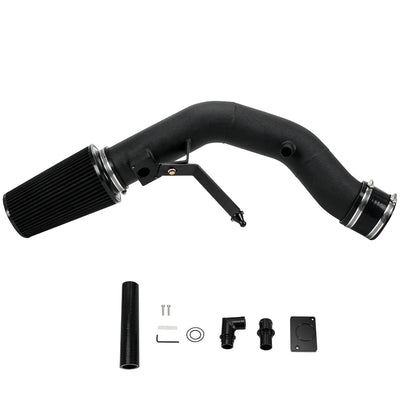

The honest answer is no: a cold air intake does not increase fuel mileage on a modern engine, and the testing record backs that up three ways, with an SAE study that could not measure an MPG difference even between a new and a clogged filter, an owner who fuel-logged three intakes back to back and lost a mile per gallon on the cheap one, and the physics of closed-loop fueling that turns denser air into more fuel, not less.
This guide walks through all three, explains why the mod still feels economical, and shows where real fuel mileage gains actually come from, which on diesel trucks is the tune, not the tube. If you are building the airflow side anyway, the right intake kits are the ones that keep the metering and the cold feed honest.
Table of Contents
Key Takeaways
- [The answer]: No. An SAE diesel study found the fuel economy difference between a brand new and an extremely clogged air filter was smaller than the dynamometer's own margin of error. If a clogged filter cannot measurably hurt MPG, a freer one cannot help it.
- [The fuel log]: A Civic owner tested stock, a cheap open cone, and a CARB-legal intake over full tanks: 30 MPG stock, 29 on the disciplined CARB intake, 26 on the cheap cone. The wrong intake cost four miles per gallon.
- [The physics]: Modern engines run closed-loop fueling that targets a fixed air-fuel ratio. Denser intake air means the computer adds more fuel to match, so the mixture never leans out enough to save anything.
- [The feeling]: Intakes sound faster, and a happier right foot is what actually moves the trip computer. Sound is the most common source of "my MPG went up" reports.
- [The real levers]: Tires, driving style, and on diesels the tune. Documented delete-and-tune data shows roughly 1 to 3 MPG gains on diesel pickups; the intake contributes none of that.
- [The exception that proves it]: On an engine with a genuinely restricted, collapsing, or oil-soaked filter, restoring airflow restores the mileage the restriction stole. That is repair, not upgrade.
- [Buying advice]: Buy the intake for sound, looks, and tuned airflow. Buy economy with a tune and a tire gauge.
The Short Answer: The Testing Record
The engineering channel that dragged SAE filter studies into the intake argument, and whose own instrumented diesel testing could not find an economy change from a freer intake.
Start with the strongest single data point, because it ends most of the argument on its own. In the SAE diesel filter study cited in the video above, researchers ran a diesel vehicle from a brand new filter to a clogged filter to an extremely clogged filter, and the fuel economy change was smaller than the error of the dynamometer doing the testing. That sets the ceiling for what any intake can do for fuel mileage: if the difference between pristine and nearly blocked is unmeasurable, the difference between a factory cold air intake and an aftermarket one is noise.
The physics explains why the study had to come out that way. The whole sales pitch leans on "cooler, denser air," but denser air is only half a sentence:
- Closed loop targets a ratio: a fuel-injected engine holds a fixed air-fuel ratio, around 14.7 to 1 at cruise, and the oxygen sensor reports drift within fractions of a second.
- Denser air means matched fuel: feed the engine denser charge and the computer adds proportionally more fuel to keep the target. More air in, more fuel in, same ratio, same economy.
- The only escape is the driver: using the extra power to hold a higher gear or a lighter throttle saves fuel, and that is a driving-style change wearing an intake badge.
What the factory already did matters too. Modern intake tracts are engineered under exactly the pressures the fuel economy question assumes: emissions certification, corporate average fuel economy penalties, and noise rules. The engineers were already paid to find your MPG.
Buying the Intake for the Right Reasons
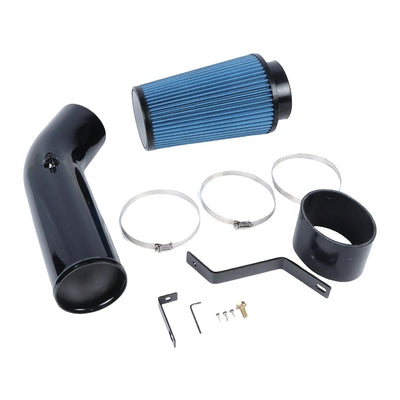
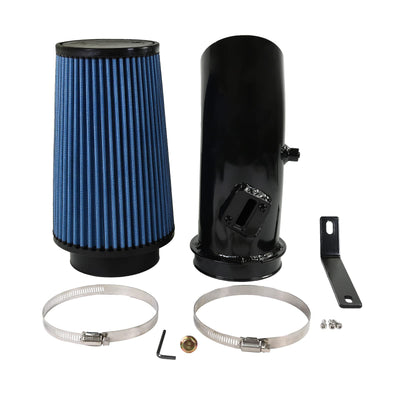
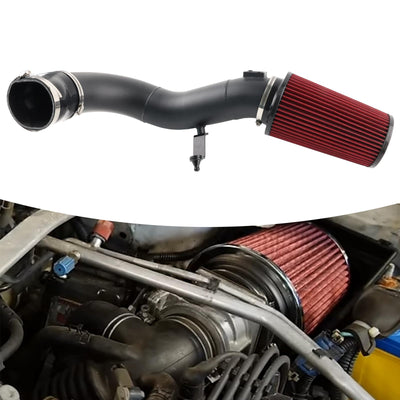
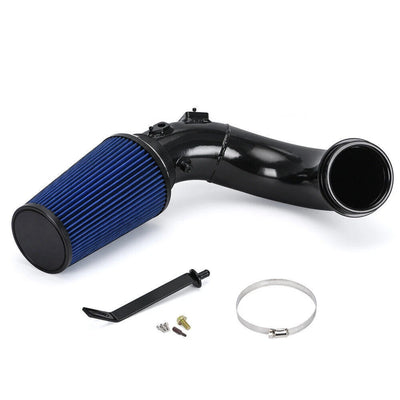
Sound, a clean engine bay, and airflow headroom for a tuned truck are real benefits, and none of them pretend to be fuel mileage. Enclosed, ducted cold air intake kits for Cummins, Duramax, and Powerstroke keep the cold feed honest and the metering untouched.
Shop Cold Air Intake KitsThe Owner Who Fuel-Logged Three Intakes
The cleanest independent test of this question is not a lab, it is a 1990 Civic and a owner with a notebook. Same car, same fill method, three intakes, full tanks:
| Intake | Result | What Differed |
|---|---|---|
| Factory intake | About 30 MPG | Sealed box, metered feed, engineered tract |
| CARB-legal AEM intake | About 29 MPG | Disciplined design that keeps emissions certification |
| Cheap open cone | About 26 MPG | Open pipe, no enclosure, feeds the engine more air than the tune asks for |
Read the spread and the conclusion writes itself. The intake designed to pass California certification, which means designed not to disturb metering or emissions, matched the factory piece within the accuracy of a 30-year-old fuel gauge. The cheap cone lost four miles per gallon, on an economy engine whose whole personality is feeding itself only what it needs. The owner's own summary was refreshingly free of cope: he kept the CARB intake because he likes the sound, not because it saved fuel.
Why It Feels Like It Works
A truck channel's walk through the claims, including the standard promise of better gas mileage "if you keep your foot out of the accelerator," which is exactly where the story hides.
That quoted caveat is doing all the work. Any intake that makes the engine louder and sharper changes how you drive it: the throttle feels crisper, the response feels eager, and most owners unconsciously back off a few percent, which shows up on the trip computer as an economy gain the hardware did not deliver. Swap the intake back and the "gain" follows the foot, not the filter.
The second source of believable reports is repair masquerading as upgrade:
- The restriction was real: a genuinely clogged, collapsing, or oil-soaked filter was making the engine run rich and work hard, and any new intake fixes that.
- The attribution is wrong: the economy returned to normal because the restriction left, not because the cone arrived.
- The trip computer compounds it: reset with any mod installed, it relearns your gentle break-in driving over the first tanks, and the hardware gets the credit.
Where Real Fuel Mileage Gains Live
If the goal is economy, the money goes elsewhere, and on diesel trucks the data is refreshingly concrete:
- Tune and delete work: documented diesel pickup data shows roughly 1 to 3 MPG from an EGR delete with proper tuning, and stock Powerstroke highway numbers around 15 to 18 climbing to 18 to 22 on deleted trucks. That is real, measured, and it comes from the tune. Our EGR delete MPG data guide covers it with numbers.
- Tires and pressure: the government's own fuel economy maintenance list puts proper inflation and the right tires near the top of the no-hardware-required gains.
- The right foot: smooth throttle and cruise discipline beat every bolt-on ever sold for fuel mileage.
- Weight and drag: what is in the bed and what is on the roof moves the number more than what is on the intake.
Notice the pattern: every real lever either changes how much fuel the map demands, how much energy the tires waste, or how the vehicle is driven. The intake does none of those, which is why it never shows up in the fuel log.
The Diesel Angle: Regens and the Right Foot
Diesel owners ask this question with a wrinkle gas cars do not have: regeneration. A DPF-equipped truck burns extra fuel every time it regenerates, so anything that changes regen frequency changes economy. An intake changes nothing there: regens are scheduled by backpressure and soot loading, not by intake temperature or filter brand. What does move diesel economy is the health of the aftertreatment system, the tune's fueling map, and the load in the bed, which is why the delete-and-tune crowd sees the gains and the intake-only crowd sees the same trip computer as before.
There is also an honest truck caveat that mirrors the Civic fuel log. A diesel with a collapsing, ash-packed filter is working harder and fueling richer, and restoring airflow fixes a real problem. That is maintenance restoring stolen mileage, and it is worth distinguishing from an upgrade promising new mileage, because the first one shows up in the log and the second one does not.
What Owners Actually Report
Line up the owner reports by how carefully they measured, and the pattern is blunt:
- Fuel logs and A/B tests: no gain, with the worst results on cheap open cones. The Civic log is the pattern: stock and disciplined intakes tie, sloppy ones lose.
- Trip computer impressions: frequent small gains, always reported right after the install, rarely surviving a second driver or a road trip.
- Tuned and deleted trucks: real gains, correctly credited to the tune by the owners who did both at once and still only count the tuner's number.
For the full picture of what an intake does do, sound, filtration trade-offs, and the tuned-airflow case, our companion guide on what will air intake kits do covers it in depth. This page keeps its scope to the fuel mileage question, and the economy answer is settled. For anyone keeping score at home, that is three independent lines of evidence, a lab study, a pump-measured fuel log, and the fueling logic itself, all arriving at the same number, which is rare enough in this hobby to be worth saying twice.
FAQ
Does a cold air intake increase fuel mileage?
No. SAE testing could not measure an economy difference between a new and a clogged filter, closed-loop fueling cancels the denser-air argument, and owner fuel logs show zero to negative results, with cheap open cones losing the most.
Can a cold air intake improve MPG at all?
Only as repair: if the old filter was collapsed, clogged, or oil-soaked, restoring airflow restores the mileage the restriction stole. On a healthy engine, there is nothing to restore.
Why did my MPG go up after installing one?
Most likely your right foot. A louder, crisper intake encourages gentler throttle, and a reset trip computer relearns your gentle first tanks. Neither is the hardware.
Does a cold air intake save fuel on a diesel?
No. Diesel fuel mileage moves with the tune, aftertreatment health, load, and regen frequency, and an intake touches none of those. The measured 1 to 3 MPG gains on diesel trucks come from delete-and-tune work.
Do any intakes hurt fuel mileage?
Documented: an open parts-store cone lost four miles per gallon on a fuel-logged Civic, feeding an economy engine more air than its calibration wanted.
Is a cold air intake worth it for economy?
As an economy purchase, no: the money buys more MPG spent on a tune, tires, or literally nothing (driving style). As a sound and supporting-mod purchase, it can be worth it for the right truck.
What mods actually improve fuel mileage?
On gas vehicles: tires, pressure, weight, and driving style. On diesel trucks: the tune, with documented delete-plus-tune results around 1 to 3 MPG on pickups.
Does the trip computer count as proof?
Not really. Trip computers estimate from fuel map data, and they reset-and-relearn with any change. Fuel logs from the pump, tank after tank, are the evidence that holds up.
The Verdict
Does a cold air intake increase fuel mileage? The testing record, the physics, and the pump-measured fuel logs all say no, and cheap open cones say worse than no. Buy the intake for what it actually delivers: sound, a sealed cold feed, and airflow headroom for a tuned truck, and put economy money into the tune and tire pressure, where gains are real and documented.
When you are ready to eliminate intake restriction and lower EGTs under heavy load, upgrade your engine bay with an EGR Performance cold air intake kit. Designed with enclosed airboxes and dry-media filters, our kits deliver maximum airflow density for competition and high-demand diesel platforms.


