



The Duramax LMM, 2007.5 through 2010, is remembered as the first Duramax with a diesel particulate filter, and its problem list says so: DPF clogging and endless regens lead every issues guide, EGR carbon buildup follows, and the rest of the list, glow plug failures, low fuel rail pressure with the P0087 code, CP3 pump wear, injector harness chafing, turbo vane sticking, charge-air leaks, and head gaskets on tuned trucks, is the maintenance bill for an engine whose iron stayed strong while its first-generation emissions hardware learned on the job. The honest verdict from the buyer's guides: most of it is preventable or manageable with maintenance and regular highway driving.
This guide ranks the issues, explains each one's symptoms and fix, tells you what to inspect before buying, and separates the dealbreakers from the line items, with the Duramax LMM performance parts the fixes run through.
Table of Contents
Key Takeaways
- [The headline]: The LMM's defining issues are its first-generation emissions equipment, DPF clogging with frequent regens and EGR carbon buildup, not the engine's iron, which stayed durable through the platform.
- [The fuel list]: Low fuel rail pressure, the P0087 code, traces to CP3 pump wear, a weak relief valve, or a clogged filter, and the LMM never had the CP4's catastrophic-failure reputation, a genuine point in its favor.
- [The electrical list]: Glow plug failures are the routine maintenance item, and injector harness chafing is the known wiring fault that mimics injector failure.
- [The airflow list]: Turbo vane sticking from soot and charge-air leaks at boots and clamps show up as soft power and smoke, and both are service items, not sentences.
- [The serious one]: Head gasket failures are real but concentrated on tuned, high-boost trucks, and the stock-pressure record is far kinder, the same tune-first honesty our fuel-system guides carry.
- [The fix philosophy]: Nearly every item on the list responds to maintenance literacy: highway heat for the DPF, cleaning for the EGR, filters for the fuel system, the schedule our DPF maintenance guide documents.
- [The buying stance]: The buyer's guides call most LMM issues preventable: inspect the emissions history first, the fuel system second, and price the rest as line items, not dealbreakers.
The Ranked Issues List
The consensus table across the LMM guides, ranked by how often owners actually meet each problem:
Rank |
Issue |
The One-Line Story |
|---|---|---|
1 |
DPF clogging / frequent regens |
The first-DPF generation learning on short-haul duty |
2 |
EGR carbon buildup |
Soot in the valve and cooler, drivability faults |
3 |
Low fuel rail pressure (P0087) |
CP3 wear, relief valve, or filter, the code says restriction |
4 |
Glow plug failures |
The routine cold-start maintenance item |
5 |
Injector harness chafing |
The wiring fault that mimics injector failure |
6 |
Turbo vane sticking |
Soot-bound variable vanes, soft power and smoke |
7 |
Charge-air leaks |
Boots and clamps weeping boost |
8 |
Head gaskets |
Real, but mostly the tuned-and-boosted crowd |
Duramax Hardware for the Fixes
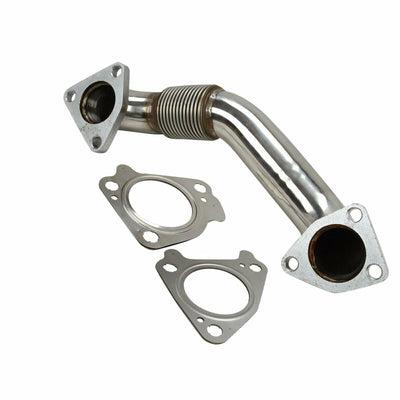
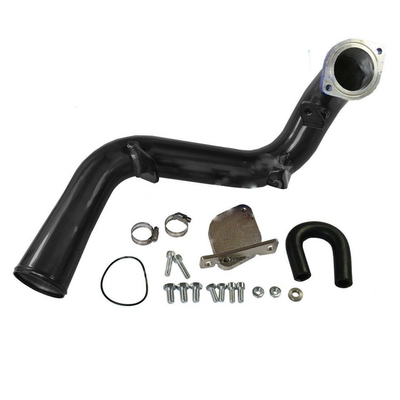
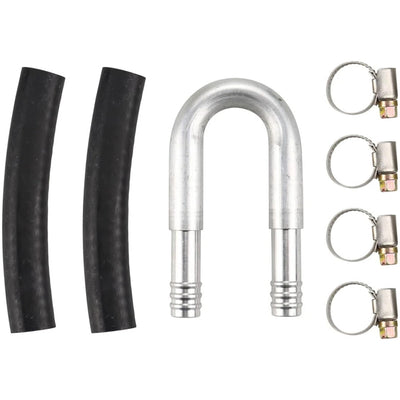
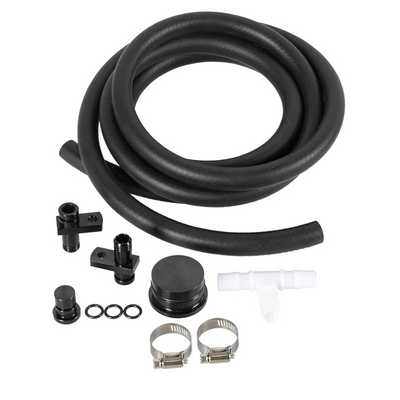
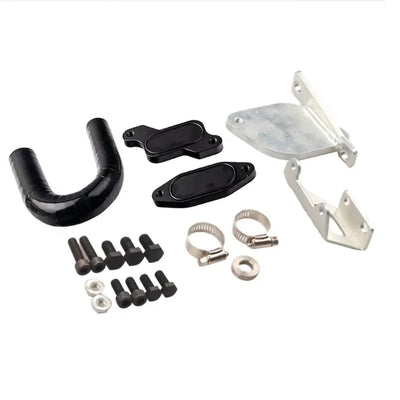
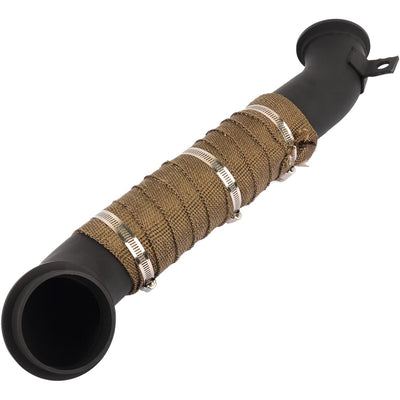
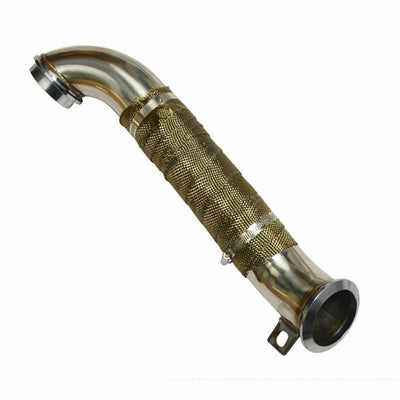
The LMM's parts conversation runs from EGR and CCV to transmission cooling lines. The Duramax parts aisle carries the platform's kits across the generations.
Shop Duramax LMM Upgrade PartsDPF Clogging and Regen Cycles
The LMM was the first Duramax to carry a diesel particulate filter, and the problem guides lead with it: trucks on short-haul duty cycle never complete regenerations, the filter loads, the dash announces cleaning cycles that interrupt themselves, and the cycle repeats until the system flags a fault. The fix is duty-cycle discipline, the same maintenance regimen our DPF family documents in full: sustained highway driving lets passive regeneration keep the filter clean, and a truck that tows or runs interstate is a truck whose DPF mostly behaves.
For the chronically clogged, professional cleaning restores capacity at a fraction of replacement, and the delete conversation belongs to off-road trucks only, the line every emissions page here holds.
EGR Carbon Buildup
Second on every list: EGR valve and cooler carbon, soot building on the valve seat and inside the cooler until drivability faults arrive:
- The symptom set: rough running and check-engine lights that cleaning, not parts, resolves.
- The maintenance answer: cleaning on symptom, and the intake-tar conversation, EGR soot meeting CCV oil, the CCV family documents.
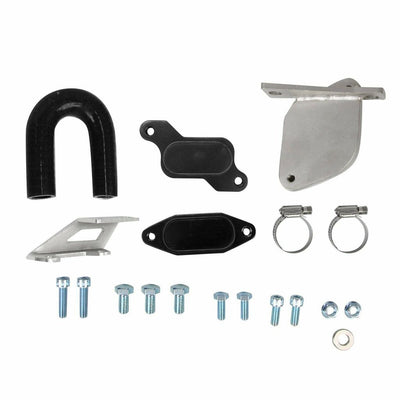
- The fork: off-road trucks delete the system with hardware; street trucks clean it and drive on.
Fuel System: P0087 and CP3 Wear
The LMM's fuel fault is the P0087, low fuel rail pressure, and the causes stack in a diagnostic order:
- First: a clogged filter, the cheapest suspect.
- Second: a weak relief valve.
- Third: CP3 pump wear, the chain our fuel pressure sensor post documents from the other end.
- The structural good news: the LMM runs the CP3, the proven three-lobe pump, not the CP4 that made later platforms famous, so its fuel issues are wear-and-restriction stories, not destruction stories.
Glow Plugs, Harness, and Electrical
The routine items: glow plug failures are the LMM's common cold, a maintenance replacement that solves most hard cold starts, and the buyer's guides list them among the preventable regulars. The sneakier electrical fault is injector harness chafing: the wiring that feeds the injectors wears through at rub points and mimics injector failure with misfires and codes, and the diagnosis, inspecting the harness before condemning injectors, saves owners the price of parts they did not need.
Turbo Vane Sticking and Charge-Air Leaks
The airflow faults arrive as soft power and smoke. The variable-geometry turbo's vanes soot up and stick, the same failure our 5.9-versus-6.7 comparison documents on early-emissions trucks, and the fix ranges from cleaning to replacement depending on severity. Upstream of the cylinders, the charge-air circuit's boots and clamps weep boost, the leak family our intercooler explainer covers, and a truck that feels down on power deserves a boost-leak check before any parts order.
Buying Checklist
The inspection list for a used LMM, in priority order:
- The emissions history: DPF service, regen behavior, EGR cleaning records, the story of items one and two.
- The fuel system: filter discipline, any P0087 history, and a scan for rail pressure at idle and load.
- The cold start: glow plug health in thirty seconds of cranking behavior.
- The harness: visible chafing at the injector wiring, and any misfire history.
- The tune and boost history: head gasket exposure lives here, and a stock-pressure truck tells you so.
- The charge-air circuit: oily boots, soft clamps, and the boost-leak question.
FAQ
Is the LMM Duramax a bad engine?
No. The iron is durable, the CP3 is the proven pump, and the problem list is dominated by first-generation emissions hardware, which maintenance manages, not by the engine beneath it.
What is the most common LMM problem?
DPF clogging with frequent, incomplete regenerations, the price of being the first Duramax with a particulate filter. Highway duty cycles manage it.
What is P0087 on an LMM?
Low fuel rail pressure, tracing to a clogged filter, a weak relief valve, or CP3 pump wear, in that diagnostic order. Wear and restriction, not the CP4-style catastrophe.
Do LMM head gaskets fail?
Mostly on tuned, high-boost trucks. The stock-pressure record is far kinder, which is the tune-first honesty the fuel-system guides carry.
Are LMM injectors reliable?
The injectors themselves are serviceable; the common mimic is harness chafing, wiring worn through at rub points. Inspect the harness before buying injectors.
How do I keep the DPF healthy on an LMM?
Regular sustained highway driving to complete regenerations, clean fuel, and cleaning by symptom, the maintenance schedule our DPF filter maintenance guide documents in full.
What years did the LMM run?
2007.5 through 2010, the first DPF Duramax, between the LBZ and the LML.
Is an LMM worth buying used?
With the emissions and fuel history inspected, yes: the buyer's guides call most issues preventable, and the engine's reputation for durability holds beneath the emissions-era learning curve.
The Verdict
The LMM's issue list is the story of a durable engine wearing first-generation emissions hardware: a DPF and EGR system that demand duty-cycle respect, a fuel system whose faults are restriction and wear rather than catastrophe, and a handful of maintenance regulars from glow plugs to boots. Buy with the LMM performance upgrade checklist, service with the schedule, drive it hot on the regular, and the LMM rewards owners the way the pre-emissions legends did, just with more literacy required.
The Duramax line's guides on this site, from the LML delete economics to the L5P downpipe, carry the rest of the platform's story.


