





DPF filter maintenance is less about servicing the filter and more about how you feed it: the soot it traps is burned away by regeneration on its own schedule, the ash that remains is a product of your oil and your engine's health, and the driving habits that starve or gorge the system decide whether the filter lives to 300,000 miles or clogs at 90,000.
This guide lays out the maintenance philosophy, the seven habits that stretch filter life, the interval schedule, the warning-light protocol, and the upstream health that quietly controls everything, with each deeper topic, the chemistry, the cleaning, the costs, linked where it lives in the rest of the off-road DPF Delete hardware world.
Table of Contents
Key Takeaways
- [The philosophy]: Soot is the daily load the system burns itself, given heat and completed cycles; ash is the permanent load your oil choice and engine health feed. Maintain for both loads differently.
- [The oil rule]: Low-ash oil is the single highest-leverage maintenance decision, because the ash in a DPF is mostly oil additive that burned and stayed. Every quart consumed becomes filter volume.
- [The duty-cycle rule]: Highway heat completes regenerations passively; short trips interrupt them mid-cycle, and interrupted regens load the filter faster than any defect.
- [The idle tax]: Stationary hours generate soot without adding a single mile of the airflow that clears it. Working trucks that idle all day are the filter's hardest customers.
- [The upstream rule]: A tired EGR system, a sooted DOC, or a consuming engine will kill a filter long before its natural service life. Fix upstream faults as filter maintenance.
- [The light protocol]: A soot warning means conditions for a regen now: highway speed, load, and completion. Ignoring it walks the ladder toward derate, fuel dilution, and substrate damage.
- [The schedule reality]: Cleaning lands by symptom or roughly 100,000 to 200,000 miles depending on the habits above, and the costs of every rung are mapped in the cluster's guides.
The Philosophy: Two Loads, Two Rules
Everything in DPF filter maintenance resolves back to the two loads the filter carries. Soot arrives with every combustion event and leaves by burning: regeneration, passive at working temperature or active when the computer commands it, is the self-service side of the system, and the full mechanics of how it works live in the cluster's definition guide. Ash arrives with soot and never leaves: it is the mineral residue of burned oil additives, and it is why the maintenance conversation is really about oil, duty cycle, and upstream engine health.
The two loads produce two maintenance rules that never change:
- Rule one, soot: give the system the heat and duration to clear it on schedule.
- Rule two, ash: starve the supply before it fills the filter's capacity.
- The map: every habit in the next section serves one of the two rules, and every premature filter death traces to breaking one.
Off-Road Trucks Skip the Regimen
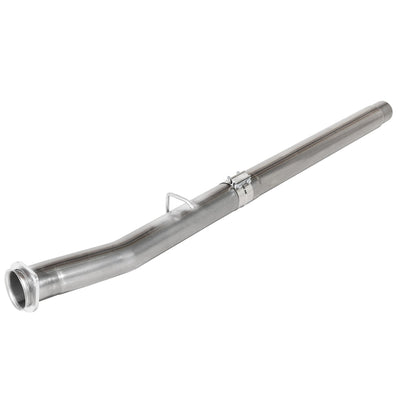
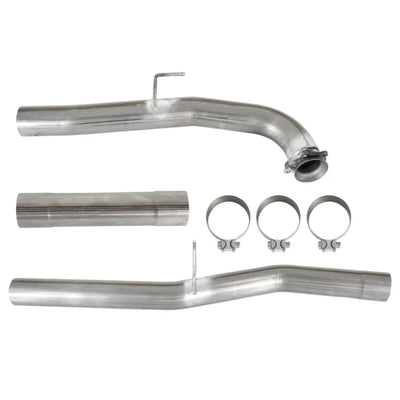
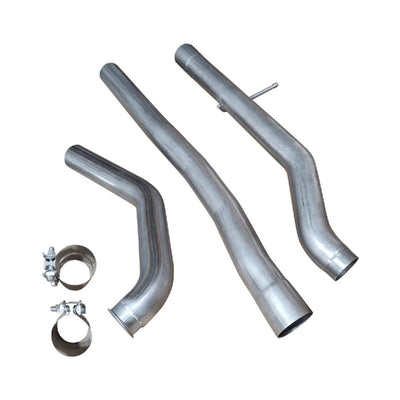
For competition and closed-course builds, the maintenance question ends with hardware. Delete kits and DPF hardware remove the system from the loop, street trucks excepted, as always on this site.
Shop DPF Delete HardwareSeven Habits That Stretch Filter Life
The regimen, in order of leverage:
- Run low-ash oil, on schedule: the specification exists for the filter's sake, and oil consumption is the ash pipeline. A tired, oil-burning engine is a filter's fastest end.
- Drive it hot, regularly: sustained highway load is passive regeneration, the filter's favorite medicine. A weekly sustained highway run is a maintenance item, not a drive.
- Let cycles finish: shutting down mid-regeneration wastes the cycle and re-loads the filter. When the system says it is cleaning, give it the miles to finish.
- Minimize idle: idle hours make soot without making the airflow that clears it. Shut down instead of idling through waits, on every platform that allows it.
- Fix upstream faults immediately: EGR faults, injector issues, and coolant leaks all change what the filter receives. The next section maps the chain.
- Buy quality fuel and DEF: clean combustion makes manageable soot; poor fuel and contaminated fluid make the DOC's heat and the SCR's chemistry misbehave upstream of everything.
- Respect the lights: the warning hierarchy exists to trigger your action, and the protocol is the next section. Ignored lights are how maintenance becomes replacement.
The Maintenance Schedule
The calendar, assembled from the interval logic the fleet and forum world agrees on:
When |
The Item |
Why |
|---|---|---|
Every oil change |
Low-ash spec oil, filter every time, level watched |
Feeds the ash supply as little as possible |
Every few thousand miles |
Duty-cycle audit: any sustained highway runs? Completed regens? |
Soot clearance is a habit, not an event |
At warning lights |
Regen conditions now: load, speed, completion |
The cheapest intervention in the entire table |
Annually or by symptom |
Scan the differential pressure, inspect upstream health |
The filter's health gauge, read before it complains |
Roughly 100,000-200,000 miles, or by symptom |
Professional cleaning, or replacement if the substrate is done |
The end of maintenance, priced in the cluster's cost guides |
The Warning-Light Protocol
The dash escalates in a designed sequence, and matching your response to the sequence is the protocol:
- First message, filter loading: create regeneration conditions now, sustained speed and load, and let the cycle complete. This step is free.
- Second message, regeneration needed: the passive window has passed. Highway conditions, a deliberate drive, and completion before shutdown.
- Power derate: the system is protecting itself. Drive to conditions that allow a regen or to a shop; this stage is no longer optional.
- The hidden cost of ignoring: backpressure climbs, post-injection fuel dilutes the engine oil, and the substrate moves toward the crack that turns cleaning money into replacement money.
The protocol's one-sentence version: the lights are the filter asking for heat, and heat is the one thing maintenance can always provide on demand. The full regeneration mechanics, passive versus active, are the definition guide's territory.
Upstream Health Decides Filter Health
The filter is the last stop of a chain, and it inherits everyone's problems. The DOC ahead of it must build the heat regenerations need; a soot-packed DOC loads the filter while starving it. The EGR system feeds combustion its recirculated gases, and a failing one changes soot volume at the source. The engine's oil consumption is the ash pipeline. The forum consensus that started this oil thread is the maintenance summary: the DPF self-cleans soot forever, it is the ash from oil that accumulates, so the oil side of the engine is the filter's maintenance schedule too.
An annual upstream audit, EGR function, DOC condition, oil consumption trend, catches the faults while they are still upstream's problem instead of the filter's.
When Maintenance Ends: Clean or Replace
Every filter reaches the ash ceiling eventually, and maintenance hands off to service: professional cleaning restores capacity for a fraction of replacement, substrate damage ends the conversation. The procedure itself, the backflush method and the shop-air-versus-washing comparison, is the cluster's cleaning guide territory, the money, cleaning costs, replacement ladders, and the lifetime arithmetic, is mapped across the cluster's two cost guides linked below. The maintenance-side summary is one line: habits buy years, cleaning buys a cycle, and replacement buys the rest of the truck's life.
FAQ
How often does a DPF need maintenance?
Habits weekly, gauges by warning, a differential-pressure scan annually, and cleaning by symptom or roughly the 100,000 to 200,000-mile band, depending entirely on oil, duty cycle, and upstream health.
Can I maintain the DPF myself?
The regimen side, yes: oil choice, driving habits, light response, and monitoring are entirely owner work. The cleaning itself is a procedure with substrate risk, done right or handed to a shop that flow-tests, and the method lives in the cluster's cleaning guide.
Why does low-ash oil matter so much?
Because the ash in a DPF is mostly burned oil additive. Low-ash specification cuts the ash supply at the source, and every quart of consumption carries additive into the filter permanently.
How long does a DPF last with good maintenance?
Well past 200,000 miles and multiple cleaning cycles on healthy engines with disciplined habits. Neglected, the same hardware can demand attention before 100,000.
Is idling really that bad for the filter?
Yes. Idle generates soot at zero airflow, the exact opposite of what the filter needs, and stationary hours never appear on the odometer that the interval logic assumes.
Should I regenerate while parked or driving?
Driving regens are the design's preference: load and airflow make them hotter, more complete, and shorter. Use the parked cycle when driving is impossible, not as the routine.
What is differential pressure telling me?
The pressure drop across the filter is its health gauge: normal at cruise for a clean core, climbing as ash accumulates or soot loads. A scan at steady speed tells you where you are in the filter's life.
Is deleting easier than maintaining?
It removes the regimen entirely, on trucks that never use public roads. On street trucks it is tampering, and the maintenance this page describes is cheaper than the fines.
The Verdict
DPF filter maintenance is two rules and seven habits: burn the soot on schedule with heat and completed cycles, starve the ash with low-ash oil and a healthy engine upstream, and let the warning lights trigger the cheapest intervention in the whole system. Follow the regimen and the filter outlives expectations; ignore it and the cost guides in the cluster become your reading list.
Maintain the inputs, respect the lights, clean when the ash counter wins, and the most-maligned component of the modern diesel becomes the most boring one, which is the goal. For the hardware side, start with the diesel DPF delete kit hardware selection.


