




Learning how to reset a DEF system starts with a fact that saves an afternoon: most resets are not procedures at all, they are the system noticing reality. Fill the tank with real fluid, give the truck a key cycle or a short steady drive, and the low-fluid warning clears itself, because the level sensor finally sees what the dashboard hoped was there. The genuine procedures live at the edges: the key-on and pedal methods that nudge stubborn refills, the drive cycle that lets the dosing logic recalibrate, and the hard wall where a speed limiter or a quality code means a component fault no reset will paper over. This guide walks the ladder from refill to scan tool, names the faults that refuse to clear, and keeps the prevention habits that stop the light from returning, with DEF system deletes at the far end for the off-road crowd.
Table of Contents
Key Takeaways
- The happy path: an adequate refill, a key cycle, and fifteen to twenty minutes of steady driving lets most systems see the new level and clear the low-fluid warning on their own.
- The nudge methods: key on without starting for thirty seconds, repeated two to three times, or key on with three slow pedal presses, then a minute of patience before starting.
- The partial-fill trap: splashing a liter into an empty tank does not clear warnings, because the system resets on an adequate level, not on the presence of any fluid at all.
- The wall: a warning that survives refill and drive cycles, especially with a speed limiter attached, means a component fault, a tank heater, a quality code, a dosing or sensor failure, that repair must precede any reset.
- The scan tool layer: hard codes and post-repair resets, NOx sensors, quality faults, dosing errors, need a capable diagnostic tool, not a key dance.
- The prevention: quality fluid, a tank never run dry, and an eye on freeze behavior in cold country keeps the warning from becoming a habit.
Why the Light Is On: Three Different Worlds
Every reset decision starts by reading which of three worlds the truck lives in. The first is the low-fluid world: the tank ran down, the warning appeared, and the only fix is the fluid itself. The second is the quality world: the system suspects diluted, contaminated, or stale fluid, and no amount of resetting convinces the NOx sensors otherwise until the tank is drained and refilled with the real thing. The third is the component world: the tank heater, the dosing valve, the pressure sensor, or a NOx sensor has failed, and the light is doing its job by refusing to leave.
Beyond the Warning Light
When the reset question is really a system-failure question, the DEF hardware shelf covers the replacement side, and the off-road side, legality included, sits in the fine print where it always lives.
The Refill Reset: Key and Pedal Methods
With fresh fluid in the tank and the cap tight, two field methods cover the stubborn refills:
- The key-cycle method: turn the ignition on without starting, hold it there for a full thirty seconds so the level sensor reads the new tank, then off. Repeat two to three times, then start and check the dash.
- The pedal method: key on without starting, press the accelerator slowly three times, key off, wait about a minute, then start. The ritual looks like folklore and works like a level re-read on several platforms.
- The adequate-fill rule underneath both: the tank needs enough real fluid for the sensor to see a legitimate level. A token splash does not qualify, which is the single most common reason a refill "fails" to reset.
The Drive Cycle
After the refill and the key work, the drive itself finishes the job. Fifteen to twenty minutes of steady driving, the Isuzu guidance that generalizes well across platforms, gives the dosing logic time to verify fluid quality and consumption against the NOx sensors downstream, and many warnings that survived the parking lot clear themselves somewhere in the second ten minutes. The patience matters in both directions: interrupting the cycle to stare at the dash does not help, and a warning that survives a complete cycle with an adequate fill has told you something, that the fault is real, and the next section owns it.
When It Refuses: Faults No Reset Fixes
The wall arrives with symptoms that do not negotiate:
- The speed limiter: a truck pinned at 65 mph, or deeper into the countdown toward a no-restart, is past warnings and into enforcement, the stage the Duramax forum threads document when the reset never comes.
- Quality codes: the system believes the fluid is wrong, and only draining and refilling with certified fluid, then clearing the code, moves it.
- Component faults: the frozen or failed tank heater, the lazy NOx sensor, the dosing unit that will not build pressure, all of them read as faults, and every one of them needs the part before the light will consider leaving.
The Scan Tool Layer
Everything above the refill-and-drive layer lives behind a diagnostic connector. A capable one reads the DEF and NOx codes by number, separates a stale warning from an active fault, and clears codes after the repair that earned them, the workflow Enviromotive's warning-light guide walks for shop-side readers. Two honest notes for the driveway owner: a generic code reader will show the fault but often cannot command the aftertreatment resets a dealer tool performs, and clearing a code without fixing its cause just schedules the light's return with a limp mode attached.
Keeping the Light Away
The reset that matters is the one you never need:
- Buy certified fluid and store it sealed: diluted or contaminated DEF is the quality-code factory.
- Never run the tank dry. The system calibrates its consumption math on continuous reads, and a dry tank is how the countdown escalations start.
- Respect the freeze. DEF freezes around twelve degrees, thaws fine on engine heat, and misdiagnosing normal freeze behavior as a fault sends owners chasing resets the truck did not need, a story our DEF freeze guide tells in full.
- Fix faults at the warning stage, not the limiter stage: the repair bill difference is the tow and the deadline you did not have before.
FAQ
Can I reset the DEF light without a scan tool?
Often, yes: an adequate refill, the key-cycle or pedal method, and a full drive cycle clear the common low-fluid warnings. Faults and quality codes need the tool.
Why is the light still on after I filled the tank?
Three usual reasons: the fill was too small to register, the recalibration drive was not completed, or the fault is a component or quality code that no refill clears. Work them in that order.
How long do I need to drive to reset the system?
Plan on fifteen to twenty minutes of steady driving after the refill and key cycle, long enough for the dosing logic to verify quality and consumption against the sensors.
What does the DEF speed limiter mean?
It means the enforcement stage has begun: the system is limiting speed to force attention, and the underlying fault, fluid, quality, or component, must be fixed before the limit lifts.
Will a partial fill reset the warning?
No. The system resets on an adequate level, not on any fluid at all, and a token splash is the most common false failure in the whole procedure.
Does every brand reset the same way?
The refill-and-drive backbone is shared, but the key dances, the pedal rituals, and the tool-level commands vary by manufacturer, so the platform-specific step belongs to the owner's manual or the forum thread for your truck.
Can I just delete the DEF system instead?
Only in the off-road and competition context the law allows: on a registered truck it is emissions tampering with fines and failed inspections attached, and the warning light is the cheaper problem by far.
The Verdict
The honest reset procedure is a ladder: real fluid, adequate fill, a key cycle, a patient drive, and a scan tool waiting for whatever survives. Climb it in order, respect the wall when a component fault builds it, and the light stops being a mystery and becomes what it always was—the system telling the truth about its tank.
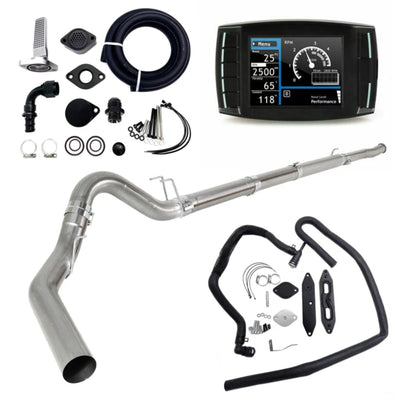
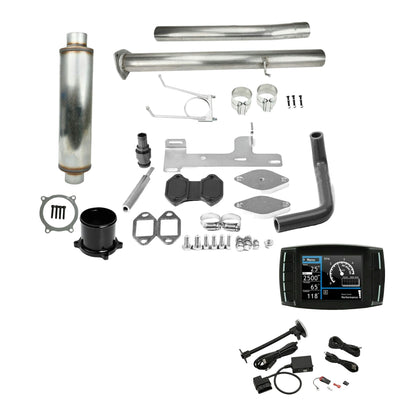
When fluid resets fail and persistent DEF system faults threaten to lock your truck into limp mode, dedicated off-road builds require a permanent hardware solution. Explore our heavy-duty DEF delete kits at EGR Performance to bypass restrictive DEF pumps, heater failures, and dosing unit errors for complete reliability on the track or farm.


