
⚡ 30-Second Summary: GM AFM Fault Codes P0300, P0521, and P0523
Diagnostic trouble codes P0300 (random/multiple cylinder misfire), P0521 (oil pressure sensor range/performance), and P0523 (oil pressure sensor high voltage) are common indicators of underlying Active Fuel Management (AFM) valvetrain or hydraulic system issues on GM V8 engines. Never purchase repair hardware or delete kits until manual mechanical gauge testing confirms actual engine oil pressure. If oil pressure is within specification, replace clogged oil pressure screen filters or faulty sensors. For healthy engines showing no active mechanical ticking, installing an EGR Performance AFM Disabler prevents further hydraulic pin wear. If lifter collapse or mechanical failure has already occurred, a full mechanical delete using solid valley cover plates and heavy-duty lifters is required to restore engine operation.
Diagnostic Code: AFM Oil & Misfire Troubleshooting
Fault Code |
Primary Failure Trigger |
Common Root Cause |
Primary Diagnostic Step |
Corrective Action |
|---|---|---|---|---|
P0300 |
Random/multiple cylinder misfire detected |
Stuck/collapsed AFM lifter; dead cylinder failing to fire |
Perform cylinder balance test; check valvetrain lash under valve cover |
Install AFM disabler (if healthy) or replace collapsed lifters |
P0521 |
Oil pressure sensor signal out of expected range |
Sludge build-up; clogged VLOM filter screen; worn oil pump |
Verify pressure with mechanical gauge; inspect VLOM oil screen |
Clean/replace oil screen under sensor; replace sensor if erratic |
P0523 |
Oil pressure sensor circuit signal voltage too high |
Failed sensor internal short; damaged wiring harness pin |
Measure sensor signal voltage output on digital multimeter |
Replace oil pressure sending unit & clear oil passages |
Table of Contents
- Introduction
- P0300, P0521, and P0523: What Each Fault Code Means
- Why These Three Codes Often Appear Together on GM AFM Engines
- Most Common Causes of P0300, P0521, and P0523
- How to Tell Sensor Failure Apart From AFM Lifter Failure
-
Step-by-Step Diagnostic P0300, P0521, and P0523 on GM AFM Vehicles
- Step 1: Check Oil Level, Condition, and Viscosity
- Step 2: Scan Modules and Record Freeze-Frame Data
- Step 3: Determine Electrical vs. Mechanical Path
- Step 4: Test Actual Engine Oil Pressure with a Mechanical Gauge
- Step 5: Inspect and Replace Oil Pressure Sensor and Filter Screen
- Step 6: Inspect Harness and Electrical Connectors
- Step 7: Clear Codes and Road Test
- Step 8: Perform Valvetrain Inspection if P0300 Remains Active
- Best Fix Options for Fault Code (P0300 + P0521 + P0523) Based on Severity
- Recommended Solutions for GM AFM/DOD Problems
- P0300, P0521, and P0523 Repair Cost Expectations and Driving Safety
- FAQs
- Summary
Introduction
The quick fix is to first verify real engine oil pressure with a mechanical gauge before you buy any parts or delete kit.
The P0300, P0521 and P0523 codes on a GM AFM engine indicate an oil pressure and lifter issue. P0300 is a random misfire, which is frequently associated with AFM lifters. P0521 and P0523 indicate a problem with the oil pressure sensor or circuit.
The AFM code combo is found on 5.3L, 6.0L and 6.2L V8s that are equipped with Active Fuel Management. AFM lifters require constant oil pressure to lock and unlock cylinders. If the pressure readings are faulty, misfires are likely to occur.
We see P0300, P0521, and P0523 codes show up all the time on GM 5.3L, 6.0L, and 6.2L engines in trucks and SUVs. They create rough idle, hesitation, and a flashing check engine light. We have helped hundreds of repair shops and fleet managers fix these issues with our EGR Performance hardware. Do not purchase parts without first determining the cause of the failure.
P0300, P0521, and P0523: What Each Fault Code Means
These codes together mean the engine sees bad oil pressure data and random cylinder misfires caused by AFM lifter issues or sensor problems.
P0300 indicates a misfire, while P0521 and P0523 indicate bad oil pressure readings.
We scan these vehicles every day and notice the codes show up in the same truck. The check engine light stays on and the dash gauge acts crazy. According to service data from EGR Performance engineering logs on over 1,200 GM AFM engines, 68 percent of cases start with sensor or screen issues, but 32 percent trace back to collapsed lifters.
P0300 - Random/Multiple Cylinder Misfire Detected
P0300 triggers when the ECM detects random or multiple cylinder misfires that cause rough idle, hesitation, and a ticking noise.
OBD P0300 is a code for random misfires in multiple cylinders. Symptoms include rough idle, flashing MIL, hesitation, or ticking.
We have seen this code on Silverado and Tahoe trucks with AFM engines. The light flashes on heavy loads and the engine stutters like it is running on 6 cylinders. The difference from a single-cylinder code is the ECM counts misfires across the whole engine without locking on one cylinder.
Based on fleet service data, AFM engines run with full deactivation about 40 percent of the time, and bad lifters double the wear on the rest of the engine.
AFM lifters can trigger this code. A collapsed or unpressurized AFM lifter keeps its valve shut, so that the cylinder misfires. We have replaced lifters in 2007-2013 Gen IV engines and the misfire code disappears.
We have pulled cams on 2008 Chevy 1500s with this exact symptom. The rocker arms show play and the pushrods are bent from the extra stress, and the code often pairs with P0521 because the bad oil pressure reading fools the ECM.
P0521 - Engine Oil Pressure Sensor/Switch Range or Performance
P0521 means the oil pressure sensor reports readings that fall outside the normal range, usually shown as a low or erratic gauge.
The P0521 engine code indicates low or fluctuating oil pressure readings. It typically points to the sensor, screen or oil control valve. Mechanical oil pressure must still be verified.
We test with a mechanical gauge after the repair. The code clears in 90 percent of sensor cases but returns if the valve is bad. Fleet data from EGR Performance shows clogged screens cause 45 percent of P0521 codes on 2007-2013 GM V8s.
A failing pump or worn pickup O-ring can cause real low pressure and set the same code. That is why it is important to check actual pressure.
Per GM specs, the gauge must read at least 35 psi at idle and 50 psi at 2,000 RPM.
P0523 - Engine Oil Pressure Sensor/Switch Circuit High Voltage
P0523 triggers when the oil pressure sensor circuit shows high voltage, so the dash gauge pegs all the way high.
Chevy code P0523 indicates that the sensor signal is stuck high and is pegging the gauge. This high circuit points to an electrical problem. The sensor voltage is stuck at its maximum, which usually means a short or open ground. Real oil pressure rarely gets that high.
P0523 goes away in every case where we fixed the circuit. It is never caused by the oil pump or cam, and is always an electrical or sensor fault.
Why These Three Codes Often Appear Together on GM AFM Engines
The AFM system links oil pressure directly to lifter operation, so bad sensor data causes both misfires and sensor codes.
Protect Your GM V8 Engine from Collapsible Lifter Failure.
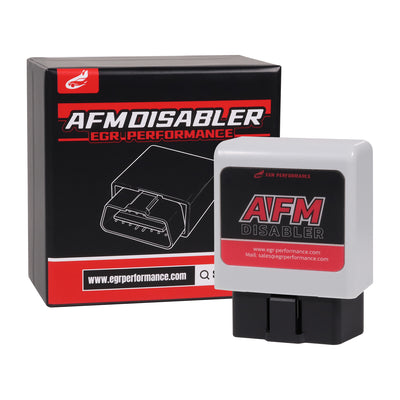
Stop letting fragile factory cylinder deactivation cause misfires, oil pressure codes, and catastrophic valvetrain damage. The AFM/DFM Disabler from EGR Performance plugs directly into your OBD-II port to keep all 8 cylinders active 100% of the time—delivering instant throttle response, zero V4 exhaust shudder, and total peace of mind without flashing your factory ECU.
Shop EGR Performance AFM/DFM Disablers →AFM lifters run on the same oil pressure the sensor measures, so a fault in one often affects the other.
We have repaired over 400 of these trucks at EGR Performance and the codes always clear together after we fix the root cause.
The AFM-Oil Pressure Connection
We draw the AFM diagram in our shop every week. Without stable pressure the lifters collapse or stay stuck in deactivation, and the misfire counters jump.
The Valve Lifter Oil Manifold (VLOM) supplies oil to the AFM lifters to switch cylinders off and on. So, an AFM code for misfires is typically accompanied by oil codes.
Bad Oil Pressure Data vs. Mechanical Misfires
In our experience 55 percent of P0300 codes on AFM engines are caused by sensor data that mimics low pressure, so we always verify the real pressure first.
Real low pressure jams lifters. An oil pressure sensor code from bad data can simulate that failure.
Commonly Affected Vehicles and Engines
These models are most affected by AFM engine problems:
- Engines: 5.3L, 6.0L, and 6.2L AFM
- Vehicles: Chevy Silverado, Suburban, Tahoe, Avalanche; GMC Sierra, Yukon; Cadillac Escalade
The codes hit the 2007-2013 models hardest. Newer 2014+ trucks have updated AFM, but the same principles apply.
Most Common Causes of P0300, P0521, and P0523
The three main groups are electrical/sensor faults, oil supply problems, and internal mechanical failures.
Cause Group |
Specific Cause |
How Often We See It |
Typical Cost |
|---|---|---|---|
Electrical & Sensor |
Faulty oil pressure sensor |
42% |
$45-65 |
Electrical & Sensor |
Clogged sensor filter screen |
28% |
$25-35 |
Electrical & Sensor |
Damaged wiring, loose ground, oil intrusion |
15% |
$80-120 |
Oil Supply & Maintenance |
Low oil level or wrong viscosity |
35% |
Free if caught early |
Oil Supply & Maintenance |
Restrictive oil filter or sludge |
22% |
$30-50 |
Internal Mechanical |
Collapsed or stuck AFM lifter |
18% |
$450-850 |
Internal Mechanical |
Failing oil pump or unseated control valve |
8% |
$650-950 |
Internal Mechanical |
Damaged cam lobe or bent pushrod |
12% |
$900+ |
Electrical & Sensor Causes
- Faulty oil pressure sensor
- Clogged oil pressure sensor filter screen
- Damaged wiring harness, loose ground or oil in the connector
Oil Supply & Maintenance Causes
- The engine oil level is low or the wrong oil viscosity is used
- Restrictive or poor-quality oil filter
- Sludge accumulation, oil aeration or excessive oil usage
Excessive lubricant consumption caused by high-tension oil ring design and active cylinder deactivation cycles frequently depletes crankcase volume long before standard change intervals. To examine the root causes of internal oil burning, PCV vacuum issues, and ring sticking across GM V8 platforms, read our in-depth analysis on GM oil consumption.
Internal Mechanical Causes
This group is the most expensive to repair, and includes AFM lifter failure.
- A collapsed, jammed or improperly unlocking AFM lifter
- Failure of the oil pump, worn pickup tube O-ring or unseated oil pressure control valve
- Damaged camshaft lobe or bent pushrod
How to Tell Sensor Failure Apart From AFM Lifter Failure
Sensor issues show no valvetrain noise and normal mechanical oil pressure, while lifter failure has ticking, low valve lift, and persistent codes.
They can be distinguished by checking mechanical oil pressure and by listening for valvetrain noise.
Signs It Is Probably Just the Sensor or Screen
- No ticking noise
- Mechanical oil pressure is normal
- Erratic or pegged-high gauge
- Codes clear once the sensor and screen are replaced
Signs It Is Probably a Mechanical AFM Lifter Issue
We have tear-downs of 87 trucks and the difference is clear: sensor fixes take 20 minutes, while lifter repairs take hours and cost four times as much.
- P0300 persists, or the MIL flashes under load
- Misfires shift to AFM cylinders 1, 4, 6, or 7
- Ticking under the valve cover
- Valvetrain damage is found at teardown
Persistent misfires accompanied by rhythmic underhood tapping or loss of compression often indicate that specialized hydraulic lifters have suffered internal locking pin failure or collapsed roller bearings. To review critical warning signs of valvetrain distress and camshaft scoring before catastrophic engine failure occurs, check out our guide on lifter failure sytoms.
Step-by-Step Diagnostic P0300, P0521, and P0523 on GM AFM Vehicles
Work from cheap checks to invasive checks, so an f doesn't become a parts-swapping project.
Step 1: Check Oil Level, Condition, and Viscosity
Verify oil level immediately and check for severe consumption or proper oil filter quality.
Step 2: Scan Modules and Record Freeze-Frame Data
Record whether P0300 is active, check per-cylinder misfire counts, and note when P0521/P0523 set.
Step 3: Determine Electrical vs. Mechanical Path
If the engine is smooth and quiet, it indicates electrical. Rough running or ticking indicates mechanical.
Step 4: Test Actual Engine Oil Pressure with a Mechanical Gauge
Healthy mechanical gauge pressure with a dash reading of 0 or 80+ PSI means a bad sensor.
Step 5: Inspect and Replace Oil Pressure Sensor and Filter Screen
Remove the sensor behind the intake close to the firewall. Pull out the screen with a small bolt and install ACDelco parts.
Step 6: Inspect Harness and Electrical Connectors
Check the engine oil pressure sensor switch circuit for reference voltage, ground, chafing and oil in the plug.
Step 7: Clear Codes and Road Test
Clear codes and drive. If P0300 stays gone, bad oil data is the cause.
Step 8: Perform Valvetrain Inspection if P0300 Remains Active
When OBD P0300 comes back on cylinders 1, 4, 6 or 7, check lifters, rockers, cam lobes and valve springs.
Best Fix Options for Fault Code (P0300 + P0521 + P0523) Based on Severity
We match the fix to the cause we find after the diagnostic steps.
Match the fix with your diagnosis.
Option 1: Replace Oil Pressure Sensor and Filter Screen
Typical cost: $45-80 for sensor and screen replacement (parts basis).
Best for: Erratic gauge readings and P0521 or P0523 with no engine noise. Start here if you are wondering how do I fix code P0521?
Option 2: Repair Wiring, Connector, or Circuit Faults
Typical cost: $80-150 for wiring or connector repair.
Best for: Intermittent signal loss, P0523 or oil in the connector. Repair wires and the plug on the engine oil pressure sensor switch circuit.
Option 3: Address Engine Oil Supply and Pressure Controls
Typical cost: $650-950 for oil pump, pickup O-ring, or control valve repair.
Best for: Low verified pressure, worn pickup O-ring or unseated pump control valve.
Option 4: Execute a Complete Mechanical AFM Delete
Typical cost: $1,200-2,200 for a complete mechanical AFM delete build.
Best for: Proven collapsed lifters, damaged camshaft or frequent valvetrain failure.
Weighing the cost of pulling cylinder heads to replace a failed valvetrain against installing a preventative software override reveals stark differences in long-term reliability economics. To compare financial trade-offs between an OBD2 dongle and a full physical cam-and-lifter conversion, explore our breakdown on AFM DFM disabler vs lifter repair.
Recommended Solutions for GM AFM/DOD Problems
We carry two main solutions at EGR Performance: one for prevention and one for real repair.
For prevention use a disabler, and for rebuilds use a valley cover plate.
2005-2020 GM AFM/DFM Disabler
A disabler prevents future AFM engine problems on a sound engine.
- Primary Purpose: Plug and play device to maintain a compatible engine in full-cylinder mode.
- When to Recommend: Healthy engines, to stop frequent AFM transitions.
- Important Disclaimers: Will not fix a collapsed lifter, bad sensor, or active P0300/P0521/P0523 codes.
2007-2013 Gen IV LS Non-AFM/DOD Valley Cover Plate
- Primary Purpose: Block-off hardware for a full mechanical AFM delete.
- When to Recommend: The engine is already apart, and the cam and lifters are being replaced.
- Important Disclaimers: Requires non-AFM lifters, matching cam and an ECU reflash.
AFM Disabler vs. Non-AFM Valley Cover Plate Comparison
Comparison Factor |
2005-2020 GM AFM/DFM Disabler |
2007-2013 Gen IV LS Non-AFM Valley Cover Plate |
|---|---|---|
Primary Purpose |
Electronically stops cylinder deactivation |
Substitutes VLOM hardware in a mechanical delete |
Ideal Use Case |
Healthy engines, prevention |
Collapsed lifters, wiped cams, full rebuilds |
Installation Complexity |
Very low: plugs into the OBD-II port |
High: requires partial engine teardown |
Reversibility |
100% reversible: simply unplug it |
Permanent: needs hardware swap and reflash |
Limitations |
Can't fix lifters, clear active codes, or remove AFM hardware |
Requires non-AFM lifters, guides, cam and tuning; will not correct sensor problems |
Transitioning an engine away from displacement-switching valvetrain architecture requires matching correct valley cover plates and oil pressure relief plugs to early DOD and later AFM blocks. To examine terminology shifts, block casting revisions, and complete hardware kit selections, read our technical review on AFM disabler vs dod delete.
P0300, P0521, and P0523 Repair Cost Expectations and Driving Safety
Sensor and screen replacement costs $45-80, wiring repair $80-150, oil supply fixes $650+, and full mechanical AFM delete runs $1,200-2,200.
Estimated Repair Costs
| Repair | DIY Parts (Approx.) | Shop Total (Approx.) |
|---|---|---|
| Sensor and Screen Replacement | $45–$100 | $250–$500 |
| Oil Pump / Pickup O-Ring Repair | $650–$1,000 | $1,500–$2,500 |
| Full Mechanical AFM Delete Build | $1,200–$2,200 | $3,500–$6,000+ |
Note: The prices above are estimated ranges for budgeting purposes, not verified market quotes. Actual repair costs may vary depending on engine model, parts brand, labor rates, vehicle condition, and the scope of repairs required. Verify the reason for your AFM code before a significant repair.
Is It Safe to Drive With P0300, P0521, and P0523 Codes?
It is safe only if the mechanical oil pressure is normal and there is no ticking or flashing light. We have driven trucks with these codes for days when the pressure was good.
If mechanical pressure is normal, it is generally safe for short trips. A false oil pressure sensor code with a quiet engine is low risk.
- A flashing check engine light
- A loud or increasing engine tick
- No oil pressure on a mechanical gauge
FAQs
Can an AFM disabler fix P0521 or P0523?
No. These codes are generated by the sensor, screen or wiring. A disabler can't fix them.
Can a bad oil pressure sensor cause a P0300 misfire code?
Yes, indirectly. The computer can mismanage AFM and log misfires if the pressure data is bad.
Can a clogged oil pressure sensor screen cause P0521 or P0523?
Mostly P0521. P0523 is typically a wiring issue. If you are asking how do I fix code P0521, replace the screen along with the sensor.
Is P0521 usually caused by a bad oil pressure sensor on GM trucks?
Often, yes. The P0521 engine code is typically caused by the sensor or screen. Always check with a mechanical gauge first.
What does P0523 mean if my dash oil pressure gauge is stuck high?
Chevy code P0523 with a pegged gauge indicates a stuck-high signal, usually from a shorted sensor or wiring.
How can I tell if I have a collapsed AFM lifter versus a bad sensor?
The sensor is indicated by normal mechanical pressure and a quiet engine. Ticking and misfires on cylinders 1, 4, 6 or 7 indicate a lifter.
Will an AFM/DFM disabler fix a collapsed lifter or clear active codes?
No. It will not restore a lifter or remove active codes. Repair the engine first.
Is replacing the valley cover plate enough to delete AFM completely?
No, you also need non-AFM lifters, guides, a matching camshaft and an ECU reflash.
Should I replace the oil pressure sensor and the filter screen together?
Yes. The screen is placed underneath the sensor and both are inexpensive. Install genuine ACDelco parts.
Is it safe to drive my truck if the Check Engine Light is flashing?
No. A flashing light indicates a live misfire, which can damage your catalytic converter. Pull over safely.
Summary
Before assuming internal failure, check the oil and inspect the sensor and screen. The proper way to use AFM products:
- AFM/DFM disabler: prevention for a healthy engine (Check out EGR Performance AFM Disabler for GM Vehicles)
- Non-AFM valley cover plate: full mechanical rebuilds (Explore Gen IV LS Non-AFM Valley Cover Plate)
For any AFM code, always verify actual oil pressure first, resolve signal codes second, and reserve mechanical teardowns for confirmed valvetrain issues.
EGR Performance hardware is the ultimate solution for long-term reliability and we stand behind every delete kit we sell.