


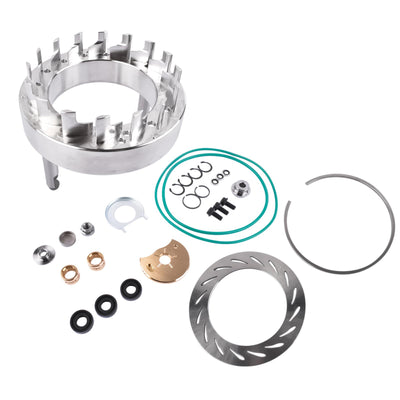
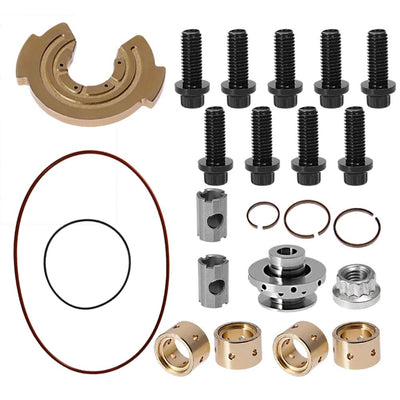

The P003A code on Cummins, Duramax, and Ford Powerstroke diesel engines indicates the computer is failing to find the turbo's electronic actuator position where it should be: the variable geometry turbo's calibration routine runs, the actuator sweeps to learn its end-stops, and when the position reads outside the learned limit, the code fires and boost disappears. A failed actuator is the overwhelming favorite—with electronic positioning motors dying on schedule and taking the exhaust brake with them—but the turbo's own unison ring or variable vanes, carboned and sticking, produce the identical fault code and a vastly different repair bill.
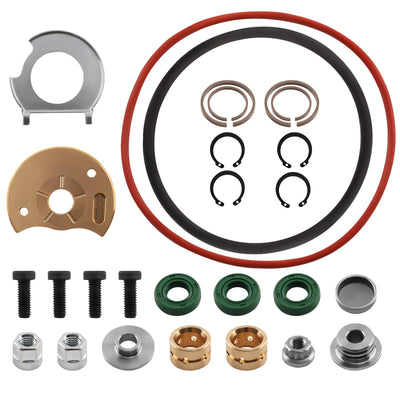
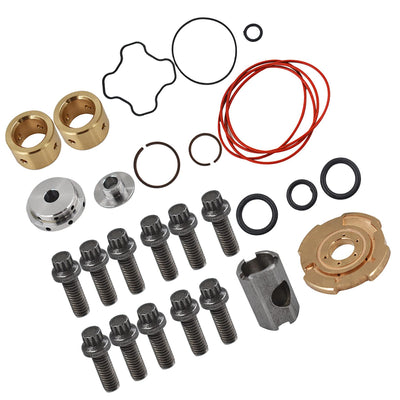
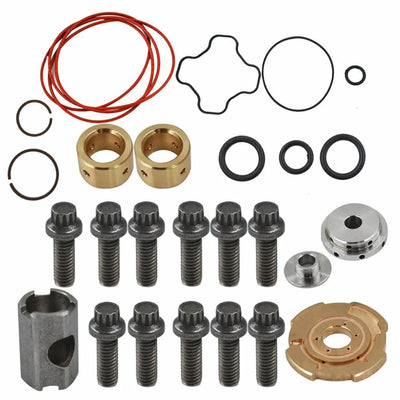
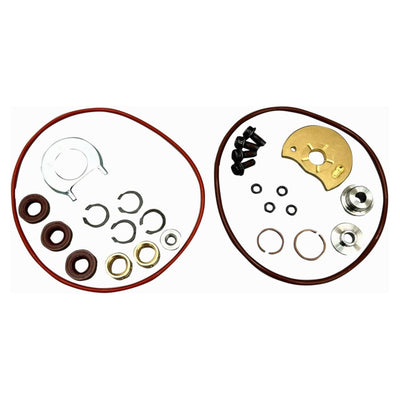
The five-minute test that separates them: pull the actuator and move the lever by hand, where a free lever points to a bad actuator and a stuck lever means internal turbo binding. This guide decodes the code, walks through the manual lever test, prices both repair branches, and covers the essential relearn step that finishes the job, with reliable rebuild hardware available in our Turbo Rebuild Kit collection.
Table of Contents
Key Takeaways
- The meaning: the VGT actuator's position has exceeded the calibration's learned limit, the computer losing track of where the variable geometry turbo's vanes actually sit, the Holset HE351VE's electronic positioning motor the usual suspect.
- The leading cause: a failed electronic turbo actuator, dying on schedule and producing low boost, no exhaust brake, and the P00AF companion code.
- The five-minute lever test: pull the actuator and move the turbo's unison ring lever by hand, a free sweep from stop to stop means the actuator, a stuck or gritty lever means the turbo needs the attention.
- The symptom signature: low boost reading one to two psi instead of the normal twenty-plus, the power loss that follows, and the exhaust brake that goes silent.
- The two branches: actuator replacement at roughly three to six hundred dollars in parts, versus turbo cleaning, rebuild, or replacement when the unison ring is carboned and the lever will not move.
- The relearn: after any actuator replacement, the ECM needs to recalibrate the new motor's end-stops, the learn procedure that finishes the job and clears the code.
What the Code Means
The Holset variable geometry turbo on the Cummins/Duramax/Ford changes its effective size by adjusting a ring of vanes inside the turbine housing, and an electronic actuator positions that ring through an external lever.
The ECM calibrates the system by sweeping the actuator to both end-stops and memorizing the positions, and P003A fires when the sweep fails to find the expected stops, the actuator overshooting, undershooting, or not moving at all. The Cummins forum threads decode it plainly: the calibration cannot learn what the actuator cannot reach, and the code is the computer's way of saying the turbo's positioning system has lost its bearings.
When the Code Leads to the Hardware
Turbo actuators, replacement components, and service hardware for Cummins, Duramax, and Ford Powerstroke turbocharger systems: both branches of the P003A decision tree.
The Symptoms
- Low boost: the gauge reading one to two psi where twenty-plus is normal, the turbo sitting at its uncommanded position and the engine breathing through a turbo that is effectively offline.
- Power loss: the acceleration that arrives thin and late, the engine working without the boost it was built around.
- No exhaust brake: the companion symptom the forum threads flag consistently, the brake relying on the VGT closing its vanes, and a dead actuator closes nothing.
- The check engine light: with P00AF, the actuator performance code, frequently riding alongside, the pair telling the same story from the position side and the performance side.
- Occasional intermittent behavior: the code that clears and returns, the actuator dying in stages and producing the intermittent low-boost episodes that precede total failure.
The Lever Test: Actuator or Turbo
The test that separates a three-hundred-dollar repair from a two-thousand-dollar one takes five minutes: unbolt the actuator from the turbo, and with it free, move the turbo's unison ring lever by hand. The lever should sweep from stop to stop with light, consistent effort, no binding, no grinding, no dead spots.
The forum cases that document the test draw the line clearly: a free lever means the turbo's mechanicals are healthy and the actuator is the failed layer; a lever that sticks mid-travel, grinds through carbon, or will not reach one stop means the unison ring's vanes are carboned and the turbo itself needs the cleaning, the rebuild, or the replacement, with the actuator a secondary concern until the mechanical layer is restored.
The Actuator Branch
When the lever moves freely, the diagnosis lands on the actuator, and the replacement is the fix. The part runs roughly three to six hundred dollars depending on the source, OEM versus the billet aftermarket options the forums recommend for longevity, and the installation is a bolt-on job: unbolt the old motor, install the new, connect the linkage, and perform the calibration learn that lets the ECM find the new actuator's end-stops.
The P003A-and-P00AF threads that end with an actuator replacement and a relearn are the cleanest outcomes this code offers, the truck restored to full boost and a working exhaust brake in an afternoon.
The Turbo Branch
When the lever sticks, the problem is carbon in the unison ring, soot gluing the sliding vanes into their housing until the mechanism cannot reach its stops, and the actuator, however healthy, is positioning a turbo that will not respond. The branches within the branch:
- Carbon cleaning: frees the ring and restores the sweep, the budget carbon buildup cleaning option when the shaft play is acceptable.
- Rebuild: replaces the ring and the seals, the middle path when the wear has passed the cleaning's reach.
- Replacement turbo: the expensive closer, when the cleaning cannot restore the geometry or the shaft has walked past its tolerance.
The actuator that was suspected first gets tested again after the mechanical layer is restored, because a carboned turbo can kill a good actuator by forcing it to fight the stuck ring.
The Relearn and the Companions
The relearn after any actuator replacement is the step that finishes the job: the ECM sweeps the new motor, learns its specific end-stops, and stores them as the calibration the boost control will use. Skip it and the code returns against the new actuator, the same lesson the EGR relearn teaches on the valve side.
The companion codes frame the family: P00AF is the actuator's own performance code, arriving alongside P003A in the majority of cases; P2BAC, our NOx-exceedance guide's subject, can follow when the derate cascades from the boost fault. The family shares the discipline: find which layer is mechanical and which is electronic, fix that layer, and let the relearn close the conversation.
FAQ
What does the P003A code mean on a 6.7 Cummins?
The turbo actuator's position has exceeded the calibration's learned limit, the ECM unable to find the VGT vanes where it expects them during the sweep, the Holset electronic actuator the usual failed component.
Is it the actuator or the turbo?
The lever test settles it in five minutes: a free-sweeping unison ring lever means the actuator, a stuck or gritty lever means the turbo's carboned vanes need the attention first.
Can I drive with it?
Limp, briefly, and unhappily: the truck runs without boost, the exhaust brake is dead, and the derate may follow on platforms that enforce it for boost faults.
How much does the actuator cost?
Roughly three to six hundred dollars for the part, with billet aftermarket options recommended for longevity over the OEM motor, and the installation a driveway bolt-on job.
Why did the exhaust brake stop working?
The brake relies on the VGT closing its vanes to build back-pressure, and a dead actuator closes nothing, the companion symptom the forum threads flag as consistently as the code itself.
What is the relearn and do I need it?
After any actuator replacement, the ECM must sweep the new motor and memorize its end-stops, the calibration step that stops the code from returning against the new part.
Can carbon cause it without the actuator failing?
Yes: a carboned unison ring that cannot reach its stops produces the same code, and the stuck lever that will not sweep is the evidence the turbo, not the motor, needs the repair.
The Verdict
Code P003A indicates that the VGT vane position sensor reported values outside calibrated limits. Diagnosing the fault requires a manual lever test: if the mechanical arm moves smoothly, the electronic actuator is failing; if it binds or sticks, soot and carbon buildup have locked the variable vanes.
Tired of underboost limp modes, sluggish throttle response, and lost exhaust brake performance on your diesel truck? Rebuild your factory turbocharger with an EGR Performance Turbo Rebuild Kit. Featuring high-temp seals, precision bearings, and heavy-duty VGT rebuild hardware, our kits restore factory spool speeds and long-term thermal durability.


