




The P2BAC code on the 6.7 Cummins represents the ECM's emergency response to unresolved exhaust emissions. When downstream NOx levels exceed legal thresholds, the ECM deactivates the EGR system and derates engine power to force immediate service. A common mistake is replacing the EGR valve. The ECM disables the EGR valve as a protective measure, not because the valve itself failed. Primary failure points typically reside within the DEF and SCR systems: degraded fluid, a weak DEF pump, a clogged injector, failing NOx sensors, or wiring faults at the reductant control module. Diagnosing the issue requires a structured inspection process from basic maintenance checks to component testing.
This guide explains the underlying causes of the P2BAC code, separates false EGR diagnostic indicators from actual DEF system faults, and outlines a step-by-step troubleshooting path—complete with high-performance DEF delete kit options and replacement hardware for permanent system resolutions.
Table of Contents
Key Takeaways
- The meaning: NOx exceedance with EGR deactivation, the ECM detecting downstream NOx over the limit and shutting the EGR system down as a protective response, then derating the engine.
- The trap: the code names the EGR, and owners replace a valve that did not fail, the mistake the diagnostic guides warn against explicitly.
- The real causes: bad or contaminated DEF, low DEF pressure from a failing pump, a restricted or crystallized injector, aging NOx sensors, wiring faults to the reductant module, and the clogged SCR catalyst at the expensive end.
- The symptoms: the check engine light, the derate or limp mode that forces attention, DEF warnings alongside, and the frustration of a code that mentions a part that is not broken.
- The test sequence: DEF quality by refractometer, then pump pressure, then injector delivery, then NOx sensor live data, then wiring, the same ladder as P20EE applied to the Cummins platform.
- The 2017 Ram 5500 case: a documented instance where the code persisted after pump and module replacement because a wiring fault was the root, Cummins forum thread references.
What the Code Means
P2BAC is manufacturer-specific, Cummins phrasing for a two-part event: the downstream NOx sensor has measured emissions above the allowed threshold, and the ECM has responded by deactivating the EGR system and commanding a derate, the engine-management equivalent of pulling the fire alarm and evacuating the building. The deactivation is protective rather than diagnostic, the system removing the recirculation path because it cannot verify the emissions are being controlled, and the derate that follows is the enforcement that brings the truck to the shop. The code is informational, reporting the consequence rather than the cause, which is why the EGR valve appears in the definition and almost never in the repair.
When the Diagnosis Points to the DEF System
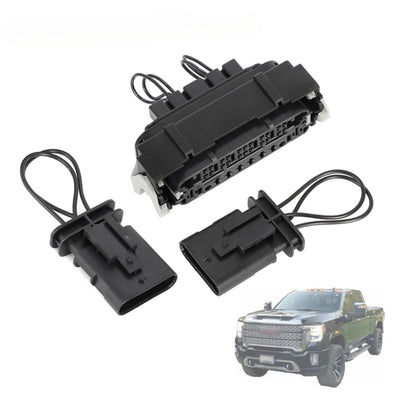
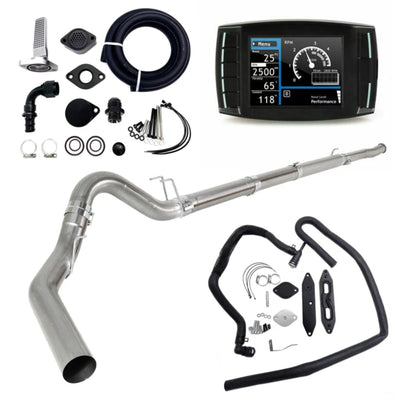
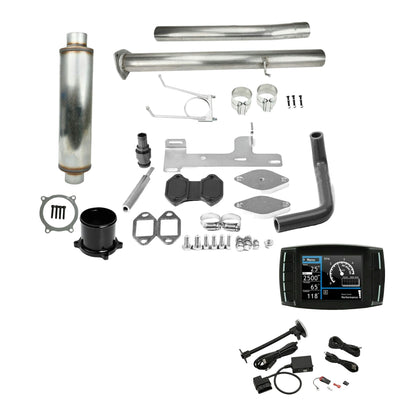
Replacing DEF pumps, injectors, and NOx sensors—or setting up off-road delete hardware for competition builds: explore complete, heavy-duty solutions built to resolve P2BAC diagnostic codes for good.
The EGR Scapegoat
The paragraph that saves the most money on this page: the EGR valve named in the code definition is the part the system turned off, not the part that failed. The chain of events is DEF-side trouble leading to insufficient NOx conversion, the downstream sensor catching the exceedance, and the ECM deactivating the EGR as a protective measure, all before the EGR valve itself has any mechanical fault.
Replacing it is a four-hundred-dollar answer to a question nobody asked, and the code that returns after the new valve is installed is the system asking the original question again, louder. The discipline: treat the EGR deactivation as the alarm bell, not the criminal, and point the diagnosis at the DEF and SCR system that caused the NOx exceedance in the first place.
The Real Causes, Ranked
- Bad or contaminated DEF: the chemistry leader, stale or watered fluid failing to produce the ammonia the SCR catalyst needs, the cause our P20EE guide ranks equally high.
- Low DEF pressure: the reductant pump weakening or the lines restricting, delivering less fluid than commanded and starving the dosing.
- Restricted DEF injector: the dosing nozzle crystallized or blocked, the spray pattern degraded until the fluid arrives as a dribble instead of a mist.
- Aging NOx sensors: the measurement layer drifting, reporting exceedances that may not be real, the same sensor-first caution the P20EE diagnosis teaches.
- Wiring faults: communication and power faults to the reductant control module, the 2017 Ram 5500 case where the code survived both a pump and module replacement before the harness was found.
- Clogged SCR catalyst: the expensive closer, the brick that has genuinely lost conversion ability, condemned only by elimination.
The Diagnostic Sequence
The ladder, ordered to protect the wallet:
- Test the DEF quality. A refractometer reading should confirm the 32.5 percent urea concentration; drain and refill with certified fluid if the reading is off, the ten-minute test that catches the most common cause.
- Check DEF pressure. The pump's pressure at the rail tells whether the supply side is delivering what the injector is being commanded to spray.
- Inspect the injector. Visual crystallization or a dosing test showing weak delivery, the physical evidence that the chemistry is arriving starved.
- Compare the NOx sensors. Live data from both sensors at steady state, the same comparison the P20EE diagnosis runs: a downstream reading wildly out of proportion to the upstream indicts the sensor.
- Verify wiring and communication. The harness and connectors to the reductant module, the layer that the 5500 case proved can outlast two parts replacements before being caught.
- Condemn the catalyst last, by elimination, after every cheaper layer has been tested and cleared.
The Derate and How to Clear It
The derate is the enforcement, the speed limit and power restriction that arrive because the system believes the emissions are uncontrolled, and clearing it requires fixing the fault, not clearing the code.
The DEF system reset procedure our DEF reset guide walks covers the after-repair sequence: the refill, the key cycles, the drive cycle that lets the dosing logic recalibrate, and the monitor confirming the NOx readings have returned to honest. The derate that survives a proper reset is the system reporting a fault still standing, and the diagnostic ladder above owns the next step.
When urea quality sensors or SCR dosing valves fail, the engine control module triggers aggressive derate timers to enforce emissions compliance, leading many owners to evaluate whether bypassing the reductant injection system entirely is a viable solution. To explore how diesel exhaust fluid system overrides operate alongside legal and technical trade-offs, read our in-depth evaluation on can I delete def.
The Family Context
P2BAC sits in the SCR-side family with P20EE, the efficiency-below-threshold code our new guide owns, and P2002, the DPF efficiency code the site covers. The three codes report different layers of the same aftertreatment architecture: P20EE reports the SCR catalyst's conversion dropping, P2BAC reports the NOx exceedance that results when the SCR fails or the DEF supply starves, and P2002 reports the soot side of the DPF.
The family shares the diagnostic discipline: DEF quality, sensors, injection, catalyst, in that order, with the measurement layer treated as the suspect it statistically is.
FAQ
What does the P2BAC code mean on a 6.7 Cummins?
NOx exceedance with EGR deactivation: the downstream NOx sensor has measured over the limit, and the ECM has shut the EGR down and derated the engine in response.
Should I replace the EGR valve?
No, almost certainly not: the code names the EGR because the system deactivated it, not because it failed, and the valve replacement is the documented false repair this code collects.
Can I drive with it?
The derate makes the decision for you: speed limiting and power reduction are the enforcement, and the truck needs the DEF-side fault fixed to clear them.
What causes it most often?
Bad or contaminated DEF leading the list, followed by low DEF pressure from a weakening pump, a restricted injector, aging NOx sensors, and wiring faults to the reductant module.
How do I test the DEF?
A refractometer checks the 32.5 percent urea concentration in minutes, and a reading off spec means drain and refill with certified fluid before any sensor is ordered.
Is it the same as P20EE?
Close cousins: P20EE reports the SCR catalyst's efficiency dropping below threshold, P2BAC reports the NOx exceedance and the EGR shutdown that follows, and both share the same DEF-side causes and diagnostic ladder.
Can I delete the DEF system to make it go away?
Only in the off-road and competition context the law allows: on a registered vehicle, the DEF delete is emissions tampering with the fines and inspection failures attached.
The Verdict
P2BAC signals EGR deactivation triggered by upstream reductant quality or dosing faults. Diagnosing the issue requires systematic testing: check DEF fluid concentration with a refractometer, measure dosing pump pressure, clean clogged injector nozzles, and verify sensor cross-references before replacing expensive SCR catalysts.
Tired of recurring DEF heater failures, sensor countdowns, and speed-limiter derates on your competition truck? Upgrade with an EGR Performance diesel DEF delete kit. Our complete hardware block-off plates, bypass fittings, and matching software calibration solutions permanently eliminate fluid injection issues and keep your engine delivering maximum power under load.


