




The P20EE code means the NOx sensor downstream of the SCR catalyst is measuring higher nitrogen oxides than the system's efficiency threshold allows, leading the ECU to report insufficient SCR performance. The catch that saves owners thousands: a failing downstream sensor causes this code far more often than a genuinely dead catalyst, the measurement layer reporting a problem it may be inventing, as r/Diesel threads deliver bluntly. Behind sensor failure, the primary suspects include degraded DEF fluid, exhaust gas temperature (EGT) sensor drift, a crystallized DEF injector, and lastly, an aged SCR brick.
This guide walks through cause rankings, diagnostic steps from cheapest to most expensive, and platform notes for Duramax, Powerstroke, and Cummins engines. For dedicated competition and off-road builds looking to permanently eliminate dosing limp modes, explore our complete diesel DEF delete kits at EGR Performance.
Table of Contents
Key Takeaways
- The meaning: the downstream NOx sensor is reading more NOx than the SCR system's efficiency threshold permits, the computer concluding the catalyst is underperforming.
- The leading cause: a failed or drifting NOx sensor, the measurement device itself inventing the problem, far more common than an actually dead catalyst per the forum experience.
- The supporting suspects: bad or contaminated DEF, exhaust temperature sensor faults, a clogged DEF injector, and the aged or poisoned SCR brick at the expensive end.
- The symptoms: check engine light, DEF system warnings, possible reduced power or limp mode as the enforcement escalates, and repeated regens as the system compensates.
- The diagnostic order: DEF quality first, NOx sensors second, exhaust temperature sensors third, SCR catalyst last, the cheap-to-expensive ladder that avoids condemning a two-thousand-dollar brick for a two-hundred-dollar sensor.
- The DEF connection: contaminated fluid from a stale jug or a wrong additive degrades the catalyst's chemistry, r/Duramax bad-DEF PSA.
What the Code Means
The SCR system is a chemistry set: DEF injected into the exhaust decomposes into ammonia, the ammonia reacts over the SCR catalyst with the NOx the engine produced, and what exits the tailpipe should be nitrogen and water. Two NOx sensors bracket the system, one upstream measuring what arrived and one downstream measuring what survived, and the computer calculates the efficiency from the difference. P20EE fires when the downstream reading exceeds the threshold, and the diagnosis becomes a question of which layer is lying: the sensor, the fluid, the temperature, the injection, or the catalyst itself.
When the Code Leads to the Hardware
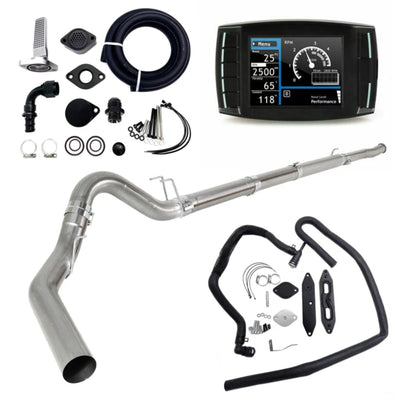
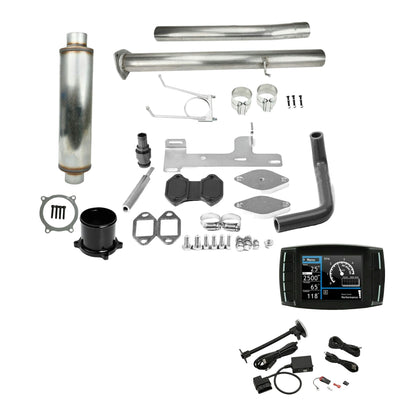
Tired of chasing ghost fault codes, DEF crystallization, and persistent limp-mode speed derates on your track or closed-course rig? Upgrade with precision-engineered hardware built for heavy-duty thermal cycling.
The Symptoms
- Check engine light: the flag, often arriving with DEF system warnings that escalate alongside it.
- Reduced power or limp mode: the enforcement stage on platforms that derate for SCR faults, the speed limiter that arrives if the code is ignored.
- DEF warnings: the dashboard reporting fluid quality or level concerns, the message cluster that accompanies the SCR system's loss of confidence.
- Repeated regens: the DPF compensating for the SCR's underperformance, the two systems sharing the exhaust's thermal budget.
- Failed emissions: the stored code an automatic inspection failure on any registered diesel.
The Causes, Ranked
- Failed or drifting NOx sensor: the leader by a wide margin, the measurement device aging past its accuracy and reporting NOx that may not be there, Duramax forum P20EE thread.
- Bad or contaminated DEF: stale fluid, water contamination, or the wrong additive poisoning the catalyst's chemistry over time, the cause that arrives from the parts store shelf.
- Exhaust temperature sensor faults: the SCR needing accurate temperatures to dose correctly, and a lying temp sensor skewing the injection timing.
- Clogged DEF injector: the dosing nozzle crystallized or blocked, delivering less fluid than commanded and starving the chemistry.
- Aged or poisoned SCR catalyst: the expensive closer, the brick that has genuinely lost its conversion ability, condemned only after every cheaper layer tests clean.
Faced with thousands of dollars in replacement costs for degraded SCR catalyst bricks or faulty dosing modules, truck owners often weigh structural repairs against completely eliminating reductant injection circuitry. To examine how fluid bypass solutions function alongside federal compliance standards and technical trade-offs, read our comprehensive evaluation on can I delete def.
The Diagnostic Sequence
The cheap-to-expensive ladder that avoids the two-thousand-dollar mistake:
- Test the DEF first. A quality test strip or refractometer tells whether the fluid is fresh and within spec, the ten-minute check that catches the contaminated-jug cause before any sensor is ordered.
- Compare the NOx sensors. Live data from both sensors at steady cruise tells the story: a downstream reading wildly out of proportion to the upstream, or a reading that does not respond to changes, is the sensor confessing.
- Verify the exhaust temperature sensors. The SCR's dosing strategy depends on them, and a reading stuck at an implausible value indicts the sensor rather than the catalyst.
- Inspect the DEF injector. Visual crystallization or a dosing test that shows weak delivery catches the starved-chemistry cause.
- Condemn the catalyst last. Only after the fluid, the sensors, and the injection test clean does the SCR brick earn its replacement, the diagnosis that arrives by elimination rather than enthusiasm.
Replacing faulty NOx sensors or cleaning crystallized reductant injectors will not immediately clear active derate timers until the engine control module successfully completes an OBD-II drive cycle re-initialization. Follow our step-by-step diagnostic scanner protocols and manual clearing procedures in our guide on how to reset def system.
The DEF Connection
The DEF that feeds the SCR system is a chemistry product with a shelf life and a contamination sensitivity, and the P20EE conversation needs to include it. Fluid from a jug that sat through a summer, fluid topped up with water by a previous owner, or the wrong additive dumped into the tank on the theory that more is better, each degrades the ammonia the catalyst needs to convert NOx.
The fix is the drain-and-refill with certified fluid our DEF system reset guide covers in its contamination protocol, and the prevention is the sealed-jug discipline the DEF posts on this site teach: buy certified, store sealed, never run the tank empty, and respect the freeze behavior that is the fluid's only normal quirk.
Navigating recurring catalyst efficiency codes requires understanding how modern closed-loop SCR architectures manage ammonia dosing to meet tightening tailpipe emission regulations. To explore where diesel exhaust fluid technology and EPA compliance standards are heading across current model years, review our industry analysis on is DEF going away.
Platform Notes: Duramax and Cummins
On the Duramax LML and L5P, the P20EE arrives with the platform's known NOx sensor reliability record, the sensors aging on schedule and the forum threads documenting the pattern: replace the offending sensor, clear the code, and the efficiency reading recovers.
On the Cummins 6.7, the code shares the diagnostic path with the SCR catalyst's known enemies, contaminated DEF and the crystallized injector, and the r/Diesel PSA caught the bad-fluid cause in the wild.
Both platforms share the enforcement escalation, the DEF warnings and the speed limiter that arrive if the code is left to age, and both share the ladder: fluid, sensors, injection, catalyst, in that order, with the delete route for the off-road trucks whose registration permits it.
FAQ
What does the P20EE code mean?
The downstream NOx sensor is reading more oxides of nitrogen than the SCR catalyst's efficiency threshold allows, the computer concluding the selective catalytic reduction is underperforming.
Is it the catalyst or the sensor?
The sensor, most of the time: failing NOx sensors cause this code far more often than genuinely dead catalysts, and replacing a two-thousand-dollar brick for a two-hundred-dollar sensor is the mistake the ladder prevents.
Can I drive with it?
Initially yes, with the light and the DEF warnings, but the enforcement escalates: reduced power and speed limiting arrive on most platforms if the code is left unresolved.
Can bad DEF cause it?
Yes: contaminated, stale, or watered fluid degrades the chemistry the SCR catalyst depends on, and the drain-and-refill with certified fluid resolves those cases.
How do I test the NOx sensors?
Watch live data from both sensors at steady cruise: the downstream reading should be a small fraction of the upstream, and a reading that does not respond or sits at an impossible value is the sensor confessing.
What does a NOx sensor cost?
Roughly two to four hundred dollars for the part on most platforms, with the replacement being an unbolt-and-rebolt job on many applications.
Can I delete the SCR system instead?
Only in the off-road and competition context the law allows: on a registered vehicle, removing the SCR is emissions tampering with the fines and inspection failures attached.
The Verdict
P20EE signals downstream SCR efficiency failure, but sensor drift and crystallized injectors trigger false alerts far more often than a dead catalyst brick. Always diagnose live sensor streams, fluid quality, and dosing pump pressure before investing in expensive hardware replacements.
Tired of dealing with recurring P20EE fault codes, SCR derates, and fluid countdowns on your competition platform? Upgrade with an EGR Performance diesel DEF delete kit. Engineered for maximum thermal durability, our complete hardware packages bypass failure-prone SCR dosing components and restore dependable power delivery under load.


